Uterine Fibroid Treatment Market Accelerates with Pharmaceutical Pipeline Developments and Targeted Drug Therapies

The global uterine fibroid treatment market is witnessing accelerated growth, fueled by significant advancements in pharmaceutical research and the emergence of targeted drug therapies. As an increasingly prevalent condition among women of reproductive age, uterine fibroids—benign tumors that grow in the uterus—have prompted an urgent demand for effective, non-invasive, and drug-based management strategies. With ongoing innovation in pharmacotherapy and a robust pipeline of investigational drugs, the landscape of fibroid treatment is undergoing a transformative shift.
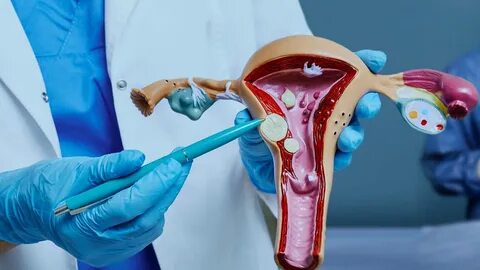
Rising Prevalence of Uterine Fibroids and Demand for Medical Alternatives
Uterine fibroids affect an estimated 70–80% of women by the age of 50, with a higher prevalence reported among women of African descent. Though not cancerous, fibroids can lead to debilitating symptoms such as heavy menstrual bleeding, pelvic pain, urinary frequency, and reproductive complications, including infertility and miscarriage. Traditionally, surgical procedures such as hysterectomy and myomectomy were the mainstay treatments. However, increasing awareness of the potential side effects and long recovery periods associated with surgery has spurred demand for pharmaceutical alternatives.
Shift Toward Drug-Based Therapies
In recent years, medical treatment has emerged as a vital pillar of uterine fibroid management. Pharmaceutical companies have been investing heavily in research and development to introduce therapies that target the hormonal and molecular drivers of fibroid growth. The focus has moved from merely managing symptoms to addressing the underlying pathophysiology of fibroids.
One of the most promising classes of drugs in this space is the gonadotropin-releasing hormone (GnRH) antagonists. Unlike older GnRH agonists that initially cause a hormone surge before suppression, antagonists act rapidly and directly to reduce estrogen and progesterone levels—hormones that fuel fibroid growth. The result is a marked reduction in fibroid size and associated symptoms.
FDA Approvals and Commercial Launches Fuel Market Momentum
The approval and commercialization of novel oral therapies such as relugolix and elagolix have significantly boosted the pharmaceutical segment of the uterine fibroid treatment market. These drugs, marketed under brand names like Myfembree and Oriahnn, are combination therapies that pair a GnRH antagonist with hormonal add-back therapy to mitigate bone loss and other side effects caused by estrogen suppression.
Myfembree, a combination of relugolix, estradiol, and norethindrone acetate, has been approved for the management of heavy menstrual bleeding associated with uterine fibroids in premenopausal women. Clinical trials have demonstrated that Myfembree significantly reduces menstrual blood loss while improving quality of life and maintaining bone density. Such evidence-based outcomes are encouraging both healthcare providers and patients to consider pharmaceutical solutions as first-line therapy.
Pipeline Innovations and Clinical Trials
The pharmaceutical pipeline for uterine fibroid treatment is robust and growing. Several companies are conducting clinical trials for next-generation therapies that offer improved efficacy, safety, and convenience. These include modified hormone therapies, selective progesterone receptor modulators (SPRMs), and compounds that target fibroid-specific molecular pathways.
SPRMs, such as ulipristal acetate, have demonstrated promising results in reducing fibroid size and bleeding, though some have faced regulatory scrutiny due to liver toxicity concerns. Nonetheless, ongoing research aims to optimize these molecules or develop new SPRMs with improved safety profiles. Additionally, novel drug delivery systems such as intrauterine devices (IUDs) and long-acting injectables are being explored to enhance localized drug action while minimizing systemic side effects.
Personalized Medicine and Targeted Approaches
A notable advancement in the field is the shift toward personalized medicine. With growing understanding of the genetic and molecular heterogeneity of fibroids, researchers are investigating therapies that can be tailored to individual patient profiles. Targeted drug therapies aim to disrupt specific molecular mechanisms involved in fibroid growth, such as angiogenesis (formation of new blood vessels), extracellular matrix production, and inflammatory signaling.
This precision-medicine approach holds the potential to dramatically improve treatment outcomes while reducing unwanted side effects. As biomarker-driven strategies evolve, pharmaceutical companies are expected to integrate companion diagnostics to identify patients most likely to benefit from a given therapy.
Regional Growth and Market Dynamics
North America currently dominates the uterine fibroid pharmaceutical market, driven by high awareness, early adoption of novel therapies, and strong reimbursement structures. The United States, in particular, has seen rapid uptake of newly approved oral therapies, supported by direct-to-consumer marketing and increasing preference for non-surgical treatments.
Europe follows closely, with several countries embracing pharmaceutical treatments through publicly funded healthcare systems. In contrast, the Asia-Pacific region is emerging as a high-growth market due to rising awareness, improving healthcare infrastructure, and increased investments in women’s health. Countries like India, China, and Japan are expected to play a crucial role in the expansion of the global market over the next decade.
Challenges and Opportunities
Despite the optimism, the pharmaceutical segment faces certain challenges. High drug costs, limited access in low- and middle-income countries, and concerns about long-term safety and side effects remain key barriers. Additionally, hesitancy among some healthcare providers to shift from traditional surgical interventions to newer pharmacologic options may slow adoption.
However, these challenges also present opportunities for innovation and collaboration. Generic drug development, tiered pricing strategies, and partnerships with global health organizations can help make treatments more accessible. Furthermore, real-world evidence and longitudinal studies are essential to build confidence in the long-term use of these therapies.
Conclusion
The uterine fibroid treatment market is rapidly evolving, with pharmaceutical innovations at the forefront of this transformation. Targeted drug therapies and a dynamic clinical pipeline are reshaping the treatment paradigm, offering new hope to millions of women worldwide. As these therapies gain traction and healthcare systems continue to prioritize non-invasive, patient-centric solutions, the pharmaceutical segment is expected to play an increasingly dominant role in the global fibroid treatment landscape.