Vacuum Deaerators Market Segmentation Shows Tray Type Dominance in Specific Industrial Use Cases

Introduction
The Vacuum Deaerators Market is experiencing a transformative shift towards sustainability, driven by increasing environmental awareness and stringent regulations across various industries. These systems, essential for removing dissolved gases like oxygen and carbon dioxide from liquids, are evolving to meet the growing demand for energy-efficient and eco-friendly solutions.
Vacuum deaerators are essential components in various industries, particularly in power generation and chemical processing, where the removal of dissolved gases like oxygen and carbon dioxide from feedwater is crucial to prevent corrosion and ensure system efficiency. Among the different types of vacuum deaerators, tray-type designs have gained prominence due to their effectiveness in specific industrial applications.
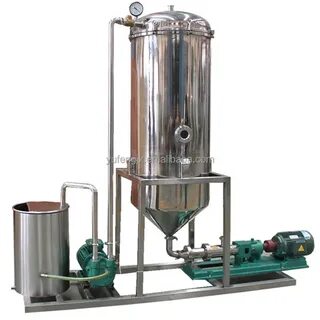
Tray-Type Vacuum Deaerators: Design and Functionality
Tray-type vacuum deaerators operate by utilizing a series of trays or baffles within a vertical vessel. Water enters the top of the unit and is distributed over the trays, creating a thin film that facilitates the release of dissolved gases when exposed to steam. This countercurrent flow of steam and water enhances the removal of non-condensable gases, achieving oxygen levels as low as 0.005 cc/liter (7 ppb) .
The design of tray-type deaerators allows for efficient heat transfer and gas removal, making them suitable for applications requiring high-capacity deaeration with minimal oxygen content in the feedwater.
Industrial Applications Benefiting from Tray-Type Deaerators
1. Power Generation
In thermal power plants, maintaining low levels of dissolved oxygen in the boiler feedwater is critical to prevent corrosion of boiler tubes and other components. Tray-type vacuum deaerators are widely used in these settings due to their ability to handle large volumes of water and their effectiveness in achieving the required oxygen removal. For instance, BGR Energy Systems offers tray-type deaerators with capacities ranging from 5 to 4000 tons per hour, designed to meet the stringent demands of power generation facilities .
2. Chemical Processing
The chemical industry often requires deaerated water for various processes, including reactions sensitive to oxygen. Tray-type deaerators provide a reliable solution for removing dissolved gases, ensuring the quality and consistency of chemical products. Their design allows for efficient operation even under varying load conditions, making them adaptable to the dynamic requirements of chemical manufacturing .
3. Food and Beverage Industry
In the food and beverage sector, maintaining the quality of products is paramount. Tray-type vacuum deaerators are employed to remove oxygen from water used in processing, thereby preserving the flavor, color, and shelf life of products. Their ability to operate efficiently with high condensate return rates makes them a cost-effective choice for large-scale food processing operations .
Advantages of Tray-Type Vacuum Deaerators
High Capacity: Tray-type deaerators can handle large volumes of water, making them suitable for industries with high water usage.
Efficient Gas Removal: The countercurrent flow design enhances the removal of dissolved gases, achieving low oxygen levels in the feedwater.
Adaptability: These systems can accommodate varying load conditions, providing flexibility in operations.
Cost-Effectiveness: Tray-type deaerators are often more economical in terms of initial investment and maintenance compared to other designs.
Challenges and Considerations
While tray-type vacuum deaerators offer numerous benefits, there are considerations to keep in mind:
Space Requirements: The vertical design may necessitate significant installation space, which could be a constraint in facilities with limited space.
Maintenance: Regular maintenance is essential to ensure optimal performance and longevity of the system.
Initial Cost: The upfront investment for tray-type deaerators may be higher compared to other types, though this can be offset by their efficiency and durability.
Conclusion
Tray-type vacuum deaerators play a pivotal role in industries where the removal of dissolved gases from water is critical to operational efficiency and product quality. Their design and functionality make them particularly suitable for high-capacity applications in power generation, chemical processing, and the food and beverage industry. While considerations such as space requirements and initial costs are important, the advantages offered by tray-type deaerators often outweigh these challenges, making them a preferred choice in specific industrial use cases.