Neurointerventional Devices Market Witnesses Surge in Demand Amid Increasing Prevalence of Neurovascular Disorders

The Neurointerventional Devices Market is experiencing a notable surge in global demand, fueled largely by the rising incidence of neurovascular disorders such as ischemic stroke, cerebral aneurysms, arteriovenous malformations (AVMs), and intracranial atherosclerosis. As these conditions become more prevalent, healthcare providers and systems are turning to minimally invasive neurointerventional procedures that offer enhanced precision, reduced recovery times, and better clinical outcomes. This transformation is reshaping the landscape of neurological care and positioning neurointerventional devices as critical tools in modern medicine.
Escalating Burden of Neurovascular Disorders
Neurovascular diseases are increasingly becoming a major global health challenge. According to the World Health Organization (WHO), stroke is the second leading cause of death and a primary cause of long-term disability worldwide. Ischemic stroke, in particular, accounts for nearly 85% of all strokes and occurs due to the blockage of blood vessels in the brain. Similarly, cerebral aneurysms — balloon-like bulges in brain arteries — can rupture and cause fatal hemorrhagic strokes.
Several factors are contributing to the growing prevalence of these disorders, including aging populations, sedentary lifestyles, unhealthy diets, and increased rates of hypertension, diabetes, and obesity. This rise in neurovascular disease incidence is directly translating into higher demand for effective and timely intervention solutions, particularly those that are less invasive and more efficient than traditional surgical methods.
Role of Neurointerventional Devices in Modern Treatment Protocols
Neurointerventional devices — such as stent retrievers, embolic coils, flow diverters, aspiration catheters, and balloon occlusion systems — play a pivotal role in the diagnosis and treatment of neurovascular conditions. These tools enable interventional neuroradiologists and neurosurgeons to access complex brain vasculature with precision, offering life-saving treatment during critical time windows.
One of the most prominent examples is mechanical thrombectomy, a minimally invasive procedure used to remove clots in patients suffering from acute ischemic stroke. The use of stent retrievers and aspiration catheters in such procedures has been proven to significantly improve patient outcomes, particularly when performed within a few hours of symptom onset. This has led to widespread adoption of thrombectomy procedures in stroke centers across the globe.
Similarly, for cerebral aneurysms, embolic coils and flow diverters have become preferred treatment options over open surgical clipping, thanks to their lower complication rates and shorter recovery periods. These advantages are making neurointerventional devices indispensable in neurology departments and specialized stroke units.
Technological Advancements Driving Market Momentum
Ongoing technological innovations have further accelerated the adoption of neurointerventional devices. Next-generation products now offer better navigability, enhanced deliverability, and improved biocompatibility. For example, ultra-soft embolic coils with advanced detachment systems allow for more controlled deployment within aneurysms, minimizing the risk of procedural failure.
Moreover, the integration of real-time imaging technologies and artificial intelligence (AI) is transforming neurointervention. AI-powered platforms can help in early stroke detection, automated clot identification, and optimized device selection, enabling more personalized and timely treatment decisions. These enhancements are expanding the scope of neurointervention and making procedures more accessible, especially in time-sensitive scenarios.
Rising Adoption Across Hospitals and Ambulatory Settings
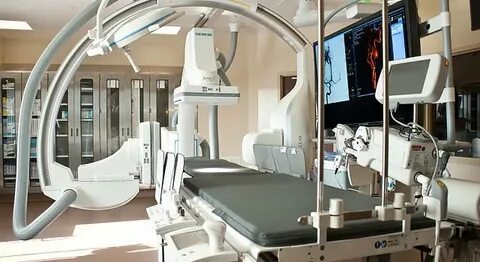
The growing awareness among healthcare providers about the benefits of neurointerventional procedures is leading to increased adoption in both high-end hospitals and specialized ambulatory surgical centers. Many healthcare institutions are now investing in neurointerventional suites equipped with advanced imaging and robotic navigation systems to meet rising demand.
Governments and healthcare organizations are also recognizing the cost-effectiveness of early intervention using neurointerventional devices. Reducing long-term disability through timely treatment significantly lowers the economic burden on healthcare systems, especially in countries with aging populations.
Regional Market Trends
North America currently holds the largest share of the neurointerventional devices market, primarily due to a well-established healthcare infrastructure, high awareness levels, and strong reimbursement frameworks. The U.S., in particular, has seen rapid adoption of mechanical thrombectomy and aneurysm coiling procedures.
Europe follows closely, with countries like Germany, France, and the UK demonstrating increasing investment in stroke care and interventional neurology. Favorable regulatory policies and collaborations between device manufacturers and research institutions are fostering innovation in the region.
However, the most dynamic growth is being observed in the Asia-Pacific region. Rising incidence of stroke, expanding access to healthcare, and increasing public-private investments are contributing to strong market momentum. Countries like China and India are emerging as significant markets due to their large patient populations and gradual adoption of advanced medical technologies.
Competitive Landscape and Strategic Collaborations
Leading players in the neurointerventional devices market — including Medtronic, Stryker, Penumbra, Terumo, and MicroVention (a subsidiary of Terumo) — are aggressively investing in product development and clinical trials to strengthen their portfolios. Mergers, acquisitions, and strategic partnerships are commonplace, as companies strive to enhance their technological capabilities and expand their geographic reach.
For instance, collaborations between device makers and AI startups are helping to bring smarter stroke management tools to market. Similarly, partnerships with academic institutions are enabling companies to conduct clinical trials and refine next-generation devices.
Challenges and Opportunities
Despite its rapid growth, the neurointerventional devices market faces several challenges. High device costs, especially in low- and middle-income countries, can hinder widespread adoption. Limited access to skilled interventional neuroradiologists also remains a constraint in some regions. Moreover, regulatory hurdles and disparities in reimbursement policies continue to affect market penetration.
That said, these challenges also present opportunities. Training initiatives, telemedicine expansion, and cost-effective device development can help bridge these gaps and make neurointerventional care more inclusive.
Conclusion
The neurointerventional devices market is witnessing a significant surge in demand, driven by the increasing prevalence of neurovascular disorders and advancements in minimally invasive technologies. As healthcare systems worldwide shift focus toward early intervention and precision medicine, the importance of neurointerventional devices will only grow. With ongoing innovation, expanding healthcare access, and rising awareness, the market is well-positioned to meet the complex needs of patients suffering from debilitating neurological conditions.