In-Ear-Monitors (IEMs) Market competitors leveraging customization for brand differentiation globally

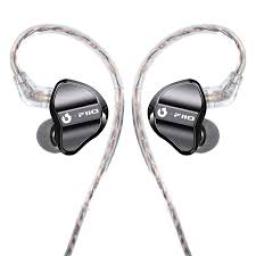
Global IEM brands are turning to product customization as a key strategy to meet diverse consumer needs and stand out in a competitive market.
Personalization Becomes the New Differentiator
The In-Ear-Monitors (IEMs) Market is evolving rapidly, and as product saturation increases, global brands are adopting customization as a strategic tool for differentiation. From aesthetic tweaks to audio tuning and ergonomic fit, manufacturers are recognizing that personalization isn't just a premium feature—it's becoming a core market expectation.
Consumers today are not just seeking functionality but a tailored experience that reflects their lifestyle, taste, and specific use case. In a world flooded with mass-market audio devices, IEM brands that prioritize customization are successfully creating deeper customer loyalty and brand equity.
Custom-Fit Designs: A Growing Trend
One of the most prominent forms of customization in the IEM market is custom-fit earpieces. These are made by taking impressions of the user's ear canal, often used by:
Musicians and stage performers for maximum isolation and comfort.
Audiophiles seeking optimal acoustic performance.
Individuals with unique ear anatomy or fit issues with generic models.
Custom-fit IEMs ensure a snug seal, improving bass response and passive noise isolation. Brands like 64 Audio, Ultimate Ears, and JH Audio have pioneered this segment, offering both universal and fully customized models to cater to different price points.
Sound Signature Personalization
Sound tuning has become a key selling point. Users can now select or even customize the audio signature of their IEMs based on genre preference, ear sensitivity, or professional requirements. Some common tuning options include:
Bass-heavy profiles for electronic and hip-hop listeners.
Neutral, reference-grade tuning for sound engineers and audiophiles.
V-shaped signatures for an energetic, dynamic listening experience.
Advanced models offer swappable filters or in-app EQ control to fine-tune sound on the go. This trend is especially strong in the premium IEM market, where listeners demand control over their auditory experience.
Modular and Interchangeable Components
Customization isn't limited to aesthetics or fit—it now extends to modular components. Several brands offer:
Replaceable cables with MMCX or 2-pin connectors for flexibility.
Detachable faceplates in various designs and finishes.
Optional Bluetooth modules to switch between wired and wireless modes.
This level of modularity appeals to users who want to upgrade or change specific parts without replacing the entire device. It also allows brands to cater to both purist and convenience-seeking segments in one product line.
Visual Personalization and Artistic Expression
Aesthetics play a major role in today’s consumer choices, especially among younger buyers and creative professionals. IEM brands now allow customers to choose:
Custom shell colors and materials (resin, acrylic, wood).
Artwork or monograms engraved or printed on the faceplates.
Limited edition themes tied to music genres, events, or pop culture references.
This trend taps into the rising demand for product identity and self-expression, transforming IEMs into more than just utility items. They become fashion accessories and statement pieces—particularly on social platforms where users share their tech setups and gear.
Regional and Cultural Customization
Global IEM brands are also localizing their products to match regional preferences. For example:
Bass-forward tuning for Indian and Southeast Asian markets where Bollywood and EDM are popular.
Minimalist design and natural tuning for the Japanese audiophile community.
Durable, sport-friendly builds for markets with high outdoor or fitness usage.
Localization ensures that products resonate with specific audiences, driving stronger regional adoption and brand loyalty.
Customization Through Software and AI
Digital customization is the next frontier. Brands are using AI-powered apps and software integration to offer deeper personalization:
Real-time ear canal analysis via microphones to optimize sound output.
Hearing profile-based tuning, similar to audiogram matching.
Adaptive noise cancellation that learns from the user’s environment.
These intelligent features are being used by companies like Nura and Sony to create unique listening profiles for every user. As AI and machine learning continue to evolve, future IEMs could offer biometric sensing, environment tracking, and predictive tuning based on activity patterns.
B2B and Professional Market Customization
Beyond consumers, brands are also tailoring products for industry professionals, including:
Broadcast journalists needing low-profile, single-ear solutions.
Musicians and stage performers requiring specific driver configurations.
Healthcare workers and call center agents looking for comfort during long hours.
Custom packages include accessories, branding, or integration with professional audio equipment. This niche customization builds strong brand-client relationships and enhances product stickiness in high-value segments.
Competitive Advantage and Market Impact
Customization offers significant strategic advantages:
Reduces commoditization by making each product unique to the user.
Increases perceived value, justifying premium pricing.
Enhances user satisfaction and product longevity.
Builds brand advocacy, especially among influencers and niche communities.
IEM brands that invest in customization can create higher-margin product lines, reduce return rates due to fit/sound dissatisfaction, and gain insight into evolving customer preferences through interactive customization platforms.
Conclusion
The global In-Ear-Monitors (IEMs) Market is no longer just about delivering sound—it's about crafting personalized audio experiences. As competition intensifies, customization is emerging as the most powerful lever for differentiation. From tailored fit and modular components to AI-assisted tuning and aesthetic flexibility, brands that embrace personalization will lead the next wave of growth and innovation in this dynamic industry.