Category: other
Athleisure Market post-pandemic behavior shifts redefining marketing and retail experiences
By Apeksha More, 2025-06-12

Athleisure Market evolution has accelerated dramatically in the wake of the COVID-19 pandemic. As consumers reassessed health, comfort, and daily routines, their apparel choices shifted—placing athleisure at the forefront of everyday fashion. In 2025, this behavioral transformation continues to influence how brands design, market, and deliver products. Athleisure is no longer just gym wear—it is a lifestyle statement, deeply embedded in work-from-home culture, hybrid wellness routines, and digital-first shopping behaviors.
Post-pandemic changes have altered the consumer psyche in lasting ways. This blog explores the most prominent behavioral shifts and how they are transforming marketing strategies and retail ecosystems in the global athleisure landscape.
Comfort and Functionality Over Formalwear
Before the pandemic, formal and business-casual wear dominated professional wardrobes. However, prolonged work-from-home periods normalized comfort-driven dressing. Now, even as hybrid work environments emerge, consumers continue to prefer soft, stretchable, and breathable clothing.
Athleisure wear—leggings, joggers, oversized hoodies, and zip-up jackets—has replaced denim and trousers in many markets. The desire for multi-functional clothing that transitions from workouts to virtual meetings or quick errands has prompted brands to:
Focus on versatile design,
Use high-performance fabrics,
Emphasize comfort as a core selling point.
Marketing now highlights all-day wearability, not just gym performance, shifting messaging from athleticism to adaptability.
Rise of Mindful Consumption and Wellness
The pandemic spurred global health awareness and a deeper connection to wellness. This shift gave rise to consumers prioritizing self-care, mindfulness, and movement. Athleisure became symbolic of a healthy, balanced lifestyle—not just fitness.
Marketing strategies now align with broader wellness narratives. Brands are:
Partnering with meditation apps or wellness coaches,
Launching mental health awareness campaigns,
Creating content around yoga, stretching, and mental fitness.
Retail spaces are adapting too. Many stores now integrate wellness zones, ambient lighting, or offer free fitness classes to reinforce the lifestyle association.
Digital Shopping as the Default Experience
Lockdowns in 2020–2021 forced a global surge in e-commerce. Today, that shift has become permanent. Consumers are now accustomed to discovering, trying, and purchasing apparel through digital channels.
Athleisure brands have responded by:
Developing virtual try-on tools,
Offering detailed fit guides and video reviews,
Launching live shopping events with influencers.
Retail marketing is increasingly performance-based, data-driven, and personalized. Brands leverage AI and machine learning to predict preferences, send tailored recommendations, and retarget customers with cart-based offers.
For example, D2C athleisure brands in India and the US are using WhatsApp and SMS commerce to guide customers through highly personalized journeys.
Loyalty Built Through Authentic Values
In a post-pandemic world, consumers value authenticity, transparency, and purpose more than ever. Athleisure buyers want brands that align with their personal beliefs—whether that’s sustainability, mental health, or inclusivity.
Successful post-pandemic marketing places values at the center of the brand. Campaigns that feature:
Real users instead of polished models,
Unfiltered storytelling about resilience,
Bold stances on social issues,
…tend to perform better than traditional product-led ads. Brands like Girlfriend Collective and Pangaia are thriving by prioritizing ethical production, size inclusivity, and honest communication.
Retail touchpoints now reflect these values through signage, packaging, and even employee training that mirrors brand ethos.
Athleisure as Everyday Identity
During the pandemic, clothing became a tool of identity expression in isolation. Consumers began using color, fit, and styling to elevate mood and reflect personality—even when interacting virtually.
Now, athleisure isn’t just comfortable—it’s an aesthetic choice. Bright color palettes, mix-and-match sets, and minimalist designs are central to modern wardrobes.
Brands are responding by:
Creating capsule collections for everyday scenarios,
Encouraging creative styling through user-generated content,
Integrating social sharing tools into retail apps.
Retailers are hosting “style labs” or interactive lookbook zones in-store and online, giving customers the tools to curate their own look and share it with communities.
New Shopping Habits in Hybrid Lifestyles
The blending of home, work, and fitness routines has created hybrid consumption behaviors. A consumer may now:
Shop online during a work break,
Visit a store near their co-working space,
Choose outfits suitable for a yoga class and a café meetup.
Athleisure retailers have embraced omnichannel strategies:
BOPIS (Buy Online, Pick Up In Store),
Flexible returns across channels,
Geo-targeted mobile push offers.
Micro-stores, pop-ups, and mobile carts are also gaining popularity, offering convenience in residential communities, parks, and fitness centers.
Hyperlocal Marketing and Community Focus
The global disruption of 2020 brought attention back to local experiences. Shoppers now prefer brands that understand their community and culture.
Athleisure marketing is increasingly neighborhood-driven. Strategies include:
Collaborating with local trainers and gyms,
Launching region-specific collections,
Hosting localized wellness events.
Retailers are moving beyond malls, entering residential hubs and tier 2 cities, especially in countries like India and Brazil. These local engagements build brand loyalty and social relevance.
Emphasis on Sustainability and Responsible Production
Pandemic-driven disruptions in global supply chains exposed the vulnerabilities of fast fashion. Consumers, especially Gen Z and Millennials, now question where and how their clothes are made.
Athleisure brands are investing in:
Shorter, transparent supply chains,
Recycled and organic fabrics,
Low-impact dyes and packaging.
Marketing campaigns highlight sustainability commitments through impact reports, third-party certifications, and behind-the-scenes content. Retailers integrate sustainability education in stores, making it part of the purchase journey.
Final Thought
The athleisure market has undergone a fundamental shift in response to post-pandemic consumer behavior. What was once performance gear has evolved into a lifestyle essential, bridging comfort, style, and self-expression. Brands that understand this evolution—and adapt their marketing and retail experiences accordingly—will thrive.
Success in 2025 requires a deep understanding of the hybrid consumer. From mindful messaging and digital-first selling to localized engagement and sustainability, every touchpoint must reflect the new expectations of athleisure shoppers. This era rewards authenticity, innovation, and a willingness to rethink the retail experience from the consumer’s perspective.
Athletic Socks Market analysis of influencer impact on brand preference today
By Apeksha More, 2025-06-12
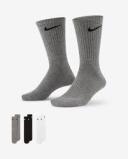
The Athletic Socks Market is undergoing a dynamic shift, propelled by the rising influence of social media personalities and digital creators. Once a niche product segment, athletic socks have gained mainstream appeal due to powerful endorsements and lifestyle integrations by fitness influencers, athletes, and wellness content creators. These collaborations are not only driving sales but also reshaping brand perception and consumer trust in ways traditional advertising cannot match.
The Role of Influencers in Product Discovery
Today’s consumers increasingly rely on influencers to discover new products, especially in the apparel and fitness gear categories. Authentic product reviews, styling suggestions, and performance breakdowns by trusted figures play a crucial role in shaping purchase intent. Athletic socks, despite being a basic item, are no exception to this trend.
Influencers demonstrate the utility of performance socks during workouts, sports events, and even daily wear, making them relatable and aspirational. Their visual content showcases product features such as arch support, moisture-wicking, compression, and fit in real-world use cases. This practical engagement leads to higher consumer interest and experimentation.
Micro vs. Macro Influencer Strategies
Brands in the Athletic Socks Market employ a mix of micro and macro influencers depending on campaign goals. Macro influencers with large followings are ideal for mass exposure and brand awareness, especially during product launches or seasonal promotions. Their content reaches millions and often aligns with the brand’s broader lifestyle narrative.
However, micro influencers—those with smaller, highly engaged audiences—offer better authenticity and niche targeting. Their followers trust their opinions more deeply, leading to higher conversion rates. For example, a micro influencer specializing in running gear may yield better results for a brand targeting marathoners than a general lifestyle influencer.
By leveraging both types, brands can build layered strategies that balance reach with engagement, maximizing campaign impact.
Influence on Brand Loyalty and Purchase Decisions
Influencer marketing doesn’t just drive initial product trials; it also contributes to long-term brand loyalty. Repeated endorsements from the same influencer create a perception of consistency and trust. When consumers see their favorite personalities using the same brand repeatedly, it reinforces product credibility.
Unboxing videos, tutorials, and personal testimonials add an emotional layer to marketing, prompting users to form connections with brands. This is especially impactful among younger demographics who value peer-based recommendations over traditional commercials or celebrity endorsements.
Influencer discount codes and affiliate links also act as powerful incentives, converting awareness into action and creating a trackable sales funnel for brands.
Impact on Branding and Trend Formation
Influencers help position athletic socks as more than functional items—they’re part of a lifestyle. Whether it’s high socks for streetwear, no-show variants for gym sessions, or color-coordinated pairs for outfit matching, influencers shape how socks are styled and worn.
Trending patterns, collaborations, or limited-edition drops gain momentum faster when amplified by influencers. Some brands even design collections in partnership with creators, ensuring authenticity and built-in audience appeal. This fusion of creator insight and product design leads to trendsetting releases that resonate with modern consumers.
Additionally, influencers often define color palettes, aesthetics, and even product descriptors used in marketing. Their content essentially shapes the brand’s language and image in digital spaces.
Influencer-Driven Content as Marketing Collateral
The content produced by influencers serves as valuable assets for brands across multiple channels. Short videos, photoshoots, testimonials, and how-to reels are repurposed on brand websites, social media pages, email marketing, and e-commerce platforms.
This user-generated content (UGC) is cost-effective and authentic. Unlike polished ad campaigns, influencer content feels real and relatable, enhancing trust and connection. It also helps populate brand pages with diverse body types, use scenarios, and voices, reflecting the inclusivity that today’s consumers demand.
Moreover, influencer content often performs better in terms of engagement and reach compared to traditional marketing, thanks to built-in communities and established rapport with followers.
Measuring Influencer ROI in the Market
Brands in the Athletic Socks Market are now adopting sophisticated tools to measure the return on investment from influencer campaigns. Key performance indicators (KPIs) include engagement rates, click-throughs, conversions, and customer lifetime value from influencer-referred customers.
Platforms like Instagram, TikTok, and YouTube provide native analytics, while third-party influencer marketing tools track sales and interactions. Real-time dashboards help brands identify which influencers deliver the most value, allowing them to refine their partnerships for future campaigns.
More advanced brands are also incorporating sentiment analysis and consumer feedback monitoring to evaluate the qualitative impact of influencer endorsements.
Challenges and Considerations
Despite its advantages, influencer marketing in the athletic socks segment comes with its challenges. Oversaturation, fake engagement metrics, and misaligned influencer-brand values can dilute campaign effectiveness. Additionally, short-term collaborations without strategic alignment may result in inconsistent brand messaging.
To overcome these issues, brands must prioritize authenticity and long-term partnerships. Carefully selecting influencers who genuinely use and believe in the product ensures better resonance and credibility.
Disclosures, transparency, and creative freedom also play a key role in maintaining trust with both influencers and their audiences.
Future Outlook for Influencer Impact
As digital ecosystems evolve, influencer marketing will continue to be integral to the growth of the Athletic Socks Market. Emerging platforms like Threads and long-form content on YouTube are creating new touchpoints for engagement. Augmented reality try-ons and interactive content will soon allow followers to virtually experience products before purchasing.
Furthermore, as influencers become brand ambassadors or co-creators, the line between marketing and product development will blur, resulting in products shaped by consumer needs identified through social listening and influencer feedback.
Antimicrobial Glass Powder Market research suggests Asia Pacific leads in demand
By Apeksha More, 2025-06-12

The Antimicrobial Glass Powder Market has gained significant momentum in recent years, with demand escalating across various sectors including healthcare, packaging, construction, and electronics. Market research consistently points to the Asia Pacific region as the current and future leader in demand for antimicrobial glass powder. This trend is primarily driven by the region’s rapid industrialization, healthcare investments, and consumer awareness about hygiene and safety.
Why Asia Pacific Is Leading the Charge
There are several critical factors contributing to the Asia Pacific region's dominance in the antimicrobial glass powder market:
1. Population Density and Urbanization
Asia Pacific is home to more than half of the world's population, including high-density urban centers like Tokyo, Shanghai, Mumbai, and Seoul. These environments are hotspots for surface-borne pathogen transmission, increasing the need for antimicrobial technologies that offer continuous and effective protection.
2. Rising Healthcare Infrastructure
Countries such as China, India, and Indonesia are significantly expanding their healthcare systems. New hospitals, diagnostic centers, and laboratories are being constructed with a strong focus on infection control, making antimicrobial glass powder an attractive material for surface coatings, medical devices, and interior fixtures.
3. Booming Consumer Electronics Sector
Asia Pacific is also a global manufacturing hub for smartphones, tablets, wearables, and home electronics. These products benefit from antimicrobial coatings, which enhance hygiene and product appeal. OEMs in countries like South Korea, Japan, and Taiwan are incorporating glass powder-based antimicrobial solutions into touchscreens and enclosures.
4. Government Support and Regulations
Governments in the region are introducing hygiene mandates for public infrastructure, education facilities, and healthcare environments. These regulations push industries to adopt antimicrobial materials, thus expanding the market for glass powder-based solutions.
Key End-Use Industries Fueling Regional Growth
The market expansion in Asia Pacific is supported by a strong demand from multiple sectors that see practical benefits from antimicrobial glass powder.
a. Construction and Infrastructure
Massive urban development projects in India, China, and Southeast Asia are creating opportunities for antimicrobial coatings in floor tiles, wall paints, bathroom accessories, and elevators. The integration of antimicrobial features in building materials enhances the hygiene quotient of modern residential and commercial spaces.
b. Food and Beverage Packaging
With rising consumer demand for safer and longer-lasting packaged goods, antimicrobial packaging materials are being widely adopted. Glass powder is being used in food-grade coatings, beverage bottles, and container linings across Asian countries with large food processing industries.
c. Textiles and Personal Accessories
Countries like Bangladesh, Vietnam, and India are leading exporters of textiles. The use of antimicrobial glass powder in fibers and coatings is now being explored to create health-focused, premium-grade apparel and home textiles that resist microbial buildup.
d. Pharmaceuticals and Laboratories
Research facilities, clean rooms, and pharmaceutical plants in Asia Pacific require sterile environments. Incorporating antimicrobial surfaces powered by glass powder contributes to maintaining these conditions more efficiently and safely.
Competitive Landscape in the Region
The Asia Pacific antimicrobial glass powder market is both competitive and collaborative. Key players operating in this space include:
Multinational chemical companies that have established production bases in China, India, and Japan.
Regional material science firms developing proprietary antimicrobial technologies suited to local markets.
Startups in South Korea and Singapore focusing on eco-friendly and nano-based antimicrobial solutions.
Strategic alliances between regional manufacturers and international players are also common, accelerating the availability of customized, scalable antimicrobial solutions.
Import and Export Dynamics
Asia Pacific is not only a major consumer but also an exporter of antimicrobial glass powder-based products. The region’s low-cost manufacturing capabilities and technological innovation help produce antimicrobial materials that are shipped to North America, Europe, and the Middle East.
However, internal consumption is rising sharply, with local demand soon expected to overtake export volumes in many segments, especially in packaging and healthcare.
Challenges Facing the Region
Despite the impressive growth trajectory, the Asia Pacific market also faces some challenges:
Cost Sensitivity: In price-sensitive markets like India and Indonesia, adoption may be limited unless costs of antimicrobial materials are brought down through scale or subsidies.
Awareness Gaps: While urban centers are adopting these technologies rapidly, rural and semi-urban markets still lack awareness of antimicrobial benefits.
Standardization: Inconsistent regulatory frameworks across countries can complicate production, labeling, and cross-border trade of antimicrobial glass powder products.
Efforts are ongoing to address these hurdles through education campaigns, government incentives, and harmonization of regional standards.
The Future Outlook for Asia Pacific
Looking ahead, the Asia Pacific region is expected to continue dominating the antimicrobial glass powder market. Growth will be driven by:
Expanding smart city initiatives that demand hygiene-centric infrastructure.
Increasing use of antimicrobial coatings in schools, public transportation, and hotels.
Investment in research institutions focused on nanotechnology and antimicrobial innovation.
Rising disposable income enabling consumers to pay a premium for hygiene-enhanced consumer products.
Market forecasts predict that Asia Pacific will hold the largest revenue share by 2030, with China, India, and Japan leading the demand curve. The region will also play a central role in shaping product innovation, pricing strategies, and sustainability models for antimicrobial glass powder applications.
Conclusion
As global demand for hygiene-enhancing materials rises, the antimicrobial glass powder market finds its most dynamic growth in the Asia Pacific region. With its unique blend of population scale, industrial power, and innovation potential, Asia Pacific is not just a major consumer—it is fast becoming the heartbeat of the global antimicrobial material industry. Stakeholders who tap into this region’s opportunities early will benefit from its sustained and expanding demand.
Anti-Fatigue Mats Market digital marketing trends and brand positioning techniques explored
By Apeksha More, 2025-06-12

The Anti-Fatigue Mats Market is leveraging the power of digital marketing and brand positioning techniques to differentiate products, expand reach, and engage buyers in a competitive and fragmented global landscape. With increasing demand across sectors such as manufacturing, healthcare, retail, and commercial workspaces, companies are using modern marketing tools to create awareness, educate customers, and build brand loyalty. From content-driven campaigns and SEO optimization to influencer collaborations and immersive digital experiences, this article explores the latest digital strategies redefining how anti-fatigue mat brands grow in the digital age.
The Shift Toward Digital-First Marketing
As B2B and B2C buyers migrate online for product discovery, research, and purchasing decisions, anti-fatigue mat manufacturers and distributors are embracing a digital-first approach. Key drivers for this shift include:
Changing Buyer Behavior: Buyers now prefer to research products online before contacting suppliers, making digital presence crucial.
E-Commerce Growth: Platforms like Amazon Business, Alibaba, and independent B2B portals have made online transactions seamless for bulk buyers.
Cost Efficiency: Digital campaigns often offer higher ROI compared to traditional advertising, particularly for niche industrial products.
By creating targeted and measurable campaigns, businesses are reaching specific buyer personas more effectively across global markets.
Content Marketing as a Brand Differentiator
Educational and value-driven content is at the core of most successful digital campaigns in this industry. Common content marketing tactics include:
Informative Blogs and Articles: Manufacturers publish blogs on workplace safety, ergonomics, and product comparisons to drive organic search traffic.
Product Explainer Videos: Short, high-impact videos demonstrate the benefits of anti-fatigue mats in various settings like kitchens, labs, and industrial floors.
Whitepapers and Case Studies: In-depth documents highlight use cases, ROI calculations, and performance benchmarks, appealing to facility managers and procurement officers.
This type of content builds trust, informs decision-making, and positions brands as industry thought leaders.
SEO and SEM Strategies to Boost Visibility
Search Engine Optimization (SEO) and Search Engine Marketing (SEM) are essential for driving high-intent traffic to product pages and informational content. Key approaches include:
Keyword Optimization: Targeting high-value keywords such as “ergonomic floor mats,” “anti-fatigue mat for standing desk,” and “industrial fatigue mat solutions.”
Local SEO: Optimizing listings for specific geographies helps manufacturers rank higher in local search results, especially for customized orders.
Paid Search Campaigns (PPC): Google Ads campaigns are used to drive traffic to product landing pages with compelling CTAs and lead generation forms.
Consistent optimization ensures long-term visibility in a crowded digital space.
Social Media Engagement and Community Building
Social media platforms offer powerful channels for brand storytelling, customer engagement, and product education. While LinkedIn and Facebook are popular for B2B, Instagram and YouTube cater to lifestyle, retail, and health-focused audiences. Strategies include:
Behind-the-Scenes Content: Sharing how mats are manufactured, tested, or packaged appeals to transparency-seeking consumers.
User-Generated Content: Encouraging users to post photos or reviews of their workspaces featuring anti-fatigue mats increases authenticity and trust.
Live Demonstrations and Webinars: These sessions demonstrate mat performance while addressing customer questions in real time.
Through these efforts, brands build communities of users who act as advocates and repeat buyers.
Influencer and Industry Expert Collaborations
Influencer marketing is expanding into niche B2B segments. In the anti-fatigue mats market, partnerships with:
Ergonomic Consultants: Experts provide authoritative reviews and use-case explanations, helping to educate large corporate clients.
Workplace Safety Trainers: Collaborations help position mats as critical tools for injury prevention.
Facility Managers: Sharing endorsements and testimonials boosts credibility among peers in industrial procurement circles.
These voices lend authenticity and make technical products more relatable and trustworthy.
Email Campaigns and Lead Nurturing
Email remains a powerful tool for driving conversions in B2B transactions. Well-crafted campaigns often include:
Welcome Series: Educating new subscribers about product categories and value propositions.
Segmented Product Promotions: Customized emails based on buyer history, industry type, or region.
Educational Drip Campaigns: Providing ongoing insights into mat maintenance, workplace safety, and ergonomic trends.
Automation tools like HubSpot, Mailchimp, and ActiveCampaign help nurture leads through the decision-making journey.
Brand Positioning Through UX and Digital Design
A company’s website and digital platforms serve as the first impression for most prospective buyers. Strong brand positioning is achieved through:
Clean, Responsive Design: Professional layouts with intuitive navigation enhance user experience and reduce bounce rates.
Value Proposition Clarity: Clear messaging on durability, certifications, and ROI helps buyers quickly understand product relevance.
Trust Signals: Including customer reviews, safety certifications, and warranty information builds credibility.
Optimizing digital touchpoints reinforces brand consistency and professionalism across the buyer journey.
Data Analytics and Performance Monitoring
Real-time analytics play a vital role in measuring campaign success and refining strategies. Key metrics monitored include:
Traffic Sources and Bounce Rates: Helps assess which channels are most effective.
Conversion Rates: Tracks how many visitors turn into inquiries or purchases.
Engagement Metrics: Measures time on page, social shares, and email open/click rates.
With tools like Google Analytics, Hotjar, and CRM dashboards, brands can continually improve based on data-driven insights.
Market Examples of Digital Strategy Success
Leading companies in the anti-fatigue mats sector demonstrate how digital marketing transforms performance:
Global Manufacturers: Leverage multilingual websites, PPC in regional languages, and geotargeted display ads to capture international leads.
Niche Startups: Use influencer videos on YouTube and Instagram to reach ergonomics-focused consumers and drive sales via Shopify.
Industrial Suppliers: Develop LinkedIn campaigns featuring client success stories and whitepapers to attract facility management professionals.
These real-world cases validate the importance of a tailored, multi-channel digital strategy.
Conclusion
Digital marketing trends and brand positioning techniques are reshaping how anti-fatigue mat manufacturers connect with their target audiences. From SEO-optimized content and influencer partnerships to email automation and performance analytics, digital tools empower brands to reach buyers with precision, engage meaningfully, and convert efficiently. In an increasingly online world, businesses that invest in robust digital strategies will not only stand out but lead the evolution of this dynamic market.
Anti-Ageing Ingredients Market Personalization Trends Driving Demand For Niche Products
By Apeksha More, 2025-06-11

The Anti-Ageing Ingredients Market is undergoing a significant transformation as personalization becomes a major trend. Consumers today demand products that cater to their unique skin needs, concerns, and preferences. This shift toward tailored skincare is driving innovation in ingredients, product formats, and delivery mechanisms, fueling demand for niche anti-ageing solutions and specialized formulations.
Rise of Personalization in Skincare
Personalization in the skincare industry has evolved beyond basic skin type classifications to include:
Genetic predispositions
Lifestyle factors (e.g., stress, sleep, diet)
Environmental exposure (e.g., pollution, UV)
Hormonal fluctuations
Cultural and ethnic considerations
Advanced diagnostics, AI-based skin analysis, and data-driven product matching are enabling brands to offer more precise, effective anti-ageing products. Consumers increasingly expect their skincare routines to reflect these personal insights, leading to a rise in demand for ingredients with targeted functionality.
Impact on Ingredient Innovation
As personalization gains momentum, ingredient developers are under pressure to supply actives that address specific skin conditions with proven efficacy. This has led to the growth of:
Functional peptides tailored for elasticity, firmness, and collagen support
Adaptogens for stress-related ageing (e.g., ashwagandha, ginseng)
Customized blends of antioxidants for region-specific environmental exposure
Skin microbiome–friendly ingredients to balance pH and inflammation
DNA-activated ingredients that respond to genetic markers
Brands are also seeking ingredients that are multifunctional, safe for sensitive skin, and compatible with a variety of formulation bases—from gels to serums to patches.
Niche Product Categories Gaining Traction
Personalization has enabled the development of niche anti-ageing products catering to underrepresented needs and groups. Some notable examples include:
Men’s anti-ageing skincare with non-greasy, lightweight textures and ingredients targeting thicker skin
Postpartum and menopausal skincare addressing hormonal ageing with ingredients like phytoestrogens
Anti-ageing for darker skin tones, focusing on hyperpigmentation and inflammation reduction
Seasonal skincare kits, using actives that adjust to climate and humidity variations
Lifestyle-aligned products, such as anti-blue light serums for screen-heavy users
These targeted categories are reshaping how anti-ageing is positioned in the market—from one-size-fits-all solutions to problem-specific, consumer-aligned offerings.
Role of Technology and AI
Technology plays a crucial role in delivering personalization at scale. Brands are investing in:
AI-powered skin diagnostics using smartphone images or smart mirrors
Data analysis platforms for formulating ingredient combinations based on user input
Custom compounding services, offering bespoke serums and creams mixed on-site or made-to-order
Genomic testing kits, helping identify predispositions to collagen loss or oxidative stress
These tech-driven tools are fueling consumer engagement and encouraging brand loyalty, especially among millennials and Gen Z consumers who value customization and science-backed claims.
Ingredient Traceability and Transparency
Personalization also demands transparency. Consumers want to know:
Where ingredients come from
How they are processed
Whether they are ethically sourced and tested
This has led to an emphasis on traceable anti-ageing ingredients, with companies offering QR codes, blockchain tracking, and detailed ingredient sourcing reports. Clean labels and certifications such as COSMOS, ECOCERT, and cruelty-free badges are becoming increasingly important, especially for niche product lines.
Market Impact and Growth Opportunities
The rise of personalization has opened new growth avenues for both ingredient suppliers and skincare brands:
Indie brands and startups are thriving by offering unique, consumer-tailored products with small-batch ingredients.
Established players are acquiring personalized skincare platforms or launching sub-brands focused on data-driven beauty.
Retailers are incorporating skin analysis kiosks, app integrations, and curated subscription boxes.
This fragmentation and specialization of the anti-ageing market is encouraging a deeper level of ingredient innovation and supplier-brand collaboration.
Challenges in Personalized Product Development
Despite the potential, personalized anti-ageing skincare faces some challenges:
High R&D costs to validate ingredient combinations across diverse user profiles
Complex manufacturing processes for small-batch or custom products
Regulatory compliance across global markets when tailoring ingredients to different demographics
Consumer education around how personalization works and why it matters
Overcoming these hurdles requires robust digital infrastructure, flexible supply chains, and strong marketing communication.
Future Outlook
The future of the anti-ageing ingredients market lies in hyper-personalization, where data, diagnostics, and science converge. We can expect to see:
Growth in AI-designed ingredients
Real-time skin health monitoring using wearable sensors
More inclusive formulation strategies for all age groups, ethnicities, and genders
Widespread adoption of modular skincare systems where consumers assemble their regimens using targeted actives
The personalization trend is no longer a niche—it’s a necessity. Brands and suppliers who align their strategies with this consumer demand will lead the next wave of anti-ageing innovation.
Agricultural Fumigant Market Undergoes Transformation With Precision Agriculture Integration
By Apeksha More, 2025-06-11

The Agricultural Fumigant Market is undergoing a notable transformation as it aligns with the precision agriculture movement, allowing farmers to apply fumigants more efficiently and responsibly.
As the agricultural sector embraces digital technologies, traditional farming practices are being replaced by data-driven decision-making and smart field management. This shift has directly impacted how crop protection methods, especially fumigation, are approached. Precision agriculture has introduced tools that enhance fumigant effectiveness while minimizing environmental impact, waste, and cost. Consequently, the market for fumigants is not only growing but also evolving with innovative delivery mechanisms and monitoring systems.
Precision Agriculture: A Game Changer in Crop Management
Precision agriculture involves the use of GPS, sensors, satellite imagery, drones, and data analytics to manage agricultural activities with greater accuracy. It allows for:
Variable rate application of inputs like water, fertilizers, and fumigants
Real-time monitoring of soil, pest, and crop health
Geospatial mapping to identify target areas for treatment
Data recording and analysis to inform future planting cycles
When applied to fumigation, these technologies help farmers determine exactly where and how much fumigant is required, eliminating blanket applications and minimizing off-target exposure.
Integration of Fumigation in Precision Farming Systems
Fumigants have long played a role in protecting crops during storage or before planting. However, integration into precision agriculture means they are now used more selectively and strategically. Examples include:
Targeted soil fumigation in high-risk zones identified through soil sensors or pest history data
Drone-assisted fumigant delivery in open fields or greenhouses, offering uniform coverage without compacting soil
Automated fumigation systems in storage facilities that maintain optimal concentrations with minimal manual intervention
Remote monitoring dashboards to track fumigation progress, effectiveness, and residue levels
These advancements not only improve crop yield and shelf life but also support compliance with safety and environmental standards.
Benefits Driving Market Transformation
The integration of precision agriculture into fumigation practices offers a host of advantages that are pushing the market forward:
Reduced chemical usage: Only the necessary quantity of fumigant is applied, saving costs and reducing environmental exposure.
Improved efficacy: Pinpointing pest hotspots ensures that fumigation has maximum impact where it’s needed most.
Enhanced worker safety: Automation reduces human involvement in potentially hazardous tasks.
Regulatory compliance: Precision records support adherence to residue limits and reporting obligations.
Environmental stewardship: Controlled use minimizes groundwater contamination and air pollution.
These benefits are particularly appealing in regions where farming regulations are tightening and where sustainability is a key buyer expectation.
Industry Examples and Applications
Many companies and agricultural research bodies are developing integrated fumigation systems aligned with precision tools. Some notable developments include:
Soil sampling drones that assess nematode concentrations before planting, guiding soil fumigant application
Fumigant injectors connected to GPS systems that adjust dosage in real time based on field mapping
Smart storage units equipped with sensors to automate fumigation cycles for grains and pulses
Field analytics platforms offering AI-powered recommendations for fumigant timing and type based on weather and pest data
These systems are increasingly being adopted by large-scale farms, cooperatives, and agri-tech-focused regions seeking efficient and scalable solutions.
Regional Market Insights
The global integration of precision agriculture varies by region, influencing the adoption rate of related fumigation technologies.
North America: Early adopters of smart agriculture are using precision tools for soil health tracking and pest mapping, accelerating demand for tech-enabled fumigants.
Europe: Stringent environmental regulations and incentives for sustainable practices make precision-integrated fumigation a favored approach.
Asia-Pacific: Governments are investing in digital farming initiatives, with growing awareness among small and mid-sized farms about targeted pest control.
Latin America: Expanding agribusiness sectors are looking toward automation and digitization for improving export quality standards.
Across all these regions, data-driven pest control is emerging as a crucial part of sustainable agricultural development.
Market Challenges and Constraints
Despite promising growth, the precision agriculture-based fumigant market faces several hurdles:
High initial investment in precision equipment and training
Technological literacy gaps among traditional farmers
Limited infrastructure in developing nations for full-scale digital integration
Compatibility issues between fumigant delivery systems and precision software
Addressing these concerns through subsidies, education, and public-private partnerships will be vital for the broad-scale success of this transformation.
Future Trends and Outlook
The future of the agricultural fumigant market will likely be defined by how well it integrates with next-generation farming systems. Anticipated trends include:
AI-driven pest prediction models that recommend specific fumigants and optimal application times
Cloud-based fumigation management platforms offering real-time alerts and performance metrics
Eco-friendly smart fumigants tailored to degrade quickly and leave minimal residues
Blockchain integration for transparent tracking of fumigation activities in food supply chains
In the next decade, fumigation will no longer be a standalone operation but part of a holistic, tech-powered crop protection ecosystem.
3D Printing Powder Market Witnessing Shift Toward Eco-Friendly Powder Options
By Apeksha More, 2025-06-11

The 3D Printing Powder Market is witnessing a rapid shift toward eco-friendly powder options, reflecting growing global demands for sustainable production and greener material choices.
With climate concerns escalating and industries aiming for carbon neutrality, manufacturers and suppliers are increasingly prioritizing environmentally responsible powder materials. From bio-based polymers to recyclable metal alloys, the innovation pipeline is full of green alternatives that support circular manufacturing. As regulatory bodies tighten emission norms and end-users become more eco-conscious, the market is entering a new era focused on sustainability, resource efficiency, and ethical material sourcing.
Drivers Behind the Eco-Friendly Shift
Several factors are pushing manufacturers to adopt sustainable powder options:
Environmental Regulations : Governments and regulatory bodies are enforcing stricter environmental rules on production waste, energy use, and raw material sourcing.
Corporate ESG Goals : Enterprises across sectors are integrating environmental, social, and governance (ESG) criteria into their procurement and product development processes.
Consumer Pressure : Customers now favor brands with visible green commitments, influencing companies to use sustainable materials, including eco-friendly powders.
Cost Efficiency Over Time : Though green powders may carry higher initial costs, their recyclability and lower environmental toll often reduce long-term expenses.
These drivers are motivating powder manufacturers to rethink conventional materials and invest in cleaner, safer alternatives.
Types of Eco-Friendly Powders Emerging in the Market
The evolution toward greener materials in 3D printing powders encompasses a range of categories. Some of the most prominent include:
1. Bio-Based Polymer Powders
Derived from renewable sources like corn starch, algae, or cellulose, these powders offer biodegradable and compostable options for additive manufacturing. PLA (polylactic acid) and PHA (polyhydroxyalkanoates) are two commonly used bio-polymers that are gaining traction in desktop and medical 3D printing.
2. Recyclable Metal Powders
Metals such as aluminum, titanium, and stainless steel are being refined for repeat usage. Manufacturers are developing robust screening and treatment processes to reclaim and reuse spent powder without compromising quality or performance. This reduces material waste and dependence on raw ore extraction.
3. Ceramic Powders from Industrial Waste
Some startups are converting industrial by-products like fly ash and slag into ceramic powders suitable for non-structural applications. These powders reduce landfill waste and support the use of locally sourced secondary materials.
4. Low-Energy Production Powders
Innovations in atomization and milling technology have led to powders that require significantly less energy to produce. These powders support leaner manufacturing operations and reduce the carbon footprint associated with powder production.
Adoption Across Key Industries
Eco-friendly powders are gaining acceptance across several verticals:
Automotive : OEMs are adopting sustainable powders to meet fleet carbon emission targets. Lightweight, recycled metal powders help in producing efficient vehicle components.
Healthcare : Biodegradable polymer powders are increasingly used for surgical guides, implants, and medical devices that require reduced toxicity and minimal environmental impact.
Consumer Goods : Brands are using eco-powders to offer sustainable customization in fashion, furniture, and electronics, aligning with customer expectations.
Architecture : In large-format printing, sustainable powders like geopolymer-based composites are used to reduce the environmental impact of temporary structures and urban installations.
The growing awareness and industry-specific requirements are fueling wider adoption of green powder alternatives.
Circular Manufacturing and Powder Reusability
One of the strongest sustainability arguments in favor of 3D printing is its minimal waste compared to subtractive methods. However, ensuring true circularity in powder use requires:
In-Process Powder Recycling : Efficient sieving and requalification systems allow excess powder to be reclaimed during the print cycle.
Closed-Loop Supply Chains : Manufacturers are forming partnerships with recycling firms to create returnable powder packaging and collection models.
Lifecycle Assessments : Companies are implementing full material lifecycle assessments (LCAs) to validate the environmental benefits of powder reuse and recycling.
These strategies ensure that powder-based AM continues to evolve toward a zero-waste manufacturing model.
Innovation from Startups and Universities
Much of the momentum in sustainable powder development is driven by academic and startup innovation:
University Research Centers : Institutions are studying the use of agricultural waste and marine biomass as raw materials for powder synthesis.
Startups : New ventures are designing proprietary powder blends that are both biodegradable and compatible with commercial printing hardware.
Government-Funded Projects : Initiatives in the EU, US, and Asia are sponsoring R&D to reduce the environmental impact of AM materials.
Such developments are building the foundation for a scalable, eco-friendly powder ecosystem.
Challenges and Considerations
Despite the positive trends, challenges remain in the transition to eco-friendly powders:
Material Performance : Green powders must match or exceed the mechanical and thermal properties of conventional materials.
Cost and Scale : Many sustainable powders are still produced at small scale, keeping prices high and limiting industrial uptake.
Printer Compatibility : Not all eco-powders are compatible with legacy 3D printers, requiring hardware adaptation.
Standardization : Lack of standardized testing protocols for eco-friendly powders can slow down certification and trust in industrial applications.
Overcoming these hurdles will require collaboration between powder producers, printer manufacturers, and end-users.
Outlook for the Green Powder Market
The outlook for eco-friendly powders in additive manufacturing is promising. With technological advances, policy support, and market demand aligning, the green segment of the 3D printing powder market is expected to see double-digit growth over the next decade.
Key trends to watch include:
Increased use of AI and machine learning to optimize powder recyclability
Commercialization of plant-based powders for industrial AM
Development of hybrid eco-powder blends that combine recycled metals with biopolymers
Regulatory incentives for sustainable materials use in manufacturing
As these trends unfold, eco-friendly powders will become a core part of future-ready, responsible manufacturing ecosystems.
Ransomware Protection Market report identifies crucial drivers and barriers impacting growth
By Apeksha More, 2025-06-10

Introduction: Decoding Market Dynamics
The Ransomware Protection Market is accelerating in both scale and complexity, but its trajectory is influenced by several critical forces. On one hand, increasing cyberattacks and digital transformation are fueling demand; on the other, cost barriers, compliance challenges, and lack of awareness continue to limit broader adoption. By understanding the key drivers and constraints affecting this market, stakeholders can make more informed strategic decisions and position themselves for long-term resilience and growth.
Key Market Drivers Fueling Growth
1. Rising Frequency and Sophistication of Ransomware Attacks
Ransomware incidents have surged dramatically, targeting public infrastructure, critical healthcare systems, and financial institutions. Modern attacks are more stealthy and capable of bypassing conventional defenses. This escalation compels enterprises to invest in multi-layered ransomware protection, including endpoint detection and response (EDR), zero-trust architecture, and immutable backups.
2. Digital Transformation Across Industries
As organizations digitize operations and shift to hybrid or cloud-native environments, the attack surface expands. This transformation increases the need for advanced ransomware protection tools that secure not just endpoints, but also cloud workloads, remote devices, and supply chain networks.
3. Regulatory Compliance Mandates
Compliance frameworks such as GDPR, HIPAA, and ISO 27001 demand secure data handling and incident response capabilities. Businesses are investing in ransomware protection to avoid legal penalties, reputational damage, and customer churn.
4. Growing Demand for Managed Security Services
With a shortage of in-house cybersecurity professionals, many organizations—especially SMEs—are turning to Managed Security Service Providers (MSSPs) for ransomware protection. These services offer affordable, scalable solutions with 24/7 monitoring and response, accelerating market adoption.
5. Cyber Insurance Requirements
Insurance providers are enforcing minimum protection standards as a condition for ransomware coverage. This has become a strong motivator for companies to enhance their security posture through robust ransomware protection solutions.
Major Barriers Limiting Market Expansion
1. High Cost of Advanced Solutions
For many small and medium-sized businesses, the cost of implementing enterprise-grade ransomware protection remains a challenge. Licensing fees, infrastructure upgrades, and skilled personnel requirements can deter adoption.
2. Complexity of Integration
Organizations with legacy IT systems often find it difficult to integrate modern ransomware protection solutions into their existing architecture. Compatibility and deployment issues slow down implementation and may lead to operational disruptions.
3. Limited Cybersecurity Awareness
A significant percentage of businesses—especially in developing markets—lack awareness of ransomware risks and available solutions. This gap often results in reactive rather than proactive security strategies, creating a lag in market maturity.
4. Skills Shortage in Cybersecurity
The global shortage of skilled cybersecurity professionals is a substantial bottleneck. Organizations struggle to hire and retain talent capable of managing advanced threat protection systems, delaying their adoption.
5. Evolving Threat Landscape
Cybercriminals continually evolve their tactics, using polymorphic malware, double extortion, and AI to launch sophisticated attacks. Vendors must constantly innovate to stay ahead, creating pressure on R&D budgets and product release cycles.
Conclusion: A Promising Horizon for Stakeholders
The ransomware protection market is entering a phase of maturity, marked by technological convergence, regulatory alignment, and strategic vendor competition. Key players are setting the tone through innovation and scale, while emerging vendors are pushing boundaries in AI, cloud, and backup security. As demand continues to rise globally, all signs point to a robust and resilient market with compelling opportunities for vendors, investors, and cybersecurity professionals alike.
Pumpkin Seed Protein Market overview and growth projections until the year 2030
By Apeksha More, 2025-06-10

The Pumpkin Seed Protein Market is gaining prominence in the global plant-based protein landscape. Driven by growing health consciousness, veganism, and clean-label preferences, pumpkin seed protein is expected to see exponential market growth leading up to 2030.
Market Overview: From Niche to Mainstream
Pumpkin seed protein, once a niche segment, is now an increasingly popular alternative to soy, whey, and pea protein. Known for its balanced amino acid profile, hypoallergenic nature, and digestive ease, it is being integrated across multiple product categories such as:
Nutritional supplements
Dairy alternatives
Meat analogs
Baked snacks
Ready-to-drink beverages
This wide applicability is creating new opportunities in both developed and emerging markets.
Current Market Size and Key Drivers
As of 2024, the pumpkin seed protein market is valued at several hundred million USD globally, with a compound annual growth rate (CAGR) projected to exceed 8% through 2030. Primary drivers include:
Rising prevalence of lactose intolerance and dairy allergies
Increased adoption of vegan and flexitarian diets
High demand for clean-label and organic protein sources
Growing fitness and sports nutrition sectors
Shift toward sustainable agricultural and food systems
These trends are positioning pumpkin seed protein as a scalable and responsible protein solution.
Regional Market Outlook
North America :
The U.S. leads in demand due to a strong plant-based consumer base, advanced retail channels, and a growing organic food movement.
Europe :
Countries like Germany, the UK, and the Netherlands are seeing rapid adoption thanks to regulatory support for plant-based innovation.
Asia-Pacific :
Rising middle-class incomes, urbanization, and demand for health foods are propelling growth in China, India, and Southeast Asia.
Latin America & Middle East :
Increasing awareness about protein-rich diets and the rise of veganism are supporting gradual yet consistent market expansion.
Growth Projections Through 2030
The pumpkin seed protein market is expected to more than double in value by 2030. Key growth indicators include:
Diversification into ready-to-eat and fortified meal categories
Expansion of online and D2C (direct-to-consumer) sales platforms
Innovations in flavor masking, solubility, and protein blends
Entry of large food corporations investing in sustainable protein portfolios
Educational campaigns increasing consumer understanding of protein quality
Increased R&D investment and scalable supply chain developments are set to reduce costs and increase accessibility.
End-Use Industry Expansion
Pumpkin seed protein is penetrating new verticals:
Infant Nutrition : Gentle, nutrient-rich alternative to animal-based proteins
Elderly Care : Digestible and low-allergen properties suit aging populations
Clinical Nutrition : Used in recovery diets and immunity-boosting formulations
Pet Food : Safe, sustainable protein alternative in the growing vegan pet sector
This cross-industry relevance ensures long-term market stability and growth.
Sustainability and Environmental Positioning
With climate change and resource scarcity driving policy shifts, pumpkin seed protein is favored for its:
Low carbon footprint compared to animal proteins
Efficient land and water usage
Compatibility with organic and regenerative farming methods
Ability to contribute to zero-waste production models (e.g., using seed by-products)
Brands that embrace these benefits are gaining a competitive edge, especially with eco-conscious millennial and Gen Z consumers.
Challenges to Monitor
Despite promising growth, several challenges could affect the market trajectory:
High production costs relative to more established proteins
Limited consumer familiarity in certain regions
Inconsistent quality across small-scale suppliers
Need for flavor and texture improvement in some applications
However, technological advancements and collaborative innovation are expected to address these gaps before 2030.
Competitive Landscape and Future Outlook
Leading players in the pumpkin seed protein space are leveraging:
Strategic partnerships with organic farmers
Patented extraction technologies for better yield
Vertical integration for improved traceability and quality control
Strong brand storytelling around health and sustainability
Startups are also disrupting the market by offering unique product formats and direct consumer engagement via digital channels.
Conclusion: Outlook Toward 2030
The Pumpkin Seed Protein Market is poised for robust, sustainable growth through the end of the decade. With rising consumer demand for clean, plant-based, and functional nutrition, the market will evolve from its current status to a foundational pillar in the global protein economy. By 2030, it will not only contribute to personal wellness trends but also support broader environmental and food security goals worldwide.
Cloud Computing Market regulatory challenges and data privacy compliance considerations
By Apeksha More, 2025-06-10

Navigating Regulatory Challenges and Data Privacy in the Cloud Computing Market
The Cloud Computing Market continues to grow rapidly across industries, yet it faces increasing regulatory scrutiny. As cloud technologies evolve, so do the laws governing how data is collected, stored, processed, and transferred across borders. Regulatory frameworks such as the GDPR, CCPA, HIPAA, and data localization mandates present both challenges and opportunities for cloud service providers and enterprise users alike.
This article explores the critical compliance considerations, global regulations, and strategies that cloud stakeholders must embrace to mitigate risks and maintain trust in an increasingly complex legal environment.
Global Regulatory Landscape Affecting Cloud Services
Cloud computing operates across borders, but regulations do not. The fragmented global legal landscape makes compliance a significant challenge for multinational cloud providers.
General Data Protection Regulation (GDPR – EU): Perhaps the most influential privacy law, GDPR mandates explicit consent, data minimization, and the right to erasure for EU residents.
California Consumer Privacy Act (CCPA – US): This law grants consumers the right to know, delete, and opt-out of the sale of personal data.
China’s Personal Information Protection Law (PIPL): Imposes strict controls on cross-border data transfers and mandates storage of sensitive data within China.
Brazil’s LGPD and India’s DPDP Bill: Reflect growing regional emphasis on user data protection and sovereignty.
Each of these laws has unique provisions that cloud providers must interpret and implement while ensuring uninterrupted service.
Key Data Privacy Challenges in Cloud Environments
Cloud computing introduces new risks that regulatory bodies are focused on mitigating.
Data Sovereignty and Residency: Many jurisdictions require certain types of data to be stored within national borders. This necessitates region-specific cloud architecture.
Multi-Tenancy Risks: Shared environments could lead to data leakage or unauthorized access if not properly secured and segmented.
Third-Party Risk Management: Cloud vendors often rely on sub-processors, raising concerns about data flows and oversight of partners.
Cross-Border Transfers: Transferring data internationally without proper safeguards—like Standard Contractual Clauses (SCCs) or Binding Corporate Rules (BCRs)—can lead to compliance violations.
Companies must conduct thorough data mapping and risk assessments to ensure legal compliance.
Compliance Best Practices for Cloud Adoption
Successfully navigating regulatory complexity requires proactive and comprehensive compliance frameworks.
Data Classification and Encryption: Identify sensitive data and apply encryption both in transit and at rest to maintain confidentiality.
Access Controls and Identity Management: Use role-based access controls (RBAC), multi-factor authentication (MFA), and zero-trust frameworks to manage user access.
Regular Audits and Compliance Checks: Frequent internal reviews and third-party assessments help ensure that systems and practices align with current regulations.
Incident Response Plans: Establish clear procedures for data breaches, including notification timelines required by specific laws.
These steps ensure cloud adoption doesn't compromise regulatory standing or data integrity.
The Role of Cloud Providers in Ensuring Compliance
Cloud service providers (CSPs) play a critical role in enabling compliance for their customers.
Compliance Certifications: Leading providers maintain certifications such as ISO 27001, SOC 2, HIPAA, and FedRAMP to demonstrate trustworthiness.
Customizable Privacy Settings: Offering granular privacy controls helps customers meet unique regulatory requirements.
Transparent Data Practices: Cloud vendors must clearly communicate their data handling, location, and subcontractor relationships.
Shared Responsibility Model: While providers secure the infrastructure, clients are responsible for securing their data, configurations, and application layers.
Clear SLAs and contracts outlining data responsibilities are essential to avoid compliance gaps.
Emerging Trends in Data Privacy and Regulation
As cloud usage expands, new regulatory trends are shaping the future compliance landscape.
AI and Data Ethics: Regulatory bodies are beginning to explore laws around AI usage, algorithmic bias, and automated decision-making transparency.
Data Portability Rights: Consumers are demanding easier access to their data, fueling regulatory pushes for interoperable cloud systems.
Real-Time Compliance Monitoring: Advancements in automated compliance tools allow for real-time auditing and alerting of non-compliant activity.
Zero-Trust Architectures: Increasingly adopted by cloud-native firms to comply with security-first mandates from regulators and industry standards.
These trends require ongoing adaptation from both cloud vendors and their enterprise clients.
Penalties and Consequences for Non-Compliance
Failure to meet regulatory standards can result in significant financial and reputational damage.
Monetary Fines: GDPR violations can lead to fines of up to €20 million or 4% of global annual turnover—whichever is higher.
Legal Action: Individuals and regulators may pursue lawsuits, especially in data breach incidents.
Loss of Market Trust: Customers and partners often avoid working with providers who fail to demonstrate a commitment to compliance.
Operational Disruption: Orders to suspend services or delete data can interrupt business continuity.
Hence, regulatory compliance is not just a legal obligation but a strategic imperative.
Future Outlook: Toward Harmonized Global Standards?
While compliance will remain complex, the industry is hopeful for a more harmonized approach.
International Frameworks: Initiatives like the Global Cross-Border Privacy Rules (CBPR) aim to create unified standards for data flows.
Cloud Industry Self-Regulation: Organizations are forming alliances (e.g., CISPE, GAIA-X) to promote best practices and influence legislation.
Consumer Advocacy: Users are demanding transparency, which pressures both lawmakers and service providers to prioritize privacy by design.
A harmonized global regulatory model could reduce compliance burdens while ensuring robust user protections.
Conclusion: Compliance as a Competitive Differentiator
Regulatory compliance and data privacy are no longer optional—they are vital components of trust and long-term viability in the cloud computing market. Enterprises that invest in robust compliance practices not only avoid legal penalties but also gain a strategic edge in customer acquisition and retention.
As legal frameworks evolve, the organizations that remain agile, transparent, and secure will be best positioned to lead in the data-driven economy.