

Blogs
Global Stationary Concrete Pump Sales Market to Hit US$ 4.42 Billion by 2034, Growing at a 4.02% CAGR
By Sam Karan, 2026-10-12
Stationary Concrete Pumps offer exceptional cost efficiency for large-scale and long-term construction projects, providing continuous, uninterrupted concrete delivery without the high overhead costs associated with boom pump trucks.
The global Stationary Concrete Pump Market is witnessing sustained growth, driven by rapid urbanization, large-scale commercial development, and major infrastructure investments across emerging and developed economies. According to comprehensive market intelligence, the Stationary Concrete Pump Market was valued at US$ 3.1 billion in 2025 and is projected to reach US$ 4.42 billion by 2034 , expanding at a CAGR of 4.02% during the forecast period from 2026 to 2034.
Stationary concrete pumps also referred to as line pumps or trailer-mounted concrete pumps have become indispensable assets in modern construction. Mounted on trailers or trucks, these machines transport liquid concrete via dedicated pipelines directly to high-rise structures, subterranean tunnels, bridges, and expansive commercial footprints. Their ability to deliver high volumes of concrete consistently over extreme vertical and horizontal distances makes them vital for complex, large-scale structural projects.
Key Market Drivers & Growth Catalysts
-
Surging High-Rise Construction and Urban Densification: With limited urban land availability, cities worldwide are expanding vertically. High-rise residential towers and megastructure office complexes require high-pressure concrete delivery systems. Stationary pumps excel in maintaining high flow rates across significant elevation gains without compromising mix integrity.
-
Global Infrastructure Modernization: Governments worldwide are deploying substantial budgets toward megaprojects, including metro railways, highways, dams, airports, and industrial parks. Stationary concrete pumps are heavily utilized in these projects due to their operational stability, long-distance pumping capabilities, and cost efficiency over extended execution timelines.
-
Technological Advancements and Smart Integration: Leading manufacturers are integrating IoT monitoring, energy-efficient hydraulic systems, and automated pressure control into modern pump units. These technological advancements reduce energy consumption, minimize downtime, reduce operational maintenance costs, and improve site safety standards.
Get a PDF Sample- https://www.theinsightpartners.com/sample/TIPRE00023410
Competitive Landscape & Key Industry Players
The global market features a blend of established multinational machinery manufacturers and specialized regional leaders focusing on technical innovation, custom line-pumping equipment, and expanded distribution networks.
Prominent market players highlighted in the report include:
-
Liebherr
-
Sebhsa
-
SCHWING GmbH
-
Putzmeister
-
AJAX Engineering Pvt. Ltd.
-
KYB Conmat Pvt. Ltd.
-
Kyokuto Kaihatsu Kogyo Co., Ltd.
-
Alliance Concrete Pumps Inc.
-
Liugong Construction Machinery Jiangsu Co., Ltd.
-
KCP Heavy Industries
These industry leaders are investing in research and development to manufacture eco-friendly electric stationary pumps, reducing carbon emissions and noise pollution on job sites a growing requirement for urban construction projects.
Future Outlook (2026–2034)
The future of the stationary concrete pump market is defined by sustainability, electric transition, and operational automation. Key developments expected to shape the market landscape through 2034 include:
-
Electrification and Zero-Emission Construction Equipment: As urban environmental regulations tighten globally, demand for electric-powered stationary concrete pumps is set to surge. Hybrid and fully electric units provide lower operating noise, zero tailpipe emissions, and lower operational overhead for subterranean or enclosed construction environments like tunnels and underground metros.
-
Smart Telematics and Predictive Maintenance: The incorporation of real-time diagnostics, remote monitoring, and telemetry allows contractors to monitor hydraulic pressure, fuel consumption, and pump wear in real time. Predictive maintenance capabilities will significantly reduce costly equipment downtime.
-
Expanding Infrastructure in Emerging Markets: Developing regions in Asia-Pacific, Latin America, and the Middle East will serve as high-growth engines. Increased private and public capital expenditures in smart cities, transport networks, and utility infrastructure will create steady demand for high-capacity stationary pumps.
Overall, the stationary concrete pump market is well-positioned for long-term, stable growth as construction methodologies prioritize efficiency, precision, and sustainability.
Related Reports-
Concrete Curing Equipment Market Growth, Trends, Analysis, Research Report
About The Insight Partners
The Insight Partners is a leading market research and consulting firm delivering actionable insights through in-depth industry analysis and strategic intelligence. The firm supports clients across various industries in making informed business decisions by providing comprehensive market forecasts, competitive assessments, and growth opportunities.
Contact Us:
If you have any queries about this report or if you would like further information, please contact us:
Contact Person: Ankit Mathur
E-mail: sales@theinsightpartners.com
Phone: +1-646-491-9876
Also Available in : Korean | German | Japanese | French | Chinese | Italian | Spanish
Automotive Air Compressor Market Projected to Reach US$ 16.54 Billion Globally by 2034 at a CAGR of 3.38%
By Sam Karan, 2026-10-12
Automotive Air Compressor technology has evolved significantly from traditional fixed-displacement swash plate designs to modern variable-displacement compressors. Variable-displacement models continuously adjust their internal stroke length to match cooling demand precisely, reducing engine drag and improving fuel efficiency without requiring frequent clutch cycling.
The global automotive air compressor market is poised for steady expansion over the next decade, propelled by increasing global vehicle production, advancements in heavy-duty commercial transportation, and the rapid integration of automated pneumatic systems. According to recent market analysis, the global Automotive Air Compressor Market size is projected to reach US$ 16.54 billion by 2034 , rising from US$ 12.27 billion in 2025 . The market is anticipated to register a Compound Annual Growth Rate ( CAGR ) of 3.38% during the forecast period 2026–2034 .
Market Overview & Growth Drivers
Automotive air compressors are essential components in modern vehicle architectures. They power vital systems including air suspension, pneumatic braking in commercial vehicles, tire inflation systems, and engine performance enhancement setups.
Several key factors are accelerating the demand for automotive air compressors globally:
-
Commercial Vehicle Growth: The surge in logistics, e-commerce, and long-haul transportation has heightened the demand for heavy-duty trucks and buses, which rely heavily on robust pneumatic braking and suspension systems.
-
Passenger Comfort & Safety Standards: Automotive manufacturers are increasingly integrating adaptive air suspension systems into premium passenger cars and SUVs to enhance ride quality, stability, and handling.
-
Technological Integration: The transition toward energy-efficient, compact, and low-noise air compressors—alongside variable-speed motor drives—is helping OEMs meet stringent global energy efficiency standards and reduce parasitic engine loads.
Get a PDF Sample- https://www.theinsightpartners.com/sample/TIPTE100000666
Key Market Players
The market remains highly competitive, with established industrial conglomerates and specialty manufacturers leading innovation and expanding their global distribution networks. Prominent market participants include:
-
Gardner Denver, Inc.
-
Hitachi Industrial Equipment Systems Co., Ltd.
-
Ingersoll-Rand plc
-
Kirloskar Pneumatic Company Ltd. (KPCL)
-
Kobe Steel, Ltd.
-
Mitsubishi Heavy Industries, Ltd.
-
Stanley Black & Decker, Inc.
-
Sulzer Ltd
-
VMAC Global Technology Inc.
These market leaders are actively focusing on strategic acquisitions, technological partnerships, and regional expansion to strengthen their product offerings and cater to evolving OEM specifications.
Future Outlook
The automotive air compressor industry is undergoing a structural shift driven by technological innovation and vehicle electrification. As the mobility sector transitions toward hybrid, battery electric (EV), and hydrogen fuel cell platforms, traditional belt-driven compressors are rapidly being replaced by electric motor-driven compressors (e-compressors). These advanced systems operate independently of the internal combustion engine, offering precise pressure management, lower noise profiles, and optimized power consumption.
Furthermore, the incorporation of smart sensing technology and Industrial Internet of Things (IIoT) capabilities allows modern automotive air compressors to deliver real-time operational data. Predictive maintenance algorithms can now monitor pressure dynamics, temperature fluctuations, and air delivery performance, drastically reducing vehicle downtime and maintenance costs for fleet operators.
Related Reports-
Automotive Air Purifier Market Growth, Trends, Analysis, Research Report
About The Insight Partners
The Insight Partners is a leading market research and consulting firm delivering actionable insights through in-depth industry analysis and strategic intelligence. The firm supports clients across various industries in making informed business decisions by providing comprehensive market forecasts, competitive assessments, and growth opportunities.
Contact Us:
If you have any queries about this report or if you would like further information, please contact us:
Contact Person: Ankit Mathur
E-mail: sales@theinsightpartners.com
Phone: +1-646-491-9876
Also Available in : Korean | German | Japanese | French | Chinese | Italian | Spanish
Automatic Sliding Door Market Expected to Reach US$ 3.57 Billion by 2034 | CAGR of 4.60%
By Sam Karan, 2026-10-12
Automatic Sliding Door custom options allow for curved or circular slide configurations, providing a striking architectural statement. Curved sliding doors create an elegant visual entrance while helping to create a draft-exclusion airlock in high-wind building locations.
The global Automatic Sliding Door Market is experiencing robust growth, driven by rapid urbanization, increasing investments in smart infrastructure, and rising demand for touchless entry systems across commercial, institutional, and residential sectors. According to recent market intelligence, the global Automatic Sliding Door Market size is expected to reach US$ 3.57 Billion by 2034 , expanding from US$ 2.39 Billion in 2025 . The market is projected to register a steady Compound Annual Growth Rate (CAGR) of 4.60% during the forecast period from 2026 to 2034 .
Market Drivers and Growth Catalyst
The global shift toward automated, energy-efficient, and accessible building solutions remains a primary catalyst for the growth of the automatic sliding door market. Increasing emphasis on hygiene and safety standards, particularly in healthcare facilities, airports, hospitality, and retail spaces, has significantly accelerated the adoption of touchless sliding doors equipped with advanced motion and infrared sensors.
Furthermore, stringently enforced accessibility regulations and building codes across major global economies mandate barrier-free access in public and commercial establishments, further propelling demand. Modern automatic sliding doors also play a crucial role in building thermal insulation and HVAC efficiency by minimizing air leakage and reducing energy consumption in high-traffic buildings.
Get a PDF Sample- https://www.theinsightpartners.com/sample/TIPRE00013552
Key Market Players
The global automatic sliding door landscape is characterized by competitive innovation, strategic expansions, and continuous product enhancement. Key players operating in the global market include:
-
Assa Abloy AB
-
dormakaba Group
-
Entrematic Group AB
-
GEZE GmbH
-
Gilgen Door Systems AG
-
KONE Corporation
-
Portalp
-
Royal Boon Edam International B.V.
-
STANLEY Access Technologies LLC
-
TORMAX
These market leaders are actively focusing on strategic acquisitions, technological integration, and lightweight, durable materials to strengthen their global footprint and cater to evolving urban infrastructure needs.
Future Outlook: Integration of Smart Technologies and IoT
Looking toward the future, the Automatic Sliding Door Market is poised for significant transformation through the integration of Internet of Things (IoT) technologies and artificial intelligence (AI). Smart automatic sliding doors equipped with predictive maintenance sensors, remote operational control, and integrated access control systems are rapidly becoming standard in high-end commercial and industrial developments.
The future outlook highlights a growing demand for eco-friendly, energy-saving automatic door systems that seamlessly integrate into wider Building Management Systems (BMS). As key industry players invest heavily in R&D to develop ultra-quiet, energy-efficient operators and advanced safety sensors, the market is set to sustain stable, long-term growth through 2034 and beyond.
Related Reports-
Door Systems Market Growth, Trends, Analysis, Research Report
Door Handles Market Trends, Analysis, Research Report
About The Insight Partners
The Insight Partners is a leading market research and consulting firm delivering actionable insights through in-depth industry analysis and strategic intelligence. The firm supports clients across various industries in making informed business decisions by providing comprehensive market forecasts, competitive assessments, and growth opportunities.
Contact Us:
If you have any queries about this report or if you would like further information, please contact us:
Contact Person: Ankit Mathur
E-mail: sales@theinsightpartners.com
Phone: +1-646-491-9876
Also Available in : Korean | German | Japanese | French | Chinese | Italian | Spanish
Autonomous Underwater Vehicle (AUV) Market Size: Regional Demand & Defense Spending Outlook 2026-2034
By JoeyMoore, 2026-10-12
Market Overview
According to IMARC Group's latest research publication, " Autonomous Underwater Vehicle (AUV) Market Report by Type (Shallow AUVs (depth <100 M), Medium AUVs (depth 100 M to 1000 M), Large AUVs (depth >1000 M)), Technology (Communication Systems, Navigation Systems, Propulsion Systems, Imaging Systems, Collision Avoidance Systems), Payload Type (Cameras, Sensors, Synthetic Aperture Sonars, Echo Sounders, Acoustic Doppler Current Profilers, and Others), Shape (Torpedo, Laminar Flow Body, Streamlined Rectangular Style, Multi-Hull Vehicle), Application (Military & Defence, Oil & Gas, Environmental Protection and Monitoring, Oceanography, Archaeology and Exploration, Search and Salvage Operations, and Others), and Region 2025-2033 ", the global autonomous underwater vehicle (AUV) market size reached USD 2.2 Billion in 2024. Looking forward, IMARC Group expects the market to reach USD 11.6 Billion by 2033, exhibiting a growth rate (CAGR) of 19.57% during 2025-2033.
This detailed analysis primarily encompasses industry size, business trends, market share, key growth factors, and regional forecasts. The report offers a comprehensive overview and integrates research findings, market assessments, and data from different sources. It also includes pivotal market dynamics like drivers and challenges, while also highlighting growth opportunities, financial insights, technological improvements, emerging trends, and innovations. Besides this, the report provides regional market evaluation, along with a competitive landscape analysis.
How Deep-Sea Exploration is Reshaping the Future of Autonomous Underwater Vehicle Market
-
An AUV is a self-propelled, untethered, and submersible vehicle that performs underwater pre-programmed missions without human supervision.
-
It helps collect a large amount of visual seawater data, depending on the sensors installed, and is used for remote navigation, detection, and mapping for numerous marine-based applications.
-
AUVs perform deep-water activities even in unfavorable climatic conditions as they are independent of surface vessels.
-
The burgeoning oil and gas industry is resulting in growing adoption of AUVs for offshore field explorations, monitoring of subsea pipelines, and deep-water drilling applications.
-
Governments of various countries are continuously investing in unmanned sea exploration technologies to strengthen border security, providing a thrust to market growth.
Grab a sample copy of this report: https://www.imarcgroup.com/autonomous-underwater-vehicle-market/requestsample
Key Trends in the Autonomous Underwater Vehicle Market
-
Rising Need for Deep-Sea Exploration in Oceanography : The rising need for deep-sea exploration in oceanography represents one of the key factors catalyzing the demand for AUVs across the globe. AUVs help collect a large amount of visual seawater data, depending on the sensors installed, and are used for remote navigation, detection, and mapping for numerous marine-based applications, which include collision avoidance, marine exploration, communication, imaging, and archaeological research.
-
Burgeoning Oil and Gas Industry : The burgeoning oil and gas industry is resulting in the growing adoption of AUVs for offshore field explorations, monitoring of subsea pipelines, deep-water drilling applications, and installation of new infrastructure. As offshore exploration activities expand, demand for AUVs continues to rise.
-
Increasing Border and Coastal Security Concerns : The increasing border and coastal security concerns are driving the demand for AUVs for surveillance missions in the military and defense sectors. Governments of various countries are continuously investing in unmanned sea exploration technologies to strengthen border security, which is providing a thrust to market growth.
-
Continuous Technological Advancements : Continuous development and advancement of technology in terms of design and software components are strengthening the market growth. Incorporating advanced technologies in AUVs, such as the integration of connectivity-temperature-depth (CTD) and biogeochemical sensors, is creating a positive market outlook.
-
Increasing Utilization in Aquaculture Industry : The increasing utilization of AUVs in the aquaculture industry for monitoring water turbidity, conductivity, and temperature and observing fish behavior is supporting the market growth. AUVs perform deep-water activities even in unfavorable climatic conditions as they are independent of surface vessels.
Growth Factors in the Autonomous Underwater Vehicle Market
-
Rising Need for Deep-Sea Exploration : The rising need for deep-sea exploration in oceanography represents one of the key factors catalyzing the demand for AUVs across the globe. AUVs perform deep-water activities even in unfavorable climatic conditions as they are independent of surface vessels.
-
Expansion of Oil and Gas Industry : The burgeoning oil and gas industry is resulting in the growing adoption of AUVs for offshore field explorations, monitoring of subsea pipelines, deep-water drilling applications, and installation of new infrastructure.
-
Increasing Defense and Security Applications : The increasing border and coastal security concerns are driving the demand for AUVs for surveillance missions in the military and defense sectors. Governments of various countries are continuously investing in unmanned sea exploration technologies to strengthen border security.
-
Technological Advancements in Design and Software : Continuous development and advancement of technology in terms of design and software components are strengthening the market growth. Incorporating advanced technologies in AUVs, such as the integration of connectivity-temperature-depth (CTD) and biogeochemical sensors, is creating a positive market outlook.
-
Expanding Applications in Aquaculture : The increasing utilization of AUVs in the aquaculture industry for monitoring water turbidity, conductivity, and temperature and observing fish behavior is supporting the market growth.
Leading Companies Operating in the Global Autonomous Underwater Vehicle Industry
-
Atlas Elektronik GmbH
-
BAE Systems PLC
-
Boston Engineering Corporation
-
ECA Group
-
Fugro
-
General Dynamics Mission Systems Inc. (General Dynamics Corporation)
-
Hydromea SA
-
International Submarine Engineering Ltd
-
Kongsberg Maritime (Kongsberg Gruppen ASA)
-
L3Harris OceanServer
-
Lockheed Martin Corporation
-
Saab AB
-
The Boeing Company
-
Teledyne Marine (Teledyne Technologies Inc)
Autonomous Underwater Vehicle Market Report Segmentation
Breakup By Type
-
Shallow AUVs (depth <100 M)
-
Medium AUVs (depth 100 M to 1000 M)
-
Large AUVs (depth >1000 M)
Large AUVs (depth >1000 M) hold the majority of the total market share. These vehicles are capable of performing deep-water activities even in unfavorable climatic conditions as they are independent of surface vessels, making them suitable for demanding offshore applications.
Breakup By Technology
-
Communication Systems
-
Acoustic Communication Systems
-
Satellite Communication Systems
-
-
Navigation Systems
-
Inertial Navigation Systems
-
Acoustic Navigation Systems
-
Geophysical Navigation Systems
-
Dead Reckoning Navigation Systems
-
Others
-
-
Propulsion Systems
-
Fin Control Actuators
-
Propulsion Motors
-
Pump Motors
-
Linear Electromechanical Actuators
-
Battery Modules
-
-
Imaging Systems
-
Side-Scan Sonar (SSS) Imagers
-
Multibeam Echo Sounders (MBES)
-
Sub-Bottom Profilers (SBPS)
-
LED Lighting
-
-
Collision Avoidance Systems
Navigation systems currently exhibit a clear dominance in the market. These systems enable AUVs to perform remote navigation, detection, and mapping for numerous marine-based applications, ensuring accurate positioning and mission success.
Breakup By Payload Type
-
Cameras
-
High Resolution Digital Still Cameras
-
Dual-Eye Cameras
-
-
Sensors
-
CTD Sensors
-
Biogeochemical Sensors
-
-
Synthetic Aperture Sonars
-
Echo Sounders
-
Acoustic Doppler Current Profilers
-
Others
Sensors account for the majority of the global market share. AUVs help collect a large amount of visual seawater data, depending on the sensors installed, enabling comprehensive marine exploration and monitoring.
Breakup By Shape
-
Torpedo
-
Laminar Flow Body
-
Streamlined Rectangular Style
-
Multi-Hull Vehicle
Torpedo currently holds the largest market share. This shape offers efficient hydrodynamic performance, making it suitable for a wide range of underwater missions and applications.
Breakup By Application
-
Military & Defence
-
Oil & Gas
-
Environmental Protection and Monitoring
-
Oceanography
-
Archaeology and Exploration
-
Search and Salvage Operations
-
Others
Military & defense exhibits a clear dominance in the market. The increasing border and coastal security concerns are driving the demand for AUVs for surveillance missions in the military and defense sectors.
Breakup By Region
-
North America (United States, Canada)
-
Asia Pacific (China, Japan, India, South Korea, Australia, Indonesia, Others)
-
Europe (Germany, France, United Kingdom, Italy, Spain, Russia, Others)
-
Latin America (Brazil, Mexico, Others)
-
Middle East and Africa
North America currently dominates the global market. The region's dominance is driven by extensive deep-sea exploration activities, a strong oil and gas industry, and significant investments in defense and security technologies.
Note: If you require specific details, data, or insights that are not currently included in the scope of this report, we are happy to accommodate your request. As part of our customization service, we will gather and provide the additional information you need, tailored to your specific requirements. Please let us know your exact needs, and we will ensure the report is updated accordingly to meet your expectations.
About Us
IMARC Group is a global management consulting firm that helps the world's most ambitious changemakers to create a lasting impact. The company provide a comprehensive suite of market entry and expansion services. IMARC offerings include thorough market assessment, feasibility studies, company incorporation assistance, factory setup support, regulatory approvals and licensing navigation, branding, marketing and sales strategies, competitive landscape and benchmarking analyses, pricing and cost research, and procurement research.
Contact Us
IMARC Group
134 N 4th St. Brooklyn, NY 11249, USA
Email: sales@imarcgroup.com
Tel No:(D) +91 120 433 0800
United States: +1-201971-6302
Biophotonics Market Rise: Size, Diagnostics Applications & Growth Trends 2026-2034
By JoeyMoore, 2026-10-12
Market Overview
According to IMARC Group's latest research publication, " Biophotonics Market Report by Technique (Surface Imaging, Molecular Spectroscopy, Microscopy, Light Therapy, Biosensors, Inside Imaging, See-through Imaging, and Others), Technology (In-Vitro, In-Vivo), Application (Medical Diagnostics, Medical Therapeutics, Material Testing, and Others), and Region 2026-2034 ", the global biophotonics market size reached USD 64.5 Billion in 2025. Looking forward, IMARC Group expects the market to reach USD 132.5 Billion by 2034, exhibiting a growth rate (CAGR) of 8.08% during 2026-2034.
This detailed analysis primarily encompasses industry size, business trends, market share, key growth factors, and regional forecasts. The report offers a comprehensive overview and integrates research findings, market assessments, and data from different sources. It also includes pivotal market dynamics like drivers and challenges, while also highlighting growth opportunities, financial insights, technological improvements, emerging trends, and innovations. Besides this, the report provides regional market evaluation, along with a competitive landscape analysis.
How Light-Based Technologies are Reshaping the Future of Biophotonics Market
-
Biophotonics uses light-based technologies to study life sciences and medicine, involving the production and utilization of a light source to detect and manipulate biological materials.
-
Techniques such as spectroscopy, photo-mechanics and fiber optic sensors are used to study biological tissues, cells and molecules.
-
The increasing prevalence of chronic medical ailments, along with the widespread adoption of biophotonics for disease diagnostics, is driving the growth of the market.
-
Various technological advancements, such as the advent of nanotechnology and novel photoacoustic tomography (PAT) systems, are acting as growth-inducing factors.
-
Biophotonics is being used for testing chemicals, toxins and microbial materials for environmental monitoring and defense applications.
Grab a sample copy of this report: https://www.imarcgroup.com/biophotonics-market/requestsample
Key Trends in the Biophotonics Market
-
Rising Prevalence of Chronic Medical Ailments : The increasing prevalence of chronic medical ailments, along with the widespread adoption of biophotonics for disease diagnostics, is one of the key factors driving the growth of the market. The rising geriatric population, which is more susceptible to such ailments, is also driving the market growth. As the global population ages, demand for advanced diagnostic technologies like biophotonics continues to rise.
-
Widespread Adoption from Non-Medical Sector : The widespread adoption of biophotonics from the non-medical sector is creating a positive outlook for the market. It is being used for testing chemicals, toxins and microbial materials for environmental monitoring and defense applications. This diversification of applications expands the addressable market for biophotonics technologies.
-
Technological Advancements in Nanotechnology : Various technological advancements, such as the advent of nanotechnology and novel photoacoustic tomography (PAT) systems, are acting as other growth-inducing factors. These systems use gold and silica nanoparticles for biomedical imaging and accurate sensing of cancer cells in the patients, enhancing diagnostic accuracy and treatment monitoring.
-
Increasing Investments in Diagnostic Facilities : Increasing investments in the development of diagnostic and testing facilities for proteins, nucleic acids and viruses, along with extensive research and development (R&D) activities, are anticipated to drive the market further. These investments support innovation and expand the applications of biophotonics technologies.
-
Expansion of Biophotonics Applications : Biophotonics finds extensive applications in the fields of life sciences, agriculture, environmental science, dentistry and medicine. Techniques such as spectroscopy, photo-mechanics and fiber optic sensors are used to study biological tissues, cells and molecules, enabling emission, detection, absorption, reflection and modification of radiations from biomolecules and biomaterials.
Growth Factors in the Biophotonics Market
-
Increasing Prevalence of Chronic Diseases : The increasing prevalence of chronic medical ailments is driving the adoption of biophotonics for disease diagnostics. The rising geriatric population, which is more susceptible to such ailments, is also driving the market growth.
-
Adoption in Non-Medical Sectors : Biophotonics is being used for testing chemicals, toxins and microbial materials for environmental monitoring and defense applications, expanding the market beyond traditional medical applications.
-
Nanotechnology Advancements : The advent of nanotechnology and novel photoacoustic tomography (PAT) systems is acting as a growth-inducing factor. These systems use gold and silica nanoparticles for biomedical imaging and accurate sensing of cancer cells.
-
Increasing Research and Development : Extensive research and development (R&D) activities, along with increasing investments in the development of diagnostic and testing facilities for proteins, nucleic acids and viruses, are anticipated to drive the market further.
-
Expanding Applications Across Industries : Biophotonics finds extensive applications in life sciences, agriculture, environmental science, dentistry and medicine, supporting market growth across diverse sectors.
Leading Companies Operating in the Global Biophotonics Industry
-
Andor Technology Ltd. (Oxford Instruments Plc)
-
BD (Becton, Dickinson and Company)
-
Carl Zeiss AG (Carl-Zeiss-Stiftung)
-
Glenbrook Technologies Inc.
-
Hamamatsu Photonics K.K
-
Lumenis Ltd.
-
Olympus Corporation
-
Perkinelmer Inc.
-
Thermo Fisher Scientific Inc.
-
Zecotek Photonics Inc.
Biophotonics Market Report Segmentation
Breakup By Technique
-
Surface Imaging
-
Molecular Spectroscopy
-
Microscopy
-
Light Therapy
-
Biosensors
-
Inside Imaging
-
See-through Imaging
-
Others
Breakup By Technology
-
In-Vitro
-
In-Vivo
Breakup By Application
-
Medical Diagnostics
-
Medical Therapeutics
-
Material Testing
-
Others
Breakup By Region
-
North America (United States, Canada)
-
Asia Pacific (China, Japan, India, South Korea, Australia, Indonesia, Others)
-
Europe (Germany, France, United Kingdom, Italy, Spain, Russia, Others)
-
Latin America (Brazil, Mexico, Others)
-
Middle East and Africa
Note: If you require specific details, data, or insights that are not currently included in the scope of this report, we are happy to accommodate your request. As part of our customization service, we will gather and provide the additional information you need, tailored to your specific requirements. Please let us know your exact needs, and we will ensure the report is updated accordingly to meet your expectations.
About Us
IMARC Group is a global management consulting firm that helps the world's most ambitious changemakers to create a lasting impact. The company provide a comprehensive suite of market entry and expansion services. IMARC offerings include thorough market assessment, feasibility studies, company incorporation assistance, factory setup support, regulatory approvals and licensing navigation, branding, marketing and sales strategies, competitive landscape and benchmarking analyses, pricing and cost research, and procurement research.
Contact Us
IMARC Group
134 N 4th St. Brooklyn, NY 11249, USA
Email: sales@imarcgroup.com
Tel No:(D) +91 120 433 0800
United States: +1-201971-6302
Smart Consumer Hardware Growth Accelerates Audio Amplifier IC Market Valuation
By chobepooja4, 2026-10-12
The global Audio Amplifier ICs Market is experiencing a structural technological transition. According to the latest comprehensive market intelligence report published by Stellar Market Research , the global Audio Amplifier ICs Market was valued at USD 3.28 Billion in 2023 and is projected to reach USD 5.82 Billion by 2030 , expanding at a robust CAGR of 8.4% over the forecast period (2024–2030).
The semiconductor audio landscape is undergoing a fundamental shift from traditional signal amplification to energy-efficient, integrated audio intelligence. The rapid transition toward spatial audio standards—such as Dolby Atmos and DTS:X—in both home theater hubs and modern electric vehicle (EV) cabins has created an unprecedented demand for high-channel-density, low-latency Integrated Circuits (ICs).
Key Findings from the Report
-
Market Valuation & Growth: Global revenue is expanding from USD 3.28 Billion in 2023 to USD 5.82 Billion by 2030 at an 8.4% CAGR, driven by premiumization across consumer and automotive electronics.
-
Dominant Topology: Class-D Audio Amplifier ICs hold over 52% of total market revenue , thanks to their high power efficiency (frequently exceeding 90%) and ultra-compact form factor suitable for battery-powered devices.
-
Fastest-Growing Application: Automotive & EV Cockpits represent the fastest-growing end-user sector, registering a CAGR exceeding 10.2% , as software-defined vehicles integrate 8- to 16-channel immersive cabin audio networks.
-
Dominant Application: Consumer Electronics (smartphones, TWS earbuds, laptops, and smart speakers) continues to command the largest market volume, accounting for 46% share .
-
Leading Region: Asia-Pacific leads global consumption with a 48% market share , sustained by major semiconductor manufacturing hubs and vertically integrated consumer hardware supply chains in China, Japan, South Korea, and Taiwan.
-
Emerging Region: Middle East & Africa (MEA) is projected as the fastest-growing regional market, registering a 9.1% CAGR , fueled by massive hospitality and smart-city commercial AV infrastructure investments.
For further information, click the following link: https://www.stellarmr.com/report/req_sample/Audio-Amplifier-ICs-Market/2008
Market Drivers and Restraints
Key Market Drivers
-
Proliferation of Immersive Spatial Audio in Automotive & Smart Homes: Vehicle OEMs are shifting from basic 4-speaker setups to complex, multi-channel spatial audio systems requiring dedicated multi-channel amplifier ICs with integrated DSP.
-
Transition to GaN and High-Efficiency Silicon Topologies: The adoption of Gallium Nitride (GaN) high-electron-mobility transistors (HEMTs) enables ultra-fast switching speeds, eliminating bulky inductors and significantly lowering thermal dissipation in compact devices.
-
Surge in Battery-Powered Wireless Audio & TWS Devices: The demand for extended battery life in hearables and portable Bluetooth speakers mandates ultra-low quiescent current Class-D and Class-H amplifier ICs.
Key Market Restraints
-
Electromagnetic Interference (EMI) and Thermal Management Constraints: High-frequency switching in Class-D amplifiers generates significant high-frequency noise, forcing semiconductor designers to invest heavily in specialized EMI filtering and PCB shielding solutions.
-
Volatile Raw Material Costs & Fab Capacity Pressures: Fluctuations in silicon wafer pricing and high capital expenditure requirements for sub-micron analog/mixed-signal fab processes continue to squeeze profit margins for fabless IC design houses.
Technology, Regulation, and Sustainability Trends
-
Silicon-Level Edge AI & Smart Sense Integration: Semiconductor vendors are embedding hardware-accelerated machine learning blocks on amplifier dies for real-time load diagnostic algorithms, active noise cancellation (ANC), and predictive thermal throttling.
-
Ecodesign & Energy Efficiency Compliance: Stringent regulatory frameworks—including EU Ecodesign Directives and Energy Star ratings—are accelerating the elimination of inefficient linear amplifiers in consumer hardware, establishing Class-D as the regulatory benchmark.
-
Automotive Functional Safety (ISO 26262): Premium automotive amplifier ICs are increasingly required to adhere to ASIL-B and ASIL-D diagnostic requirements, ensuring safe operation during acoustic warning system alerts (AVAS) in electric vehicles.
Regional Insights
-
Asia-Pacific (APAC): Retains market supremacy, leveraging an expansive ecosystem of consumer electronics OEMs, semiconductor foundries, and rising domestic EV manufacturing volumes in Mainland China and India.
-
North America: Characterized by high adoption of high-end home theater setups, professional live-event touring gear, and automotive tech partnerships based in the United States.
-
Europe: Focuses heavily on automotive-grade acoustic integration and compliance with stringent carbon-neutral manufacturing guidelines across Germany, France, and the UK.
-
Middle East & Africa (MEA): Experiencing accelerated growth due to luxury hospitality megaprojects and commercial stadium infrastructure investments in the GCC region.
Recent Industry Developments (2024–2026)
-
Texas Instruments (2025): Launched the TAS6754-Q1 automotive-grade Class-D amplifier IC featuring single-inductor modulation and built-in spatial-audio DSP processing, reducing external bill-of-materials (BOM) costs by 30%.
-
STMicroelectronics (2024): Unveiled the HFA80A high-efficiency Class-D automotive IC with dynamic load diagnostics and a 2 MHz switching frequency to simplify compliance with CISPR 25 EMI standards.
-
Analog Devices / Maxim Integrated (2024): Consolidated its high-performance analog portfolio to accelerate ultra-low-power Class-D/H amplifier deployments across next-generation wearable and medical device applications.
-
BMW / Neue Klasse (2025): Partnered with leading semiconductor houses to unveil the HypersonX 43-signal acoustic concept, setting a new benchmark for high-channel-count IC deployments in electric vehicles.
-
NXP Semiconductors (2024): Introduced advanced audio processing and power-management integration within its i.MX application processor line to streamline multi-channel smart audio system designs.
Competitive Landscape
The global Audio Amplifier ICs market is highly consolidated and technology-driven. Market leaders concentrate heavily on fabless-foundry partnerships, chiplet integration, and proprietary switching topologies. Key strategies include aggressive R&D in wide-bandgap materials (GaN/SiC), expanding automotive-grade product lineups, and offering complete turn-key reference designs featuring bundled audio tuning software.
Key Market Players:
-
Texas Instruments Incorporated
-
Analog Devices, Inc.
-
STMicroelectronics N.V.
-
NXP Semiconductors N.V.
-
Cirrus Logic, Inc.
-
Infineon Technologies AG
-
Qualcomm Technologies, Inc.
-
ON Semiconductor (onsemi)
-
Monolithic Power Systems, Inc.
-
Realtek Semiconductor Corp.
Analyst Commentary
"The Audio Amplifier IC industry is reaching a critical inflection point where high-fidelity sound quality is no longer traded off against power efficiency," stated a Senior Research Analyst at Stellar Market Research . "As software-defined electric vehicles become immersive entertainment lounges and consumer devices integrate complex spatial audio algorithms, chipmakers who integrate hardware-level DSP with wide-bandgap silicon like GaN will capture the largest market share over the next decade."
Future Outlook
Through 2030, the market will witness a deep convergence between audio processing silicon and system power management. As multi-channel spatial sound becomes standard in entry-level vehicles and smart home hubs, demand for compact, multi-channel Class-D ICs will outpace single-channel solutions. Semiconductor manufacturers that invest in advanced packaging, low-EMI switching topographies, and zero-latency wireless protocol support will maintain a competitive advantage across the consumer and automotive electronics sectors.
For further information, click the following link: https://www.stellarmr.com/report/req_sample/Audio-Amplifier-ICs-Market/2008
About Stellar Market Research
Stellar Market Research is a multifaceted market research and consulting company with professionals from several industries. Some of the industries we cover include medical devices, pharmaceutical manufacturers, science and engineering, electronic components, industrial equipment, technology and communication, cars and automobiles, chemical products and substances, general merchandise, beverages, personal care, and automated systems. To mention a few, we provide market-verified industry estimations, technical trend analysis, crucial market research, strategic advice, competition analysis, production and demand analysis, and client impact studies.
Address
Phase 3, Navale IT Zone, S.No. 51/2A/2, Office No. 202, 2nd floor, Near, Navale Brg, Narhe, Pune, Maharashtra 411041
Email
sales@stellarmr.com
Mobile
+91 9607365656
Aircraft Landing Gear Market to Surge to US$ 27.11 Billion by 2034, Expanding at 6.35% CAGR
By Sam Karan, 2026-10-12
Aircraft Landing Gear retractable systems minimize aerodynamic drag during flight, significantly improving cruise efficiency and fuel economy for modern aircraft.
The global Aircraft Landing Gear Market is on a strong growth trajectory, driven by an expanding commercial aviation fleet, rising global air passenger traffic, and rapid technological advancements in lightweight, durable landing gear systems. According to recent comprehensive industry research, the aircraft landing gear market size is expected to reach US$ 27.11 Billion by 2034 , climbing from US$ 15.57 Billion in 2025 . The market is anticipated to register a compound annual growth rate ( CAGR) of 6.35% during the forecast period 2026–2034 .
Key Growth Drivers and Market Dynamics
The demand for advanced landing gear systems is fundamentally linked to the global commercial and military aircraft delivery cycles. As global airlines expand their operational routes and replace aging aircraft with next-generation, fuel-efficient models, the demand for high-performance landing gear assemblies—including main gear, nose gear, actuation systems, and braking units—continues to escalate.
Key factors contributing to market expansion include:
-
Surge in Global Commercial Fleet: Increasing order backlogs at major OEM aircraft manufacturers necessitate higher production rates across Tier-1 and Tier-2 landing gear suppliers.
-
Emphasis on Lightweight Structures: Modern aircraft design increasingly prioritizes fuel efficiency and reduced emissions. Manufacturers are actively replacing traditional heavy steel components with advanced titanium alloys, ultra-high-strength steels, and carbon-reinforced composite materials.
-
Rise in Maintenance, Repair, and Overhaul (MRO) Activities: With existing fleets operating at high capacity worldwide, periodic landing gear overhaul, retrofitting, and component replacement represent a recurring, high-margin revenue stream for market players.
-
Growth in Defense Procurement: Rising defense budgets globally are leading to increased modernization programs for military transport, fighter jets, and defense aviation platforms.
Get a PDF Sample- https://www.theinsightpartners.com/sample/TIPAD00002627
Strategic Innovations Shaping the Industry
The global landing gear sector is undergoing a shift toward electrification and smart monitoring technologies. Traditional hydraulic landing gear actuators are progressively giving way to Electro-Mechanical Actuators (EMA) and hybrid systems, which reduce total aircraft weight, lower hydraulic leak risks, and improve overall maintenance efficiency.
Furthermore, the integration of digital health monitoring sensors within landing gear structures allows operators to monitor structural stress, wear, and thermal conditions in real time. Predictive maintenance capability significantly reduces unscheduled downtime and optimizes lifecycle operational costs for airline operators.
Key Market Players
The global aircraft landing gear landscape remains highly competitive, characterized by strategic partnerships, long-term supply agreements with OEM airframers, and continuous research and development investments. Key market players leading this industry include:
-
Safran
-
Liebherr Group
-
Héroux-Devtek Inc.
-
Collins Aerospace
-
Triumph Group Inc.
-
CIRCOR International, Inc.
-
Sumitomo Precision Products Co., Ltd.
-
GKN Aerospace Services Limited
-
AAR Corp.
-
Magellan Aerospace Corporation
These industry leaders focus on manufacturing complex, high-reliability assemblies while expanding their global MRO footprints to support airlines and defense operators throughout the long lifespan of aircraft programs.
Future Outlook (2026–2034)
Looking ahead to 2034, the aircraft landing gear market is set to experience transformative structural developments:
-
Transition to More Electric Aircraft (MEA): As full and hybrid electrification technologies mature, electric braking systems (E-brakes) and electric nose wheel steering systems will see higher adoption across narrow-body and wide-body commercial platforms.
-
Sustainability Focus: Material recycling and sustainable manufacturing practices will play a vital role. Landing gear suppliers are investing in environmentally friendly surface treatment coatings (such as replacing hexavalent chromium plating with High-Velocity Oxygen Fuel (HVOF) coatings) to align with global environmental mandates.
-
Expansion of Unmanned Aerial Systems (UAS) and eVTOL: Beyond conventional commercial and military jetliner markets, the emergence of Urban Air Mobility (UAM) and military drone fleets will open new growth avenues for compact, lightweight landing gear solutions tailored to vertical take-off and landing environments.
With sustained commercial fleet expansion, aggressive defense modernization efforts, and rapid technological integration, the Aircraft Landing Gear Market is firmly positioned for steady global growth through 2034.
Related Reports-
Amphibious Landing Craft Market Growth, Trends, Analysis, Research Report
About The Insight Partners
The Insight Partners is a leading market research and consulting firm delivering actionable insights through in-depth industry analysis and strategic intelligence. The firm supports clients across various industries in making informed business decisions by providing comprehensive market forecasts, competitive assessments, and growth opportunities.
Contact Us:
If you have any queries about this report or if you would like further information, please contact us:
Contact Person: Ankit Mathur
E-mail: sales@theinsightpartners.com
Phone: +1-646-491-9876
Also Available in : Korean | German | Japanese | French | Chinese | Italian | Spanish
Global Aircraft Jack Market Valued at US$ 4.77 Billion in 2025, Set to Reach US$ 7.04 Billion by 2034
By Sam Karan, 2026-10-12
Aircraft Jack operation requires trained aviation maintenance technicians who carefully follow manufacturer procedures to ensure balanced lifting without damaging the airframe structure.
The global aircraft jack market is poised for steady expansion over the next decade, propelled by increasing commercial flight traffic, fleet modernization programs, and the growth of Maintenance, Repair, and Overhaul (MRO) facilities worldwide. According to recent market intelligence, the global Aircraft Jack Market size is projected to reach US$ 7.04 billion by 2034 , expanding from US$ 4.77 billion in 2025 . The market is anticipated to register a compound annual growth rate ( CAGR) of 4.42% during the forecast period from 2026 to 2034.
Aircraft jacks are essential ground support equipment (GSE) designed to lift aircraft during routine maintenance, tire changes, brake servicing, structural inspections, and major overhauls. As airlines around the globe expand their routes and increase flight frequencies, demand for reliable, high-capacity, and safety-compliant ground handling equipment continues to rise rapidly.
Key Market Drivers & Growth Catalysts
-
Surging Air Passenger Traffic and Fleet Expansion- Post-pandemic recovery in international and domestic air travel has led commercial airlines to scale up their operational fleets. The influx of next-generation commercial aircraft requires modern hydraulic, tripod, and axle jacks tailored to new structural specifications and weight distributions.
-
Rise in Maintenance, Repair, and Overhaul (MRO) Activities- Aging operational fleets combined with strict safety mandates from aviation regulatory bodies such as the FAA and EASA are necessitating frequent and rigorous aircraft checks. Increased investment in regional MRO hubs, particularly across the Asia-Pacific and Middle Eastern regions, is heavily driving the adoption of advanced ground support machinery.
-
Technological Advancements and Safety Innovations- Manufacturers are focusing on developing lightweight, durable, and smart aircraft jacks equipped with digital load monitoring systems, automatic leveling features, and enhanced safety lockouts. These technological enhancements reduce human error, prevent airframe damage during lifting operations, and improve operational safety for ground crews.
Get a PDF Sample- https://www.theinsightpartners.com/sample/TIPRE00017695
Competitive Landscape & Key Industry Players
The global aircraft jack industry is characterized by active technological development, strategic partnerships, and geographic expansion among major ground support equipment manufacturers. Key market players leading innovation and supply across global aviation networks include:
-
Chiarlone Officine
-
ColumbusJACK / Regent
-
Dedienne Aerospace
-
GSE Composystem
-
HYDRO SYSTEMS KG
-
Langa Industrial, S.A.
-
Makro Aero
-
Malabar International
-
Semmco Limited
-
SOLAIR GROUP, LLC.
These key players are increasingly prioritizing the development of versatile jack solutions capable of servicing a wide variety of narrow-body, wide-body, and regional aircraft models, ensuring compatibility across emerging commercial and defense aviation fleets.
Future Outlook (2026–2034)
Looking ahead, the aircraft jack market is expected to undergo significant transformation as ground handling operations transition toward greater automation, electrification, and sustainability. Key trends shaping the future of the market include:
-
Integration of Smart Monitoring Systems: Future aircraft jacks will increasingly feature IoT-enabled sensors that provide real-time data on load strain, hydraulic pressure, and component wear, facilitating predictive maintenance and lowering downtime.
-
Focus on Eco-Friendly Operations: Manufacturers are exploring environmentally friendly hydraulic fluids and energy-efficient electric lifting mechanisms to align with global aviation sustainability targets.
-
Growth in Emerging Aviation Hubs: Expanding regional airports and airline networks in developing economies across Asia-Pacific, Latin America, and Africa will offer substantial growth opportunities for ground support equipment manufacturers over the forecast period.
With sustained growth in global air transport infrastructure and continuous equipment modernization, the aircraft jack market is set to remain a crucial backbone of safe and efficient global aviation operations through 2034.
Related Reports-
Aircraft Line Maintenance Market Growth, Trends, Analysis, Research Report
About The Insight Partners
The Insight Partners is a leading market research and consulting firm delivering actionable insights through in-depth industry analysis and strategic intelligence. The firm supports clients across various industries in making informed business decisions by providing comprehensive market forecasts, competitive assessments, and growth opportunities.
Contact Us:
If you have any queries about this report or if you would like further information, please contact us:
Contact Person: Ankit Mathur
E-mail: sales@theinsightpartners.com
Phone: +1-646-491-9876
Also Available in : Korean | German | Japanese | French | Chinese | Italian | Spanish
How Social Media Fans Style Their Alabama Fan Jersey For Game Day Photos
By TimothySMcGraw, 2026-10-12

Social media has become a big part of college football fandom, and styling your alabama fan jersey well helps you capture amazing game day photos to share online. Many fans pair their jersey with crimson hats, face paint, wristbands and team-themed accessories to build a complete look. Whether you take photos at the stadium, tailgate area or at home watch parties, your jersey stays the main focus of every shot. Simple styling tricks can make your photos stand out among thousands of Tide fan posts.
Player-specific jerseys are perfect for creating unique social media content. Ryan Williams Alabama Jerseys look fantastic in outdoor tailgate photos and attract comments from other fans. Jalen Milroe Alabama Jerseys are widely shared on Instagram and TikTok during game weekends.
You can find great photo-ready styles from Ty Simpson Alabama Jerseys , Justice Haynes Alabama Jerseys , and Germie Bernard Alabama Jerseys . Browse Top Selling Alabama Jerseys to see which styles are trending with content creators. A well-chosen alabama fan jersey helps you show your Tide pride and create shareable content all season long.
Market Revenue Trajectory and Forecast Outlook
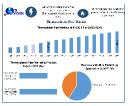
The Thermoplastic Pipe Market was valued at USD 3.86 billion in 2025 and is projected to grow at a CAGR of 4.8% from 2026 to 2034 , reaching approximately USD 5.88 billion by 2034 . The market's expansion is supported by increasing demand for corrosion-resistant piping systems, infrastructure development, and the growing use of thermoplastic materials in oil and gas, water management, and industrial applications.
Thermoplastic pipes offer several advantages over conventional metal piping, including corrosion resistance, relatively low weight, ease of installation, and reduced maintenance requirements. These characteristics make them suitable for demanding operating environments and infrastructure projects.
Growing investment in water supply networks, wastewater management, energy infrastructure, and pipeline modernization is expected to support market development throughout the forecast period. Continued improvements in reinforced and composite thermoplastic piping technologies are also creating opportunities for manufacturers.
Request the Detailed Sample Report : https://www.maximizemarketresearch.com/request-sample/31146/
Industry Fundamentals, Demand Drivers and Emerging Opportunities
Thermoplastic pipes are manufactured from polymer-based materials that can be shaped during processing and are widely used for transporting fluids and gases across residential, commercial, industrial, and energy-related applications.
Common materials include polyethylene (PE), polypropylene (PP), polyvinyl chloride (PVC), and polyvinylidene fluoride (PVDF). These materials offer different performance characteristics depending on pressure requirements, chemical exposure, temperature conditions, and intended applications.
A significant industry trend is the increasing adoption of reinforced thermoplastic pipes in oil and gas operations. These systems combine thermoplastic materials with reinforcement layers to improve mechanical performance and support demanding pipeline applications.
Major Growth Catalysts
Increasing oil and gas exploration, pipeline modernization, and the need for reliable fluid transportation systems are supporting market demand. Thermoplastic pipes are attractive in applications where corrosion resistance and reduced maintenance are important considerations.
Infrastructure investment is another important growth factor. Expanding water distribution networks, wastewater treatment facilities, and urban utility systems are increasing demand for durable and cost-effective piping solutions.
The transition toward renewable energy and improvements in industrial infrastructure are creating additional opportunities for specialized piping products.
Emerging Business Opportunities
Manufacturers can benefit from growing demand for reinforced thermoplastic pipes, composite piping solutions, and polyethylene-based products. Infrastructure expansion in developing economies also provides opportunities for suppliers serving municipal water systems, industrial facilities, and energy projects.
Technological improvements in pipe design, reinforcement materials, installation methods, and manufacturing processes may further strengthen the adoption of thermoplastic piping in applications traditionally served by metal pipelines.
Market Constraints and Industry Challenges
Despite the benefits of thermoplastic pipes, market participants must address material performance requirements, application-specific operating conditions, and competition from alternative piping systems.
The suitability of a thermoplastic pipe depends on factors such as pressure, temperature, chemical compatibility, and installation conditions. Manufacturers must ensure that their products meet the technical requirements of each application.
Changes in polymer and petrochemical feedstock costs can also affect manufacturing expenses and product pricing. In addition, the adoption of newer reinforced and composite systems may require specialized installation expertise and careful assessment of long-term operating performance.
Study Coverage, Market Boundaries and Research Approach
The report uses 2025 as the base year , includes historical data from 2020 to 2025 , and evaluates market developments over the 2026–2034 forecast period .
The study examines market revenue, product categories, polymer materials, end-user industries, applications, regional performance, and competitive developments. It also considers industry trends, growth drivers, restraints, opportunities, challenges, and strategic developments influencing market participants.
The market is classified by product type, polymer type, end-user industry, application, and geography. This framework provides an overview of demand across different piping technologies and industries.
The research coverage includes competitive benchmarking, regional market dynamics, trade analysis, regulatory considerations, technology developments, and company profiles. These elements help stakeholders assess market conditions and identify potential areas for business expansion.
Geographic Market Performance and Regional Opportunities
The Thermoplastic Pipe Market is assessed across North America, Europe, Asia Pacific, the Middle East and Africa, and South America.
Asia Pacific held the largest regional revenue share in 2025 and is expected to maintain its leading position through the forecast period. The region's growth is supported by urbanization, infrastructure development, expanding water and wastewater networks, and increasing demand for cost-effective pipeline systems.
China and India offer opportunities through investments in utility infrastructure, industrial development, and water management. The increasing use of thermoplastic materials in regional oil and gas operations also supports market demand.
North America represents an important market for thermoplastic piping, particularly in natural gas distribution, energy infrastructure, and industrial applications. Europe offers opportunities through pipeline modernization, infrastructure investment, and demand for corrosion-resistant piping solutions.
The Middle East and Africa present opportunities associated with oil and gas production, water infrastructure, and industrial development. South America offers potential through energy projects, mining activities, and improvements to water distribution systems.
Regional growth will depend on infrastructure spending, industrial activity, material availability, regulatory requirements, and the adoption of thermoplastic piping technologies.
Product Categories, Polymer Materials and Application Analysis
Product-Type Landscape
The market is segmented into Reinforced Thermoplastic Pipes (RTP) and Thermoplastic Composite Pipes (TCP) .
Reinforced Thermoplastic Pipes dominated the market in 2025. These pipes combine polymer-based materials with reinforcement layers to improve strength and performance under demanding operating conditions.
RTP systems are used in upstream oil and gas applications, including oil collection, gas gathering, water injection, and water disposal. Their spoolable construction can also offer installation advantages in suitable pipeline projects.
Thermoplastic Composite Pipes provide another solution for applications requiring specialized mechanical performance and corrosion resistance. Their suitability depends on the design, material composition, and operating conditions of the intended application.
Polymer-Type Composition
The market includes Polyethylene (PE), Polypropylene (PP), Polyvinylidene Fluoride (PVDF), Polyvinyl Chloride (PVC), and Others.
Access the Exclusive Report Sample : https://www.maximizemarketresearch.com/request-sample/31146/
Polyethylene held the largest market share in 2025 and is expected to continue growing during the forecast period. Its flexibility, corrosion resistance, lightweight construction, and suitability for gas and water distribution make it a widely used piping material.
PVC is extensively used in plumbing, water distribution, and other infrastructure applications because of its consistent material properties and practical installation characteristics.
Polypropylene and PVDF serve applications requiring particular chemical, thermal, or performance characteristics. Other polymer materials contribute to specialized piping requirements across industrial sectors.
End-User Industry Distribution
The report categorizes demand across Oil & Gas, Water & Wastewater, Mining & Dredging, and Utilities & Renewables.
The oil and gas industry uses thermoplastic piping in applications such as fluid transportation, gathering lines, water injection, and disposal systems. Corrosion resistance and reduced maintenance requirements make suitable thermoplastic systems attractive for selected operating environments.
Water and wastewater infrastructure represents another important application area, supported by demand for reliable distribution and treatment networks.
Mining and dredging operations require piping systems suited to demanding material-handling environments, while utilities and renewable energy projects provide opportunities for specialized pipeline solutions.
Application-Based Classification
The market is divided into Onshore and Offshore applications .
Onshore applications include land-based oil and gas operations, water distribution, wastewater infrastructure, mining, and industrial facilities. Offshore applications involve specialized pipeline requirements in marine and subsea environments.
The selection of thermoplastic piping for either application depends on operating pressure, temperature, mechanical loads, environmental conditions, and the technical requirements of the project.
Competitive Positioning and Leading Industry Participants
The global Thermoplastic Pipe Market includes manufacturers, polymer suppliers, pipeline technology providers, and companies serving energy, infrastructure, water management, and industrial markets.
Key companies identified in the report include:
- Advanced Drainage Systems Inc.
- Chevron Phillips Chemical
- National Oilwell Varco, L.P.
- Aetna Plastics Corporation
- Baker Hughes
- Exxon Mobil
- Polyflow, LLC
- IPEX Inc.
- Shawcor
- Magma Global
- Plastichem Limited
- PES.TEC
- FRANK GmbH
- Prysmian Group
- Saudi Arabian Amiantit
- Georg Fischer Piping Systems Ltd.
- Uponor Corporation
- KWH Group
- Cosmoplast
- AGRU Kunststofftechnik Gesellschaft M.B.H.
- Wienerberger
- Finolex Industries Ltd.
- Sasol
- Sibur
- Sekisui Industrial Piping Co., Ltd.
Competition in the market is influenced by product performance, material innovation, manufacturing capabilities, installation efficiency, pricing, and the ability to meet application-specific technical requirements.
Explore the Report Sample Before You Buy : https://www.maximizemarketresearch.com/request-sample/31146/
Industry participants are developing reinforced and composite piping solutions for energy and industrial applications while improving product performance and installation efficiency. Companies are also responding to changing raw-material costs and growing demand for durable, corrosion-resistant pipeline systems.
The report highlights developments involving reinforced thermoplastic piping portfolios, deepwater pipeline engineering, and pricing adjustments for polyethylene piping products. These developments reflect the industry's focus on product innovation, operating efficiency, and changing material costs.
Important Industry Questions and Answers
What is the current size of the Thermoplastic Pipe Market?
The global market was valued at USD 3.86 billion in 2025 .
Research Deliverables and Strategic Market Intelligence
The Thermoplastic Pipe Market report provides market-size estimates, revenue forecasts, historical analysis, and an assessment of industry growth prospects through 2034.
Its coverage includes product-type segmentation, polymer-material analysis, end-user industry assessment, application-based classification, and regional market evaluation.
The study also examines the competitive landscape, major market participants, industry trends, market drivers, restraints, opportunities, challenges, technological developments, and regulatory considerations.
Additional coverage includes regional market dynamics, company benchmarking, trade analysis, infrastructure demand, and developments in reinforced and composite thermoplastic piping systems.
These insights can help manufacturers, suppliers, investors, infrastructure developers, and other stakeholders evaluate market opportunities, understand competitive positioning, and identify potential strategies for growth in the global Thermoplastic Pipe Market.
View More Reports :
Bulk Food Ingredients Market https://www.maximizemarketresearch.com/market-report/bulk-food-ingredients-market/124758/
Ice Flaking Machine Market https://www.maximizemarketresearch.com/market-report/ice-flaking-machine-market/122940/
About Maximize Market Research
Maximize Market Research Pvt. Ltd. (MMR) is a global market research and consulting company that provides reliable, data-focused, and practical business insights. The firm serves a wide range of industries, including healthcare, pharmaceuticals, technology, automotive, electronics, chemicals, personal care, and consumer goods. Through market forecasts, competitive analysis, strategic consulting, and industry impact assessments, MMR helps organizations understand changing market conditions, identify growth opportunities, and make informed business decisions for long-term success.
Contact Us :
2nd Floor, Navale IT Park Phase 3
Pune Banglore Highway, Narhe
Pune, Maharashtra 411041, India
+91 9607365656
sales@maximizemarketresearch.com