

Blogs
Global Aircraft Jack Market Valued at US$ 4.77 Billion in 2025, Set to Reach US$ 7.04 Billion by 2034
By Sam Karan, 2026-10-12
Aircraft Jack operation requires trained aviation maintenance technicians who carefully follow manufacturer procedures to ensure balanced lifting without damaging the airframe structure.
The global aircraft jack market is poised for steady expansion over the next decade, propelled by increasing commercial flight traffic, fleet modernization programs, and the growth of Maintenance, Repair, and Overhaul (MRO) facilities worldwide. According to recent market intelligence, the global Aircraft Jack Market size is projected to reach US$ 7.04 billion by 2034 , expanding from US$ 4.77 billion in 2025 . The market is anticipated to register a compound annual growth rate ( CAGR) of 4.42% during the forecast period from 2026 to 2034.
Aircraft jacks are essential ground support equipment (GSE) designed to lift aircraft during routine maintenance, tire changes, brake servicing, structural inspections, and major overhauls. As airlines around the globe expand their routes and increase flight frequencies, demand for reliable, high-capacity, and safety-compliant ground handling equipment continues to rise rapidly.
Key Market Drivers & Growth Catalysts
-
Surging Air Passenger Traffic and Fleet Expansion- Post-pandemic recovery in international and domestic air travel has led commercial airlines to scale up their operational fleets. The influx of next-generation commercial aircraft requires modern hydraulic, tripod, and axle jacks tailored to new structural specifications and weight distributions.
-
Rise in Maintenance, Repair, and Overhaul (MRO) Activities- Aging operational fleets combined with strict safety mandates from aviation regulatory bodies such as the FAA and EASA are necessitating frequent and rigorous aircraft checks. Increased investment in regional MRO hubs, particularly across the Asia-Pacific and Middle Eastern regions, is heavily driving the adoption of advanced ground support machinery.
-
Technological Advancements and Safety Innovations- Manufacturers are focusing on developing lightweight, durable, and smart aircraft jacks equipped with digital load monitoring systems, automatic leveling features, and enhanced safety lockouts. These technological enhancements reduce human error, prevent airframe damage during lifting operations, and improve operational safety for ground crews.
Get a PDF Sample- https://www.theinsightpartners.com/sample/TIPRE00017695
Competitive Landscape & Key Industry Players
The global aircraft jack industry is characterized by active technological development, strategic partnerships, and geographic expansion among major ground support equipment manufacturers. Key market players leading innovation and supply across global aviation networks include:
-
Chiarlone Officine
-
ColumbusJACK / Regent
-
Dedienne Aerospace
-
GSE Composystem
-
HYDRO SYSTEMS KG
-
Langa Industrial, S.A.
-
Makro Aero
-
Malabar International
-
Semmco Limited
-
SOLAIR GROUP, LLC.
These key players are increasingly prioritizing the development of versatile jack solutions capable of servicing a wide variety of narrow-body, wide-body, and regional aircraft models, ensuring compatibility across emerging commercial and defense aviation fleets.
Future Outlook (2026–2034)
Looking ahead, the aircraft jack market is expected to undergo significant transformation as ground handling operations transition toward greater automation, electrification, and sustainability. Key trends shaping the future of the market include:
-
Integration of Smart Monitoring Systems: Future aircraft jacks will increasingly feature IoT-enabled sensors that provide real-time data on load strain, hydraulic pressure, and component wear, facilitating predictive maintenance and lowering downtime.
-
Focus on Eco-Friendly Operations: Manufacturers are exploring environmentally friendly hydraulic fluids and energy-efficient electric lifting mechanisms to align with global aviation sustainability targets.
-
Growth in Emerging Aviation Hubs: Expanding regional airports and airline networks in developing economies across Asia-Pacific, Latin America, and Africa will offer substantial growth opportunities for ground support equipment manufacturers over the forecast period.
With sustained growth in global air transport infrastructure and continuous equipment modernization, the aircraft jack market is set to remain a crucial backbone of safe and efficient global aviation operations through 2034.
Related Reports-
Aircraft Line Maintenance Market Growth, Trends, Analysis, Research Report
About The Insight Partners
The Insight Partners is a leading market research and consulting firm delivering actionable insights through in-depth industry analysis and strategic intelligence. The firm supports clients across various industries in making informed business decisions by providing comprehensive market forecasts, competitive assessments, and growth opportunities.
Contact Us:
If you have any queries about this report or if you would like further information, please contact us:
Contact Person: Ankit Mathur
E-mail: sales@theinsightpartners.com
Phone: +1-646-491-9876
Also Available in : Korean | German | Japanese | French | Chinese | Italian | Spanish
How Social Media Fans Style Their Alabama Fan Jersey For Game Day Photos
By TimothySMcGraw, 2026-10-12

Social media has become a big part of college football fandom, and styling your alabama fan jersey well helps you capture amazing game day photos to share online. Many fans pair their jersey with crimson hats, face paint, wristbands and team-themed accessories to build a complete look. Whether you take photos at the stadium, tailgate area or at home watch parties, your jersey stays the main focus of every shot. Simple styling tricks can make your photos stand out among thousands of Tide fan posts.
Player-specific jerseys are perfect for creating unique social media content. Ryan Williams Alabama Jerseys look fantastic in outdoor tailgate photos and attract comments from other fans. Jalen Milroe Alabama Jerseys are widely shared on Instagram and TikTok during game weekends.
You can find great photo-ready styles from Ty Simpson Alabama Jerseys , Justice Haynes Alabama Jerseys , and Germie Bernard Alabama Jerseys . Browse Top Selling Alabama Jerseys to see which styles are trending with content creators. A well-chosen alabama fan jersey helps you show your Tide pride and create shareable content all season long.
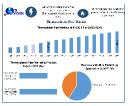
Market Revenue Trajectory and Forecast Outlook
The Thermoplastic Pipe Market was valued at USD 3.86 billion in 2025 and is projected to grow at a CAGR of 4.8% from 2026 to 2034 , reaching approximately USD 5.88 billion by 2034 . The market's expansion is supported by increasing demand for corrosion-resistant piping systems, infrastructure development, and the growing use of thermoplastic materials in oil and gas, water management, and industrial applications.
Thermoplastic pipes offer several advantages over conventional metal piping, including corrosion resistance, relatively low weight, ease of installation, and reduced maintenance requirements. These characteristics make them suitable for demanding operating environments and infrastructure projects.
Growing investment in water supply networks, wastewater management, energy infrastructure, and pipeline modernization is expected to support market development throughout the forecast period. Continued improvements in reinforced and composite thermoplastic piping technologies are also creating opportunities for manufacturers.
Request the Detailed Sample Report : https://www.maximizemarketresearch.com/request-sample/31146/
Industry Fundamentals, Demand Drivers and Emerging Opportunities
Thermoplastic pipes are manufactured from polymer-based materials that can be shaped during processing and are widely used for transporting fluids and gases across residential, commercial, industrial, and energy-related applications.
Common materials include polyethylene (PE), polypropylene (PP), polyvinyl chloride (PVC), and polyvinylidene fluoride (PVDF). These materials offer different performance characteristics depending on pressure requirements, chemical exposure, temperature conditions, and intended applications.
A significant industry trend is the increasing adoption of reinforced thermoplastic pipes in oil and gas operations. These systems combine thermoplastic materials with reinforcement layers to improve mechanical performance and support demanding pipeline applications.
Major Growth Catalysts
Increasing oil and gas exploration, pipeline modernization, and the need for reliable fluid transportation systems are supporting market demand. Thermoplastic pipes are attractive in applications where corrosion resistance and reduced maintenance are important considerations.
Infrastructure investment is another important growth factor. Expanding water distribution networks, wastewater treatment facilities, and urban utility systems are increasing demand for durable and cost-effective piping solutions.
The transition toward renewable energy and improvements in industrial infrastructure are creating additional opportunities for specialized piping products.
Emerging Business Opportunities
Manufacturers can benefit from growing demand for reinforced thermoplastic pipes, composite piping solutions, and polyethylene-based products. Infrastructure expansion in developing economies also provides opportunities for suppliers serving municipal water systems, industrial facilities, and energy projects.
Technological improvements in pipe design, reinforcement materials, installation methods, and manufacturing processes may further strengthen the adoption of thermoplastic piping in applications traditionally served by metal pipelines.
Market Constraints and Industry Challenges
Despite the benefits of thermoplastic pipes, market participants must address material performance requirements, application-specific operating conditions, and competition from alternative piping systems.
The suitability of a thermoplastic pipe depends on factors such as pressure, temperature, chemical compatibility, and installation conditions. Manufacturers must ensure that their products meet the technical requirements of each application.
Changes in polymer and petrochemical feedstock costs can also affect manufacturing expenses and product pricing. In addition, the adoption of newer reinforced and composite systems may require specialized installation expertise and careful assessment of long-term operating performance.
Study Coverage, Market Boundaries and Research Approach
The report uses 2025 as the base year , includes historical data from 2020 to 2025 , and evaluates market developments over the 2026–2034 forecast period .
The study examines market revenue, product categories, polymer materials, end-user industries, applications, regional performance, and competitive developments. It also considers industry trends, growth drivers, restraints, opportunities, challenges, and strategic developments influencing market participants.
The market is classified by product type, polymer type, end-user industry, application, and geography. This framework provides an overview of demand across different piping technologies and industries.
The research coverage includes competitive benchmarking, regional market dynamics, trade analysis, regulatory considerations, technology developments, and company profiles. These elements help stakeholders assess market conditions and identify potential areas for business expansion.
Geographic Market Performance and Regional Opportunities
The Thermoplastic Pipe Market is assessed across North America, Europe, Asia Pacific, the Middle East and Africa, and South America.
Asia Pacific held the largest regional revenue share in 2025 and is expected to maintain its leading position through the forecast period. The region's growth is supported by urbanization, infrastructure development, expanding water and wastewater networks, and increasing demand for cost-effective pipeline systems.
China and India offer opportunities through investments in utility infrastructure, industrial development, and water management. The increasing use of thermoplastic materials in regional oil and gas operations also supports market demand.
North America represents an important market for thermoplastic piping, particularly in natural gas distribution, energy infrastructure, and industrial applications. Europe offers opportunities through pipeline modernization, infrastructure investment, and demand for corrosion-resistant piping solutions.
The Middle East and Africa present opportunities associated with oil and gas production, water infrastructure, and industrial development. South America offers potential through energy projects, mining activities, and improvements to water distribution systems.
Regional growth will depend on infrastructure spending, industrial activity, material availability, regulatory requirements, and the adoption of thermoplastic piping technologies.
Product Categories, Polymer Materials and Application Analysis
Product-Type Landscape
The market is segmented into Reinforced Thermoplastic Pipes (RTP) and Thermoplastic Composite Pipes (TCP) .
Reinforced Thermoplastic Pipes dominated the market in 2025. These pipes combine polymer-based materials with reinforcement layers to improve strength and performance under demanding operating conditions.
RTP systems are used in upstream oil and gas applications, including oil collection, gas gathering, water injection, and water disposal. Their spoolable construction can also offer installation advantages in suitable pipeline projects.
Thermoplastic Composite Pipes provide another solution for applications requiring specialized mechanical performance and corrosion resistance. Their suitability depends on the design, material composition, and operating conditions of the intended application.
Polymer-Type Composition
The market includes Polyethylene (PE), Polypropylene (PP), Polyvinylidene Fluoride (PVDF), Polyvinyl Chloride (PVC), and Others.
Access the Exclusive Report Sample : https://www.maximizemarketresearch.com/request-sample/31146/
Polyethylene held the largest market share in 2025 and is expected to continue growing during the forecast period. Its flexibility, corrosion resistance, lightweight construction, and suitability for gas and water distribution make it a widely used piping material.
PVC is extensively used in plumbing, water distribution, and other infrastructure applications because of its consistent material properties and practical installation characteristics.
Polypropylene and PVDF serve applications requiring particular chemical, thermal, or performance characteristics. Other polymer materials contribute to specialized piping requirements across industrial sectors.
End-User Industry Distribution
The report categorizes demand across Oil & Gas, Water & Wastewater, Mining & Dredging, and Utilities & Renewables.
The oil and gas industry uses thermoplastic piping in applications such as fluid transportation, gathering lines, water injection, and disposal systems. Corrosion resistance and reduced maintenance requirements make suitable thermoplastic systems attractive for selected operating environments.
Water and wastewater infrastructure represents another important application area, supported by demand for reliable distribution and treatment networks.
Mining and dredging operations require piping systems suited to demanding material-handling environments, while utilities and renewable energy projects provide opportunities for specialized pipeline solutions.
Application-Based Classification
The market is divided into Onshore and Offshore applications .
Onshore applications include land-based oil and gas operations, water distribution, wastewater infrastructure, mining, and industrial facilities. Offshore applications involve specialized pipeline requirements in marine and subsea environments.
The selection of thermoplastic piping for either application depends on operating pressure, temperature, mechanical loads, environmental conditions, and the technical requirements of the project.
Competitive Positioning and Leading Industry Participants
The global Thermoplastic Pipe Market includes manufacturers, polymer suppliers, pipeline technology providers, and companies serving energy, infrastructure, water management, and industrial markets.
Key companies identified in the report include:
- Advanced Drainage Systems Inc.
- Chevron Phillips Chemical
- National Oilwell Varco, L.P.
- Aetna Plastics Corporation
- Baker Hughes
- Exxon Mobil
- Polyflow, LLC
- IPEX Inc.
- Shawcor
- Magma Global
- Plastichem Limited
- PES.TEC
- FRANK GmbH
- Prysmian Group
- Saudi Arabian Amiantit
- Georg Fischer Piping Systems Ltd.
- Uponor Corporation
- KWH Group
- Cosmoplast
- AGRU Kunststofftechnik Gesellschaft M.B.H.
- Wienerberger
- Finolex Industries Ltd.
- Sasol
- Sibur
- Sekisui Industrial Piping Co., Ltd.
Competition in the market is influenced by product performance, material innovation, manufacturing capabilities, installation efficiency, pricing, and the ability to meet application-specific technical requirements.
Explore the Report Sample Before You Buy : https://www.maximizemarketresearch.com/request-sample/31146/
Industry participants are developing reinforced and composite piping solutions for energy and industrial applications while improving product performance and installation efficiency. Companies are also responding to changing raw-material costs and growing demand for durable, corrosion-resistant pipeline systems.
The report highlights developments involving reinforced thermoplastic piping portfolios, deepwater pipeline engineering, and pricing adjustments for polyethylene piping products. These developments reflect the industry's focus on product innovation, operating efficiency, and changing material costs.
Important Industry Questions and Answers
What is the current size of the Thermoplastic Pipe Market?
The global market was valued at USD 3.86 billion in 2025 .
Research Deliverables and Strategic Market Intelligence
The Thermoplastic Pipe Market report provides market-size estimates, revenue forecasts, historical analysis, and an assessment of industry growth prospects through 2034.
Its coverage includes product-type segmentation, polymer-material analysis, end-user industry assessment, application-based classification, and regional market evaluation.
The study also examines the competitive landscape, major market participants, industry trends, market drivers, restraints, opportunities, challenges, technological developments, and regulatory considerations.
Additional coverage includes regional market dynamics, company benchmarking, trade analysis, infrastructure demand, and developments in reinforced and composite thermoplastic piping systems.
These insights can help manufacturers, suppliers, investors, infrastructure developers, and other stakeholders evaluate market opportunities, understand competitive positioning, and identify potential strategies for growth in the global Thermoplastic Pipe Market.
View More Reports :
Bulk Food Ingredients Market https://www.maximizemarketresearch.com/market-report/bulk-food-ingredients-market/124758/
Ice Flaking Machine Market https://www.maximizemarketresearch.com/market-report/ice-flaking-machine-market/122940/
About Maximize Market Research
Maximize Market Research Pvt. Ltd. (MMR) is a global market research and consulting company that provides reliable, data-focused, and practical business insights. The firm serves a wide range of industries, including healthcare, pharmaceuticals, technology, automotive, electronics, chemicals, personal care, and consumer goods. Through market forecasts, competitive analysis, strategic consulting, and industry impact assessments, MMR helps organizations understand changing market conditions, identify growth opportunities, and make informed business decisions for long-term success.
Contact Us :
2nd Floor, Navale IT Park Phase 3
Pune Banglore Highway, Narhe
Pune, Maharashtra 411041, India
+91 9607365656
sales@maximizemarketresearch.com
However, many businesses face unexpected challenges after their ERP system goes live.
Employees struggle with new processes, reports do not match expectations, inventory records become unreliable, and teams continue using spreadsheets alongside the ERP system. In some cases, the system is technically working, but the business is not getting the expected results.
These problems do not always mean the ERP software is unsuitable. More often, they indicate gaps in planning, implementation, training, data management, or post-implementation support.
Understanding why ERP projects struggle after implementation helps businesses identify problems early and improve the value of their ERP investment.
What Happens After an ERP System Goes Live?
ERP go-live is the point when a business starts using its new system for daily activities. Employees begin processing transactions, managing inventory, recording purchases, tracking production, and generating reports through the ERP platform.
Although go-live is an important milestone, it does not mean the ERP project is complete.
During implementation, businesses usually test selected workflows using controlled data and predefined scenarios. Once the system goes live, it must handle actual transactions, operational exceptions, changing requirements, and different user behaviours.
This is when previously unnoticed problems often become visible.
For example, a manufacturing company may successfully test its production planning process before implementation. However, after go-live, differences between actual raw material consumption and system records may affect production schedules.
Similarly, a distribution company may discover that its warehouse processes are not properly connected with purchasing and sales transactions.
These issues can slow operations and reduce employee confidence in the system.
A successful ERP implementation therefore requires more than technical deployment. Businesses must ensure that their people, processes, data, and systems continue working together after go-live.
Poor Business Process Planning Creates Problems After Implementation
One of the most common reasons ERP projects struggle is inadequate business process planning.
Many companies focus heavily on software features and implementation timelines without fully understanding how their existing operations work.
ERP systems connect multiple departments. A decision made in procurement can affect inventory, accounting, production, and order fulfilment.
When these dependencies are not properly considered, operational problems appear after implementation.
Existing Process Gaps Remain Unresolved
An ERP system cannot automatically correct inefficient business processes.
If a company has unclear approval responsibilities, inconsistent inventory procedures, or poorly defined production workflows, these problems may continue in the new system.
For example, a business may implement an automated purchase approval process without clearly defining who can approve different purchase values.
The result may be delayed purchase orders, unnecessary approvals, and confusion between departments.
Before implementing ERP, businesses should review their existing processes, identify gaps, and define how activities should work in the new system.
This helps ensure that ERP supports practical operational requirements rather than simply transferring existing problems into new software.
Inaccurate Master Data Affects ERP Performance
ERP systems depend on accurate data to support daily operations and reporting.
Product details, supplier records, customer information, bills of materials, inventory balances, pricing, and accounting information must be properly maintained.
When incorrect or incomplete data enters the ERP system, it can create problems across multiple departments.
Poor Data Migration Leads to Operational Errors
Data migration involves transferring information from existing systems, spreadsheets, or databases into the new ERP platform.
If this process is rushed, businesses may transfer duplicate records, outdated information, or inconsistent data.
For example, a manufacturing company may have different product codes for the same raw material across departments.
After migration, these differences can affect inventory calculations, material planning, procurement, and production reporting.
Similarly, incorrect opening stock balances may create differences between physical inventory and system records.
Businesses should clean, validate, and reconcile important data before go-live.
Data ownership is equally important. Teams must know who is responsible for maintaining accurate records after implementation.
Without proper data management, even a well-configured ERP system can produce unreliable results.
Employees Are Not Fully Prepared to Use the ERP System
ERP implementation changes how employees perform their daily work.
Tasks that previously involved spreadsheets, emails, or manual approvals may now require employees to follow defined workflows inside the ERP system.
These changes can create difficulties when users are not properly trained.
Limited Training Reduces ERP Adoption
Many ERP projects include training sessions before go-live. However, these sessions may focus on demonstrating software features rather than explaining actual job responsibilities.
Employees might understand how to navigate the system but struggle to complete real transactions.
For example, a warehouse employee may know how to open the stock module but may not understand the correct process for recording material transfers, stock adjustments, or returns.
When users encounter difficulties, they often return to familiar manual methods.
This creates parallel processes where some information is maintained in ERP while other information remains in spreadsheets.
Over time, these differences reduce data accuracy and operational visibility.
Training should be based on individual roles and real business scenarios. Employees also need continued guidance after go-live, particularly when handling transactions they have not encountered before.
ERP Customization Does Not Match Actual Business Requirements
ERP customization allows businesses to adapt software to specific operational needs.
However, unnecessary or poorly planned customization can make the system difficult to maintain.
Some businesses request extensive changes because employees want the new ERP system to behave exactly like their previous software.
Others approve custom features without fully understanding their impact on connected processes.
Excessive Customization Creates Long-Term Challenges
Every customization introduces additional requirements for testing, maintenance, and future upgrades.
A change in the purchasing process, for example, may affect inventory valuation, supplier reporting, or accounting entries.
If these dependencies are not evaluated, problems may appear after implementation.
Businesses should first understand whether standard ERP features can meet their requirements.
Customization should address genuine operational needs rather than individual preferences.
It is also important to document custom workflows and test them whenever the system is upgraded or modified.
This helps businesses maintain stability while adapting ERP to changing requirements.
Integration Problems Affect Connected Business Systems
Most businesses use multiple software applications alongside their ERP platform.
These may include e-commerce platforms, warehouse management systems, payment gateways, logistics applications, payroll systems, or customer relationship management tools.
ERP integration allows information to move between these systems without repeated manual entry.
However, integration problems can affect daily operations.
Incomplete Integrations Create Data Differences
Consider a retail business that connects its online store with ERP.
If sales orders are transferred correctly but stock updates are delayed, the business may display incorrect product availability.
This can lead to overselling, order cancellations, and customer dissatisfaction.
Similarly, a distribution company may experience delays when shipment information is not properly synchronized between its ERP and logistics systems.
Integration testing should cover real transaction volumes, errors, duplicate records, and unexpected interruptions.
Businesses also need monitoring processes to identify failed transactions and resolve them quickly.
Without proper integration management, teams may spend considerable time manually correcting information across different systems.
Lack of Post-Implementation Support Slows ERP Stabilization
Many ERP projects receive significant attention during planning, development, and implementation.
However, support often becomes limited once the system goes live.
This creates a gap between technical implementation and operational stability.
ERP Go-Live Requires a Stabilization Period
During the initial weeks after go-live, employees may encounter unexpected errors, configuration issues, reporting differences, and process-related questions.
These situations are common when a new ERP system begins handling actual business operations.
Without dedicated support, small problems can remain unresolved and gradually affect multiple departments.
For example, an incorrect inventory transaction may influence stock availability, procurement planning, and production scheduling.
Post-go-live support helps businesses identify these issues, understand their causes, and implement corrections before they become larger operational problems.
ERP Hypercare is a structured support approach used during this stabilization period.
It typically involves closer monitoring, faster issue resolution, user assistance, and regular reviews of critical business processes.
The objective is to help the organization move from initial system adoption to stable daily operations.
Businesses Focus on Go-Live Instead of ERP Performance
Another reason ERP projects struggle is that implementation success is often measured only by whether the system goes live on schedule.
Completing implementation within the planned timeline is important, but it does not necessarily mean the ERP system is delivering business value.
A company may successfully deploy ERP while continuing to experience delayed reporting, inventory discrepancies, or manual reconciliation.
ERP Success Requires Measurable Business Improvements
Businesses should evaluate ERP performance against their original objectives.
For a manufacturing company, this may involve improving production planning accuracy, reducing material shortages, or tracking actual production costs.
For a distribution business, success may mean better inventory visibility, faster order processing, and fewer stock discrepancies.
Retail businesses may focus on stock availability, purchasing efficiency, and visibility across multiple stores.
These operational measures help management understand whether ERP is improving business performance.
Regular reviews also reveal where workflows, configurations, or employee training need improvement.
Without measurable objectives, companies may continue investing in ERP without understanding whether it is producing the expected results.
Changing Business Requirements Are Not Managed Properly
Business requirements rarely remain unchanged after ERP implementation.
Companies introduce new products, open warehouses, expand into new markets, change approval structures, or adopt additional technology.
An ERP system must support these developments.
However, changes made without proper planning can affect existing processes.
For example, a company expanding from one warehouse to several locations may need revised stock transfer workflows, warehouse permissions, and consolidated inventory reporting.
If these requirements are not properly configured, teams may struggle to manage stock across locations.
Businesses should establish a clear process for reviewing and approving ERP changes.
This includes understanding the business requirement, evaluating its impact, testing the solution, and training affected users.
A structured approach helps the ERP system remain useful as operations grow.
How Can Businesses Improve ERP Performance After Implementation?
Businesses experiencing ERP difficulties do not always need to replace their existing system.
In many cases, the problems can be addressed through a detailed review of current processes, configurations, data quality, and user adoption.
An ERP health check is a useful starting point.
It helps identify where the system is not meeting operational requirements and whether the problems are related to software configuration, business processes, integrations, or employee training.
Once the issues are understood, businesses can prioritize improvements based on their operational impact.
For example, correcting inventory accuracy may be more urgent than introducing new reporting features.
Similarly, resolving production planning problems may deliver greater value than developing additional customizations.
ERP optimization should focus on improving existing processes before introducing unnecessary complexity.
Ongoing system reviews, employee training, and technical support help businesses maintain performance as requirements change.
How Indictrans Tech Helps Businesses Resolve ERP Challenges After Implementation
At Indictrans , we understand that ERP challenges often become more visible after implementation, when the system begins supporting actual business operations.
With over 17 years of ERP experience, we work with manufacturing , retail , and distribution businesses to identify operational gaps, resolve system issues, and improve ERP performance.
Our approach begins with understanding how the business uses its ERP system and where daily processes are facing difficulties.
ERP Health Checks and Process Assessments
We assess existing ERP configurations, business workflows, master data, integrations, and reporting requirements to identify issues affecting system performance.
For manufacturing businesses, this may include reviewing production planning, bills of materials, material consumption, inventory movement, and costing.
For retail and distribution companies, we examine procurement, warehouse processes, order management, inventory visibility, and connected systems.
These assessments help businesses understand what needs to be corrected and where improvements can deliver the greatest operational value.
ERPNext Hypercare and Post-Go-Live Support
As a Frappe Gold Partner, Indictrans provides ERPNext Hypercare services to help businesses stabilize their systems after go-live.
Our functional and technical teams support users, investigate issues, correct configuration problems, and help maintain continuity across important business processes.
This is particularly useful for companies experiencing operational disruptions during the initial stages of ERP adoption.
ERPNext Success Packages and System Optimization
For businesses already using ERPNext, our Success Packages provide support for existing system issues, process improvements, customization, integrations, and ongoing development requirements.
We help companies improve the ERP system they already have instead of recommending unnecessary replacement or redevelopment.
Our focus is on practical improvements that make daily operations easier to manage and help businesses get more value from their ERP investment.
Conclusion
ERP projects often struggle after implementation because businesses underestimate the importance of process planning, data accuracy, employee training, integration testing, and post-go-live support.
A successful ERP project does not end when the system goes live. It requires continuous monitoring, operational improvements, and support as business requirements change.
Companies that regularly review ERP performance and address issues early are better positioned to improve efficiency, maintain accurate information, and achieve long-term value from their systems.
If your ERP system is live but not delivering the expected results, Indictrans Tech can help you identify the gaps and plan practical improvements.
Tacrolimus Ointment Market Market Overview: Trends, Drivers & Strategic Analysis
By Shubham20, 2026-10-12

Tacrolimus Ointment Market Overview
The Tacrolimus Ointment Market encompasses the global trade and application of a topical immunosuppressive agent primarily used to treat inflammatory skin conditions such as atopic dermatitis and eczema. Its core functionality lies in modulating immune responses locally without the extensive side effects associated with systemic corticosteroids. This market serves a critical role in dermatology by providing an alternative therapeutic option that supports patient compliance and improved quality of life.
In modern healthcare, the Tacrolimus Ointment Market is integral to managing chronic dermatological disorders, thereby reducing hospital visits and healthcare costs. The ointment’s ability to inhibit T-cell activation positions it as a valuable asset in personalized medicine and dermatology-focused treatment regimens. As healthcare systems increasingly emphasize targeted therapies, the demand for tacrolimus ointment reflects broader trends in precision medicine and outpatient care.
Market Size and Growth
The global Tacrolimus Ointment Market is estimated to be valued at approximately USD 1.2 billion in 2024. Projections suggest it could reach around USD 2.1 billion by 2032, exhibiting a compound annual growth rate (CAGR) of about 7.2% during this period. Growth is primarily driven by rising prevalence of chronic skin disorders, increasing geriatric population, and expanding awareness of topical immunomodulators.
Additional factors contributing to market expansion include enhanced healthcare infrastructure in emerging economies and ongoing clinical advancements that improve the efficacy and safety profile of tacrolimus formulations. The shift towards non-steroidal anti-inflammatory treatments also underpins steady demand growth.
Get free sample copy of report : https://marketresearchiq.com/sample-request?report=tacrolimus-ointment-market
Key Drivers
- Increasing incidence of atopic dermatitis and eczema globally
- Rising preference for non-steroidal topical treatments
- Growing elderly population with chronic skin conditions
- Expansion of healthcare access in emerging markets
- Advancements in formulation technology enhancing drug delivery
Restraints
- High cost of tacrolimus ointment compared to generic corticosteroids
- Regulatory hurdles and lengthy approval processes
- Potential side effects limiting patient adherence
- Limited awareness in rural and underdeveloped regions
- Competition from alternative immunosuppressive therapies
Segmentation
- By Type: 0.03% Tacrolimus ointment, 0.1% Tacrolimus ointment
- By Deployment: Hospital pharmacies, Retail pharmacies, Online pharmacies
- By Enterprise Size: Small and Medium Enterprises (SMEs), Large Enterprises
- By End User: Hospitals, Dermatology Clinics, Home Care Settings
- By Region: North America, Europe, Asia-Pacific, Latin America, Middle East & Africa
Regional Insights
North America holds a dominant position due to advanced healthcare infrastructure, high awareness levels, and substantial R&D investment. The region witnesses strong adoption in both hospital and outpatient settings.
Europe demonstrates steady growth driven by increasing prevalence of dermatological diseases and well-established regulatory frameworks supporting market entry.
Asia-Pacific is emerging as a high-growth market fueled by expanding healthcare access, rising disposable incomes, and growing patient awareness in countries like China and India.
Latin America shows moderate growth with increasing healthcare expenditures and gradual adoption of advanced dermatological treatments.
The Middle East & Africa region is developing, with demand primarily concentrated in urban centers and driven by improved healthcare services and rising chronic disease burden.
Opportunities
- Expansion into emerging markets with unmet dermatological needs
- Development of novel formulations for enhanced patient compliance
- Integration of digital health platforms for patient monitoring
- Collaborations for biosimilar and generic product launches
- Adoption of personalized medicine approaches in dermatology
Key Companies
Lupin Limited
Mylan N.V.
Sun Pharmaceutical Industries Ltd.
Fresenius Kabi AG
Sandoz International GmbH
Baxter International Inc.
Aurobindo Pharma Limited
Dr. Reddy’s Laboratories Ltd.
Cipla Inc.
Teva Pharmaceutical Industries Ltd.
Zydus Cadila
Torrent Pharmaceuticals Ltd.
Conclusion
The Tacrolimus Ointment Market is poised for sustained growth driven by evolving treatment paradigms and increasing demand for effective topical immunomodulators. Its strategic importance in managing chronic dermatological conditions underscores significant long-term potential. Continued innovation and geographic expansion will be critical to capturing emerging opportunities within this dynamic market.
Related Reports
Palm Kernel Shell Market Market, Size Share and Analysis | Report 2033
Potassium Hydroxide Market Report Market, Size Share and Analysis | Report 2033
Fiberglass Geogrid Market Market, Size Share and Analysis | Report 2033
Non Ferrous Metals Market Analysis Market, Size Share and Analysis | Report 2033
Microfibrillated Cellulose Market Report Market, Size Share and Analysis | Report 2033
Plastic Manhole Cover Market Market, Size Share and Analysis | Report 2033
Grid Forming Inverter Market Global Industry Analysis And Forecast Market, Size Share and Analysis | Report 2033
Global Drone Simulator Market 2026 2035 Market, Size Share and Analysis | Report 2033
Low Altitude Defense Radar Market Analysis Market, Size Share and Analysis | Report 2033
Tree Planting Services Market 2026 2031 Market, Size Share and Analysis | Report 2033
About Us
At Market Research IQ , we provide reliable, insightful, and up-to-date market intelligence designed to help businesses make confident, data-driven decisions. Our research covers a wide range of industries and emerging markets, bringing together relevant information from credible sources and comprehensive market analysis.
Our reports are developed to provide clear insights into market trends, competitive landscapes, growth opportunities, key industry developments, and evolving customer and business dynamics. We focus on delivering practical research that helps organizations identify opportunities, understand market shifts, evaluate business potential, and plan effective growth strategies.
With expertise across diverse industry sectors, our research team also supports custom research requirements tailored to specific business objectives. Whether you are exploring a new market, evaluating an opportunity, assessing competition, or seeking deeper industry intelligence, Market Research IQ is committed to providing research solutions aligned with your needs.
We continuously enhance and update our research to reflect changing market conditions, helping our clients stay informed, competitive, and prepared for what comes next.
Contact Us
Market Research IQ
India
Email: support@marketresearchiq.com
Saudi Arabia Car Rental And Leasing Market Market Overview: Trends, Drivers & Strategic Analysis
By Shubham20, 2026-10-12

Saudi Arabia Car Rental And Leasing Market
Overview
The Saudi Arabia Car Rental And Leasing Market encompasses services that provide vehicles on a temporary or long-term basis to businesses and consumers. It facilitates mobility solutions essential for corporate operations, tourism, and personal transportation. Core functionalities include vehicle availability, flexible rental terms, and fleet management, supporting the transportation needs of diverse sectors such as logistics, hospitality, and government services.
This market plays a vital role in supporting modern industries by integrating technology-driven fleet tracking, online booking platforms, and electric vehicle adoption. Saudi Arabia Car Rental And Leasing Market is increasingly aligned with smart city initiatives and mobility-as-a-service models, enhancing operational efficiency and reducing ownership costs for enterprises.
Market Size and Growth
The Saudi Arabia Car Rental And Leasing Market is estimated to be valued at approximately USD 2.5 billion in 2024. It is projected to reach around USD 4.5 billion by 2032, registering a compound annual growth rate (CAGR) of about 7.1% during the forecast period. Growth is primarily driven by rising tourism activities, expanding urbanization, and government investments in infrastructure development. Increasing demand for corporate leasing solutions and the shift towards electric and hybrid vehicles are also significant contributors.
Get free sample copy of report : https://marketresearchiq.com/sample-request?report=saudi-arabia-car-rental-and-leasing-market
Key Drivers
- Expansion of tourism and business travel in Saudi Arabia
- Government initiatives promoting car leasing for public sector efficiency
- Growing preference for flexible mobility solutions over vehicle ownership
- Technological advancements in fleet management and telematics
- Rising adoption of electric and hybrid vehicles in rental fleets
Restraints
- High upfront costs for electric vehicle integration
- Regulatory complexities related to vehicle insurance and licensing
- Limited consumer awareness about leasing benefits
- Maintenance and operational challenges in harsh climatic conditions
Segmentation
- By Type: Short-term Rental, Long-term Leasing
- By Deployment: On-premise, Cloud-based
- By Enterprise Size: Small and Medium Enterprises, Large Enterprises
- By End User: Corporate, Individual, Government
- By Region: Riyadh, Jeddah, Eastern Province, Other Regions
Regional Insights
North America shows mature demand for advanced car rental and leasing technologies, emphasizing electric fleet integration and digital platforms. Europe focuses on sustainability and regulatory compliance, driving growth in electric and hybrid vehicle leasing. Asia-Pacific exhibits rapid market expansion fueled by urbanization and rising middle-class consumers. Latin America is emerging with increasing corporate leasing adoption amid economic development. The Middle East & Africa, particularly Saudi Arabia, demonstrates strong growth potential due to infrastructure investments and growing tourism sectors.
Opportunities
- Expansion of electric vehicle fleets and charging infrastructure
- Development of AI-driven fleet management systems
- Integration with smart city and mobility-as-a-service platforms
- Increased corporate adoption of flexible leasing models
- Growth in tourism-related vehicle rental services
Key Companies
Avis Budget Group
Hertz Global Holdings
Sixt SE
Enterprise Holdings
Al Wefaq Rent A Car
Budget Saudi Arabia
Aljomaih Automotive Company
National Car Rental
Dollar Thrifty Automotive Group
Mawared Leasing Company
Al Futtaim Automotive
Conclusion
The Saudi Arabia Car Rental And Leasing Market presents robust long-term growth prospects driven by urbanization, digital transformation, and sustainability trends. Its strategic importance lies in enabling flexible, technology-enabled mobility solutions that meet evolving enterprise and consumer demands. Continued innovation and government support will further strengthen the market’s position within the region’s dynamic transportation landscape.
Related Reports
Intralogistics Market Analysis Market, Size Share and Analysis | Report 2033
Global Electric Passenger Car Market Market, Size Share and Analysis | Report 2033
India Electric Vehicle Market Market, Size Share and Analysis | Report 2033
Global Automotive Tire Market Market, Size Share and Analysis | Report 2033
North America Used Car Market Market, Size Share and Analysis | Report 2033
Global Autonomous Vehicle Market Report Market, Size Share and Analysis | Report 2033
About Us
At Market Research IQ , we provide reliable, insightful, and up-to-date market intelligence designed to help businesses make confident, data-driven decisions. Our research covers a wide range of industries and emerging markets, bringing together relevant information from credible sources and comprehensive market analysis.
Our reports are developed to provide clear insights into market trends, competitive landscapes, growth opportunities, key industry developments, and evolving customer and business dynamics. We focus on delivering practical research that helps organizations identify opportunities, understand market shifts, evaluate business potential, and plan effective growth strategies.
With expertise across diverse industry sectors, our research team also supports custom research requirements tailored to specific business objectives. Whether you are exploring a new market, evaluating an opportunity, assessing competition, or seeking deeper industry intelligence, Market Research IQ is committed to providing research solutions aligned with your needs.
We continuously enhance and update our research to reflect changing market conditions, helping our clients stay informed, competitive, and prepared for what comes next.
Contact Us
Market Research IQ
India
Email: support@marketresearchiq.com
Potassium Hydroxide Market Report Market Overview: Trends, Drivers & Strategic Analysis
By Shubham20, 2026-10-12

Potassium Hydroxide Market Report Market
Overview
The Potassium Hydroxide market encompasses the production, distribution, and application of potassium hydroxide, a highly versatile inorganic compound used in various industrial processes. It serves critical functions such as pH regulation, chemical synthesis, and as a key reagent in manufacturing soaps, detergents, and batteries. Its importance lies in supporting sectors that demand strong alkaline solutions, making it indispensable for modern chemical and manufacturing industries.
Potassium Hydroxide Market Report Market plays a vital role in enabling advancements in sustainable energy storage, agricultural chemicals, and water treatment technologies. The compound’s core functionalities include neutralization, saponification, and catalysis, which facilitate innovations across automotive, electronics, and pharmaceutical sectors. This market supports the scalability and efficiency of processes crucial to the evolving industrial landscape.
Market Size and Growth
The global Potassium Hydroxide market is estimated to be valued at approximately USD 2.1 billion in 2024. Projections suggest the market will reach around USD 3.5 billion by 2032, expanding at a compound annual growth rate (CAGR) of about 6.2%. Growth is primarily driven by increasing demand in the battery manufacturing sector, rising industrial chemical applications, and expanding use in agricultural fertilizers.
Get free sample copy of report : https://marketresearchiq.com/sample-request?report=potassium-hydroxide-market-report
Key Drivers
- Growing demand for electric vehicle batteries requiring potassium hydroxide electrolytes
- Expansion of the personal care and detergent industries
- Increasing adoption in sustainable agriculture for soil pH management
- Rising industrialization in emerging economies
- Advances in water treatment and purification technologies
Restraints
- High production costs impacting profit margins
- Stringent environmental regulations on chemical handling and disposal
- Volatility in raw material prices affecting supply chains
- Technical challenges in scaling production sustainably
Segmentation
- By Type: Flakes, Liquid, Pellets
- By Deployment: Bulk Supply, Packaged Solutions
- By Enterprise Size: Small and Medium Enterprises (SMEs), Large Enterprises
- By End User: Chemical Manufacturing, Agriculture, Electronics, Pharmaceuticals, Water Treatment, Personal Care
- By Region: North America, Europe, Asia-Pacific, Latin America, Middle East & Africa
Regional Insights
North America demonstrates steady growth due to robust demand from the automotive and electronics sectors, coupled with stringent environmental standards promoting cleaner chemical processes. Europe’s market is driven by regulatory focus on sustainable agriculture and increased investment in renewable energy storage technologies. Asia-Pacific is the fastest-growing region, fueled by rapid industrialization, expanding manufacturing bases, and rising consumer goods production. Latin America shows moderate growth with increasing adoption in agriculture and water treatment applications. The Middle East & Africa region is witnessing gradual uptake influenced by expanding petrochemical industries and infrastructure development projects.
Opportunities
- Development of potassium hydroxide-based electrolytes for next-generation batteries
- Integration into green chemical manufacturing and bio-based product formulations
- Expansion in emerging markets with growing industrial and agricultural sectors
- Innovation in safer, eco-friendly production methods
- Strategic partnerships for regional market penetration
Key Companies
BASF SE
The Dow Chemical Company
Olin Corporation
Nouryon
Tokuyama Corporation
K+S Aktiengesellschaft
Livent Corporation
Solvay SA
OCI Company Ltd.
Aditya Birla Chemicals
Tessenderlo Group
Mosaic Company
Conclusion
The Potassium Hydroxide market is positioned for sustained expansion, driven by its strategic role in diverse industrial applications and emerging technologies. Long-term growth potential remains strong as industries increasingly rely on potassium hydroxide for innovative solutions in energy storage, agriculture, and environmental management. Maintaining focus on cost efficiency and regulatory compliance will be essential to capitalize on this market’s evolving opportunities.
Related Reports
Palm Kernel Shell Market Market, Size Share and Analysis | Report 2033
Tacrolimus Ointment Market Market, Size Share and Analysis | Report 2033
Fiberglass Geogrid Market Market, Size Share and Analysis | Report 2033
Non Ferrous Metals Market Analysis Market, Size Share and Analysis | Report 2033
Microfibrillated Cellulose Market Report Market, Size Share and Analysis | Report 2033
Plastic Manhole Cover Market Market, Size Share and Analysis | Report 2033
Grid Forming Inverter Market Global Industry Analysis And Forecast Market, Size Share and Analysis | Report 2033
Global Drone Simulator Market 2026 2035 Market, Size Share and Analysis | Report 2033
Low Altitude Defense Radar Market Analysis Market, Size Share and Analysis | Report 2033
Tree Planting Services Market 2026 2031 Market, Size Share and Analysis | Report 2033
About Us
At Market Research IQ , we provide reliable, insightful, and up-to-date market intelligence designed to help businesses make confident, data-driven decisions. Our research covers a wide range of industries and emerging markets, bringing together relevant information from credible sources and comprehensive market analysis.
Our reports are developed to provide clear insights into market trends, competitive landscapes, growth opportunities, key industry developments, and evolving customer and business dynamics. We focus on delivering practical research that helps organizations identify opportunities, understand market shifts, evaluate business potential, and plan effective growth strategies.
With expertise across diverse industry sectors, our research team also supports custom research requirements tailored to specific business objectives. Whether you are exploring a new market, evaluating an opportunity, assessing competition, or seeking deeper industry intelligence, Market Research IQ is committed to providing research solutions aligned with your needs.
We continuously enhance and update our research to reflect changing market conditions, helping our clients stay informed, competitive, and prepared for what comes next.
Contact Us
Market Research IQ
India
Email: support@marketresearchiq.com
Palm Kernel Shell Market Market Overview: Trends, Drivers & Strategic Analysis
By Shubham20, 2026-10-12

Palm Kernel Shell Market Overview
The Palm Kernel Shell Market encompasses the trade and utilization of the hard outer shell of the palm kernel, a byproduct of palm oil extraction. This market plays a crucial role in supplying a sustainable biomass resource used primarily for energy generation, activated carbon production, and as a raw material in various industrial applications. The core functionalities of palm kernel shells include serving as an eco-friendly fuel alternative and a cost-effective input for manufacturing, thereby supporting circular economy initiatives.
The Palm Kernel Shell Market supports modern industries by providing a renewable energy source that reduces reliance on fossil fuels and lowers carbon emissions. Its applications extend to power plants, water treatment facilities, and agricultural sectors, where the demand for sustainable and efficient materials is rising. As industries increasingly prioritize environmental compliance and operational efficiency, the market for palm kernel shells gains strategic relevance in global supply chains.
Market Size and Growth
The Palm Kernel Shell Market is estimated to be valued at approximately USD 1.2 billion in 2024. Forecasts project the market to reach around USD 2.3 billion by 2032, reflecting a compound annual growth rate (CAGR) of about 8.2%. Growth is primarily driven by escalating demand for renewable energy sources, government incentives promoting biomass utilization, and expanding applications in activated carbon and biochar production.
Get free sample copy of report : https://marketresearchiq.com/sample-request?report=palm-kernel-shell-market
Key Drivers
- Rising global emphasis on renewable energy and sustainability
- Increasing adoption in power generation and industrial fuel applications
- Growth in palm oil production generating abundant raw material
- Regulatory support for biomass-based energy solutions
- Cost advantages over conventional fossil fuels
Restraints
- Seasonal and geographical variability affecting raw material supply
- High transportation and processing costs impacting profitability
- Regulatory hurdles in certain regions limiting biomass usage
- Competition from alternative biomass sources and energy types
Segmentation
- By Type: Raw Palm Kernel Shell, Processed Palm Kernel Shell
- By Deployment: Industrial Fuel, Activated Carbon Production, Biochar, Others
- By Enterprise Size: Small and Medium Enterprises (SMEs), Large Enterprises
- By End User: Power Plants, Water Treatment, Agriculture, Manufacturing
- By Region: North America, Europe, Asia-Pacific, Latin America, Middle East & Africa
Regional Insights
North America exhibits moderate demand for palm kernel shells, driven by increasing biomass energy projects and environmental regulations encouraging renewable energy adoption. Europe’s market growth is supported by stringent carbon reduction targets and strong government incentives for sustainable fuels. The Asia-Pacific region leads global consumption due to its large palm oil industry and expanding industrial base utilizing biomass for energy and manufacturing. Latin America shows emerging interest, with growing investments in renewable energy infrastructure. The Middle East & Africa region presents nascent but promising growth prospects as energy diversification and sustainability initiatives gain momentum.
Opportunities
- Expansion into bio-based chemical and material production
- Integration with advanced biomass gasification and pyrolysis technologies
- Development of export markets in biomass-rich regions
- Collaboration with energy utilities for co-firing applications
- Adoption in emerging economies focusing on sustainable industrial growth
Key Companies
Wilmar International, Sime Darby Plantation, IOI Corporation, KLK Oleo, PT Astra Agro Lestari, Greenko Group, Pacific Bio-Energy, PT Indo Raya Tenun, Cargill Incorporated, Golden Agri-Resources, Bumitama Agri, Musim Mas
Conclusion
The Palm Kernel Shell Market presents a robust outlook characterized by steady growth and increasing strategic importance across multiple industries. Its role in advancing renewable energy adoption and sustainable industrial processes positions it as a vital component in future energy and material supply chains. Long-term growth potential remains strong, driven by evolving environmental policies and expanding applications, underscoring the Palm Kernel Shell Market as a critical element in the global transition toward sustainability.
Related Reports
Potassium Hydroxide Market Report Market, Size Share and Analysis | Report 2033
Tacrolimus Ointment Market Market, Size Share and Analysis | Report 2033
Fiberglass Geogrid Market Market, Size Share and Analysis | Report 2033
Non Ferrous Metals Market Analysis Market, Size Share and Analysis | Report 2033
Microfibrillated Cellulose Market Report Market, Size Share and Analysis | Report 2033
Plastic Manhole Cover Market Market, Size Share and Analysis | Report 2033
Grid Forming Inverter Market Global Industry Analysis And Forecast Market, Size Share and Analysis | Report 2033
Global Drone Simulator Market 2026 2035 Market, Size Share and Analysis | Report 2033
Low Altitude Defense Radar Market Analysis Market, Size Share and Analysis | Report 2033
Tree Planting Services Market 2026 2031 Market, Size Share and Analysis | Report 2033
About Us
At Market Research IQ , we provide reliable, insightful, and up-to-date market intelligence designed to help businesses make confident, data-driven decisions. Our research covers a wide range of industries and emerging markets, bringing together relevant information from credible sources and comprehensive market analysis.
Our reports are developed to provide clear insights into market trends, competitive landscapes, growth opportunities, key industry developments, and evolving customer and business dynamics. We focus on delivering practical research that helps organizations identify opportunities, understand market shifts, evaluate business potential, and plan effective growth strategies.
With expertise across diverse industry sectors, our research team also supports custom research requirements tailored to specific business objectives. Whether you are exploring a new market, evaluating an opportunity, assessing competition, or seeking deeper industry intelligence, Market Research IQ is committed to providing research solutions aligned with your needs.
We continuously enhance and update our research to reflect changing market conditions, helping our clients stay informed, competitive, and prepared for what comes next.
Contact Us
Market Research IQ
India
Email: support@marketresearchiq.com
India Electric Vehicle Market Market Overview: Trends, Drivers & Strategic Analysis
By Shubham20, 2026-10-12

India Electric Vehicle Market Overview
The India Electric Vehicle Market encompasses the production, distribution, and adoption of battery-powered vehicles designed to reduce reliance on fossil fuels. This market plays a critical role in transforming the transportation sector by promoting sustainable mobility solutions. Core functionalities include electric propulsion systems, battery technology, and charging infrastructure that collectively support the shift towards cleaner energy sources.
The India Electric Vehicle Market is pivotal in enabling modern industries to meet stringent environmental regulations while enhancing energy efficiency. It supports technological advancements such as smart grids and IoT integration in vehicles, facilitating seamless connectivity and optimized performance. The market’s growth is integral to India’s goals for reducing carbon emissions and fostering innovation in automotive technologies.
Market Size and Growth
The India Electric Vehicle Market is currently valued at approximately USD 3 billion in 2024. Projections indicate it could reach around USD 25 billion by 2032, reflecting a robust compound annual growth rate (CAGR) of about 30%. This expansion is driven by increasing government incentives, declining battery costs, and rising consumer awareness regarding environmental sustainability.
Growth is further supported by advancements in charging infrastructure and partnerships between automotive manufacturers and technology firms. Urbanization and rising fuel prices also contribute to accelerating electric vehicle adoption across commercial and personal segments.
Get free sample copy of report : https://marketresearchiq.com/sample-request?report=india-electric-vehicle-market
Key Drivers
- Government subsidies and tax incentives for EV buyers
- Expansion of public and private charging networks
- Declining lithium-ion battery costs improving affordability
- Increasing environmental regulations and emission standards
- Rising demand for commercial electric vehicles in logistics and public transport
Restraints
- Limited charging infrastructure in rural and semi-urban areas
- High upfront cost compared to traditional combustion vehicles
- Battery life and replacement cost concerns
- Regulatory uncertainties and policy inconsistency
- Supply chain disruptions for critical raw materials
Segmentation
- By Type: Battery Electric Vehicles (BEVs), Hybrid Electric Vehicles (HEVs), Plug-in Hybrid Electric Vehicles (PHEVs)
- By Deployment: Private, Commercial
- By Enterprise Size: Large Enterprises, Small and Medium Enterprises (SMEs)
- By End User: Passenger Cars, Two-wheelers, Three-wheelers, Buses, Commercial Vehicles
- By Region: North, South, East, West India
Regional Insights
North America exhibits steady demand for electric vehicles driven by stringent emission norms and consumer preference for clean energy vehicles. The region’s advanced charging infrastructure supports rapid EV adoption.
Europe leads in electric vehicle penetration with significant investments in green technologies and comprehensive government policies fostering market expansion.
Asia-Pacific remains the fastest-growing region due to supportive government initiatives, a large base of two- and three-wheelers, and increasing urbanization.
Latin America shows emerging interest in electric mobility, primarily in urban centers, supported by pilot projects and infrastructure development.
Middle East & Africa are gradually adopting electric vehicles, focusing on sustainability goals and diversifying energy sources beyond oil.
Opportunities
- Development of solid-state and next-generation battery technologies
- Expansion of EV charging infrastructure in tier-2 and tier-3 cities
- Integration of AI and IoT for smart fleet management
- Electrification of public transport and last-mile delivery services
- Collaborations between automotive and energy sectors for sustainable ecosystems
Key Companies
Tata Motors
Mahindra Electric
Hero Electric
Ola Electric
Ather Energy
Ashok Leyland
TVS Motor Company
Hyundai Motor India
MG Motor India
Volvo Eicher Commercial Vehicles
BYD India
Volkswagen India
Conclusion
The India Electric Vehicle Market is positioned for sustained long-term growth, driven by technological innovation and supportive regulatory frameworks. Its strategic importance lies in enabling India’s transition to sustainable mobility while opening avenues for industrial modernization. Continued investment and policy clarity will be crucial for unlocking the market’s full potential.
Related Reports
Intralogistics Market Analysis Market, Size Share and Analysis | Report 2033
Global Electric Passenger Car Market Market, Size Share and Analysis | Report 2033
Global Automotive Tire Market Market, Size Share and Analysis | Report 2033
Saudi Arabia Car Rental And Leasing Market Market, Size Share and Analysis | Report 2033
North America Used Car Market Market, Size Share and Analysis | Report 2033
Global Autonomous Vehicle Market Report Market, Size Share and Analysis | Report 2033
About Us
At Market Research IQ , we provide reliable, insightful, and up-to-date market intelligence designed to help businesses make confident, data-driven decisions. Our research covers a wide range of industries and emerging markets, bringing together relevant information from credible sources and comprehensive market analysis.
Our reports are developed to provide clear insights into market trends, competitive landscapes, growth opportunities, key industry developments, and evolving customer and business dynamics. We focus on delivering practical research that helps organizations identify opportunities, understand market shifts, evaluate business potential, and plan effective growth strategies.
With expertise across diverse industry sectors, our research team also supports custom research requirements tailored to specific business objectives. Whether you are exploring a new market, evaluating an opportunity, assessing competition, or seeking deeper industry intelligence, Market Research IQ is committed to providing research solutions aligned with your needs.
We continuously enhance and update our research to reflect changing market conditions, helping our clients stay informed, competitive, and prepared for what comes next.
Contact Us
Market Research IQ
India
Email: support@marketresearchiq.com
North America Used Car Market Market Overview: Trends, Drivers & Strategic Analysis
By Shubham20, 2026-10-12

North America Used Car Market
Overview
The North America Used Car Market encompasses the trade, distribution, and financing of pre-owned vehicles across the United States, Canada, and Mexico. It plays a critical role in providing affordable mobility solutions, supporting automotive lifecycle management, and facilitating vehicle accessibility for a wide range of consumers and businesses. Core functionalities include vehicle inspection, certification, resale platforms, and financing options that enhance market transparency and efficiency.
This market supports modern industries by integrating digital platforms, data analytics, and supply chain optimization to streamline transactions and inventory management. The North America Used Car Market is increasingly leveraging technology to meet evolving consumer demands and regulatory requirements, thereby sustaining the automotive ecosystem and contributing to economic activity in connected sectors such as insurance and financing.
Market Size and Growth
The North America Used Car Market is currently valued at approximately $300 billion, reflecting robust consumer demand and a diverse vehicle inventory. By 2032, the market is projected to reach nearly $450 billion, growing at a compound annual growth rate (CAGR) of around 5.5%. Key growth drivers include rising vehicle ownership costs, increasing preference for certified pre-owned vehicles, and improvements in online sales platforms that enhance buyer confidence and convenience.
Consumer trends favoring cost-effective transportation solutions and advancements in vehicle inspection technologies further stimulate market expansion. Additionally, the integration of digital financing and warranty services is accelerating transaction volumes and market penetration across urban and rural areas.
Get free sample copy of report : https://marketresearchiq.com/sample-request?report=north-america-used-car-market
Key Drivers
- Increasing demand for affordable and reliable transportation
- Expansion of certified pre-owned vehicle programs
- Growth of online and digital sales platforms
- Rising vehicle ownership costs driving used car preference
- Enhanced vehicle inspection and certification technologies
- Integration of financing and warranty services
Restraints
- Regulatory complexities related to emissions and safety standards
- Challenges in vehicle history transparency impacting buyer trust
- High costs associated with vehicle reconditioning and certification
- Supply chain disruptions affecting used vehicle availability
- Fluctuations in new vehicle sales influencing used car inventory
Segmentation
- By Type: Sedans, SUVs, Trucks, Vans, Electric Vehicles (EVs)
- By Deployment: Online Platforms, Physical Dealerships
- By Enterprise Size: Small & Medium Enterprises (SMEs), Large Enterprises
- By End User: Individual Consumers, Fleet Operators, Rental Companies
- By Region: United States, Canada, Mexico
Regional Insights
North America leads market demand driven by strong vehicle ownership culture and mature digital sales infrastructure. The U.S. dominates with high volumes of certified pre-owned sales and extensive dealership networks. Canada shows steady growth supported by urbanization and environmental regulations promoting fuel-efficient used vehicles. Mexico’s market is expanding due to increasing vehicle affordability and trade integration with the U.S.
Europe exhibits moderate growth with stringent regulatory environments pushing demand for inspected and certified used cars, especially in Western Europe. The Asia-Pacific region shows rapid market expansion fueled by rising middle-class populations and urban mobility needs, with China and India as key contributors. Latin America’s used car market is growing steadily, influenced by economic development and improving vehicle financing options. The Middle East & Africa region presents emerging opportunities driven by increasing urbanization and demand for affordable vehicles despite infrastructural challenges.
Opportunities
- Expansion of electric and hybrid used vehicle segments
- Adoption of AI and blockchain for enhanced vehicle history tracking
- Growth in digital retailing and virtual showrooms
- Integration of IoT for real-time vehicle condition monitoring
- Partnerships between dealerships and fintech for seamless financing
- Fleet electrification and corporate sustainability initiatives
Key Companies
CarMax, AutoNation, Carvana, Penske Automotive Group, Lithia Motors, Group 1 Automotive, Vroom, Enterprise Holdings, Manheim, Copart, ADESA, DriveTime
Conclusion
The North America Used Car Market demonstrates strong long-term growth potential driven by evolving consumer preferences and technological advancements. Its strategic importance lies in providing accessible transportation options while fostering innovation in vehicle sales and financing. As digital transformation and regulatory adaptations continue, the market is poised to sustain its critical role within the broader automotive ecosystem.
Related Reports
Intralogistics Market Analysis Market, Size Share and Analysis | Report 2033
Global Electric Passenger Car Market Market, Size Share and Analysis | Report 2033
India Electric Vehicle Market Market, Size Share and Analysis | Report 2033
Global Automotive Tire Market Market, Size Share and Analysis | Report 2033
Saudi Arabia Car Rental And Leasing Market Market, Size Share and Analysis | Report 2033
Global Autonomous Vehicle Market Report Market, Size Share and Analysis | Report 2033
About Us
At Market Research IQ , we provide reliable, insightful, and up-to-date market intelligence designed to help businesses make confident, data-driven decisions. Our research covers a wide range of industries and emerging markets, bringing together relevant information from credible sources and comprehensive market analysis.
Our reports are developed to provide clear insights into market trends, competitive landscapes, growth opportunities, key industry developments, and evolving customer and business dynamics. We focus on delivering practical research that helps organizations identify opportunities, understand market shifts, evaluate business potential, and plan effective growth strategies.
With expertise across diverse industry sectors, our research team also supports custom research requirements tailored to specific business objectives. Whether you are exploring a new market, evaluating an opportunity, assessing competition, or seeking deeper industry intelligence, Market Research IQ is committed to providing research solutions aligned with your needs.
We continuously enhance and update our research to reflect changing market conditions, helping our clients stay informed, competitive, and prepared for what comes next.
Contact Us
Market Research IQ
India
Email: support@marketresearchiq.com