

Blogs
Automotive Brake Pad Market Forecast: Growth to US$ 4.03 Billion by 2031 at 4.6% CAGR
By Sam Karan, 2026-10-07
Automotive Brake Pad adoption is supported by the growing number of passenger cars, commercial vehicles, and other road vehicles worldwide. The expanding vehicle parc also creates a steady replacement market for brake pads.
The global Automotive Brake Pad Market was valued at US$ 2,821.77 million in 2023 and is projected to reach US$ 4,034.09 million by 2031, registering a CAGR of 4.6% during the forecast period (2023–2031) . The market is expanding steadily, driven by increasing global vehicle production, rising average vehicle age, expanding fleet sizes (vehicle parc), and tightening safety standards worldwide. In addition, the accelerated adoption of electric and hybrid vehicles is altering technical requirements, prompting brake friction manufacturers to engineer low-dust, noise-dampening, and highly corrosion-resistant formulations.
What is driving the market?
Rising motor vehicle production, expansion of the global automotive aftermarket, and tightening vehicle safety standards are the primary drivers.As the average age of passenger cars and commercial vehicles increases globally, replacement demand through aftermarket channels remains robust.
The industry is undergoing a technical transition driven by environmental regulations and vehicle electrification. Stringent legislative mandates banning copper and heavy metals in friction formulations alongside strict European rules on brake particle emissions are pushing suppliers toward copper-free, low-dust, and eco-friendly organic formulations. Furthermore, because electric vehicles rely heavily on regenerative braking, mechanical brakes engage less frequently, leaving pads susceptible to rust and surface glaze; this has created strong demand for specialized anti-corrosive, vibration-dampened ceramic and low-metallic friction pads.
Get a PDF Sample- https://www.theinsightpartners.com/sample/TIPTE100000885
Which region leads?
Asia Pacific leads the global automotive brake pad market, accounting for the largest revenue share, and is expected to remain the fastest-growing regional market.Rapid urbanization, expanding vehicle production hubs in China, India, and Japan, and a growing middle class with higher personal vehicle ownership drive this dominance. High miles driven across Southeast Asian markets also sustain a flourishing aftermarket replacement segment.
North America holds a substantial market share, heavily supported by a massive operational vehicle parc, high light-truck and SUV market penetration, and a well-established aftermarket service network. Europe follows closely, with demand supported by premium automotive OEMs, stringent safety compliance testing, and early regulatory enforcement of low-emission, copper-free brake material standards.
Which segment leads?
By Material Type , Semi-Metallic brake pads represent the largest revenue segment, owing to their high durability, cost-effectiveness, superior heat dissipation, and strong thermal resistance across heavy-duty commercial and high-performance passenger vehicles.However, Ceramic brake pads are identified as the fastest-growing segment.Ceramic formulations are increasingly favored in luxury passenger cars and electric vehicles due to their exceptionally low dust emission, silent operation, and long wear life.
By Sales Channel , the Aftermarket segment leads overall revenue share, driven by scheduled maintenance cycles, high vehicle miles traveled, and consumer retail purchases through service stations and authorized repair centers.By Vehicle Type , Passenger Cars command the highest volume, while Commercial Vehicles sustain steady replacement demand.
Which companies are prominent?
The market is characterized by intense competition among global automotive component manufacturers, wire harness and electrical systems suppliers, and friction solution specialists. Key prominent participants include:
-
Coroplast Fritz Müller GmbH & Co. KG
-
Fujikura Ltd.
-
Furukawa Electric Co., Ltd.
-
Motherson Sumi Systems Ltd.
-
Nexans Autoelectric GmbH
-
Sinbon Electronics Co., Ltd.
-
Sumitomo Electric Industries, Ltd.
-
THB Group
-
Yazaki Corporation
These companies maintain competitive positions through strategic investments in advanced manufacturing, lightweight wiring integration, localized assembly platforms, and partnerships with major global OEMs and Tier-1 automotive systems integrators.
What is changing in 2026?
By 2026, friction material specifications are prioritizing compliance readiness, corrosion resistance, and low-dust performance over basic wear life alone. With Euro 7 particle emission guidelines and global environmental standards coming into active play, manufacturers are accelerating the phase-out of traditional heavy metal binders in favor of advanced Kevlar-reinforced organics, hybrid ceramic-silica matrices, and water-based phenolic binders.
In response to the electrification shift, suppliers are re-engineering backing plates and shims with specialized zinc-nickel or anti-rust coatings to prevent friction layer separation during prolonged periods of disuse caused by regenerative braking systems.Procurement decisions across both OEM and major aftermarket distributors are increasingly tied to verified environmental compliance, acoustic testing, and thermal shock performance.
Related Reports-
About The Insight Partners
The Insight Partners is a leading market research and consulting firm delivering actionable insights through in-depth industry analysis and strategic intelligence. The firm supports clients across various industries in making informed business decisions by providing comprehensive market forecasts, competitive assessments, and growth opportunities.
Contact Us:
If you have any queries about this report or if you would like further information, please contact us:
Contact Person: Ankit Mathur
E-mail: sales@theinsightpartners.com
Phone: +1-646-491-9876
Also Available in : Korean | German | Japanese | French | Chinese | Italian | Spanish

There's this moment in Snow Rider where you're screaming down the mountain at full speed, trees blur past on both sides, and you spot a narrow gap between two rocks that your brain tells you absolutely will not fit your sled. Your heart's pounding, your reflexes fire, and somehow— somehow —you thread it perfectly. You're alive. You're still in the run.
Then two seconds later, a snowman takes you out and you're face-first into powder.
That's Snow Rider in a nutshell. And that's why I keep coming back.
The Adrenaline Never Gets Old
Snow Rider is one of those deceptively simple endless runners that absolutely owns your brain. You hop on your sled, the mountain pulls you downhill at full speed, and your only job is to stay alive as long as possible. Sounds easy? It isn't. The game doesn't give you time to breathe—obstacles come at you constantly: trees, rocks, snowmen, wooden barriers, you name it. The slope is relentless, and it's constantly throwing curveballs to test whether you're actually paying attention or just sleepwalking through the run.
What gets me every single time is how the difficulty escalates. Early on, the hazards feel scattered and navigable. You're dodging obstacles, feeling cool, thinking maybe this run could be the one. Then the track narrows. Suddenly you've got obstacles on both sides, gaps appear out of nowhere, and you're forced into split-second decisions. Do I steer left, right, or jump? Every choice matters because one mistake and the run ends instantly.
That escalation is the hook. You get better, the game gets harder, and you always think the next run will be the one where you finally break your high score.
The Gift Box Gamble
Here's where things get spicy: gift boxes . These little collectibles are scattered throughout the run, and they unlock cooler sled designs. But—and this is the kicker—grabbing them requires detours or perfectly timed jumps that pull your focus away from the immediate danger. I've eaten snow more times than I care to admit because I saw a gift box, got greedy, and forgot there was a tree about half a second away.
That split-second decision is intense. Do I risk it? Is the sled design worth ending the run? Half the time, I convince myself I can grab it and stay alive. I usually can't. But when I do? When you execute a perfect jump over a gap and nab the gift box in mid-air? That's the feeling that keeps you coming back for another run.
Pro Tips From My Many Wipeouts
After way too much time on this game, I've learned a few things that actually help:
Look ahead, not at your sled. Your eyes want to focus on the obstacles right in front of you, but the real magic is scanning further down the slope. If you can spot what's coming two obstacles ahead, you'll make better steering decisions and avoid that panic-brake moment.
Master your jump timing. Gaps are death traps if you don't jump, but they're opportunities if you nail the timing. Practice jumping over smaller gaps when the pressure's off, so when a huge ravine appears and you're already at high speed, muscle memory takes over.
Resist target fixation on collectibles. I learned this the hard way. You see a gift box and your brain goes tunnel vision. Suddenly you're not watching the track, and BAM—tree. The boxes are nice, but staying alive is nicer.
Momentum is your friend and enemy. You can't slow down, so you have to work with the speed, not against it. Gentle steering works better than jerky corrections when you're flying down the mountain.
That One Run That Almost Was
I've had runs where I've hit a rhythm—dodging trees with precision, nailing every jump, feeling untouchable. I was pushing toward my personal best, thinking this is it, this is the run . Then, literally five obstacles away from beating my high score, I clipped a rock and tumbled. The sled flew. The run ended. I sat there staring at a score that was so close to my record.
That's the cruel beauty of Snow Rider. There's no finish line, no boss battle, no "you win" screen. It's just you versus the mountain versus your own reflexes. And that means every run can be snatched away in an instant.
But that's also why I fire up another one immediately.
Why I Can't Stop Playing
Snow Rider taps into something primal—the rush of staying alive in an endless gauntlet of obstacles, the satisfaction of a clean run through chaos, the obsession with chasing that next high score. There's no grinding for upgrades, no complex mechanics to master. It's pure skill, quick reflexes, and the knowledge that your next run could be the one.
Plus, there's something oddly zen about the rhythm of it. Fast-paced, sure, but also weirdly meditative once you get in the zone.
Hop On and Chase Your Own High Score
If you haven't tried Snow Rider yet, do yourself a favor and give it a go. Start a run expecting to mess up, embrace the crashes, learn from them, and then—before you know it—you'll be three crashes deep into your third run of the night, convinced that the next one will be the one .
Come join the endless sledding madness. And hey, if you beat my high score, that just means I have to come back tomorrow. No pressure.
Just one more run. Always just one more run.
How Daily Workplace Inspections Strengthen Workplace Safety
In construction, utility work, and other high risk environments, workplace safety cannot be checked once and then assumed to remain under control. Site conditions can change from one shift to the next, meaning hazards may appear without warning. Equipment may be repositioned, new employees or contractors may arrive, temporary setups may be introduced or removed, and weather or surrounding conditions can shift. Because of these changes, safeguards that were suitable yesterday may no longer provide enough protection for the hazards workers encounter today.
This is why a daily workplace safety checklist can play an important role in everyday site management. It should never become a form that people complete simply because a procedure requires it. Used properly, it gives teams a consistent method for reviewing present conditions, identifying hazards, and addressing concerns before work gets underway. Beginning each shift with an inspection can improve risk control, protect workers, reinforce shared safety responsibilities, and provide a clearer understanding of what the workplace looks like at that moment. It also gives teams a dependable way to react to changing conditions before normal activities are fully underway.
A shift start inspection gives supervisors and workers the opportunity to assess the site as it exists now instead of relying on earlier observations or assumptions. They can confirm whether current controls remain effective, identify hazards created by recent changes, and deal with unsafe conditions before those issues become more severe. Digital inspection tools can make this process more useful by capturing observations as they occur, assigning corrective actions to the appropriate people, and keeping track of outstanding issues.
What Is a Daily Workplace Safety Checklist?
A daily workplace safety checklist is a structured inspection completed before work starts to determine whether the workplace is prepared for the activities planned that day. It provides workers and supervisors with a repeatable approach for reviewing site conditions, identifying possible hazards, inspecting equipment, and making sure employees are ready to perform their assigned responsibilities.
The purpose of the inspection goes beyond confirming that safety procedures exist. It should determine whether those controls remain suitable for the conditions workers currently face and whether anything that has changed since the last inspection has introduced problems that must be addressed before work proceeds.
In construction and utility settings, a daily review may cover worker readiness, fire protection, electrical systems, equipment, housekeeping, and restricted access areas. The checklist should answer one practical question: Is this workplace ready for the work scheduled today, and can that work begin safely?
Why Daily Safety Inspections Matter
High risk workplaces can change considerably even when only one day has passed. An excavation may become deeper, scaffolding may be modified, additional contractors may arrive, or temporary electrical equipment may be added. Every one of these changes can alter the site's overall risk profile and introduce hazards that were absent or overlooked during an earlier inspection.
When there is no daily inspection process, these changes can remain unnoticed until they contribute to an injury, equipment damage, reduced productivity, project delays, or a compliance issue. Routine inspections give teams a chance to find problems and correct them while they are easier to manage. Keeping consistent inspection records can also show that safety is being actively maintained and provide documented evidence of due diligence if an incident later needs to be reviewed or investigated.
Key Areas to Include in a Daily Workplace Safety Checklist
An effective daily checklist should look across the workplace rather than focus on only a narrow group of safety issues. A thorough inspection helps ensure that significant aspects of site safety are considered before employees begin the tasks assigned to them.
Worker Readiness and Personal Protective Equipment
Before work starts, supervisors should make sure workers have the qualifications needed for their duties and understand the procedures that apply to their tasks. Required personal protective equipment (PPE) should be available, suitable for the work, and ready for use. Equipment should also be checked for damage, wear, or deterioration, while supervisors should confirm that workers are correctly wearing and using the necessary PPE during operations.
Housekeeping and General Site Conditions
An orderly workplace can help prevent many unnecessary incidents. Materials that are no longer needed should be removed or stored securely, walkways should stay clear, and emergency exits must remain accessible. These basic measures can reduce the likelihood of slips, trips, and falls. Consistent housekeeping helps create a site that is safer, more organised, and easier for workers to move through.
Fire Safety Preparedness
Fire protection should be reviewed during every daily site inspection. Teams should make sure fire extinguishers are easy to reach and ready for use, confirm that required hot work permits are available, and check that combustible materials are stored correctly. Where relevant, emergency alarms and evacuation routes should also be inspected so workers can depend on them during a fire or other emergency situation.
Electrical Safety
Electrical risks are not always obvious at a glance, making routine checks especially important. Daily inspections should include electrical equipment, cables, and connections, with workers looking for damage or other conditions that could make equipment unsafe to operate. Where applicable, teams should verify that lockout/tagout requirements are being followed correctly before work begins on equipment subject to those controls.
Tools and Equipment
Machinery, power tools, and equipment used by multiple workers should be checked before being put into service. Guards, emergency stop functions, operating controls, and other protective features should be inspected or tested to make sure they work properly. These checks help confirm that equipment remains suitable for safe operation throughout the shift.
Improving the Effectiveness of Daily Safety Checklists
A checklist provides real preventive value only when inspections are detailed, consistent, and completed before workers are exposed to the hazards being reviewed. If employees rush through the inspection merely to satisfy a requirement, or if the inspection happens after work is already underway, much of its preventive purpose may be lost.
Paper based inspections can create further challenges. Completed forms can be misplaced, findings may reach the right people too late, and managing large amounts of paperwork can consume time that could otherwise be spent on more productive work.
Digital inspection platforms can reduce many of these problems by allowing teams to record observations immediately, add photographs, and document findings while the inspection is underway. Corrective actions can be assigned to specific individuals and monitored until they are closed. When inspection data is connected with permit to work processes and risk assessments, safety management can become part of normal operational activity instead of remaining divided among separate administrative processes.
Building a Stronger Safety Culture
A daily workplace safety checklist should never turn into a simple box ticking task. When inspections are treated as a practical and dependable part of routine work, they can help build a culture in which safety is viewed as everyone's responsibility.
Regular inspections keep workers focused on changing conditions, encourage supervisors to take ownership of site safety, and provide organisations with useful information for improving controls and procedures. As the inspection process becomes a normal part of daily operations, it can strengthen worker confidence.
In high risk industries, seemingly minor oversights can sometimes lead to serious consequences. Starting each workday with a structured safety inspection demonstrates a commitment to protecting employees, maintaining dependable operations, and supporting sustainable long term performance. A well designed daily workplace safety checklist is therefore far more than another form to complete. When applied consistently, it provides a proactive method for finding hazards, controlling risks before they grow, and creating safer workplaces through preparation, awareness, and timely action.
Book Free Demo @ https://toolkitx.com/blogsdetails.aspx?title=Daily-Workplace-Safety-Checklist-for-Construction-and-Utilities
Revenue Expansion and Future Market Outlook
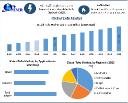
The Global Tofu Market was valued at USD 303.18 billion in 2025 . The market is expected to expand at a CAGR of 5.2% from 2025 to 2032 , reaching approximately USD 432.33 billion by 2032 . The market's growth outlook is supported by rising interest in plant-based protein, increasing health awareness, expanding vegan and vegetarian populations, and the growing use of tofu as a meat alternative.
The increasing availability of tofu through supermarkets, foodservice establishments, and online channels is also supporting market accessibility. Product innovation, improved manufacturing processes, sustainable packaging, and the development of organic and non-GMO products are expected to contribute to the industry's continued expansion.
Access the Exclusive Report Sample : https://www.maximizemarketresearch.com/request-sample/111769/
Market Landscape and Key Growth Factors
Tofu is a soy-based food product produced by curdling soymilk and pressing the resulting curds into blocks with different textures, including soft, firm, extra-firm, and super-firm varieties. It is widely used as a plant-based protein and meat substitute and is consumed across both traditional Asian cuisines and increasingly in Western markets.
Rising Preference for Nutritious Plant-Based Foods
Growing health consciousness is encouraging consumers to include more nutritious vegetarian and plant-based foods in their diets. Tofu's protein content and availability of nutrients such as calcium, iron, magnesium, and other minerals support its appeal among health-focused consumers. The product is also being incorporated into ready-to-eat and functional food applications.
Growing Demand for Sustainable Food Choices
Increasing awareness of animal welfare, environmental sustainability, and ethical food production is encouraging consumers to consider plant-based protein sources. Tofu is increasingly selected by vegans, vegetarians, and flexitarians seeking alternatives to conventional animal-based protein products.
Distribution and Product Innovation
Improved availability through supermarkets, hypermarkets, foodservice providers, and online stores has expanded consumer access to tofu. Manufacturers are also focusing on premium-quality, organic, non-GMO, clean-label, fortified, and ready-to-eat products to address changing consumer preferences.
Market Challenges
Soy allergies represent an important limitation because tofu depends heavily on soybeans as its primary raw material. Mandatory allergen labeling requirements can also increase compliance requirements for producers. Greater consumer awareness of soy allergies may encourage some customers to consider alternative plant proteins such as pea, oat, chickpea, and fava bean products.
Research Scope and Analytical Framework
The report uses 2025 as the base year , with the 2026–2032 forecast period and historical data covering 2020–2025 . The research evaluates market development through segmentation, regional analysis, competitive assessment, market dynamics, industry trends, and forecast analysis.
The study covers the tofu industry by product, application, distribution channel, and region . Its research framework incorporates both secondary and primary research, along with market-size estimation, year-on-year growth analysis, competitive assessment, and analysis of industry dynamics.
The report also incorporates Porter's Five Forces, PESTEL analysis, value-chain analysis, technological assessment, regulatory considerations, supply-side and demand-side indicators, and competitive positioning to evaluate the market environment.
Regional Performance and Geographic Opportunities
Asia Pacific is the leading regional market , accounting for 56.3% of the global tofu market . The region's strong position is supported by the long-established consumption of tofu in countries such as China, Japan, South Korea, Thailand, the Philippines, and India.
Japan is identified as a major tofu-consuming market, supported by established consumption patterns, extensive manufacturer presence, and product availability. China is also an important market because of its large manufacturing base and substantial market contribution.
Europe and North America are experiencing increasing demand as vegan and plant-based dietary preferences gain popularity. The report indicates that tofu-based products account for 30% of the global meat substitute market . Asia Pacific is expected to maintain its leading position during the forecast period.
The report divides the global market into North America, Europe, Asia Pacific, Middle East and Africa, and South America , with country-level coverage across major markets within these regions.
Get Your Free Sample Report : https://www.maximizemarketresearch.com/request-sample/111769/
Product, Application and Distribution Segmentation
Processed and Unprocessed Tofu
The market is divided into Processed Tofu and Unprocessed Tofu .
Processed Tofu is the leading product segment , accounting for 86% of the market share according to the report. Its longer shelf life, easier availability, reduced spoilage risk, and affordability support its widespread adoption, particularly within foodservice and household consumption.
Unprocessed tofu is generally associated with organic soy and less processed production methods. However, its shorter shelf life and comparatively higher cost limit its demand relative to processed tofu.
Food Industry and Domestic Applications
By application, the market includes Food Industry, Domestic, and Others .
The Food and Beverage Industry is the dominant application segment , accounting for 68% of the market in 2025 . Tofu is widely used in restaurants, traditional dishes, specialty cuisine, and food preparations, particularly across East Asia, Japan, and South Korea.
Domestic consumption represents another important application, with organic tofu receiving preference among consumers seeking naturally produced products.
Distribution Channel Development
Distribution channels include Direct Sales, Supermarkets, Online Stores, and Others .
Supermarkets represent the leading distribution channel , supported by established supply chains, consistent product availability, broad product selection, and consumer convenience. The report states that supermarkets and hypermarkets generate 65% of tofu sales . Online purchasing is also expanding, particularly in urban markets.
Competitive Landscape and Leading Market Participants
The global tofu market is described as fragmented, with competition involving established Asian manufacturers and growing North American plant-based food companies. Traditional manufacturers benefit from established production capabilities, soybean supply networks, retail relationships, and consumer recognition.
Key companies identified in the report include Pulmuone, Hain Celestial Group, Sagamiya Foods, CJ CheilJedang, Zuming Bean Products, House Foods America Corporation, Morinaga Milk, Shanghai Tramy Green Food Group, Hangzhou Bean Food, Shenyang Fulai Food Industrial, Sunrise Soya Foods, Vitasoy International Holdings Limited, Kikkoman Corporation, Nasoya, Soyarich Foods, Invigorate Foods, and Kong Kee Food .
Established Asian producers are strengthening their positions through product innovation, automation, manufacturing capabilities, and export activities. Meanwhile, companies serving Western markets are expanding organic, non-GMO, clean-label, and ready-to-eat tofu offerings in response to the growing plant-based food trend.
Companies are also developing partnerships with supermarkets, foodservice businesses, and e-commerce platforms while investing in sustainable packaging and fortified products. Competition is increasingly influenced by product quality, manufacturing innovation, sustainability, and distribution capabilities rather than price alone.
Frequently Asked Market Questions
What is the size of the Global Tofu Market?
The Global Tofu Market was valued at USD 303.18 billion in 2025 .
What will the market reach by 2032?
The market is projected to reach approximately USD 432.33 billion by 2032 .
What CAGR is expected during the forecast period?
The market is expected to grow at a 5.2% CAGR from 2025 to 2032 .
Which region dominates the Global Tofu Market?
Asia Pacific is the leading region, with a reported 56.3% market share .
Which product segment holds the largest share?
Processed Tofu leads the product segment with an 86% market share .
Which application segment dominates the market?
The Food and Beverage Industry leads the application segment with a 68% market share in 2025 .
Which distribution channel is leading?
Supermarkets and hypermarkets represent the leading distribution channel, accounting for 65% of tofu sales according to the report.
What are the major growth drivers?
Health-conscious diets, demand for plant-based protein, vegan and vegetarian lifestyles, sustainability concerns, and increasing tofu availability are major growth factors.
What is a key market restraint?
Soy allergies and related food-labeling requirements can limit tofu consumption among certain consumers and increase compliance requirements for manufacturers.
Who are the major companies in the market?
Key participants include Pulmuone, Hain Celestial Group, Sagamiya Foods, CJ CheilJedang, Zuming Bean Products, House Foods America Corporation, Morinaga Milk, Vitasoy International Holdings, Kikkoman Corporation, Nasoya, and other established tofu manufacturers.
Explore the Free Report Sample : https://www.maximizemarketresearch.com/request-sample/111769/
Report Coverage and Strategic Deliverables
The Global Tofu Market report provides market-size estimates and forecasts covering 2025–2032 , supported by historical analysis from 2020–2025 . It evaluates the market across product categories, applications, distribution channels, and major geographic markets.
The study provides analysis of market trends, growth drivers, restraints, opportunities, challenges, emerging technologies, competitive dynamics, supply and demand indicators, regulatory factors, and regional developments .
The report also provides a detailed assessment of key companies, including their product portfolios, competitive positioning, growth strategies, regional presence, and market approaches. Strategic tools such as Porter's Five Forces, PESTEL analysis, and value-chain analysis provide additional insight into the market's competitive and investment environment.
Overall, the report provides stakeholders with a comprehensive view of the Global Tofu Market's revenue outlook, product and application opportunities, regional development, distribution trends, competitive environment, market drivers, restraints, and strategic growth prospects .
View More Reports :
Wedding Services Market https://www.maximizemarketresearch.com/market-report/wedding-services-market/229647/
Global Antifog Additives Market https://www.maximizemarketresearch.com/market-report/global-anti-fog-additives-market/26934/
About Maximize Market Research
Maximize Market Research Pvt. Ltd. (MMR) is a global market research and consulting company that provides reliable, data-focused, and practical business insights. The firm serves a wide range of industries, including healthcare, pharmaceuticals, technology, automotive, electronics, chemicals, personal care, and consumer goods. Through market forecasts, competitive analysis, strategic consulting, and industry impact assessments, MMR helps organizations understand changing market conditions, identify growth opportunities, and make informed business decisions for long-term success.
Contact Us :
2nd Floor, Navale IT Park Phase 3
Pune Banglore Highway, Narhe
Pune, Maharashtra 411041, India
+91 9607365656
sales@maximizemarketresearch.com
Safe System of Work: How to Make Workplace Safety Part of Every Task
Industrial environments often contain tasks where risk cannot be eliminated entirely. Performing the same activity repeatedly does not remove the hazards connected with it. Workers may use heavy machinery, maintain essential equipment, carry out work at height, or operate close to energised systems, making disciplined execution and effective controls necessary. These activities may be routine and essential to keeping work moving, but familiarity should never encourage complacency. Before any task begins, possible sources of harm still need to be recognised, assessed, and controlled.
Workplace safety therefore has to be more than documentation prepared for inspections, audits, or compliance purposes. Construction sites, manufacturing facilities, utility operations, offshore locations, and similarly demanding workplaces need practical arrangements that help necessary work continue safely without creating avoidable disruption. Weak hazard controls can affect far more than the individual performing the task. An incident may lead to injuries, equipment damage, operational delays, reduced confidence among employees, and falling productivity, with effects that can remain long after the event itself.
A Safe System of Work (SSoW) provides a structured method for addressing these risks before they turn into an incident. Its purpose is not merely to demonstrate that safety was discussed. It creates a defined process for preparing, organising, controlling, and completing a particular activity. By replacing assumptions and informal decisions with clear procedures, responsibilities, and precautions, an SSoW can reduce uncertainty and encourage workers to think about hazards before starting. Safety therefore becomes part of the task itself rather than something considered only after a problem appears.
Understanding the Purpose of a Safe System of Work
A Safe System of Work is a documented method describing how a specific activity should be completed while reducing its related risks as far as reasonably practicable. It gives employees a consistent framework covering the work from initial preparation through completion. Setting expectations in advance can remove uncertainty and reduce the likelihood that workers will make rushed, inconsistent, or improvised decisions once the activity is underway.
In practical terms, an SSoW acts as a task specific working guide. It can explain the sequence in which activities should happen, identify the conditions that must be satisfied before work starts, and assign responsibility for particular duties. It may also outline the precautions and protective measures needed to protect employees, equipment, and the surrounding work area.
Once these arrangements become part of normal working practice, safety does not need to operate as a separate activity beside production or operations. Safe performance becomes part of how work is prepared, coordinated, supervised, and completed. Employees have a clearer picture of what is expected, while supervisors and managers gain a practical framework for controlling and directing the activity.
Moving Beyond Compliance
Organisations may establish Safe Systems of Work to meet legal responsibilities, contractual conditions, recognised industry practices, or internal expectations. Meeting those obligations is important, yet compliance represents only part of the value a properly developed SSoW can provide. A strong system can bring additional structure to tasks, strengthen control, and help create more consistent working practices across teams and locations.
Advance planning is one of its major benefits. When hazards are considered before work starts and suitable controls are prepared in advance, employees are less likely to encounter unfamiliar situations without guidance. They are also less likely to make decisions under pressure with little time to consider the consequences. Standardised procedures can give teams, shifts, and sites a common method for completing comparable activities. Greater consistency can reduce preventable errors and make the expected way of working easier to recognise and follow.
A well planned SSoW can also contribute to a stronger safety culture. Employees may be more likely to follow procedures when they understand that controls are based on actual workplace hazards and are designed to protect them, rather than being created solely for management or external review. Clear arrangements can also encourage workers to report concerns, share practical observations, and cooperate more effectively with supervisors and colleagues.
When employees and management begin to view safe work as a responsibility shared throughout the organisation, safety can become part of ordinary behaviour. It is no longer simply a rule passed down by senior management. Instead, it becomes a normal consideration whenever work is planned, communicated, coordinated, or performed.
There can also be operational benefits. Fewer incidents can reduce interruptions, investigations, corrective measures, and unexpected downtime. Better organised working conditions can help activities move forward more reliably and support productivity. Keeping clear records provides useful evidence for audits while also helping organisations review existing methods, identify weaknesses, and determine where further improvement could be required.
What Makes an SSoW Effective?
An SSoW should never be reduced to a standard form completed simply because a procedure requires it. It needs to start with a detailed understanding of the activity. This involves considering the workplace, equipment, tools, task method, and site specific circumstances that may affect how the work is performed. Thorough preparation is important because hazards overlooked during planning can remain unnoticed until the task is already in progress. This becomes particularly important when conditions change, several people are involved, or multiple controls must operate together.
Once the activity is understood, potential hazards should be identified systematically. This includes anything capable of causing harm, such as machinery, hazardous energy, environmental conditions, and human factors. Attention should also be given to circumstances that influence employee behaviour and performance. Fatigue, demanding workloads, deadline pressure, and the temptation to finish quickly can all affect the way a task is carried out.
Each identified risk should then be assessed by considering both the likelihood of an unwanted event and the seriousness of the resulting consequences. This allows the organisation to distinguish risks requiring greater attention and determine where stronger controls may be needed.
The next step is selecting appropriate controls. Where reasonably practicable, removing the hazard completely is preferable to depending solely on measures that limit exposure. Where elimination cannot be achieved, controls should reduce the opportunity for exposure or minimise the potential consequences if an event occurs. Depending on the task, these may include engineering controls, equipment isolation, physical barriers, safety devices, personal protective equipment, or changes to existing work methods.
The procedure itself must also be practical and clear enough for real working conditions. It should reflect situations employees are genuinely likely to encounter instead of presenting an idealised version of the job. At the same time, instructions need to be simple enough for workers to understand and apply correctly.
Training is equally important to the effectiveness of the system. A procedure cannot deliver its intended protection if employees do not understand the requirements or how those requirements should be applied. The SSoW should also be reviewed at appropriate intervals and whenever significant changes occur. New equipment, technologies, processes, or workplace circumstances may introduce different hazards and can make an existing procedure unsuitable.
Making Safe Systems Part of Everyday Work
An SSoW delivers the greatest value when it is integrated into normal operations instead of being kept as a document separate from the work itself. Achieving that requires contributions from different people across the organisation. Safety professionals can provide technical expertise, risk management knowledge, and specialist advice. Employees performing the task bring another critical perspective: direct practical knowledge of how the work actually happens.
Bringing these perspectives together can produce procedures that manage hazards effectively while still being realistic for the people expected to follow them. A system can look appropriate on paper yet become difficult to use when its instructions do not reflect the conditions workers face in practice.
Ongoing communication, suitable training, and regular reinforcement can help safe methods become established habits. When Safe Systems of Work are genuinely incorporated into daily operations, duties can become clearer, coordination can improve, and the likelihood of incidents may be reduced.
Over time, this way of working can influence the broader workplace culture. Safety becomes part of everyday planning and decision making rather than a separate programme that employees consult only when a specific requirement tells them to do so.
Ultimately, a Safe System of Work is not simply a set of documents created to prove compliance. It is a structured approach for identifying workplace hazards, assessing associated risks, establishing controls, and providing consistent direction for employees carrying out tasks. Through this approach, organisations can help protect people and equipment while supporting more dependable operational performance.
When an SSoW is thoughtfully developed, clearly communicated, regularly reviewed, and fully integrated into everyday work, it can reduce uncertainty and strengthen employee confidence. Most importantly, it helps make safe working part of the way an organisation prepares and performs its activities, rather than treating safety as something separate from the work itself.
Book a free demo @ https://toolkitx.com/blogsdetails.aspx?title=Safe-System-of-Work-(SSoW)-Meaning,-Definition,-Examples-and-HSE-Requirements
Workplace Incident Reporting Under RIDDOR: What Organisations Need to Know
Even with careful planning and strong workplace controls, no organisation can remove every possible risk. Unforeseen incidents can still occur, and UK law requires certain workplace events to be formally reported. RIDDOR reporting provides a structured way to document, review, and understand serious incidents. Recording major injuries, occupational diseases, and dangerous near misses helps organisations understand what happened and reduce the chance of similar events happening again across the organisation and over time as well.
RIDDOR stands for the Reporting of Injuries, Diseases and Dangerous Occurrences Regulations. It defines workplace events that require notification and explains how reports should be submitted. In many situations, reports are sent to the Health and Safety Executive, although certain workplaces may fall under local authority responsibility depending on the work and setting involved.
The reporting responsibility does not normally sit with everyone present at a workplace. It generally falls on those responsible for managing work, activities, or workplace conditions. Employers, managers, and self employed individuals are typically expected to ensure applicable incidents are reported accurately and within the relevant timeframe.
RIDDOR serves a purpose beyond satisfying a legal obligation. Reports can help regulators identify recurring hazards, detect patterns, and encourage better safety practices across industries. This can be particularly valuable in sectors such as construction, manufacturing, oil and gas, and facilities management, where incident information supports ongoing risk reduction and safety improvements.
Organisations also gain practical value from dependable incident records. Accurate information makes recurring issues easier to recognise, underlying causes easier to investigate, and hidden weaknesses easier to uncover. Businesses can then introduce preventive actions before minor concerns develop into serious safety problems.
Failing to report an incident that meets the requirements can have serious legal consequences, including fines, investigations, and damage to an organisation’s reputation. Accurate reporting, by contrast, shows that an organisation recognises its responsibilities, values worker protection, and is committed to maintaining safe working conditions.
RIDDOR reporting can also support a positive safety culture. Every recorded incident creates an opportunity to review procedures, strengthen training, and improve controls. Over time, this process can shift attention towards preventing incidents rather than simply dealing with their consequences after an accident.
Not every workplace event is covered by RIDDOR. An incident must meet defined legal criteria, generally connected with its seriousness or potential impact, before formal reporting becomes necessary. A death resulting from a workplace incident must be reported, whether the person dies immediately or later because of the event.
Certain serious injuries are also reportable, including amputations, significant burns, fractures excluding those involving fingers and toes, permanent loss of sight, and severe crush injuries. An accident may also become reportable when it leaves a worker unable to perform normal duties for a prolonged period. When an employee cannot carry out usual responsibilities for more than seven consecutive days after an accident, the event must be reported, with the accident day excluded from that period.
Occupational diseases may require notification when a medical professional confirms that workplace exposure caused the condition or made it worse. Examples can include respiratory conditions and skin disorders associated with particular working environments.
Dangerous occurrences, sometimes called near misses, can fall under reporting requirements when an incident had the potential to cause serious harm. Examples include explosions, equipment failures, and structural collapses, even when nobody was injured. Incidents involving members of the public may also be reportable when a non worker is taken directly to hospital because of an accident connected with workplace activities.
The formal reporting duty generally rests with the person or organisation responsible for the workplace. Usually, this is the employer or an appointed manager. Self employed individuals running their own businesses are similarly responsible for meeting the reporting obligations that apply to their activities.
Employees, contractors, and visitors are not usually required to submit the formal report. However, they should inform the appropriate responsible person when an incident occurs, helping ensure reporting duties are completed within the required timeframe.
Meeting reporting deadlines is an important part of compliance. Major incidents, fatalities, dangerous occurrences, occupational diseases, and serious injuries generally need to be reported promptly, usually within ten days. Incidents resulting in an absence lasting more than seven days generally need to be reported within fifteen days.
Reports are generally made through an official online reporting system. Providing accurate details, including when and where the incident happened, who was involved, and what occurred, makes the report more useful for formal review. The information can also support an organisation’s internal safety investigations and improvement efforts.
Ultimately, RIDDOR reporting should be viewed as more than paperwork. It strengthens accountability, supports transparency, and contributes to workplace safety improvement. Organisations that fulfil their reporting responsibilities can meet legal duties while using incident information to create working environments that are safer, better prepared, and more resilient for everyone.
Book a Free Demo @ https://toolkitx.com/blogsdetails.aspx?title=RIDDOR-Reporting:-What-Must-Be-Reported-and-How
Tank Farm Management Systems: The Digital Path to Safer Refineries
Refinery tank farms are not simply storage locations where materials wait for their next destination. They form a vital part of refinery operations, handling feedstocks, intermediate streams, and finished products throughout production. From blending to preparing products for shipment, tank farms help keep refinery activities moving. When coordinated effectively, refineries can improve production flow, protect margins, and maintain a reliable supply chain. Yet even minor weaknesses in control can escalate quickly, leading to safety incidents, compliance problems, product losses, and avoidable costs. With stricter regulations and rising expectations, upgrading tank farm management is no longer merely a future option. It is becoming a practical operating necessity.
A central element of this shift is adopting Tank Farm Management Systems (TFMS), which connect tank farm activities within a shared digital environment. Traditional methods often rely on manual inspections, isolated applications, and spreadsheet records. Such approaches can make it harder for teams to maintain a consistent view of what is happening across the refinery. A TFMS consolidates important information in one place, giving personnel real time visibility into inventory levels, product transfers, and compliance tasks. By connecting these activities, tank farms can move beyond storage and become intelligent operational assets that contribute to refinery performance.
The effectiveness of tank farm operations largely depends on three connected priorities: safety and compliance, accurate inventory control, and operational efficiency. Together, these priorities shape regulatory performance, resource management, and financial results.
Safety remains fundamental because conditions within tank farms can become hazardous very quickly when safeguards break down. Events such as overfilled tanks, leaks, or incorrect product transfers can damage the environment, disrupt production, and expose personnel to serious risks. Preventing these situations requires more than inspections and standard alarms. Digital management platforms can strengthen oversight by providing continuous monitoring, multiple layers of control, and detailed audit records. These capabilities make activities easier to track, verify, and manage.
Inventory accuracy is equally important in bulk storage environments. A measurement variance may appear insignificant, but repeated inaccuracies can create substantial financial impact. Manual entry and disconnected systems may make it difficult to account for changing density, temperature differences, and custody transfer calculations. When these issues remain unresolved, unexplained material differences or losses may continue unnoticed until they become larger operational and financial problems.
Blending and product handling efficiency also have a direct effect on refinery results. To convert lower cost inputs into higher value products, refinery teams need reliable and timely information about tank conditions, quantities, and product characteristics. Without accurate information at the right moment, decisions can be delayed or based on incomplete details. That can increase the possibility of off spec material, rework, schedule disruption, and reduced throughput.
Modern TFMS platforms help solve these challenges by continuously gathering and processing information from field devices such as flow meters, level gauges, temperature sensors, and density instruments. Rather than leaving data divided among systems, the platform combines information and turns it into practical visibility. This helps personnel recognize conditions faster, respond effectively, and make better decisions.
Another significant advantage of TFMS technology is improved inventory precision together with more straightforward custody transfer management. Automated corrections for pressure and temperature variations can improve volume and mass calculations, supporting accurate and equitable transactions. Continuous material balance monitoring can highlight unusual differences earlier, giving operators time to examine leaks, equipment faults, or product losses before serious disruptions.
Digital controls can further improve the way product transfers are managed. Before movement starts, the system can verify pump and valve configurations to confirm that the planned route is correct. This reduces the potential for spills, misrouting, and contamination. Connecting transfer controls with schedules can improve equipment utilization and reduce waiting periods.
The benefits of digital tank farm management extend beyond immediate operational control. Real time visibility into tank composition can give refinery teams better information when developing blending strategies. With a clearer understanding of what each tank contains, planners can work toward required product specifications without consuming more costly inputs than necessary. Greater visibility supports better planning and helps protect refinery margins.
These improvements can also strengthen performance across the wider facility. Better forecasts of tank availability and coordination of inbound and outbound logistics can maintain product movement and reduce bottlenecks. Better coordinated turnaround activities improve asset use and can help limit unnecessary expenses, including demurrage.
Ongoing monitoring of important equipment, including pumps, valves, and measurement instruments, also encourages a more proactive maintenance strategy. Instead of waiting for failures to happen, maintenance teams can identify early warning signs and address developing issues before they cause unexpected downtime. Simulation capabilities add preparation by allowing operators to examine operating situations, evaluate disruptions, and improve stability.
Ultimately, introducing a digital Tank Farm Management System is about more than replacing outdated technology. It signals a broader transformation in how refinery operations are organized, monitored, controlled, and improved. Manual processes and disconnected tools may no longer deliver the visibility and coordination required in modern refineries. This integrated approach also gives decision makers a clearer view, supporting faster responses when conditions change unexpectedly during critical operations. A unified TFMS can help turn complex, higher risk tank farm operations into more transparent, efficient, and value creating assets.
For refineries focused on improving safety, strengthening compliance, controlling operating expenses, and protecting long term profitability, digital tank farm management is becoming an important foundation for more resilient and sustainable operational performance.
Book a free demo @ https://toolkitx.com/blogsdetails.aspx?title=Refinery-tank-farms-management:-the-digital-imperative-for-safety-and-profit
Identifying Hidden Workplace Hazards in Oil and Gas Operations
Oil and gas facilities operate in environments where safety cannot be handled as a routine checklist or viewed only as a compliance requirement. It affects dependable production, worker protection, and business continuity. Organizations may devote effort to inspections, audits, and assessments, but formal activities cannot reveal all sources of danger. Some hazards stay hidden until an incident brings them to light. Safety awareness comes from understanding how work happens and how exposure changes when circumstances change. On these sites, risk can develop rapidly as conditions evolve.
Hazard identification involves systematically recognizing anything that could cause harm, including equipment, hazardous materials, work practices, and human actions. In oil and gas environments, these hazards often connect rather than occur separately. Machinery, chemicals, weather, workplace conditions, and employee decisions can combine to create risks that are difficult to see in isolation. Strong identification therefore requires more than documenting well known hazards. It requires examining how everyday circumstances affect exposure and potential outcomes.
The nature of these worksites creates considerable risk because operations can involve pressure, flammable materials, and complex industrial systems. If warning signs are ignored or treated as insignificant, a small problem can quickly become a serious incident. Minor abnormalities may lead to injuries, environmental damage, operational disruption, or legal consequences. Thorough hazard identification gives organizations an opportunity to recognize concerns earlier and introduce preventive measures before a threat develops into an event.
Even mature safety programs can leave less obvious risks undiscovered. Simultaneous operations are a clear example. Several teams may carry out different activities in the same area simultaneously, with each team following an approved procedure. However, the interaction between those tasks may create hazards that would not appear when either activity is reviewed separately. Once work overlaps, the risk picture can change, making careful coordination essential.
Temporary changes in operations can produce similar blind spots. Modified procedures, short term maintenance, temporary equipment arrangements, and staffing changes may receive less attention because they are not permanent. Yet brief conditions can introduce vulnerabilities when their effects are not evaluated properly. Without suitable review and controls, a temporary setup may create hazards that remain unnoticed.
Human performance also plays a significant role in safety. Long hours, fatigue, hurried handovers, poor communication, and misunderstandings between workers can weaken effective safety practices. These influences may be harder to recognize than mechanical problems, but they can contribute to incidents. When communication failures and behavioral factors are not examined, weaknesses can remain within the hazard management process.
Older facilities and aging equipment create additional challenges. Corrosion, ongoing wear, and material fatigue can slowly reduce system integrity without producing obvious signs from the outside. Routine inspections may not always reveal deterioration before it becomes serious. Observation and reassessment can expose hidden weaknesses before they develop into major failures.
Chemical exposure needs attention during non routine work. Tasks such as cleaning, waste handling, and collecting samples can expose employees to concentrated hazardous substances that may not be part of normal production. Because these jobs occur less frequently, they can receive less attention during risk reviews. Consequently, occasional tasks may not have controls as thoroughly considered as those applied to familiar work.
Environmental conditions can change the risk of a task within minutes. Severe heat, storms, high winds, heavy rain, and poor visibility can transform an activity into a hazardous one. When these factors are treated as background issues instead of active contributors to risk, established controls may become less reliable. Safety evaluations need to reflect environmental conditions throughout the progress of work.
Confined space activities require attention beyond the initial authorization. Conditions within a confined area can change during repeated access, even when the space appeared acceptable at the beginning. Ventilation can fluctuate, oxygen conditions can change, and air quality can worsen over time. Such developments may not be detectable from outside the space. Ongoing monitoring helps reduce the chance of workers entering or staying in unsafe conditions.
Gaps can also emerge when contractors and company personnel work together. Differences in procedures, reporting methods, communication practices, and safety expectations may create unclear areas of responsibility. Temporary electrical setups, bypassed protective systems, or improvised connections can add risk when introduced without adequate evaluation. Shared work areas and temporary arrangements deserve the same scrutiny as established operating processes.
Paper based reporting can slow the response to identified hazards. Manual documentation may delay communication, approvals, and corrective measures. During that interval, conditions at the worksite can change, reducing the value of a response that arrives too late. Slower information flow can leave people exposed to a risk that might otherwise have been controlled sooner.
Digital safety systems provide a more connected approach to these challenges. They can enable workers to report hazards from the field, simplify risk assessments, and connect information from inspections, permits, and audits within an accessible workflow. More immediate information can improve accountability and support faster decisions as site conditions change. Earlier visibility allows organizations to address concerns before they become serious.
Ultimately, hazard identification in oil and gas operations is about more than satisfying compliance expectations. It adds an essential layer of protection for workers, equipment, operations, and the environment around them. Looking beyond obvious hazards and maintaining continuous awareness can support a stronger, more responsive overall safety culture. As workplace conditions change, this mindset helps teams recognize developing threats, reinforce controls, and keep operations safer.
Book a Free Demo @ https://toolkitx.com/blogsdetails.aspx?title=Oil-and-Gas-Hazard-Identification:-The-10-Most-Overlooked-Risks
Strengthening Lockout/Tagout: From Energy Isolation to Digital Control
Lockout/Tagout (LOTO) is a critical workplace control designed to prevent one of the most dangerous events during maintenance: hazardous energy being released without warning. Despite established procedures, incidents linked to LOTO failures can still occur in manufacturing plants, refineries, utilities, and food processing environments.
The weakness is often not a missing procedure. More commonly, controls are poorly applied, information is overlooked, or an isolation is accepted without proving it effective. As a result, more organizations are turning to digital safety systems to improve visibility, responsibility, and control throughout the isolation process.
Understanding LOTO
Lockout/Tagout is a structured process used to disconnect machinery from hazardous energy before servicing, maintenance, or repair begins. Depending on the equipment, that energy may come from electrical systems, hydraulic pressure, compressed air, heat, or stored mechanical force.
A standard LOTO process involves stopping the equipment, identifying and isolating every energy source, applying locks and warning tags, checking that hazardous energy has been eliminated, and ensuring that re energization can only be carried out by authorized personnel. These steps help protect workers while reducing equipment damage and operational disruption.
Why LOTO Controls Break Down
Industrial incidents repeatedly reveal familiar weaknesses in LOTO practices across departments, work areas, and shifts.
- Incomplete Energy Isolation
A team may disconnect the primary electrical supply but fail to recognize another active hazard, such as hydraulic pressure, compressed air, residual heat, or stored mechanical energy. Leaving just one source uncontrolled can result in a sudden release while maintenance work is underway.
- Skipping Verification
Turning a switch off does not prove a zero energy state. Workers need to verify the isolation directly. Depending on labels, assumptions, or verbal confirmation instead of testing can allow hazardous energy to remain unnoticed.
- Weak Contractor Coordination
Multiple contractors can introduce gaps in communication and responsibilities. Outside workers may overlook site specific LOTO requirements, fail to apply suitable personal locks, or misunderstand who controls isolation and re energization at the worksite.
- Informal Training
A brief verbal explanation cannot establish competency on its own. Workers need equipment specific guidance, documented understanding, and clear instructions about locks, isolation, and authorized re energization.
- Production Pressure
Pressure to restart equipment can encourage shortcuts. Workers may hurry through verification or assume another person has completed a required isolation step.
Key Lessons From Industrial Incidents
Repeated LOTO incidents highlight several essential practices:
- Every maintenance worker involved should apply a personal lock.
- Zero energy must be confirmed before work begins.
- Procedures need to identify all energy sources, including stored energy.
- Contractor activities should follow the same isolation expectations as site personnel.
- Job safety analyses should be reassessed whenever conditions or energy states change.
Effective LOTO is not simply paperwork. It depends on verification, communication, coordination, and oversight from task start until equipment is safely returned to service.
How Digital LOTO and PTW Systems Help
Paper based processes can make isolation conditions, approvals, audits, and contractor involvement harder to track across locations or shifts. Digital Permit to Work (PTW) and LOTO systems can place these activities in one centralized workflow, giving teams clearer visibility and control. This can make responsibilities easier to review before work starts and after isolation changes.
Digital systems can support the management of:
- Electronic lockout records
- Real time permit status
- Contractor coordination
- Audit ready documentation
- Equipment isolation verification
- Training and competency records
- Incident reporting and corrective actions
An integrated HSE system can improve communication between operations, maintenance, and safety teams while reducing administrative delays.
Creating a Stronger LOTO Culture
Preventing hazardous energy incidents requires LOTO to become part of everyday work, not a compliance activity performed only when required. Regular audits, refresher training, consistent isolation practices, and digital monitoring can help reinforce reliable safety behavior.
Structured energy isolation can strengthen compliance readiness, coordination, and worker confidence. Most importantly, stronger LOTO controls can help reduce the likelihood of severe injuries that may affect employees, operations, and business continuity.
Read More @ https://toolkitx.com/blogsdetails.aspx?title=loto-failures-real-industrial-incidents
Key HSE Officer Responsibilities for Safer Operations
In industries where mistakes can be severe, including construction, oil and gas, utilities, and offshore work, safety has to be part of the job from the beginning, not as something checked after the work is finished. A missed hazard or weak decision may lead to injury, damaged equipment, environmental impact, or costly downtime. This is why Health, Safety, and Environment (HSE) professionals have an important place in these operations. Their responsibilities go beyond reminding people about procedures or checking compliance. They help organizations spot threats before they develop, improve workplace conditions, and safeguard employees, assets, and the environment through planning and oversight on every job.
A major HSE responsibility is recognizing hazards, evaluating related risks, and establishing effective controls. This matters when conditions shift without warning. Routine work may become dangerous when equipment, surroundings, weather, procedures, or other factors change. HSE officers help teams notice those developments early so tasks can proceed more safely and under control. By watching for changes, they can also identify situations where current precautions are no longer adequate and where stronger safeguards are needed before work begins, whenever conditions shift or new risks appear, and throughout the task to keep controls effective.
Risk assessment is a core part of the role. HSE professionals examine activities, equipment, procedures, and workplace conditions to find circumstances that could lead to harm. They then assess the likelihood of an incident and the severity of its outcome. Risks may involve machinery, chemicals, work at height, restricted spaces, or complex industrial operations. Because conditions and activities change, assessments also need regular review. The findings help determine suitable precautions, controls, and working methods as the basis for practical safety decisions and effective control measures.
Another responsibility is supporting compliance with safety requirements and regulations. High risk workplaces function within strict expectations designed to protect workers and maintain controlled operations. HSE officers help uphold those expectations by observing activities, maintaining accurate records, and supporting inspections and audits. Compliance is about more than avoiding penalties. Clear requirements create consistency, reduce uncertainty, and provide a reliable structure for safer work. When employees understand expectations and see them applied consistently, they are better positioned to make sound choices across activities, workplace expectations, documentation, and site practices.
Training is also a major part of effective HSE management. A procedure offers little protection when workers do not know how or when to use it. HSE officers therefore coordinate training, toolbox discussions, emergency exercises, and safety briefings to keep employees prepared. These activities strengthen hazard awareness, reduce unsafe behavior, and improve responses when unexpected events arise and reinforce readiness for change.
Regular workplace inspections provide another way to control risk. On site, HSE officers can observe how tasks are performed and identify weaknesses before they become serious. They examine equipment, watch work practices, assess housekeeping, and verify that existing controls are being followed as intended. They can also check permit to work arrangements, access points, and overall workplace organization as part of routine workplace oversight, verification, and control, and confirm expectations are being applied in practice. Their presence reinforces that safety belongs in daily operations, not only formal reviews.
When an incident or near miss occurs, HSE officers are central to the investigation. They collect evidence, speak with those involved, and reconstruct events to identify what went wrong and why. The purpose is not simply to assign blame. It is to understand the failure and reduce the chance of repetition. Investigation findings can guide changes to procedures, controls, and future safety practices and use those lessons to strengthen prevention.
Some jobs demand extra protection because they carry greater risk. Hot work, confined space activities, and heavy lifting are commonly managed through permit to work systems. Before work begins, HSE officers review permits to confirm hazards are identified and necessary precautions are ready. Measures can include equipment isolation, atmospheric monitoring, emergency planning, and clear communication arrangements. By creating this deliberate check before work starts, the process adds another protective barrier around high risk activities before potentially dangerous work is approved and before workers begin the task.
The role also covers occupational health concerns and environmental conditions. HSE professionals may monitor issues involving hazardous substance exposure, workplace noise, ventilation, and the readiness of emergency equipment. Attention to these areas helps protect workers’ well being while reducing the potential for harmful effects on the environment and nearby communities and nearby areas.
An HSE officer’s impact is not limited to enforcing written rules. They also help create a culture where people feel comfortable raising concerns, reporting hazards early, and prioritizing prevention and learning over blame. When safety becomes part of everyday decisions, employees are more likely to recognize their responsibility for a safer workplace through open communication, prevention, and accountability.
Where hazards cannot be removed entirely, HSE officers remain vital to responsible operations. Their efforts help prevent accidents, protect equipment and assets, and support smoother work. With suitable systems, resources, and organizational support, they can focus on one central objective: recognizing problems early, preventing incidents, and helping create workplaces that are safer and more sustainable while supporting dependable operations, strong safety performance, and sustainable working conditions over time for everyone.
Book a free demo @ https://toolkitx.com/blogsdetails.aspx?title=Key-responsibilities-of-an-HSE-officer-in-high-risk-industries:-what-every-safety-leader-must-know