Artificial Limbs Market Faces Key Barriers Amid Growing Global Demand

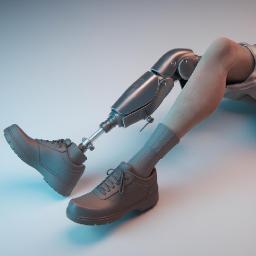
The artificial limbs market has witnessed remarkable growth due to advancements in prosthetic technologies and increased awareness about rehabilitation solutions. However, despite these gains, the market still grapples with several barriers that restrict its full potential. From economic challenges and accessibility gaps to technological and regulatory limitations, these obstacles hinder the widespread adoption of prosthetic devices across different regions.
High Cost of Advanced Prosthetics
One of the primary barriers in the artificial limbs market is the high cost associated with advanced prosthetic limbs. Modern prosthetics integrated with sensors, AI, and robotics can significantly improve quality of life, but their steep pricing makes them inaccessible for many. Myoelectric prostheses, for example, can cost anywhere between $20,000 to $100,000 depending on functionality. For most individuals in low- and middle-income countries, and even for some in high-income regions without adequate insurance coverage, these costs are prohibitive. This financial barrier significantly limits the reach of the market, especially among those who need it the most.
Limited Access in Developing Nations
In low-income and developing countries, the artificial limbs market is severely restricted by lack of access to proper healthcare facilities and prosthetic manufacturing units. Poor infrastructure, limited orthopedic specialists, and low awareness about prosthetic solutions contribute to a major gap in service availability. According to the World Health Organization (WHO), over 30 million people worldwide require mobility devices such as artificial limbs, but only 1 in 10 has access to them. This accessibility challenge is a major barrier to the global expansion of the market.
Technical Limitations and User Dissatisfaction
While prosthetic technologies have come a long way, technical limitations still exist. Issues like poor fit, discomfort, limited range of motion, and short battery life in electronic prostheses can lead to user dissatisfaction and low compliance. Moreover, the customization process is often time-consuming and expensive. Many patients abandon their prosthetics due to pain, lack of usability, or the psychological impact of using artificial limbs that don’t meet expectations. This underlines the need for further innovation and patient-centric designs.
Regulatory and Reimbursement Challenges
Another significant barrier is the lack of uniform regulations and inconsistent reimbursement policies across countries. In some regions, the approval process for new prosthetic technologies can be slow and bureaucratic, delaying market entry. Insurance coverage also varies widely, with many insurers only covering basic prosthetic limbs and excluding advanced or bionic options. These regulatory inconsistencies discourage manufacturers from expanding into underserved markets and reduce patient access to cutting-edge solutions.
Cultural and Social Stigma
In some societies, people with amputations face social stigma that further complicates the adoption of artificial limbs. Psychological trauma, body image concerns, and lack of societal support can deter individuals from seeking prosthetic rehabilitation. This emotional and cultural barrier, though less discussed, plays a significant role in limiting the effectiveness of even the best technological advancements.
Shortage of Skilled Professionals
Fitting and maintaining prosthetic limbs require specialized knowledge and training. A shortage of certified prosthetists and orthotists across many regions limits the delivery of quality care. Training programs are often expensive or unavailable in developing countries, leading to a scarcity of skilled professionals capable of customizing and repairing advanced devices.
Opportunities to Break Barriers
Despite these challenges, there are several opportunities to overcome these barriers and expand the artificial limbs market. Increased government funding, philanthropic initiatives, and public-private partnerships can help subsidize costs and improve access. Technological innovations such as 3D printing and open-source prosthetic designs are making affordable solutions more widely available. Additionally, awareness campaigns and support networks are helping to combat stigma and empower amputees to embrace rehabilitation.
Research institutions and companies are also working on smart materials and neural integration techniques that can enhance comfort and usability, addressing the issue of user dissatisfaction. Furthermore, the development of scalable, AI-driven diagnostic and fitting tools can help offset the shortage of trained personnel in remote areas.
Conclusion
The artificial limbs market holds immense potential to transform the lives of millions, but it is currently constrained by multiple barriers including cost, access, technology, and regulation. Overcoming these hurdles requires collaborative efforts from governments, technology developers, healthcare providers, and social organizations. By addressing these critical issues, the industry can move toward more inclusive, accessible, and user-friendly prosthetic solutions that benefit people across the globe.