




Bienvenido, invitado! | iniciar la sesión
US ES
Outdoor Lighting Market Trends Influenced by Government Policies on Urban Beautification and Green Cities

The outdoor lighting market once considered a stable segment of the broader lighting industry is increasingly experiencing fluctuations influenced by technological shifts, economic pressures, policy changes, and evolving consumer demands. This rising market volatility has introduced both opportunities and uncertainties for stakeholders, including manufacturers, municipalities, infrastructure developers, and energy companies.

In this blog post, we examine the key factors driving volatility in the outdoor lighting market, its impact on investment and development strategies, and how industry players can respond with resilience and foresight.

Understanding Market Volatility


Market volatility refers to the degree of variation in market values, growth rates, and demand patterns over time. In the context of the outdoor lighting industry, volatility is shaped by factors like:


  • Sudden shifts in raw material prices


  • Policy changes related to energy efficiency and carbon emissions


  • Disruptions in supply chains and international trade


  • Technological leaps (e.g., LED to smart lighting)


  • Changing funding mechanisms and public-private investment dynamics

Although the market is still projected to grow from around USD 15 billion in 2023 to USD 25–28 billion by 2030 the path is no longer as linear or predictable as it once was.

Key Drivers of Volatility


1. Global Supply Chain Disruptions


The COVID-19 pandemic exposed the vulnerabilities of global supply chains. Since outdoor lighting systems often rely on components sourced from multiple countries such as semiconductors, sensors, LEDs, and batteries any disruption in international shipping, labor shortages, or raw material scarcity can ripple through the market.

Post-pandemic, the industry has also been affected by geopolitical tensions, particularly between major manufacturing hubs like China, the U.S., and Europe.

2. Fluctuating Raw Material Costs


The prices of metals such as aluminum and copper used in lighting poles, housings, and wiring are subject to global market fluctuations. These price swings can increase production costs, leading to:


  • Higher prices for end users


  • Delays in municipal projects


  • Reduced margins for manufacturers

Additionally, the growing use of rare earth elements in smart lighting components adds another layer of pricing unpredictability.

3. Regulatory and Policy Shifts


Energy efficiency and environmental standards are constantly evolving. Governments worldwide are phasing out traditional lighting technologies in favor of LED and solar-powered solutions, but compliance costs can vary significantly across regions.

For instance:


  • The EU enforces strict lighting performance and environmental impact criteria.


  • In the U.S., local regulations vary by state, leading to fragmented compliance landscapes.


  • Developing regions often lack consistent regulatory frameworks, leading to underinvestment or overreliance on imported solutions.

These differences contribute to a volatile investment environment for global players.

4. Technological Disruption


Rapid innovation in smart lighting, IoT integration, and AI-based lighting control presents both a growth driver and a disruptor. Companies that fail to adopt emerging technologies risk obsolescence, while those that invest early may face uncertain returns if adoption is slow or fragmented.

Moreover, the speed of tech advancement can make existing infrastructure outdated, creating pressure for constant upgrades.

Impact on Market Stakeholders


For Manufacturers:


  • High volatility demands agility in sourcing, R&D, and product diversification.


  • There is pressure to balance cost-effective production with innovative feature integration.


  • Manufacturers must manage demand forecasting carefully to avoid overproduction or shortages.

For Municipalities and Developers:


  • Budget unpredictability due to changing component costs and policy mandates.


  • Project delays resulting from regulatory uncertainty or supply shortages.


  • Risk of investing in technology that may soon be replaced or unsupported.

For Investors:


  • The need for long-term, risk-adjusted strategies over short-term speculative gains.


  • Due diligence is critical to assess region-specific volatility and growth potential.


  • Interest is shifting toward flexible models like Lighting-as-a-Service (LaaS) to reduce capital expenditure risk.

Strategies for Managing Volatility


  1. Supply Chain Diversification
    Companies are expanding supplier bases, nearshoring, and investing in local manufacturing to reduce dependency on global supply disruptions.


  2. Policy Engagement and Advocacy
    Collaborating with regulators can help businesses anticipate and influence policy shifts, ensuring smoother adaptation.


  3. Modular and Scalable Product Design
    Offering modular systems allows for incremental upgrades and reduces the risk of obsolescence amid rapid tech change.


  4. Emphasis on Data and Analytics
    Predictive analytics can help anticipate demand shifts, supply disruptions, and maintenance needs, enabling proactive planning.


  5. Flexible Financing Models
    Adopting LaaS or pay-per-use models lowers upfront costs for clients and ensures recurring revenue for providers, balancing risk across the value chain.

Conclusion


Volatility in the outdoor lighting market is not a sign of weakness but a reflection of its transformational journey. As the industry shifts toward smarter, greener, and more connected solutions, fluctuations in demand, pricing, and regulation are inevitable.

Stakeholders who embrace agility, invest in innovation, and adopt strategic risk management will be best positioned to thrive. Rather than resisting market volatility, the outdoor lighting industry must learn to navigate and leverage it illuminating the path forward with resilience and vision.

Technological Innovations to Transform the Landscape of the Ostomy Devices Market

The global ostomy devices market is presenting a range of lucrative opportunities, driven by rising chronic disease prevalence, aging populations, technological innovation, and growing healthcare awareness. With a rising number of patients requiring long-term stoma care and a heightened focus on quality of life, the demand for advanced and accessible ostomy solutions is on an upward trajectory. Industry stakeholders are now strategically positioned to capitalize on these emerging opportunities across mature and developing markets alike.

Expanding Patient Population and Chronic Disease Burden


A significant opportunity for growth in the ostomy devices market lies in the increasing prevalence of colorectal cancer, bladder cancer, and inflammatory bowel diseases (IBD) such as Crohn’s disease and ulcerative colitis. These conditions often necessitate surgical interventions leading to the creation of a stoma, requiring the long-term use of ostomy appliances.

According to the World Health Organization, over 1.9 million cases of colorectal cancer were diagnosed globally in 2022, with numbers expected to rise. Simultaneously, IBD cases are steadily increasing in both high-income and low-to-middle-income countries. This growing patient pool translates into sustained demand for ostomy products, particularly as healthcare systems become more adept at early diagnosis and surgical interventions.

Aging Population: A Key Growth Driver


The global increase in the elderly population offers substantial long-term potential for the ostomy market. Older adults are more susceptible to gastrointestinal diseases, cancers, and other conditions requiring surgical stomas. By 2030, it is estimated that one in six people globally will be aged 60 or older, with the number rising even more sharply in developed regions.

This demographic trend creates opportunities not only in terms of market volume but also for product innovation tailored to elderly patients devices that are easier to manage, more comfortable to wear, and designed for mobility and independence. Manufacturers focusing on ergonomics, durability, and simplified application stand to benefit from this aging customer base.

Technological Innovation Driving Product Differentiation


The ostomy devices industry is rapidly embracing technological innovation, opening up new avenues for product differentiation and user engagement. Advancements such as skin-friendly adhesives, leak-proof barriers, integrated odor filters, and low-profile pouch systems have significantly enhanced the functionality and user experience of ostomy products.

A major opportunity lies in the emerging field of smart ostomy devices , which incorporate digital monitoring capabilities. These systems can measure stoma output, detect leakage, and alert users or caregivers through mobile apps. As healthcare providers increasingly prioritize home care and remote monitoring, digital integration could redefine ostomy management, creating substantial growth opportunities for tech-forward companies.

Untapped Potential in Emerging Markets


While North America and Western Europe currently dominate the ostomy devices market, emerging economies in Asia-Pacific, Latin America, and Africa offer underexplored growth potential. Rapid urbanization, rising income levels, increasing awareness about chronic diseases, and improving healthcare infrastructure in countries like India, China, Brazil, and South Africa are opening new doors for market expansion.

Despite these positive trends, challenges such as cultural stigma, affordability issues, and lack of trained stoma care professionals remain. Companies that invest in education campaigns, local partnerships, and affordable product lines will be better positioned to penetrate and thrive in these developing regions.

Growth in Home Healthcare and Post-Acute Care


As healthcare systems worldwide shift toward home-based care models, the ostomy market is witnessing new demand patterns. Patients increasingly seek solutions that are discreet, easy to apply, and require minimal assistance, creating opportunities for companies to develop self-manageable ostomy systems.

The rise in ambulatory care, telemedicine, and remote monitoring further supports the demand for products compatible with decentralized healthcare delivery. This trend is expected to accelerate the need for personalized ostomy care solutions and drive innovation in packaging, delivery, and support services.

Evolving Reimbursement and Regulatory Support


Improving reimbursement frameworks in countries such as the United States, Germany, and the United Kingdom is enhancing access to ostomy devices. These systems reduce the out-of-pocket burden on patients and encourage adoption of advanced devices that offer better long-term outcomes.

Regulatory bodies are also playing a role in shaping the market. Stringent quality and safety standards are compelling manufacturers to enhance product efficacy, durability, and biocompatibility. This emphasis on compliance and patient safety creates a level playing field for established and emerging brands alike to bring innovation to the market.

Conclusion


The ostomy devices market is poised for robust growth, supported by favorable demographic trends, increasing chronic disease prevalence, and technological advancements. While developed regions continue to offer stable demand, emerging markets present untapped potential that can be unlocked through strategic investment and innovation.

Companies that align their product development with patient needs focusing on comfort, ease of use, and digital integration—will be best positioned to capitalize on the evolving market landscape. As healthcare continues to move toward patient-centric, decentralized care, the ostomy devices market will remain a critical area of opportunity for innovation and expansion.

Posted in: Health | 0 comments
Organic Acid Market to Gain Traction as Fermentation-Based Production Methods Become Mainstream

The organic acid market has experienced remarkable growth in recent years, fueled by expanding applications, rising consumer demand for natural ingredients, and advancements in production technology. Organic acids such as citric acid, lactic acid, acetic acid, and malic acid play vital roles in industries ranging from food and beverages to pharmaceuticals, cosmetics, agriculture, and industrial manufacturing. This blog post explores the factors driving the organic acid market growth, examines current trends, and looks ahead to the opportunities shaping the future landscape.

Growing Demand Across End-Use Industries


One of the primary contributors to the organic acid market growth is the escalating demand from various industries. The food and beverage sector represents the largest consumer, leveraging organic acids for their preservative qualities, flavor enhancement, and pH regulation. With consumers becoming more health-conscious and inclined towards clean-label products free from synthetic additives, manufacturers are increasingly incorporating organic acids derived from natural sources into their formulations.

The pharmaceutical industry is another significant growth driver. Organic acids are used not only as active ingredients but also as intermediates in drug synthesis and excipients in formulations. The expansion of healthcare infrastructure worldwide, coupled with rising incidences of chronic diseases, has intensified the demand for high-quality pharmaceutical ingredients, thus bolstering organic acid consumption.

The cosmetics and personal care industry is also contributing to the market's upward trajectory. Organic acids like alpha hydroxy acids (AHAs) are valued for their exfoliating and anti-aging properties, making them popular in skincare products. The increasing trend towards natural and organic beauty products is supporting sustained growth in this sector.

Agricultural applications are not to be overlooked. Organic acids are increasingly used in animal feed additives and fertilizers to enhance nutrient absorption and improve soil health. The emphasis on sustainable and organic farming practices globally provides an additional boost to demand.

Technological Advancements Accelerating Growth


The evolution of biotechnological production methods has been pivotal in the growth of the organic acid market. Traditional production methods that relied on petrochemical routes or extraction from natural sources were often cost-intensive and environmentally unsustainable. The shift to microbial fermentation processes using bacteria, yeast, and fungi has transformed production by making it more efficient, scalable, and eco-friendly.

Advanced genetic engineering and synthetic biology techniques have enhanced the yield and purity of organic acids, reducing costs and expanding the range of acids that can be produced commercially. Continuous fermentation and improved downstream processing technologies have also contributed to higher production efficiency.

These technological advancements not only enable manufacturers to meet growing demand but also open new applications and markets for organic acids.

Rising Consumer Preference for Natural and Sustainable Products


The increasing global focus on sustainability and clean-label products is a major catalyst for organic acid market growth. Consumers today prefer products made from natural, renewable sources with minimal environmental impact. Organic acids, especially those produced via fermentation from renewable biomass, align well with these expectations.

This shift towards green chemistry is encouraging manufacturers to replace synthetic additives with bio-based organic acids. Furthermore, governments worldwide are supporting sustainable chemical production through regulations, subsidies, and incentives, which is propelling market growth.

Geographic Expansion and Emerging Markets


While developed regions such as North America and Europe continue to dominate the organic acid market due to their mature industrial base and stringent regulations favoring natural ingredients, emerging markets are experiencing rapid growth.

Asia-Pacific stands out as the fastest-growing region, driven by rising population, urbanization, increasing disposable incomes, and expanding industrial infrastructure. Countries like China, India, and Southeast Asian nations are witnessing surging demand in food processing, pharmaceuticals, cosmetics, and agriculture sectors, boosting the organic acid market substantially.

Latin America and the Middle East & Africa regions are also growing steadily, supported by initiatives to promote green chemicals and expanding end-use industries.

Diversification of Applications


Market growth is further sustained by the diversification of organic acid applications. Newer acids such as succinic acid, itaconic acid, and gluconic acid are gaining prominence as chemical intermediates in bio-based polymers, biodegradable plastics, and eco-friendly solvents.

In pharmaceuticals, organic acids are being explored for novel drug delivery systems and stabilizing agents. The cosmetics industry continues to innovate with acids targeting specific skin concerns.

The food industry is expanding applications into functional foods and nutraceuticals, where organic acids add health benefits beyond basic nutrition.

Challenges to Growth


Despite the strong growth momentum, the organic acid market faces challenges that could impact its trajectory. Raw material price fluctuations due to agricultural feedstock availability, competition from cheaper synthetic acids, and regulatory complexities in different regions remain key concerns.

Additionally, scaling biotechnological production cost-effectively while maintaining quality requires ongoing investment and innovation.

Future Outlook


Looking ahead, the organic acid market is expected to maintain a robust growth rate, driven by technological advancements, sustainability trends, expanding applications, and geographic penetration. The market will likely see increased consolidation, strategic partnerships, and capacity expansions as companies position themselves to meet rising demand.

Conclusion


The organic acid market’s growth story is shaped by its broad utility, consumer preference for natural ingredients, and advances in sustainable production methods. As industries worldwide increasingly embrace eco-friendly and health-conscious products, the demand for organic acids is set to rise significantly.

Manufacturers who invest in innovation, optimize production processes, and strategically expand into emerging markets will be best placed to capitalize on this growth. Overall, the organic acid market holds promising potential for continued expansion, innovation, and value creation across sectors.

Posted in: Food | 0 comments
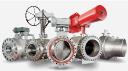
Impact of Environmental Regulations on the Industrial Valve Market Growth


The industrial valve market plays a crucial role in the global industrial landscape. Valves are fundamental components used to control, regulate, and direct the flow of liquids, gases, and slurries in various industrial processes. As industries evolve and expand, so does the demand for efficient, reliable, and advanced valve technologies. Understanding the forecast for the industrial valve market is essential for manufacturers, suppliers, investors, and end-users who want to stay ahead in this competitive sector.

This blog delves into the key factors shaping the industrial valve market forecast, highlighting growth drivers, emerging trends, challenges, and future opportunities.

Market Size and Growth Projections


The global industrial valve market is expected to witness steady growth over the next decade. Analysts predict a compound annual growth rate (CAGR) ranging between 5% and 7%, driven by increasing industrialization, infrastructure development, and the rise in end-user industries such as oil and gas, power generation, water treatment, and chemicals.

Emerging economies in Asia-Pacific, the Middle East, and Latin America are significant contributors to market expansion due to rapid urbanization and investments in energy and infrastructure projects. Developed regions like North America and Europe will continue to grow, albeit at a slower pace, focusing mainly on infrastructure upgrades and replacement of aging equipment.

Key Growth Drivers


  1. Energy Sector Expansion
    The oil and gas industry remains the largest consumer of industrial valves, used extensively in upstream, midstream, and downstream operations. With the gradual recovery in oil prices and renewed exploration and production activities, valve demand is set to increase. Additionally, the rising focus on liquefied natural gas (LNG) infrastructure and renewable energy sources, such as hydrogen and biofuels, opens new avenues for specialized valve applications.


  2. Infrastructure and Industrial Development
    Massive infrastructure investments, particularly in emerging economies, are fueling demand for industrial valves in water and wastewater treatment plants, power generation facilities, and manufacturing units. The need for sustainable water management and energy-efficient processes further drives valve adoption.


  3. Technological Advancements
    The integration of smart technologies is transforming the valve market. Smart valves equipped with sensors, actuators, and IoT capabilities enable real-time monitoring, automation, and predictive maintenance. These advancements enhance operational efficiency and safety, making smart valves highly sought-after in process industries.


  4. Regulatory Compliance and Environmental Concerns
    Increasingly stringent environmental regulations aimed at reducing emissions and preventing leaks are pushing industries to upgrade to valves with enhanced sealing and monitoring features. This regulatory pressure supports market growth by encouraging modernization and replacement of outdated valve systems.

Emerging Trends Shaping the Forecast


  • Digitalization and Industry 4.0
    The growing adoption of Industry 4.0 principles is driving the demand for digitally connected valves. This trend includes using big data analytics, artificial intelligence, and cloud computing to optimize valve performance and industrial processes.


  • Sustainability Focus
    Sustainability initiatives across industries are encouraging the use of valves that improve energy efficiency and reduce waste. Environmentally friendly materials and designs that support longer valve life cycles are gaining traction.


  • Customization and Application-Specific Solutions
    End-users increasingly demand valves tailored to their unique process requirements. Manufacturers offering specialized products for corrosive environments, extreme temperatures, or high-pressure conditions are expected to capture a larger market share.

Challenges Impacting Market Forecast


While the industrial valve market outlook is optimistic, several challenges could influence growth:


  • Raw Material Price Volatility
    Fluctuations in the prices of metals such as steel, stainless steel, and nickel can increase manufacturing costs, impacting profitability and pricing strategies.


  • Supply Chain Disruptions
    Global events like pandemics, geopolitical tensions, and trade restrictions may disrupt raw material supplies and logistics, affecting market stability.


  • Competition and Market Fragmentation
    The market consists of numerous global and regional players, intensifying competition. Companies must continually innovate and improve cost efficiency to maintain or grow their market share.


  • Economic Uncertainty
    Macroeconomic factors, including recession risks and shifts in government spending priorities, could delay industrial projects and slow valve demand temporarily.

Regional Outlook


  • Asia-Pacific
    This region is expected to dominate the market due to large-scale infrastructure projects and rapid industrialization, particularly in China, India, and Southeast Asia. Investments in oil and gas, water treatment, and power generation will continue to drive valve demand.


  • North America
    The market growth here will be supported by infrastructure modernization, shale gas exploration, and renewable energy projects. The U.S. and Canada are focusing on smart valve adoption for enhanced operational efficiency.


  • Europe
    Stringent environmental regulations and a shift towards renewable energy sources will shape valve demand. The market is likely to grow moderately, with a focus on high-performance and sustainable valve solutions.


  • Middle East and Africa
    The ongoing development of oil and gas infrastructure and water desalination plants will drive demand for industrial valves. Countries investing in economic diversification and infrastructure are key growth areas.


  • Latin America
    Growing industrial sectors and energy projects in Brazil, Mexico, and Argentina contribute to steady market growth, supported by ongoing infrastructure investments.

Opportunities for Market Players


  • Smart Valve Technology
    Investing in R&D to develop advanced smart valve solutions can open new markets and customer segments.


  • Aftermarket Services
    Providing maintenance, repair, and retrofitting services offers recurring revenue opportunities and strengthens customer relationships.


  • Sustainability Solutions
    Valves designed to meet environmental standards and improve energy efficiency align with global sustainability goals and customer preferences.


  • Geographic Expansion
    Targeting untapped regions with growing industrial bases can yield significant growth.

Conclusion


The industrial valve market forecast points to a promising future characterized by steady growth, driven by industrial expansion, technological innovation, and increasing regulatory requirements. While challenges such as raw material volatility and market competition persist, companies that adapt quickly, innovate, and focus on customer-centric solutions are poised to thrive.

As industries worldwide continue to modernize and embrace digital and sustainable practices, the demand for advanced, reliable, and efficient industrial valves will only grow stronger, making this market an attractive arena for investment and development in the years ahead.







Industrial Rubber Market Accelerates with Increased Production of Hoses, Belts, and Anti-Vibration Products

The industrial rubber market plays a critical role in numerous sectors, including automotive, construction, manufacturing, aerospace, and electronics. Despite its importance and steady growth over recent years, the market is characterized by significant volatility. This volatility arises from various factors, ranging from raw material price fluctuations to geopolitical influences and shifting demand patterns. Understanding the causes of this market volatility, its impacts on stakeholders, and strategies to manage and mitigate these fluctuations is essential for manufacturers, investors, and end-users alike.

This article explores the nature of volatility in the industrial rubber market, delving into the key contributing factors, consequences, and approaches to fostering stability in an otherwise dynamic environment.

Understanding Industrial Rubber Market Volatility


Volatility in the industrial rubber market refers to the frequency and magnitude of price and supply fluctuations. Unlike some raw materials with relatively stable pricing, rubber experiences pronounced swings that affect production costs, supply chains, and end-product pricing. These fluctuations influence strategic decisions across the value chain, including procurement, manufacturing, inventory management, and investment planning.

Key Causes of Volatility in the Industrial Rubber Market


Several interconnected factors drive volatility in this market:

1. Raw Material Price Fluctuations
Natural rubber, a primary input for many industrial rubber products, is harvested from rubber trees mainly in Southeast Asia, including countries such as Thailand, Indonesia, and Malaysia. Its price is highly sensitive to climatic conditions, disease outbreaks, and plantation yields, leading to supply inconsistencies. Moreover, the supply of natural rubber is also influenced by global demand from competing industries such as tire manufacturing.

Synthetic rubber, on the other hand, is derived from petrochemicals. Hence, its pricing is linked to crude oil prices, which are notoriously volatile due to geopolitical tensions, production quotas by oil-exporting countries, and changing energy policies. Fluctuations in crude oil prices directly translate to cost variability in synthetic rubber production, impacting overall market stability.

2. Geopolitical and Trade Disruptions
The industrial rubber market is global, with raw materials and finished products often crossing multiple borders. Trade policies, tariffs, sanctions, and geopolitical conflicts can disrupt supply chains, resulting in sudden price hikes or shortages. For instance, tensions in major rubber-producing regions or between key trading partners can hinder raw material flow, intensifying market volatility.

3. Demand-Supply Imbalance
Industrial rubber demand is closely tied to sectors like automotive and construction, which themselves are sensitive to economic cycles. During periods of economic expansion, demand surges, often leading to supply shortages and price increases. Conversely, economic downturns or disruptions like the COVID-19 pandemic can abruptly reduce demand, leading to oversupply and price drops. This cyclical nature creates fluctuations in the market.

4. Currency Exchange Rate Fluctuations
Since rubber trade is conducted internationally, currency volatility can impact import and export costs. Fluctuations in the US dollar relative to other currencies can cause price instability for producers and buyers, affecting contract values and profitability.

5. Environmental and Regulatory Factors
Stricter environmental regulations aimed at reducing emissions and chemical use can influence the cost structure of rubber production and processing. Compliance requirements can lead to increased operational costs or supply interruptions, contributing to market volatility.

Impact of Volatility on the Industrial Rubber Market


Volatility in the industrial rubber market affects multiple stakeholders in various ways:

Manufacturers: Price swings in raw materials increase uncertainty in production costs, complicating budgeting and pricing strategies. Sudden cost surges can erode profit margins or force manufacturers to raise prices, potentially reducing competitiveness.

Suppliers and Traders: Volatility impacts inventory management and procurement planning. Holding excess inventory to hedge against price spikes raises carrying costs, while just-in-time purchasing may expose businesses to supply disruptions.

End-Users: Industries reliant on rubber components, such as automotive and construction, may face fluctuating input costs that affect project budgets, timelines, and product pricing. This can lead to cost-push inflation in end products.

Investors: Price and supply unpredictability increase risk, potentially affecting investment decisions and market valuations in the rubber industry.

Strategies to Manage and Mitigate Volatility


Despite inherent volatility, various strategies can help stabilize operations and financial outcomes in the industrial rubber market:

1. Diversification of Raw Material Sources
Procuring rubber from multiple geographic regions or balancing natural and synthetic rubber usage can reduce dependency on any single source vulnerable to disruption.

2. Strategic Inventory Management
Maintaining optimal inventory levels helps buffer against sudden supply shortages or price spikes. Some companies adopt forward contracts or futures trading to lock in prices, reducing exposure to market fluctuations.

3. Investment in Research and Development
Developing alternative materials, such as bio-based or recycled rubbers, can reduce reliance on traditional raw materials and mitigate supply risks. Innovation also allows manufacturers to optimize product formulations to use less rubber without compromising quality.

4. Strengthening Supply Chain Resilience
Building robust, flexible supply chains through partnerships, diversified logistics, and improved forecasting enables quicker response to disruptions and demand changes.

5. Financial Hedging
Utilizing financial instruments such as commodity futures and options allows companies to hedge against price volatility, providing greater budget predictability.

Outlook: Navigating Future Volatility


Looking ahead, volatility in the industrial rubber market is expected to persist due to ongoing geopolitical uncertainties, climate change impacts on natural rubber plantations, and fluctuations in crude oil markets. However, increased digitalization, data analytics, and improved market intelligence will equip stakeholders with better tools to anticipate and respond to market shifts.

Furthermore, global efforts toward sustainability and circular economy principles will likely drive innovation in material sourcing and recycling, potentially reducing dependency on volatile raw materials and creating a more stable supply environment.

Conclusion


Volatility is an intrinsic characteristic of the industrial rubber market, shaped by complex and interrelated factors such as raw material supply constraints, geopolitical events, demand cycles, and environmental regulations. While these fluctuations present challenges for manufacturers, suppliers, and end-users, strategic management approaches focusing on diversification, innovation, and risk mitigation can help smooth the impact.

Clean Label Preferences Transform Product Development in the Whipping Cream Market

The whipping cream market has been experiencing impressive growth in recent years, reflecting shifting consumer preferences and dynamic changes within the global dairy industry. As a versatile ingredient beloved in desserts, beverages, and cooking, whipping cream has transcended its traditional use and found new avenues in modern food culture. This blog post explores the key drivers behind the whipping cream market growth, emerging trends, regional developments, and future prospects shaping this expanding sector.

Understanding the Whipping Cream Market


Whipping cream, a dairy product rich in fat, is prized for its ability to be whipped into a light, fluffy texture, making it indispensable in baking, confectionery, and beverage industries. It is consumed in various forms from fresh cream used in home kitchens to ready-to-use aerosol cans popular in commercial and retail segments. The market for whipping cream encompasses traditional dairy products as well as innovative plant-based alternatives catering to evolving dietary trends.

Key Drivers Fueling Market Growth


Several factors are driving the strong growth trajectory of the whipping cream market globally:

1. Rising Consumer Demand for Premium and Indulgent Foods


With increasing disposable incomes and lifestyle changes, consumers are gravitating towards indulgent, premium food products. Whipping cream fits perfectly in this niche as it adds richness and creaminess to desserts and beverages. This trend is particularly visible in emerging economies, where rising middle classes are adopting Western food habits and seeking gourmet experiences.

2. Growth of Foodservice and Café Culture


The rapid expansion of the foodservice sector, including cafés, bakeries, quick-service restaurants, and dessert bars, has significantly boosted whipping cream consumption. The café culture boom, especially in urban areas, has elevated demand for whipped cream toppings on coffees, milkshakes, and specialty drinks. Bakeries also rely heavily on whipping cream for cakes, pastries, and other confections, contributing consistently to market growth.

3. Innovation and Diversification of Product Offerings


Innovation is at the heart of whipping cream market growth. Manufacturers are introducing new product variants such as:


  • Flavored whipping creams (vanilla, chocolate, coffee) that enhance taste profiles.


  • Low-fat and lactose-free options catering to health-conscious and lactose-intolerant consumers.


  • Plant-based alternatives made from almond, soy, oat, and coconut, tapping into the vegan and flexitarian segments.

These diverse offerings attract a broader consumer base and encourage increased consumption.

4. Expansion in Emerging Markets


While North America and Europe have traditionally been the largest markets for whipping cream, emerging markets in Asia-Pacific, Latin America, and the Middle East are witnessing rapid growth. Factors such as urbanization, rising incomes, and exposure to international cuisines are driving demand in countries like China, India, Brazil, and the UAE. These regions represent untapped potential with increasing per capita dairy consumption.

Market Growth by Region


North America and Europe


These regions have mature markets with steady growth driven by innovation and premiumization. Consumers demand organic, grass-fed, and sustainably sourced whipping creams, pushing manufacturers to upgrade product quality. Additionally, convenience formats like aerosol cans and ready-to-use creams have boosted retail sales.

Asia-Pacific


The Asia-Pacific region is emerging as the fastest-growing whipping cream market, propelled by urbanization, a growing middle class, and westernized diets. Countries like China and India are seeing increasing café chains and foodservice establishments, driving consumption. However, per capita consumption is still relatively low, suggesting significant room for expansion.

Latin America and Middle East & Africa


These markets are expanding steadily due to growing foodservice sectors and improving cold chain infrastructure. The adoption of whipping cream in bakery and confectionery applications is increasing, supported by rising disposable incomes and tourism.

Technological and Packaging Innovations


Technological advancements in production and packaging have further supported market growth by improving product shelf life, quality, and convenience.


  • Aerosol cans and spray bottles make whipping cream easy to use and popular in both households and commercial kitchens.


  • Shelf-stable whipping cream options allow broader geographic distribution without heavy reliance on refrigeration.


  • Eco-friendly and sustainable packaging appeals to environmentally conscious consumers, aligning with global sustainability trends.

These innovations reduce waste, enhance user experience, and open new distribution channels, aiding market expansion.

Challenges and Growth Opportunities


Despite strong growth, the whipping cream market faces some challenges:


  • Health concerns related to fat content and calories are pushing some consumers toward healthier alternatives.


  • Price volatility in raw milk supply can affect profitability and pricing strategies.


  • Environmental concerns about dairy farming’s impact require investment in sustainable practices.

However, these challenges also create growth opportunities. The demand for plant-based whipping creams, functional foods, and ethically sourced products is rising sharply, representing lucrative niches for manufacturers.

Future Outlook


Looking forward, the whipping cream market is poised for sustained growth, driven by continuous innovation, expanding foodservice industries, and increasing consumer focus on premium, convenient, and health-conscious products.

Market analysts predict a compound annual growth rate (CAGR) of approximately 4-6% over the next five years, with emerging markets playing a pivotal role. Companies that invest in product diversification, sustainability, and tailored regional strategies are likely to capture the most value.

Conclusion


The whipping cream market’s growth story is fueled by evolving consumer tastes, innovation, and expanding global demand. As whipping cream continues to delight consumers across the world from rich desserts to frothy coffee toppings its market will keep expanding, offering exciting opportunities for producers and retailers alike.

Whether through innovative plant-based products, sustainable practices, or penetration into emerging economies, the whipping cream market is whipped up for a promising future.

Posted in: Food | 0 comments
Western Blotting Processors Market Grows as Academic Institutions Adopt Modern Lab Automation Technologies

Western blotting remains an indispensable technique in molecular biology, biotechnology, and clinical diagnostics, primarily used for the identification and quantification of specific proteins in complex samples. As scientific research and diagnostic applications evolve, so does the demand for efficiency, reproducibility, and accuracy in protein detection. This evolving demand has fueled the growth of the western blotting processors market specialized instruments designed to automate or semi-automate the western blot workflow. Understanding current and emerging market trends is essential for stakeholders, including researchers, manufacturers, and investors, to strategically navigate this dynamic landscape.

Automation and Workflow Integration


One of the most significant trends shaping the western blotting processors market is the increasing adoption of automation. Traditional western blotting methods are time-consuming, labor-intensive, and prone to user variability, which can compromise data reliability and reproducibility. Western blotting processors automate critical steps such as gel electrophoresis, protein transfer, antibody incubation, washing, and detection. These integrated systems reduce manual intervention, minimize errors, and increase throughput.

Market players are focusing on developing fully automated platforms that combine multiple steps into a single workflow, reducing turnaround times and operator workload. This trend aligns with the broader push in life sciences toward laboratory automation and digitalization, emphasizing data integrity and traceability.

Enhanced Detection Technologies


Another pivotal trend is the advancement of detection technologies integrated into western blotting processors. Innovations in chemiluminescence, fluorescence, and near-infrared detection have enhanced the sensitivity, dynamic range, and multiplexing capabilities of western blot assays.

Multiplexing allows simultaneous detection of multiple protein targets within a single blot, saving time and sample volume while increasing data richness. Manufacturers are integrating high-resolution imaging systems and sophisticated software analytics, enabling quantitative, reproducible results with minimal user input. These advancements appeal to researchers demanding high sensitivity for low-abundance proteins and more comprehensive proteomic data.

Digitalization and Data Analytics


Digital transformation is a strong market trend affecting western blotting processors. Modern instruments are equipped with software platforms that facilitate image capture, data storage, analysis, and sharing. Cloud connectivity and AI-driven analytics are increasingly incorporated to improve result interpretation and enable collaborative research.

AI and machine learning algorithms are being developed to automate band detection, background subtraction, and quantitative analysis, reducing subjectivity and enhancing accuracy. The integration of digital data management systems also ensures compliance with regulatory requirements and supports reproducible scientific workflows.

Customization and Flexibility


There is growing demand for customizable and modular western blotting systems tailored to specific laboratory needs. Not all labs require high-throughput or fully automated processors; some prefer semi-automated or manual-friendly instruments that offer flexibility and cost-effectiveness.

Market providers are responding with a portfolio of solutions ranging from entry-level semi-automated devices to advanced, fully integrated systems capable of handling complex workflows. This modularity allows researchers to select equipment that matches their budget, sample throughput, and application complexity, broadening market reach.

Miniaturization and Portability


Another emerging trend is the development of compact, portable western blotting processors. Miniaturized devices aim to bring western blot capabilities to point-of-care settings, small laboratories, and field research. These systems reduce reagent consumption, save space, and enable rapid protein analysis outside traditional laboratory environments.

Such portability supports decentralized testing and real-time diagnostics, particularly valuable in remote or resource-limited areas. Though still in early stages, this trend is expected to gain momentum as technological advances continue.

Increasing Clinical and Diagnostic Applications


Western blotting is a confirmatory diagnostic technique for several infectious diseases including HIV, Lyme disease, and others. The trend towards personalized medicine and biomarker-driven therapies is increasing reliance on western blotting for clinical protein profiling and validation.

The market is witnessing heightened demand from clinical laboratories adopting automated processors to improve diagnostic accuracy, reproducibility, and turnaround times. Regulatory approvals for clinical use of western blotting processors are also driving market expansion.

Geographic Market Expansion


The western blotting processors market is seeing dynamic growth across global regions. North America and Europe remain mature markets due to strong research infrastructure, established pharmaceutical industries, and regulatory frameworks favoring advanced diagnostics.

However, Asia-Pacific is the fastest-growing region driven by rapid investment in biotechnology, expanding pharmaceutical R&D, and growing healthcare infrastructure in countries like China, India, Japan, and South Korea. Increasing awareness and adoption in emerging markets present significant growth opportunities for manufacturers.

Sustainability and Eco-Friendly Initiatives


Sustainability is becoming an important consideration in laboratory operations globally. Market players are innovating to reduce reagent and plastic consumable waste associated with western blotting workflows.

Trends include development of reusable components, reduced reagent volumes, and environmentally friendly chemistries. Such eco-conscious innovations align with broader industry moves towards greener laboratories and sustainable research practices.

Challenges and Considerations


While the western blotting processors market exhibits promising trends, it also faces challenges. High costs of automated processors and proprietary consumables may limit adoption, particularly among smaller laboratories or in developing countries. The requirement for trained personnel to operate and interpret results remains a barrier.

Furthermore, competition from alternative protein analysis technologies such as ELISA, mass spectrometry, and next-generation proteomics platforms can influence market dynamics. Addressing these challenges through cost-effective solutions and user-friendly designs is essential for sustained market growth.

Conclusion


The western blotting processors market is evolving rapidly, driven by automation, advanced detection methods, digital transformation, and expanding clinical applications. The focus on workflow integration, data analytics, and customization is enabling researchers and clinicians to obtain faster, more accurate, and reproducible protein analysis results.

Emerging trends like miniaturization, geographic expansion, and sustainability efforts further diversify market opportunities. Although cost and technical complexity remain challenges, continued innovation and strategic market approaches are poised to sustain growth in this critical segment of the life sciences tools market.

Posted in: Health | 0 comments
Innovations in Welding Technology Transform the Welding Guns Market in 2025 and Beyond

The welding guns market is a vital component of the global welding industry, playing an essential role in metal joining processes across diverse sectors such as automotive, construction, aerospace, shipbuilding, and heavy machinery manufacturing. Over recent years, this market has experienced robust growth driven by various industrial, technological, and economic factors. Understanding these growth drivers and future opportunities is crucial for manufacturers, investors, and stakeholders aiming to capitalize on the expanding welding guns market.

In this blog post, we delve into the key factors propelling welding guns market growth and explore the outlook for the coming years.

Rising Industrialization and Infrastructure Development


One of the most significant drivers of the welding guns market growth is the ongoing industrialization and infrastructure development worldwide. Emerging economies in Asia-Pacific, Latin America, and the Middle East are witnessing rapid urbanization and industrial expansion. Governments and private sectors are investing heavily in transportation networks, manufacturing hubs, energy plants, and commercial buildings.

Such large-scale infrastructure projects necessitate extensive welding activities, increasing the demand for welding guns that can offer high efficiency, precision, and reliability. As a result, industries such as construction and heavy machinery manufacturing are fueling the market's upward trajectory.

Automotive Sector Expansion


The automotive industry remains one of the largest consumers of welding guns. The growing demand for vehicles, especially in developing regions, has driven manufacturers to ramp up production capabilities. Welding guns are crucial in assembling automotive components, including chassis, body frames, and exhaust systems.

Additionally, the shift towards electric vehicles (EVs) introduces new welding requirements due to the use of lightweight materials like aluminum and advanced battery components. This transition is stimulating demand for specialized welding guns designed for these applications, contributing to sustained market growth.

Technological Innovations and Automation


Technological advancements have dramatically transformed the welding guns market, acting as a key growth catalyst. The introduction of automated and robotic welding guns allows manufacturers to achieve higher production rates, enhanced quality, and improved safety standards.

Robotic welding guns, integrated with computer controls and sensors, are widely adopted in industries where precision and repeatability are critical, such as aerospace and electronics manufacturing. The advent of smart welding guns featuring IoT connectivity enables real-time monitoring and predictive maintenance, reducing downtime and operational costs.

Increasing Focus on Energy Efficiency and Sustainability


Sustainability is becoming an important consideration across manufacturing sectors, influencing the welding guns market growth. Manufacturers are developing energy-efficient welding guns that consume less power without compromising performance.

Moreover, modern welding guns incorporate features like fume extraction and ergonomic designs to improve operator safety and reduce environmental impact. Compliance with stringent environmental regulations globally encourages the adoption of such advanced equipment.

Growing Demand in Emerging Economies


Emerging economies represent a significant growth opportunity for the welding guns market. Regions like Asia-Pacific, Latin America, and the Middle East & Africa are witnessing rising industrial output, automotive manufacturing, and construction activities.

The increasing presence of small and medium enterprises (SMEs) in manufacturing sectors is driving the need for affordable yet reliable welding guns. Additionally, government initiatives promoting "Make in" campaigns and industrial zones boost local manufacturing capacities, further fueling demand.

As manufacturers expand their distribution networks and provide localized after-sales service, market penetration in these regions is expected to accelerate.

Customization and Product Diversification


The welding guns market growth is also supported by the increasing availability of customized and application-specific products. Different welding processes such as MIG, TIG, and spot welding require specialized guns tailored to specific materials and production needs.

Manufacturers offering modular designs, interchangeable components, and scalable options appeal to a broader customer base. This product diversification enhances market growth by addressing the unique requirements of various industries and welding applications.

Challenges and Their Impact on Growth


While the welding guns market demonstrates strong growth potential, several challenges could impact its pace. High initial costs of advanced welding guns and automation systems can deter adoption, especially among SMEs. The shortage of skilled welders and technicians capable of handling sophisticated equipment remains a bottleneck.

Supply chain disruptions and raw material price volatility can also influence manufacturing costs and market pricing. However, continuous innovation and strategic investments are helping overcome these obstacles.

Future Outlook


The welding guns market is projected to maintain its growth momentum over the next decade. Increasing adoption of Industry 4.0 technologies, expanding electric vehicle production, and infrastructure development in emerging markets will drive sustained demand.

Manufacturers focusing on affordable automation solutions, improving operator training, and expanding global footprints are well positioned to capitalize on future growth. Additionally, growing environmental awareness will push the market towards cleaner, safer, and energy-efficient welding guns.

Conclusion


The welding guns market growth is powered by a confluence of industrial expansion, technological innovation, and evolving manufacturing needs. From booming infrastructure projects and automotive production to the rise of automated and smart welding technologies, numerous factors contribute to a positive market outlook.

   / 10  
nidhimishra5394
Seguidores:
bestcwlinks willybenny01 beejgordy quietsong vigilantcommunications avwanthomas audraking askbarb artisticsflix artisticflix aanderson645 arojo29 anointedhearts annrule rsacd
Recientemente clasificados:
estadísticas
Blogs: 76
Profile Tag Cloud: