Medium Density Fiberboard (MDF) Market Dynamics: Technological Innovations and Sustainability Trends Explained

The Medium Density Fiberboard (MDF) Market is undergoing a transformative phase marked by cutting-edge technological innovations and a strong shift toward sustainability. As a widely used engineered wood product in furniture, interior design, and construction, MDF is favored for its uniformity, affordability, and adaptability. However, evolving consumer preferences, environmental regulations, and competitive pressures are reshaping the market landscape.
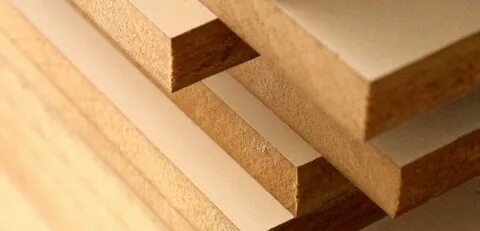
Understanding MDF and Its Market Role
Medium Density Fiberboard is made by compressing wood fibers—usually from hardwood or softwood waste—with a resin binder and wax under high temperature and pressure. This creates a dense, uniform panel that can be machined like wood but offers better surface smoothness and dimensional stability.
MDF is primarily used in:
Furniture manufacturing
Cabinetry and shelving
Wall paneling
Interior moldings
Doors and partitions
Its affordability, workability, and adaptability make it a preferred material in both residential and commercial projects.
Technological Innovations Driving the MDF Market
The MDF market is embracing innovation across manufacturing processes, product development, and performance enhancement. The following technologies are reshaping the landscape:
1. Advanced Resin Technologies
Traditional MDF production uses formaldehyde-based adhesives, which pose environmental and health risks. In response, manufacturers are developing formaldehyde-free or low-emission resins, such as methylene diphenyl diisocyanate (MDI) and bio-based binders. These resins significantly reduce VOC emissions and comply with global environmental standards like CARB Phase 2 and EPA TSCA Title VI.
2. Surface Treatment and Pre-lamination
Innovations in pre-laminated MDF with decorative films, foils, and melamine-impregnated paper have improved the aesthetic and functional quality of panels. Advanced coating and lamination technologies now offer enhanced resistance to moisture, abrasion, and UV exposure, making MDF suitable for high-performance applications.
3. Lightweight MDF (L-MDF)
Reducing panel weight without compromising structural integrity is a key focus. Lightweight MDF improves handling, transportation, and usability, particularly in modular and flat-pack furniture manufacturing. Techniques such as core density variation and hollow-core structures are being explored.
4. CNC and Digital Cutting Integration
Automation and CNC (computer numerical control) technology are now being integrated into MDF fabrication. This allows for precise cutting, intricate detailing, and customization, which are crucial for premium furniture and interior design elements.
5. Smart Manufacturing and Industry 4.0
Many MDF manufacturers are investing in Industry 4.0 tools such as IoT-enabled machinery, AI-based quality control systems, and predictive maintenance. These technologies enhance production efficiency, minimize waste, and improve product consistency.
Sustainability Trends in the MDF Market
Sustainability is no longer optional—it's a strategic imperative in the MDF industry. Environmental concerns and green building trends are driving change in how MDF is sourced, produced, and marketed.
1. Recycled and Sustainable Raw Materials
The core material in MDF—wood fiber—is increasingly sourced from forest thinning, sawmill waste, and recycled wood. This reduces pressure on forests and supports circular economy models. Certifications like FSC (Forest Stewardship Council) and PEFC (Programme for the Endorsement of Forest Certification) are becoming essential for market competitiveness.
2. Low-VOC and Eco-friendly Panels
Green construction standards like LEED, BREEAM, and national green building codes demand materials with low emissions. As a result, demand for eco-friendly MDF panels—those that emit minimal or no formaldehyde—is growing rapidly.
3. Energy-efficient Manufacturing
Manufacturers are investing in energy-efficient machinery, heat recovery systems, and renewable energy sources (such as biomass from wood waste) to reduce the carbon footprint of production. Lifecycle assessments (LCA) and environmental product declarations (EPD) are increasingly used to quantify sustainability metrics.
4. End-of-Life and Recyclability
Traditionally, MDF was hard to recycle due to the adhesives used. However, new dismantling and recycling technologies are being developed to separate wood fibers from resins, opening up possibilities for recycling post-consumer MDF panels.
Market Impact of Innovation and Sustainability
The convergence of technology and sustainability is redefining competitive advantage in the MDF market:
Premium Segments: High-quality, moisture-resistant, and low-VOC MDF is now in demand for premium applications, including kitchen and bathroom cabinetry.
Export Markets: Eco-labeled and certified MDF is crucial for accessing regulated markets such as the EU, Japan, and North America.
Brand Reputation: Manufacturers promoting green practices and transparent supply chains are gaining consumer trust and brand loyalty.
Challenges Ahead
Despite progress, several challenges remain:
High Cost of Green Technology: Transitioning to low-emission resins and energy-efficient systems involves significant capital investment.
Regulatory Complexity: Different countries have varying environmental standards, making compliance more complex for exporters.
Recycling Infrastructure: Lack of large-scale MDF recycling facilities limits circular use and end-of-life sustainability.
Future Outlook
By 2030, the MDF market will be shaped by continued technological disruption and a maturing sustainability agenda. Key future trends include:
Bio-based Adhesives from lignin, starch, and tannin that could fully replace synthetic resins.
Smart Panels embedded with sensors for monitoring humidity, temperature, or structural integrity.
Decentralized Production Models enabled by digital fabrication and on-demand customization.
As manufacturers, designers, and builders increasingly prioritize performance, health, and environmental responsibility, the next decade promises to be a period of innovation-driven growth for the MDF industry.
Conclusion
The MDF market is evolving rapidly in response to technological advances and sustainability imperatives. From greener adhesives and smarter production lines to recycled content and recyclable products, the future of MDF is both innovative and eco-conscious. Stakeholders who embrace these changes will not only reduce their environmental impact but also unlock new business opportunities in a growing global market.