Argan Oil Market Innovation: Cold-Pressed Extraction Technology Enhancing Product Purity and Value

The Argan Oil Market , long revered for its unique blend of skincare, cosmetic, and nutritional benefits, is entering a new phase of innovation led by advances in extraction technology. At the forefront of this transformation is cold-pressed extraction, a method increasingly preferred for its ability to retain the oil’s natural compounds, improve purity, and enhance market value. As consumers grow more discerning and ingredient-conscious, cold-pressed argan oil has emerged as a premium product — commanding higher prices and building stronger brand credibility across global markets.
Understanding Cold-Pressed Extraction
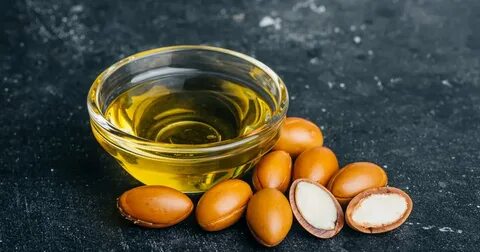
Cold-pressed extraction is a mechanical process in which the kernels of the argan nut are pressed at low temperatures (typically below 49°C or 120°F) to extract the oil without applying heat or chemical solvents. This method preserves the bioactive compounds in argan oil, such as essential fatty acids (oleic and linoleic acid), tocopherols (vitamin E), squalene, sterols, and polyphenols.
By avoiding heat degradation, cold-pressed argan oil retains its natural color, aroma, and nutrient profile — making it especially attractive for high-end applications in cosmetics, skincare, hair care, and even gourmet food. In contrast, solvent-based or heat-treated methods, while yielding higher volumes, can strip the oil of its beneficial properties and compromise purity.
Rising Demand for Purity and Transparency
Today’s consumers are highly informed and increasingly prioritize product authenticity and natural formulation. In the argan oil market, this translates into demand for minimally processed, chemical-free products. Cold-pressed oil aligns perfectly with these values, offering a clean-label solution that supports transparency and efficacy.
This is particularly evident in the skincare and personal care sectors, where brands such as Josie Maran, The Ordinary, and Kahina Giving Beauty prominently advertise “cold-pressed” argan oil on their packaging and marketing materials. Cold-pressed labeling is often associated with artisanal quality and environmental responsibility — factors that resonate strongly with ethically-minded shoppers.
Moreover, certifications such as ECOCERT Organic, USDA Organic, and COSMOS Natural often require cold-pressed methods or discourage solvent-based extraction, further reinforcing its adoption in premium segments.
Enhancing Product Value and Market Differentiation
The use of cold-pressed technology not only preserves quality but also significantly enhances the perceived and actual value of argan oil products. Brands using this method can command higher retail prices due to the associated purity, superior performance, and environmentally friendly appeal.
This premium positioning is particularly effective in mature markets such as Europe, North America, and Japan, where consumers are willing to pay more for verified, high-quality, sustainable ingredients. Cold-pressed oil is also more suitable for formulations targeting sensitive skin, aging concerns, or wellness-conscious consumers — all of which are growing niche categories in the personal care industry.
In the food-grade segment, cold-pressed oil extracted from lightly roasted kernels is gaining recognition for its rich flavor, nutritional benefits, and gourmet appeal. Culinary brands are increasingly highlighting cold-pressed extraction as a marker of authenticity and excellence, driving demand in organic food stores and specialty restaurants.
Sustainability and Environmental Impact
Another critical benefit of cold-pressed extraction is its low environmental footprint. Unlike chemical extraction, which often uses hexane or other solvents that may pollute water and air, cold-pressing is a clean mechanical process that generates minimal waste and avoids toxic by-products. This aligns with the growing global emphasis on sustainable sourcing, production, and packaging.
In Morocco — the epicenter of argan oil production — many cooperatives and eco-conscious producers are adopting cold-pressed methods not only for quality purposes but also as part of broader environmental stewardship goals. Solar-powered presses, manual grinders, and water-efficient processes are being used to make cold-pressing even more sustainable, enhancing the product’s value chain appeal.
Additionally, cold-pressed techniques support local economies and female empowerment, as they are often carried out in women-led cooperatives that follow fair-trade practices and reinvest profits into community development.
Technological Advances and Equipment Innovation
While cold-pressing has traditionally been a manual or semi-mechanical process, recent technological advancements have modernized the approach. Today’s precision cold-pressing machines are capable of controlling temperature, pressure, and yield with a high degree of accuracy. This not only ensures consistent product quality but also improves production efficiency — allowing small and medium enterprises (SMEs) to scale without compromising on purity.
Automated cold-pressing systems now include filtration units, nitrogen flushing to prevent oxidation, and stainless-steel enclosures to meet food and cosmetic-grade hygiene standards. These innovations are driving down production costs and expanding access to cold-pressed argan oil for emerging brands and exporters.
In tandem, blockchain-enabled traceability systems and digital quality control tools are being integrated into the extraction and packaging process, offering end-to-end transparency that appeals to tech-savvy, conscientious consumers.
Challenges and Cost Considerations
Despite its advantages, cold-pressed extraction does present some challenges. Most notably, it yields lower oil volumes compared to solvent-based methods, which can affect cost competitiveness, especially in price-sensitive markets. Cold-pressing also requires careful kernel selection, skilled labor, and longer processing times — factors that contribute to higher production costs.
As a result, cold-pressed argan oil is often priced higher than conventional variants, limiting its accessibility in some regions or customer segments. However, many industry players argue that the long-term brand equity and consumer loyalty it delivers outweigh short-term margin concerns.
Governments, NGOs, and impact investors are also stepping in to provide technical support, subsidies, and infrastructure funding to help cooperatives adopt cold-pressing technology — bridging the gap between quality production and global market access.
Conclusion
Cold-pressed extraction technology represents a significant innovation in the argan oil market, one that enhances both product integrity and brand value. As consumer preferences increasingly shift toward clean, natural, and ethically produced goods, cold-pressed argan oil offers a compelling proposition that meets the moment.
By preserving nutritional and therapeutic compounds, supporting sustainability, and enabling product differentiation, cold-pressed technology is not just a processing method — it is a strategic lever that can elevate the argan oil industry to new heights. For producers, brands, and consumers alike, cold-pressing offers a purer path forward in an increasingly crowded and competitive market.