Wound Cleanser Market Driven by Diabetic Ulcers, Burns, and Pressure Sores Requiring Specialized Products

The global Wound Cleanser Market is gaining strong momentum, significantly driven by the rising prevalence of diabetic ulcers, burns, and pressure sores. These conditions, which require careful and consistent wound management, have created a heightened need for specialized cleansing solutions that are both safe and effective. As wound complexity and patient vulnerability increase, the demand for advanced, targeted wound cleansers continues to grow across hospitals, long-term care facilities, and home healthcare environments.
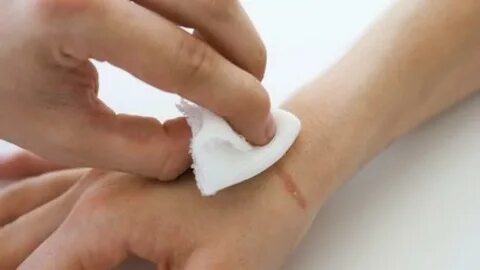
This growth is being propelled by several intersecting trends, including rising chronic disease rates, aging populations, and improved awareness of proper wound care techniques. At the same time, technological innovation and new product development are enhancing the capabilities of wound cleansers to address the specific needs of complex wounds.
Diabetic Ulcers: A Global Health Challenge Demanding Precision Care
Diabetic foot ulcers are among the most common and challenging chronic wounds, affecting millions of people worldwide. According to the International Diabetes Federation, over 537 million adults are currently living with diabetes, and up to 25% of them are likely to develop foot ulcers during their lifetime.
These ulcers often result from poor circulation, nerve damage, and prolonged pressure on the feet. Due to the compromised immune response in diabetic patients, even small wounds can progress quickly and become infected. If not managed properly, diabetic ulcers may lead to severe complications, including limb amputation.
Wound cleansers play a critical role in diabetic wound management by helping to remove necrotic tissue, reduce bacterial load, and prepare the wound for further treatment. Specialized cleansers with antimicrobial agents such as polyhexamethylene biguanide (PHMB), hypochlorous acid, or honey-based formulations are commonly used to support healing while minimizing pain and tissue damage.
Healthcare providers increasingly rely on these targeted products in both hospital and outpatient settings, where early intervention can prevent infections and improve long-term outcomes for diabetic patients.
Burn Wounds: Driving Demand for Gentle, Effective Cleansing Solutions
Burns present another major driver for the wound cleanser market, especially in regions with high rates of industrial accidents, domestic injuries, or limited access to advanced medical care. Burn wounds are particularly susceptible to infection due to exposed tissue, fluid loss, and immune suppression, necessitating meticulous cleansing to support healing and prevent complications.
Unlike many other wounds, burns require cleansers that are non-cytotoxic and minimally irritating. Patients with second- or third-degree burns often undergo painful and repeated dressing changes, so products that can cleanse effectively without causing further tissue damage are in high demand.
Cleansers formulated with soothing and anti-inflammatory ingredients—such as aloe vera, chamomile extract, or lidocaine—are commonly used for burn management. Advances in hydrogel-based cleansers, which both hydrate and clean wounds simultaneously, are also gaining popularity among clinicians for their ability to promote comfort and support the healing process.
Burn units in hospitals, emergency departments, and outpatient burn clinics are expanding their use of such specialized products, particularly in pediatric and elderly populations where sensitivity to pain and infection risk are greater.
Pressure Sores: Rising in Long-Term and Home Care Settings
Pressure sores, also known as pressure ulcers or bedsores, are another critical factor fueling the wound cleanser market. Commonly found among elderly or immobile patients, these wounds develop from prolonged pressure on the skin, particularly in areas such as the heels, hips, and back.
As long-term care facilities, rehabilitation centers, and home healthcare services grow in importance, so too does the need for wound cleansers that can address the fragile nature of pressure ulcers. These wounds often occur in patients with thin, aging skin and compromised mobility, necessitating products that are both gentle and effective.
Cleansers used for pressure sores are typically non-irritating, preservative-free, and pH-balanced to minimize skin disruption. Foam-based or spray cleansers offer a no-touch application, reducing discomfort and contamination risks during dressing changes. Additionally, some products are infused with moisturizing agents to maintain skin integrity and prevent the wound from drying out.
With the aging population projected to double by 2050, the prevalence of pressure ulcers—and the corresponding demand for wound cleansers tailored to this demographic—will likely continue rising.
Specialized Products Meet Complex Clinical Needs
Across all three wound types—diabetic ulcers, burns, and pressure sores—the common thread is the growing need for specialized, condition-specific cleansers. Unlike general antiseptics, today’s wound cleansers are formulated based on wound type, severity, patient age, and healing stage.
Manufacturers are investing in R&D to develop multi-action cleansers that:
Provide antimicrobial protection without harming healthy tissue.
Maintain an optimal moist wound environment.
Reduce pain during application.
Support autolytic debridement.
Comply with clinical protocols and patient safety standards.
The market has also seen the rise of combination products that integrate cleansing, moisturizing, and healing agents into a single formulation—making them more convenient for caregivers and cost-effective for institutions.
Regional Market Growth and Home Healthcare Trends
North America and Europe currently dominate the wound cleanser market, thanks to advanced healthcare infrastructure, higher awareness of wound care practices, and established reimbursement systems. However, the Asia-Pacific region is emerging as a key growth area, driven by rising rates of diabetes, industrial injuries, and increasing investments in healthcare modernization.
In both developed and developing countries, the shift toward home-based care is further propelling demand for wound cleansers that can be used safely by non-clinical caregivers. Portable packaging, single-use vials, and instructional materials are increasingly common features as manufacturers target the growing home healthcare segment.
Conclusion: A Market Aligned with Specialized Care Needs
The wound cleanser market is no longer dominated by generic antiseptics—it has evolved into a sophisticated, specialized industry responding to the complex needs of wound types like diabetic ulcers, burns, and pressure sores. As chronic wounds become more prevalent and healthcare systems emphasize early intervention and home care, the demand for advanced wound cleansing solutions will only increase.
Companies that continue to innovate with patient-centric, clinically effective, and easy-to-use formulations will be best positioned to thrive in this expanding market—improving outcomes for some of the most vulnerable patient populations around the world.