Neonatal Ventilator Market Trends Highlight Importance of Non-Invasive Ventilation and Patient-Centric Designs

The Neonatal Ventilator Market is undergoing a major transformation as medical device innovation, clinical research, and NICU protocols converge to favor non-invasive and synchronized breathing support systems. This shift reflects a growing emphasis on lung-protective strategies for neonates, especially premature infants, whose underdeveloped lungs require delicate and precise respiratory assistance.
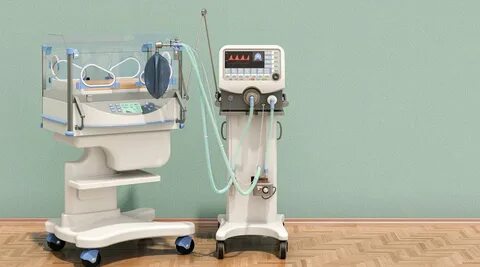
In 2025, as neonatal survival rates improve globally, clinicians and hospitals are increasingly moving away from traditional invasive mechanical ventilation toward more adaptive and patient-friendly solutions. This trend is shaping not only the product portfolios of leading ventilator manufacturers but also the structure of neonatal intensive care delivery.
Rising Demand for Lung-Protective Ventilation
Neonatal lungs, particularly in preterm infants, are extremely fragile. Conventional invasive ventilation, although lifesaving, often comes with a high risk of ventilator-induced lung injury (VILI), bronchopulmonary dysplasia (BPD), and long-term respiratory complications. This has led to a paradigm shift in neonatal respiratory care—from maximal support to minimal necessary intervention.
Non-invasive ventilation (NIV) modes such as nasal continuous positive airway pressure (nCPAP), nasal intermittent positive pressure ventilation (NIPPV), and high-flow nasal cannula (HFNC) have gained traction as frontline therapies in managing respiratory distress syndrome (RDS), apnea of prematurity, and other common neonatal conditions.
These methods help maintain functional residual capacity, reduce the need for intubation, and lower the risk of trauma and infection. Importantly, they promote early extubation and improve outcomes in very low birth weight (VLBW) and extremely low birth weight (ELBW) infants.
Synchronised Ventilation Systems Gain Ground
In parallel with the rise of non-invasive techniques, synchronised ventilation systems are increasingly being deployed in neonatal care units. These ventilators are designed to detect the infant’s own respiratory efforts and deliver support that is timed precisely with their natural breathing cycle.
NAVA, for instance, uses electrical activity from the diaphragm to control ventilator function in real-time. This highly individualized approach results in better synchrony and allows the neonate to control their own breathing effort, which is particularly important for reducing sedation needs and facilitating weaning.
Technological Innovation Driving Adoption
Modern neonatal ventilators are now equipped with enhanced user interfaces, real-time monitoring, smart alarms, and closed-loop control systems that optimize ventilation parameters continuously based on patient feedback.
Some of the key innovations fueling this trend include:
Intelligent algorithms that predict respiratory patterns and adjust pressure/flow automatically.
Integrated humidification and temperature control for non-invasive modes, reducing airway irritation.
Portable and compact designs suitable for both in-hospital and transport use.
Hybrid models that seamlessly switch between invasive and non-invasive modes, depending on clinical needs.
Digital integration is also transforming neonatal care. Smart ventilators are increasingly connected to NICU data systems, allowing remote monitoring, trend analysis, and early detection of complications.
Clinical Evidence Supports the Shift
Numerous studies and clinical guidelines now advocate for early use of non-invasive and synchronised ventilation techniques. Research indicates that early initiation of nCPAP or NIPPV can significantly reduce the need for invasive ventilation and the incidence of BPD.
These endorsements are pushing hospitals, especially in middle- and high-income countries, to invest in advanced ventilator systems that support synchronized non-invasive modalities.
Market Implications and Manufacturer Strategies
The global neonatal ventilator market is evolving rapidly in response to these trends. Leading players such as Dräger, Medtronic, GE HealthCare, Vyaire Medical, Philips, and Hamilton Medical are focusing on expanding their non-invasive product lines, integrating AI-based synchrony features, and improving ease-of-use for clinical staff.
Product development is also increasingly aligned with the needs of resource-limited settings, where access to trained professionals and consistent electricity may be limited. Cost-effective and easy-to-use non-invasive systems are being designed for deployment in tier 2 and tier 3 hospitals in Asia, Africa, and Latin America.
Barriers to Adoption
Despite strong momentum, several challenges remain in widespread adoption of non-invasive and synchronised systems:
High initial cost of advanced ventilators and accessories.
Training gaps among NICU personnel unfamiliar with newer modes and synchronisation features.
Limited reimbursement in some healthcare systems for advanced non-invasive therapies.
Addressing these issues requires broader capacity-building programs, integration of training into neonatal fellowships, and more robust health insurance support to cover newer technologies.
Future Outlook
The neonatal ventilator market is expected to grow at a healthy CAGR over the next decade, with non-invasive and synchronised systems representing the fastest-growing segment. As technology continues to evolve and clinical evidence reinforces their value, these advanced systems will become the new standard of care.
Moreover, with AI and machine learning integration on the horizon, next-generation ventilators may soon offer predictive analytics, automated weaning protocols, and personalized respiratory care based on genetic and clinical profiles.
Conclusion
The shift toward non-invasive and synchronised breathing support systems marks a pivotal transformation in neonatal respiratory care. As NICUs embrace lung-protective strategies and smarter technologies, neonatal ventilators are no longer just life-saving machines—they are precision tools enabling gentler, safer, and more individualized support for the most vulnerable patients.
Manufacturers, clinicians, and policymakers must work in tandem to ensure equitable access to these technologies worldwide, paving the way for a future where every newborn receives the respiratory care they need to thrive.