Orthopaedic Surgical Robots Market Threats: Regulatory Hurdles and Compliance Challenges Impacting Global Adoption Rates

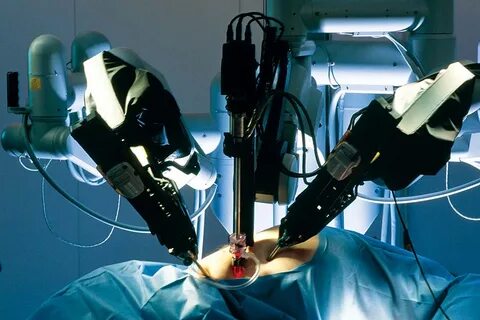
The orthopaedic surgical robots market is witnessing a significant uptick in adoption, primarily driven by the enhanced surgical precision these systems offer and the resultant improvement in patient outcomes. As healthcare providers and patients increasingly recognize the benefits of robotic-assisted surgeries, the market is poised for substantial growth in the coming years. The integration of robotic technology into orthopaedic surgery has ushered in a new era of precision and minimally invasive procedures. However, the widespread adoption of orthopaedic surgical robots is impeded by significant regulatory hurdles and compliance challenges. These obstacles not only delay market entry but also increase costs, thereby limiting access to these advanced technologies, particularly in emerging markets.
Complex Regulatory Approval Processes
Orthopaedic surgical robots are classified as Class II or III medical devices in many jurisdictions, such as the United States and the European Union. In the U.S., the Food and Drug Administration (FDA) requires a 510(k) premarket notification for Class II devices, demonstrating that the new device is substantially equivalent to an existing legally marketed device. For Class III devices, a more stringent Premarket Approval (PMA) process is necessary, involving extensive clinical trials to establish safety and efficacy.
Similarly, in Europe, the Medical Device Regulation (MDR) necessitates rigorous clinical evaluations and post-market surveillance for devices to obtain the CE mark, allowing them to be marketed within the European Economic Area. The transition from the Medical Devices Directive (MDD) to MDR has introduced more stringent requirements, increasing the complexity and duration of the approval process.
These stringent regulatory requirements can result in prolonged development timelines, increased costs, and delayed market entry, particularly challenging for smaller companies and startups with limited resources.
Data Privacy and Cybersecurity Compliance
The incorporation of artificial intelligence (AI) and machine learning in orthopaedic surgical robots necessitates the collection and processing of vast amounts of patient data. In regions like the European Union, compliance with data protection regulations such as the General Data Protection Regulation (GDPR) is mandatory. This includes ensuring data anonymization, implementing encryption protocols, and maintaining audit trails to safeguard patient privacy.
Moreover, the cybersecurity of robotic systems is a growing concern. Vulnerabilities in software and hardware can expose systems to cyber-attacks, potentially compromising patient safety. Regulatory bodies are increasingly emphasizing cybersecurity standards, compelling manufacturers to invest in robust security measures and comply with evolving regulations.
Divergent Global Regulatory Standards
The lack of harmonization among global regulatory standards presents a significant challenge for manufacturers aiming to market orthopaedic surgical robots internationally. For instance, while the FDA focuses on AI transparency, the National Medical Products Administration (NMPA) in China prioritizes hardware durability, requiring extensive operational testing. Such discrepancies necessitate the development of region-specific models, increasing costs and complicating the regulatory process.
In emerging markets, underdeveloped regulatory ecosystems can lead to inconsistent approval processes. For example, India's lack of specific guidelines for surgical robots has resulted in ad hoc approvals, raising concerns about safety and efficacy.
Clinical Validation and Post-Market Surveillance
Regulatory agencies require comprehensive clinical validation to ensure the safety and effectiveness of orthopaedic surgical robots. In Japan, for instance, the Pharmaceutical and Medical Devices Agency (PMDA) mandates multi-year clinical trials to demonstrate that healthcare robots perform equivalently to human surgeons. Such extensive trials can be time-consuming and costly, posing barriers for companies with limited resources.
Furthermore, post-market surveillance is critical to monitor the long-term performance of these devices. Regulatory bodies require manufacturers to report adverse events and implement corrective actions when necessary. This ongoing compliance adds to the operational burden and costs for manufacturers.
Key Manufacturers in the Orthopaedic Surgical Robots Market
Several companies are at the forefront of manufacturing orthopaedic surgical robots, each contributing unique innovations:
Stryker Corporation : Known for its Mako SmartRobotics™ system, Stryker integrates 3D CT-based planning, AccuStop™ haptic technology, and data analytics to assist surgeons in joint replacement procedures.
Zimmer Biomet : The ROSA® Robotics platform offers robotic-assisted surgical systems for knee, hip, and shoulder procedures, providing real-time kinematic data for personalized implant positioning.
Medtronic : Through its Mazor X Stealth™ Edition system, Medtronic combines advanced surgical planning software with robotic guidance to enhance spinal surgeries.
Emerging Trends and Innovations
Integration of Artificial Intelligence (AI) : AI algorithms are being incorporated into surgical robots for enhanced preoperative planning, intraoperative guidance, and postoperative analysis, leading to more personalized and efficient surgeries.
Augmented Reality (AR) and Haptic Feedback : The combination of AR for visualization and haptic feedback for tactile sensation is improving the surgeon's ability to perform complex procedures with greater precision.
Minimally Invasive Techniques : Robotic systems are increasingly being designed for minimally invasive surgeries, reducing patient recovery times and hospital stays.
Liability and Legal Risks
The use of orthopaedic surgical robots introduces complex liability issues. In the event of a malfunction or adverse patient outcome, determining accountability can be challenging. Legal frameworks in various jurisdictions may not be fully equipped to address these emerging technologies, leading to uncertainties regarding liability.
Additionally, the integration of AI in surgical robots raises questions about decision-making accountability. If an AI system makes a recommendation that leads to patient harm, it is unclear whether the responsibility lies with the manufacturer, the healthcare provider, or the AI system itself.
Strategies to Overcome Regulatory Challenges
To mitigate these regulatory hurdles, several strategies can be employed:
Engaging with Regulatory Bodies Early : Proactively engaging with regulatory agencies during the development phase can provide valuable feedback and facilitate smoother approval processes.
Investing in Compliance Resources : Allocating resources to ensure compliance with data protection regulations and cybersecurity standards can prevent costly delays and potential legal issues.
Pursuing International Certifications : Obtaining certifications such as ISO 13485 for quality management systems can demonstrate a commitment to quality and facilitate market entry in various regions.
Collaborating with Local Partners : Partnering with local entities in target markets can provide insights into regulatory requirements and assist in navigating the approval process.
Advocating for Harmonized Standards : Engaging in industry groups to promote the development of harmonized global regulatory standards can reduce complexity and costs for manufacturers.
Conclusion
While orthopaedic surgical robots hold the promise of transforming surgical practices through enhanced precision and minimally invasive procedures, their global adoption is hindered by significant regulatory hurdles and compliance challenges. Addressing these issues through strategic planning, early engagement with regulatory bodies, and investment in compliance infrastructure is essential for facilitating the widespread adoption of these advanced technologies. By navigating the complex regulatory landscape effectively, manufacturers can bring innovative solutions to market, ultimately improving patient outcomes and advancing the field of orthopaedic surgery.