
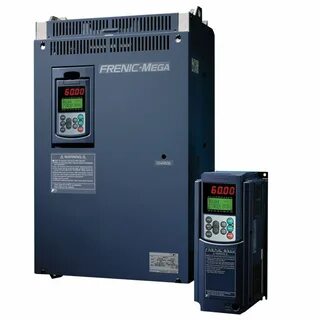
The Variable Frequency Drive (VFD) Market have become integral components in modern water and wastewater treatment facilities, offering substantial improvements in energy efficiency, process control, and system reliability. By adjusting motor speeds to match real-time demands, VFDs optimize energy consumption, reduce operational costs, and extend equipment lifespan.
1. Energy Efficiency and Cost Savings
Traditional fixed-speed pumps often operate at full capacity regardless of demand, leading to unnecessary energy consumption. VFDs allow pumps to run at variable speeds, aligning energy use with actual requirements. This adjustment can lead to significant energy savings. For instance, the City of Columbus reported a 30% reduction in energy usage after implementing VFDs in their wastewater treatment facilities. Similarly, the Robecco sul Naviglio Water Purification Plant in Italy achieved energy savings by optimizing oxygenation processes using VFDs.
2. Enhanced Process Control
VFDs provide precise control over pump speed and pressure, enabling better management of water flow and treatment processes. This precision reduces wear and tear on equipment, minimizes the risk of water hammer, and ensures consistent water quality. Advanced VFDs can also integrate with Supervisory Control and Data Acquisition (SCADA) systems, allowing for real-time monitoring and adjustments based on dynamic conditions.
3. Reduction in Pump Clogging and Downtime
Clogged pumps can lead to significant downtime and maintenance costs. Modern VFDs equipped with anti-clogging features can automatically reverse pump rotation to dislodge debris, reducing the need for manual intervention. For example, a wastewater treatment plant in the southern United States experienced a decrease in pump clogs from twice a week to zero within three months of installing VFDs with anti-clog capabilities.
4. Extended Equipment Lifespan
By providing soft-start capabilities, VFDs reduce the mechanical stress associated with direct-on-line motor starts. This reduction in stress leads to less wear on pumps and associated components, thereby extending their operational lifespan and reducing maintenance costs. Additionally, VFDs can help in reducing the size of standby generators, as they lower the inrush current required during motor startup.
5. Environmental and Regulatory Compliance
The adoption of VFDs aligns with global sustainability goals by reducing energy consumption and greenhouse gas emissions. Many municipalities are implementing energy-efficient technologies to meet environmental regulations and reduce their carbon footprint. For instance, Austria has achieved energy neutrality in its wastewater sector through energy benchmarking and the adoption of energy-efficient technologies.
6. Smart Integration and Predictive Maintenance
The integration of VFDs with smart technologies enables predictive maintenance and operational optimization. Data-driven predictive energy optimization models, utilizing machine learning algorithms, can forecast energy consumption and adjust operations accordingly. A study demonstrated a 16.7% decrease in electrical energy consumption while maintaining treatment standards by implementing such predictive models in a wastewater pumping station.
Market Dynamics
1. Technological Advancements
Modern VFDs are increasingly incorporating features such as Internet of Things (IoT) connectivity, predictive maintenance capabilities, and integration with Industry 4.0 systems. These advancements enhance operational efficiency, reduce downtime, and improve energy management across various industrial applications .
2. Regional Production Shifts
Asia-Pacific remains the dominant region in VFD production, accounting for over 34.5% of the global market share in 2024. Countries like China, India, and Japan are leading in manufacturing capacity, driven by rapid industrialization and infrastructure development. For instance, China's VFD market is projected to grow at a CAGR of 5.6% through 2034 .
3. Modular and Scalable Designs
There is a growing trend towards modular and scalable VFD solutions that offer flexibility and adaptability to diverse industrial applications. These designs allow for easy upgrades and customization, catering to the evolving needs of industries such as HVAC, water treatment, and manufacturing .
🏭 Production Challenges and Opportunities
Challenges
Supply Chain Disruptions : The COVID-19 pandemic led to significant disruptions in global supply chains, affecting the availability of raw materials and components essential for VFD production.
High Initial Costs : The adoption of advanced VFD technologies often involves high initial investment costs, which can be a barrier for small and medium-sized enterprises.
Opportunities
Energy Efficiency Regulations : Stringent energy efficiency standards and regulations are driving the demand for VFDs, particularly in regions like Europe and North America.
Emerging Markets : Rapid industrialization in emerging economies presents significant growth opportunities for VFD manufacturers. Companies are increasingly targeting these markets through localized production and tailored solutions .
Conclusion
The adoption of Variable Frequency Drives in water and wastewater treatment facilities offers a multifaceted approach to enhancing operational efficiency. From significant energy savings and improved process control to extended equipment lifespan and alignment with environmental goals, VFDs play a crucial role in modernizing water treatment infrastructure. As municipalities continue to prioritize sustainability and cost-effectiveness, the integration of VFDs will remain a key strategy in achieving these objectives.