Bone Densitometer Market Analysis Reveals Surge in Preventive Healthcare and Diagnostic Awareness

The Bone Densitometer Market is experiencing significant momentum as global healthcare trends shift toward preventive care and early disease detection. With osteoporosis and bone-related disorders on the rise, awareness campaigns and policy shifts are encouraging routine screening using bone densitometers, which assess bone mineral density (BMD) and help identify patients at risk of fractures. As a result, healthcare systems worldwide are increasingly adopting these devices as essential diagnostic tools—positioning the market for steady growth through 2030.
Rise of Preventive Healthcare as a Growth Driver
Preventive healthcare has moved to the forefront of medical practice due to rising costs of chronic disease management and increased focus on population health. Governments, insurers, and healthcare providers are promoting early screening programs for various non-communicable diseases—including osteoporosis. Bone density testing, once reserved primarily for elderly populations or post-fracture diagnosis, is now becoming a proactive step in assessing long-term skeletal health, especially for women over the age of 50.
Healthcare policy bodies such as the U.S. Preventive Services Task Force (USPSTF) recommend routine BMD screening for postmenopausal women and individuals with risk factors for osteoporosis. These guidelines have encouraged greater diagnostic awareness, fueling demand for bone densitometers across both developed and emerging economies.
Growing Diagnostic Awareness Worldwide
Public health campaigns and greater access to medical information have led to heightened awareness about osteoporosis, bone fragility, and the long-term consequences of untreated low bone mass. Educational initiatives by organizations such as the International Osteoporosis Foundation (IOF), National Osteoporosis Foundation (NOF), and World Health Organization (WHO) are playing a key role in increasing public engagement with diagnostic services.
In developing regions, mobile health units and community outreach programs are helping bring diagnostic tools, including portable bone densitometers, to rural and underserved populations. These efforts are reducing stigma and encouraging early intervention in bone health, particularly in areas where awareness and access have traditionally been limited.
Technological Evolution Boosting Market Accessibility
Technological advancements have played a crucial role in expanding the reach of bone densitometry. The introduction of dual-energy X-ray absorptiometry (DEXA or DXA) systems revolutionized bone health assessment by offering highly accurate and low-radiation imaging. Today, DEXA remains the gold standard for BMD measurement, especially in hospitals and diagnostic centers.
Recent developments, however, have made bone densitometry more portable, affordable, and user-friendly. Key innovations include:
Portable DEXA devices for use in outpatient clinics and home healthcare settings
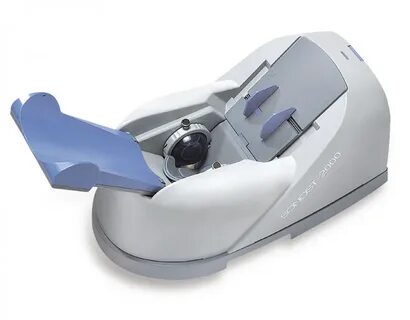
Quantitative ultrasound (QUS) systems offering radiation-free alternatives, especially suitable for resource-limited areas
AI-assisted analysis software for faster, automated BMD assessment and risk prediction
Cloud-based data storage and remote reporting, improving workflow efficiency and enabling telehealth integration
These innovations are not only improving diagnostic capabilities but also reducing operational barriers in deploying densitometers in remote and decentralized settings.
Market Segmentation Insights
The bone densitometer market can be segmented based on product type, technology, application, end user, and geography:
By Product Type: Central and peripheral bone densitometers
By Technology: DEXA, QUS, pDXA (peripheral DXA), and QCT (quantitative computed tomography)
By Application: Osteoporosis diagnosis, fracture risk assessment, cystic fibrosis, and chronic kidney disease
By End User: Hospitals, diagnostic imaging centers, research institutes, mobile health units
Among these, the DEXA technology segment holds the largest share, due to its widespread adoption in clinical practice and ongoing technological improvements.
Regional Market Dynamics
North America
North America leads the global market, attributed to a strong focus on preventive medicine, early adoption of medical technologies, and well-established reimbursement frameworks for osteoporosis screening. The U.S. and Canada are seeing an uptick in bone density testing as part of annual health checkups, especially for aging women and individuals with a family history of fractures.
Europe
Europe follows closely, with countries like Germany, the U.K., and France actively promoting early diagnosis through national screening programs. Government-supported healthcare and widespread awareness have contributed to high diagnostic rates.
Asia-Pacific
Asia-Pacific is emerging as a high-growth market. With aging populations in China, Japan, and South Korea, and increasing healthcare investments across Southeast Asia and India, the region is experiencing rapid adoption of bone densitometry equipment. Awareness campaigns are also on the rise, often supported by regional governments and health organizations.
Latin America, Middle East, and Africa (LAMEA)
While still in early stages, these regions show growing interest in preventive healthcare. NGOs, mobile clinics, and regional health ministries are introducing bone screening services, particularly in urban areas and among postmenopausal women.
Competitive Landscape
Several key players dominate the bone densitometer market, including:
Hologic Inc. – Known for advanced DEXA systems with precision analytics and low radiation exposure
GE Healthcare – Offers the Lunar series of bone densitometers, recognized for reliability and software integration
DMS Imaging – A European leader focusing on both hospital-grade and portable densitometry systems
BeamMed Ltd. – Specializes in compact, ultrasound-based devices that are easy to deploy
Osteosys Co. Ltd. – A strong player in Asia, offering budget-friendly densitometers with competitive performance
These companies are increasingly investing in R&D, AI integration, and expanding into untapped regional markets through distributor partnerships and localization strategies.
Challenges and Opportunities
While the market is expanding, it faces several challenges:
High initial costs of advanced DEXA equipment
Inconsistent reimbursement policies across different healthcare systems
Limited awareness in certain rural or underserved areas
However, these challenges also present growth opportunities. Low-cost, portable, and AI-enabled devices are expected to address access gaps, while continued educational initiatives will boost screening rates and patient compliance.
Conclusion
The surge in preventive healthcare and growing diagnostic awareness are reshaping the global bone densitometer market. As the world shifts toward early detection of chronic diseases, bone health is becoming a priority, not just for older adults but across at-risk populations. Technological innovations, regional policy support, and increased public education will continue to fuel market growth through 2030. Companies that embrace accessibility, automation, and patient-centric care models are poised to lead this evolving landscape.