Urinary Catheters Market Analysis: Rising Geriatric Population and Technological Advancements Driving Global Expansion
By anvidubey, 2025-06-03
The global Urinary Catheters Market is experiencing significant growth, propelled by the increasing geriatric population and continuous technological advancements. These factors are reshaping the landscape of urinary care, leading to improved patient outcomes and expanded market opportunities.

Market Overview
As of 2023, the Urinary Catheters Market was valued at approximately USD 5.2 billion and is projected to reach USD 10.15 billion by 2033, growing at a compound annual growth rate (CAGR) of 5.6% during the forecast period. This growth is attributed to the rising prevalence of urinary disorders, increased awareness about urinary incontinence, and the aging global population necessitating greater demand for urinary catheters.
Impact of the Aging Population
The aging population remains a pivotal growth driver for the urinary catheters market. As the global demographic shifts toward an older average age, the occurrence of urinary disorders, including benign prostatic hyperplasia (BPH), bladder dysfunction, and incontinence, is on the rise. This demographic trend is especially pronounced in regions like North America and Europe, where the proportion of elderly individuals in the population is increasing.
In the Asia-Pacific region, countries like China and India are witnessing a surge in the elderly population, leading to a higher prevalence of urological disorders. This trend is anticipated to fuel the demand for urinary catheters in these markets.
Technological Advancements Enhancing Market Growth
Technological advancements in the design and manufacture of urinary catheters have created new avenues for market expansion. Innovations such as antimicrobial coatings, hydrophilic catheters, and improved biocompatible materials are enhancing the safety, comfort, and efficacy of these products.
For instance, Bactiguard's latex BIP Foley Catheter, an indwelling urinary catheter using exclusive infection prevention technology, has received approval under the Medical Device Regulations. This catheter features a thin coating of noble metal alloy that reduces microbial adhesion, thereby decreasing the incidence of catheter-associated urinary tract infections (CAUTIs).
Additionally, the development of smart catheters equipped with sensors for real-time monitoring and AI-aided geometric designs to prevent bacterial contamination are revolutionizing urinary care.
Product Segmentation and Trends
The urinary catheters market is segmented based on product types, including indwelling (Foley) catheters, intermittent catheters, and external catheters.
Indwelling Catheters : These are commonly used for long-term catheterization and are preferred in hospital settings due to their convenience. Advancements in indwelling catheter design, such as antimicrobial coatings and improved materials, have enhanced their performance and patient safety.
Intermittent Catheters : These are gaining popularity, especially among patients managing chronic conditions at home. Their design minimizes the risk of CAUTIs and offers greater independence to users.
External Catheters : These provide a non-invasive option for urinary management, particularly beneficial for patients with functional impairments or those seeking alternatives to indwelling devices.
Coated catheters, featuring hydrophilic or antimicrobial coatings, are witnessing rising demand as they reduce friction during insertion and minimize the risk of infections.
Regional Market Insights
North America : This region holds a significant share of the urinary catheters market, attributed to advanced healthcare infrastructure, high awareness levels, and substantial healthcare spending.
Europe : Europe's market is driven by an aging population and robust healthcare systems. Initiatives to educate healthcare professionals about urinary catheterization techniques and infection prevention strategies contribute to market expansion.
Asia-Pacific : The Asia-Pacific region is anticipated to witness the highest growth rate during the forecast period. Factors such as increasing healthcare investments, rising prevalence of urinary diseases, and improved access to healthcare services, particularly in countries like China and India, drive this growth.
Challenges and Considerations
Despite the positive outlook, the urinary catheters market faces challenges such as the risk of CAUTIs, the need for regular catheter maintenance, and the availability of alternative urinary management options. Education and awareness programs on catheter-related complications and benefits of advanced catheter technologies are crucial for driving market growth.
Conclusion
The urinary catheters market is set for substantial growth, propelled by demographic shifts, technological innovations, and increasing awareness of urological health. Continuous research and development, coupled with strategic investments by key market players, will be instrumental in addressing existing challenges and meeting the evolving needs of patients worldwide.
Urinary Bag Market Research: Addressing Hygiene Challenges with Advanced Anti-Reflux and Leak-Proof Designs
By anvidubey, 2025-06-03
The global Urinary Bag Market is undergoing significant transformation, driven by the imperative to enhance hygiene standards and patient comfort. Central to this evolution are innovations in anti-reflux mechanisms and leak-proof designs, aimed at mitigating infection risks and improving user experience.

The Imperative for Enhanced Hygiene
Urinary tract infections (UTIs), particularly catheter-associated UTIs (CAUTIs), remain a prevalent concern in healthcare settings. These infections not only compromise patient health but also escalate healthcare costs. The Centers for Disease Control and Prevention (CDC) highlights that indwelling urinary catheters are a primary source of hospital-acquired infections. Consequently, there is a pressing need for urinary drainage solutions that prioritize hygiene and reduce infection risks.
Innovations in Anti-Reflux Technology
A pivotal advancement in urinary bag design is the integration of anti-reflux valves. These valves prevent the backflow of urine from the bag into the bladder, a common pathway for bacterial transmission leading to UTIs. By ensuring unidirectional flow, anti-reflux mechanisms significantly reduce the likelihood of infections. For instance, products like the AMSure® Urinary Drainage Bags incorporate anti-reflux chambers to enhance patient safety.
Advancements in Leak-Proof Designs
Leakage from urinary bags not only causes discomfort but also poses hygiene challenges. Modern designs focus on robust sealing mechanisms and durable materials to prevent leaks. Features such as kink-resistant tubing and secure drainage valves ensure consistent urine flow and minimize the risk of accidental spills. These enhancements are crucial for both hospital settings and home care, where maintaining a sterile environment is paramount.
Manufacturing Process and Materials
The production of urinary bags involves several critical steps to ensure safety, durability, and patient comfort. Key materials include:
Polyethylene Film : Offers durability, flexibility, and biocompatibility, making it ideal for urine collection.
Polyvinyl Chloride (PVC) : Provides excellent barrier properties against moisture and gases, ensuring the integrity of the contents.
Additives and Stabilizers : Plasticizers enhance flexibility; UV stabilizers protect against degradation; antimicrobial agents reduce bacterial growth.
Printing Inks and Adhesives : Used for labeling and secure sealing, ensuring product information is clear and the bag remains leak-proof.
These materials are selected to meet stringent medical-grade standards, ensuring the final product is safe for patient use .
Leading Manufacturers
Several companies dominate the urinary bag manufacturing sector, offering a range of products tailored to various patient needs:
B. Braun Melsungen AG : Provides a comprehensive portfolio of urine drainage bags with anti-reflux valves and odor barriers.
Coloplast A/S : Offers high-quality urinary drainage systems designed for mobility and comfort.
ConvaTec Group PLC : Specializes in urinary collection solutions with advanced drainage and secure closure systems.
Teleflex Incorporated : Manufactures a wide variety of urinary drainage bags focused on infection control.
Medline Industries, LP : Supplies cost-effective urinary bags for hospitals and home healthcare providers .
In India, companies like Angiplast Pvt. Ltd. and SurgiKart India are notable manufacturers, offering products that emphasize durability, comfort, and ease of use .
Smart Technologies Enhancing Hygiene
The advent of smart urinary bags marks a significant leap in patient care. These devices, equipped with sensors and digital interfaces, allow real-time monitoring of urine output and bag capacity. Such features not only aid in timely bag emptying but also reduce the chances of overflows and associated infections. For example, Observe Medical's UnoMeter Safeti Plus offers advanced monitoring capabilities, enhancing both patient safety and caregiver efficiency.
Sustainability and Hygiene: A Dual Focus
Environmental concerns are influencing the design and disposal of urinary bags. Manufacturers are exploring biodegradable materials and reusable options to reduce medical waste. However, ensuring that these sustainable alternatives do not compromise hygiene standards is essential. Innovations are focusing on materials that are both eco-friendly and resistant to bacterial growth, balancing environmental responsibility with patient safety.
Market Dynamics and Future Outlook
The urinary bag market is poised for growth, with projections indicating a compound annual growth rate (CAGR) of 4.11% through 2030. This expansion is fueled by an aging population, increased prevalence of chronic diseases, and a shift towards home-based healthcare. As demand rises, the emphasis on hygiene-centric designs will continue to drive innovation and set new industry standards.
Conclusion
Addressing hygiene challenges in urinary bag design is not merely a clinical necessity but also a commitment to enhancing patient dignity and care quality. Through the integration of advanced anti-reflux mechanisms, leak-proof features, and smart technologies, the industry is making significant strides in infection prevention and patient comfort. As sustainability considerations gain prominence, the future of urinary bag development lies in solutions that harmonize hygiene, environmental responsibility, and user-centric design.
Ultra-fast EV Charging Station Market Threats: Faces Regulatory Hurdles Impacting Deployment and Standardization Efforts
By anvidubey, 2025-06-03
The rapid expansion of Ultra-Fast Electric Vehicle (EV) Charging Station Market charging infrastructure is crucial to support the global transition to electric mobility. However, the deployment and standardization of these charging stations face significant regulatory challenges that can impede progress.

1. Complex Zoning Laws and Permitting Processes
In many regions, zoning laws dictate where charging stations can be installed, often restricting them to specific areas or requiring adherence to particular design standards. These regulations can vary widely between municipalities, leading to a lack of consistency and increasing the complexity of deployment efforts. Additionally, permitting processes, which involve securing approvals from various government agencies, can be time-consuming and costly. In some cases, the bureaucratic hurdles associated with obtaining permits can delay the installation of charging stations for months or even years.
2. Tariff Structures and Revenue Models
The financial viability of charging stations is often influenced by government-imposed tariff structures. In India, for example, the tariff for electricity supplied to EV charging stations is capped at the Average Cost of Supply (ACoS) until March 2026. While this aims to keep charging costs affordable, it can limit the revenue potential for operators, especially during periods of high demand. Furthermore, the introduction of revenue-sharing models, where land-owning agencies receive a share of the revenue based on electricity consumed, can add complexity to financial planning and operations.
3. Standardization and Interoperability Challenges
A fragmented EV charging landscape could undermine consumer adoption and operational efficiency. Standardization and interoperability are essential to overcoming these challenges. The government, in partnership with industry stakeholders, must create uniform standards for charging equipment and payment systems, ensuring compatibility across various devices and platforms.
In India, the guidelines for private operators mandate that public locations can be made available to private Charge Point Operators (CPOs) through competitive bidding, with ₹1 per kWh as a floor price for revenue share. While this approach aims to create a level playing field, it has led to concerns about the involvement of state agencies in securing critical locations, sometimes without direct investment in developing the charging stations themselves.
4. Electricity Connection Timelines and Infrastructure Requirements
The installation of charging stations is often delayed due to lengthy electricity connection timelines and stringent infrastructure requirements. In India, distribution companies (DISCOMs) are mandated to provide electricity connections within specified timelines, ranging from three days in metropolitan areas to up to 90 days if new distribution infrastructure is required. However, delays in meeting these timelines can hinder the timely deployment of charging stations. Additionally, charging stations must comply with safety and operational requirements, such as proper cabling, fire protection, and adequate space, which can add to the complexity and cost of installation.
5. Environmental and Land Use Regulations
Charging stations, particularly those located in sensitive environmental areas, must comply with a range of environmental protection laws. These laws may govern everything from land use and water quality to wildlife conservation and emissions. Meeting these requirements can add significant costs and delays to the installation process, especially in regions with stringent environmental regulations. Furthermore, the process of selecting sites for charging stations must take into account environmental impact assessments and public consultations, which can further complicate and prolong the development timeline.
Policy Support and Global Trends
Governments worldwide are recognizing the importance of integrating renewable energy with EV charging infrastructure:
- India's Renewable Energy Guidelines: India's Ministry of Power has released guidelines encouraging the integration of renewable energy sources at EV charging stations. These guidelines promote the use of solar power and battery storage systems to enhance sustainability and reduce grid dependency.
- United Kingdom's EV Infrastructure Strategy: The UK government has committed to expanding its EV charging network, with a focus on utilizing renewable energy sources. Initiatives include developing solar-powered charging hubs and incentivizing the adoption of green technologies in charging infrastructure.
- Norway's EV Adoption Policies: Norway has become a global leader in EV adoption, with nearly 90% of new car sales being electric. This success is attributed to generous incentives and a robust charging infrastructure powered by renewable energy sources.
Future Outlook
Despite advancements, several challenges persist in the manufacturing and deployment of ultra-fast EV chargers:
High Infrastructure Costs : The initial investment for setting up ultra-fast charging stations is substantial, which can deter potential investors.
Grid Integration : Integrating high-power chargers into existing electrical grids requires significant upgrades to handle increased loads without compromising stability.
Standardization : The lack of universal standards for charging connectors and communication protocols can lead to compatibility issues between different EV models and charging stations.
Conclusion
While the ultra-fast EV charging station market holds immense potential to accelerate the adoption of electric vehicles, regulatory hurdles remain a significant barrier to widespread deployment and standardization. Addressing these challenges requires coordinated efforts between governments, regulatory bodies, and industry stakeholders to streamline permitting processes, establish uniform standards, and create supportive financial models. By overcoming these regulatory obstacles, the transition to a sustainable and efficient EV charging infrastructure can be realized more effectively.
Ultra-low Temperature Freezer Market Overview Challenges and Solutions in Temperature Calibration Processes
By anvidubey, 2025-06-03
The Ultra-Low Temperature (ULT) Freezer Market , capable of maintaining temperatures between -40°C and -86°C, are indispensable in biopharmaceutical research, clinical trials, and biobanking. Ensuring accurate temperature calibration in these freezers is critical to preserving the integrity of sensitive biological samples. However, the calibration process presents several challenges that can impact operational efficiency and sample safety.
Market Overview
The global ULT freezer market is experiencing steady growth, driven by increasing demand for biopharmaceuticals and vaccines. The biopharmaceutical industry requires precise temperature control to ensure product stability and efficacy. Advancements in technology, such as energy-efficient compressors and IoT-enabled monitoring systems, have enhanced the performance and efficiency of ULT freezers. However, the market faces restraints, including high initial investment costs, significant maintenance and operating expenses, and environmental concerns related to refrigerants with high global warming potential .
Challenges in Temperature Calibration
1. Technical Complexity
ULT freezers incorporate advanced technologies to achieve and maintain ultra-low temperatures. The complexity of these systems can make calibration processes intricate and time-consuming. Ensuring uniform temperature distribution throughout the freezer and accurate sensor readings requires specialized knowledge and equipment.
2. Regulatory Compliance
Stringent regulatory requirements across various countries necessitate that ULT freezers comply with quality and safety standards. Agencies like the U.S. Food and Drug Administration and the European Union mandate precise temperature control and documentation for the storage of sensitive biological samples. Adhering to these regulations can be challenging, especially when calibration processes are not standardized .
3. Environmental Factors
External environmental conditions, such as ambient temperature and humidity, can influence the internal temperature stability of ULT freezers. Fluctuations in these conditions may affect the accuracy of temperature sensors, leading to calibration drift over time.
4. Resource Constraints
Regular calibration requires skilled personnel and specialized equipment. In regions with limited access to trained technicians or calibration tools, maintaining accurate temperature control becomes a significant challenge. Additionally, the costs associated with calibration services can be prohibitive for smaller laboratories and research facilities.
Manufacturing Process
- Design and Engineering
- The development process begins with designing the refrigeration system, insulation materials, and structural components. Engineers simulate thermal performance and airflow to optimize efficiency and reliability.
- Component Fabrication
- Individual components, including compressors, evaporators, and condensers, are fabricated and tested for quality and performance.
- Assembly
- Components are assembled into the freezer unit, with careful attention to sealing, wiring, and integration of control systems.
- Testing and Quality Control
- Each unit undergoes rigorous testing to ensure it meets temperature specifications, safety standards, and durability requirements. This includes thermal cycling, vibration testing, and compliance with certifications such as CE and UL .
- Packaging and Distribution
- Once approved, the units are packaged securely and prepared for shipment to customers worldwide.
Solutions to Calibration Challenges
1. Integration of IoT and Smart Monitoring
The adoption of Internet of Things (IoT) technology in ULT freezers allows for real-time temperature monitoring and alerts. Smart monitoring systems enable continuous tracking of temperature fluctuations, facilitating proactive maintenance and calibration. This integration enhances operational efficiency and ensures compliance with storage standards .
2. Standardized Calibration Protocols
Developing and implementing standardized calibration protocols can streamline the calibration process across different facilities. Standardization ensures consistency in calibration procedures, reducing the likelihood of errors and enhancing compliance with regulatory requirements.
3. Training and Skill Development
Investing in training programs for laboratory personnel can build the necessary skills for effective calibration and maintenance of ULT freezers. Workshops and certification courses can equip technicians with the knowledge to perform accurate calibrations, troubleshoot issues, and maintain equipment efficiently.
4. Use of Advanced Calibration Tools
Employing advanced calibration tools, such as high-precision temperature probes and data loggers, can improve the accuracy of calibration processes. These tools provide detailed insights into temperature variations within the freezer, enabling precise adjustments and ensuring sample integrity.
Conclusion
Accurate temperature calibration is vital for the optimal performance of ultra-low temperature freezers, directly impacting the safety and efficacy of stored biological materials. While challenges exist, including technical complexity, regulatory compliance, environmental factors, and resource constraints, the implementation of smart technologies, standardized protocols, skill development, and advanced tools offers viable solutions. Addressing these challenges is essential for the continued growth and reliability of the ULT freezer market.
Tooth Filling Materials Market Dynamics: Growth Driven by Aesthetic Demand and Minimally Invasive Procedures
By anvidubey, 2025-06-03
The global tooth filling materials market is experiencing robust growth, propelled by increasing patient demand for aesthetically pleasing restorations and the widespread adoption of minimally invasive dental procedures. These trends are reshaping the landscape of restorative dentistry, influencing material innovation, clinical practices, and market expansion.

Aesthetic Demand: The Shift Towards Tooth-Colored Restorations
In recent years, there has been a significant shift in patient preferences towards dental restorations that offer both functionality and aesthetic appeal. Traditional amalgam fillings, known for their durability but conspicuous appearance, are increasingly being replaced by tooth-colored materials that blend seamlessly with natural dentition.
Composite resins have emerged as the material of choice for many dental practitioners and patients. These materials can be precisely color-matched to the patient's teeth, providing a more natural and visually appealing result. Advancements in nanotechnology have further enhanced the properties of composite resins, improving their wear resistance and longevity .
Glass ionomer cements are also gaining popularity due to their aesthetic qualities and additional benefits, such as fluoride release, which aids in preventing further tooth decay. These materials are particularly beneficial for pediatric and geriatric patients, offering ease of application and compatibility with dental tissues .
Minimally Invasive Procedures: Preserving Natural Tooth Structure
The dental industry is witnessing a paradigm shift towards minimally invasive procedures that prioritize the preservation of natural tooth structure. This approach not only maintains the integrity of the tooth but also reduces patient discomfort and recovery time.
Composite resins play a crucial role in minimally invasive dentistry. Their ability to bond directly to the tooth structure allows for smaller cavity preparations, conserving more of the healthy tooth. This attribute aligns with the principles of conservative dentistry and meets the growing patient demand for treatments that are less invasive and more comfortable
Technological advancements have further facilitated minimally invasive techniques. Innovations in dental materials and equipment enable dentists to perform procedures with greater precision and efficiency, often eliminating the need for extensive interventions .
Market Growth and Projections
The convergence of aesthetic demand and minimally invasive practices is driving significant growth in the tooth filling materials market. According to industry reports, the market is projected to reach USD 3.72 billion by 2033, reflecting a compound annual growth rate (CAGR) of 5.88% .
Composite resins are expected to dominate the market, with their segment projected to expand at a CAGR of 6.7%, reaching over USD 1.7 billion by 2034 . This growth is attributed to their aesthetic appeal, functional characteristics, and suitability for minimally invasive procedures.
Emerging markets, particularly in the Asia-Pacific region, are anticipated to witness the fastest growth. Factors such as increasing healthcare expenditure, rising awareness of oral health, and the growing adoption of advanced dental technologies are contributing to this expansion .
Innovations and Future Outlook
The tooth filling materials market is poised for continued innovation, driven by the need for materials that offer enhanced aesthetics, durability, and biocompatibility. Research and development efforts are focusing on bioactive materials that not only restore tooth function but also promote remineralization and overall dental health .
Additionally, the integration of digital dentistry and 3D printing technologies is revolutionizing restorative procedures. These advancements allow for more precise and efficient fabrication of dental restorations, improving patient outcomes and satisfaction .
As patient expectations continue to evolve, the demand for tooth filling materials that combine aesthetic appeal with minimally invasive application will remain a significant driver of market growth. Dental professionals and manufacturers must adapt to these trends, embracing innovations that align with the principles of modern, patient-centered care.
Undercarriage Components Market Growth Forecast 2025: Impact of Material Innovation and Heavy Machinery Demand
By anvidubey, 2025-06-02
The Undercarriage Components Market is poised for significant growth through 2025, driven by the combined forces of material innovation and rising demand for heavy machinery across construction, mining, agriculture, and other industrial sectors. Undercarriage parts—such as tracks, rollers, sprockets, idlers, and track chains—play a critical role in the performance, reliability, and longevity of heavy equipment, especially when operating under harsh conditions. As industry demands evolve, advancements in materials technology and the increasing deployment of heavy machinery globally are expected to fuel sustained market expansion.
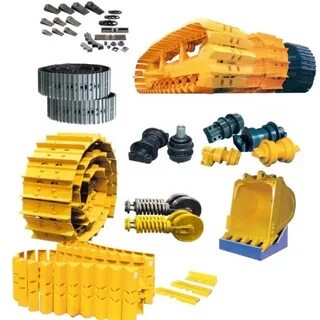
Market Overview
The global undercarriage components market is essential to the heavy equipment ecosystem, serving industries that require rugged, high-performance machinery to operate on rough terrains and challenging environments. Key end-use sectors include construction, mining, forestry, and agriculture, all of which rely on durable undercarriage parts for optimal machine operation and reduced maintenance costs.
Market growth is being shaped by several overarching trends: escalating global infrastructure projects, expanding mining activities, increasing mechanization in agriculture, and rising automation levels in heavy equipment. However, one of the most transformative factors driving growth is the continuous innovation in materials used to manufacture undercarriage components.
Material Innovation: The Game-Changer
Material innovation is reshaping the undercarriage components market by enhancing component durability, wear resistance, and overall lifecycle, which directly impacts operational efficiency and cost-effectiveness.
High-Strength Alloys and Advanced Steel Grades
Manufacturers are increasingly adopting high-strength steel alloys and heat-treated materials that offer superior resistance to abrasion, impact, and fatigue. These advanced steels maintain structural integrity under extreme pressure and reduce the frequency of part replacements, lowering total cost of ownership (TCO) for equipment operators.
Wear-Resistant Coatings and Surface Treatments
Innovations such as tungsten carbide overlays, thermal spraying, and advanced surface hardening techniques enhance wear resistance significantly. These coatings protect critical components like rollers and sprockets from abrasive soil and rock conditions, extending service intervals.
Composite Materials and Polymer Integration
The integration of composite materials and polymers in select undercarriage parts is gaining traction. These materials provide reduced weight without compromising strength, improving fuel efficiency and machine maneuverability. While composites are currently limited to niche applications, ongoing R&D is likely to broaden their usage.
3D Printing and Additive Manufacturing
Emerging technologies like 3D printing enable complex geometries and optimized designs that traditional manufacturing cannot achieve easily. This allows for customized undercarriage components with improved performance characteristics, rapid prototyping, and reduced lead times.
Heavy Machinery Demand Driving Growth
The global demand for heavy machinery is growing steadily, propelled by increasing investments in infrastructure, mining exploration, and agricultural mechanization.
Infrastructure Development : Governments worldwide are accelerating infrastructure projects to boost economic growth and urbanization. Roads, bridges, airports, and residential/commercial construction require vast fleets of heavy equipment, all relying on robust undercarriage systems.
Mining Sector Expansion : Mining operations are expanding due to rising demand for minerals, metals, and energy resources. Heavy-duty excavators, bulldozers, and haul trucks used in mining demand high-quality undercarriage components to withstand rugged conditions.
Agricultural Mechanization : As labor shortages and productivity demands increase, farmers are adopting mechanized equipment with tracked systems to navigate soft soils and uneven terrain, pushing demand for durable undercarriage parts.
Technological Upgrades and Automation : Heavy machinery manufacturers are integrating automation, telematics, and smart systems, increasing the need for reliable, sensor-compatible undercarriage components that can support predictive maintenance and remote monitoring.
Market Forecast Through 2025
The undercarriage components market is forecasted to grow at a compound annual growth rate (CAGR) of approximately 5-7% through 2025, with market size expected to expand significantly in terms of revenue and volume.
Revenue Growth : Increasing investments in R&D for material innovation combined with robust machinery sales will drive revenue growth. Higher value-added products featuring advanced materials and smart technology integration will command premium pricing.
Volume Growth : Rising demand for construction and mining equipment, especially in emerging economies such as China, India, Brazil, and parts of Africa, will fuel volume growth of undercarriage components.
Regional Dynamics : Asia-Pacific will dominate market growth due to rapid industrialization and urbanization. North America and Europe will see steady demand driven by equipment replacement cycles and infrastructure upgrades. Latin America and the Middle East will exhibit gradual growth tied to mining and construction investments.
Challenges Impacting Market Growth
While the outlook is positive, certain challenges could temper market expansion:
Raw Material Price Volatility : Fluctuations in steel and alloy prices impact manufacturing costs, sometimes leading to price volatility for undercarriage components.
Environmental Regulations : Increasing focus on sustainable manufacturing and emissions reduction can affect material selection and production methods, requiring adaptation.
Maintenance Costs : Despite material advancements, the cost of replacing undercarriage components remains high, prompting operators to balance cost and performance carefully.
Industry Trends and Innovations
Several emerging trends are shaping the future of the undercarriage components market:
Predictive Maintenance and IoT : Integration of sensors within undercarriage components for real-time condition monitoring is gaining ground. Predictive analytics help minimize downtime and optimize maintenance schedules.
Modular Designs : Manufacturers are focusing on modular, easy-to-replace components to reduce maintenance time and costs.
Sustainable Materials : Research into recyclable and eco-friendly materials aims to reduce the environmental footprint of undercarriage manufacturing.
Collaborative R&D : Partnerships between material scientists, equipment manufacturers, and component suppliers are accelerating innovation cycles.
Conclusion
The undercarriage components market is set for robust growth through 2025, strongly influenced by material innovations and rising heavy machinery demand. Advanced materials such as high-strength alloys, wear-resistant coatings, and composites are improving component durability and performance, enabling equipment to operate longer and more efficiently in harsh environments. Concurrently, expanding infrastructure projects, mining exploration, agricultural mechanization, and technological upgrades in machinery are propelling demand for high-quality undercarriage parts globally.
Market players that invest strategically in material R&D, smart technology integration, and customer-focused solutions are well-positioned to capitalize on growth opportunities. However, they must navigate challenges related to raw material costs, sustainability pressures, and competitive pricing. Overall, the future of the undercarriage components market looks promising, underpinned by technological advancements and the continuing evolution of heavy machinery across the globe.
Thyroid Function Test Market Barriers Driven by Low Reimbursement Rates and Alternative Diagnostic Methods Emerging Rapidly
By anvidubey, 2025-06-02
The Thyroid Function Test Market is a critical component of the broader in-vitro diagnostics industry, serving an essential role in the detection, diagnosis, and monitoring of thyroid disorders such as hypothyroidism, hyperthyroidism, thyroiditis, and thyroid cancer. Despite growing global awareness about thyroid health and an increase in the number of patients seeking diagnosis, several structural and emerging barriers threaten the growth of this market. Chief among these challenges are persistently low reimbursement rates and the rapid emergence of alternative diagnostic methods, both of which are reshaping market dynamics and influencing stakeholder strategies.

The Challenge of Low Reimbursement Rates
One of the most persistent barriers to market expansion is the issue of inadequate reimbursement for thyroid function testing. In many countries—especially those with publicly funded healthcare systems or cost-conscious insurance providers—reimbursement rates for diagnostic tests have been under pressure due to efforts to reduce healthcare spending. This directly affects the profitability and sustainability of laboratories, hospitals, and diagnostic manufacturers.
In the United States, Medicare and private insurers have placed downward pressure on the reimbursement of commonly used thyroid tests such as TSH (thyroid-stimulating hormone), Free T3, Free T4, and thyroid antibodies. Over time, these pricing constraints have discouraged some laboratories from offering comprehensive thyroid panels unless specifically requested or medically justified. Even when tests are offered, providers may consolidate testing or delay routine screenings due to cost concerns, which impacts early diagnosis and disease management.
Europe faces a similar landscape, particularly in countries with nationalized healthcare systems like the United Kingdom, France, and Germany. Governments have implemented cost-control mechanisms that include bundled payment systems and lab service caps. As a result, laboratories often operate under tight budgets, forcing them to opt for lower-cost testing solutions and cut back on advanced diagnostics. These constraints ultimately limit the accessibility and availability of comprehensive thyroid screening.
In emerging economies such as India, Brazil, and parts of Southeast Asia, reimbursement systems are either underdeveloped or entirely absent for many diagnostic services. In such settings, the out-of-pocket model dominates, making price a critical factor for both providers and patients. This further limits the uptake of high-quality thyroid testing, especially in rural and underserved areas.
The Rise of Alternative Diagnostic Methods
While reimbursement challenges impact traditional diagnostic service providers, an equally disruptive force is the rapid emergence of alternative thyroid diagnostic methods. These innovations are reshaping the competitive landscape and shifting patient preferences away from conventional laboratory testing.
One major area of growth is the expansion of home-based thyroid testing kits. These direct-to-consumer (DTC) solutions allow individuals to collect blood samples via finger-prick tests at home and mail them to certified labs for analysis. Results are then delivered digitally, often accompanied by explanations and follow-up recommendations. Companies like Everlywell, LetsGetChecked, and Paloma Health have seen increased uptake, particularly during and after the COVID-19 pandemic, as consumers became more comfortable with remote health monitoring.
While convenient, these home-based tests pose a threat to traditional providers by siphoning off a growing segment of price-sensitive and convenience-oriented consumers. These kits typically cost less than traditional lab visits and are not reliant on insurance reimbursements, making them an attractive option for patients facing financial or logistical barriers to in-person testing.
Another area of disruption is the use of AI-powered diagnostic tools and predictive analytics. Emerging digital health platforms now integrate patient-reported symptoms, wearable device data (such as changes in heart rate or body temperature), and medical history to predict thyroid dysfunction. While not yet a full replacement for hormone-level measurement, these tools are gaining traction as early screening or monitoring tools, particularly in telehealth settings. Over time, their increasing accuracy and convenience could reduce reliance on standard thyroid function panels.
Additionally, the development of molecular diagnostics and biomarker-based testing is beginning to challenge the dominance of conventional hormone assays. These advanced tests offer more nuanced insights into the genetic and molecular basis of thyroid diseases, including early-stage thyroid cancer and autoimmune thyroiditis. Although these methods are currently expensive and often limited to research or specialized clinics, their growing clinical adoption may displace traditional TSH/T3/T4 testing in some contexts.
Implications for Stakeholders
The dual pressure of low reimbursement and disruptive alternatives poses significant implications for manufacturers, laboratories, and healthcare providers. For diagnostic companies, shrinking margins due to reimbursement cuts limit their ability to invest in innovation, R&D, and quality assurance. It also increases the risk of market commoditization, where providers are forced to compete purely on price rather than performance or service quality.
Laboratories, on the other hand, must make strategic decisions about test offerings, infrastructure investment, and staffing. Many are consolidating operations, adopting automation, and entering into partnerships with DTC platforms to stay viable. Some are even exploring private pay models or subscription-based diagnostic services to reduce dependence on traditional reimbursement frameworks.
Healthcare providers face a more complex patient journey as they must navigate a mix of lab-based, home-based, and digital diagnostic options. Ensuring accurate interpretation and continuity of care becomes more challenging as patients present with results from multiple sources, sometimes lacking clinical context or oversight.
Regulators and policymakers must also grapple with the need to update reimbursement policies and clinical guidelines to reflect emerging diagnostic paradigms. Failure to adapt could result in diagnostic gaps, especially among populations that cannot afford out-of-pocket testing or access digital tools.
Conclusion
The thyroid function test market is undergoing profound changes driven by low reimbursement rates and the rise of alternative diagnostic methods. While these developments create barriers to traditional business models, they also highlight the need for innovation, policy reform, and adaptation. To navigate this shifting landscape, stakeholders must embrace integrated diagnostic strategies, advocate for reimbursement modernization, and invest in technologies that offer both clinical value and cost efficiency. The future of thyroid diagnostics will depend not just on scientific advancement but also on the industry's ability to meet evolving economic, technological, and patient-driven challenges.
Thin-Film Encapsulation (TFE) Market Threats from Raw Material Scarcity and Regulatory Changes Affecting Profit Margins
By anvidubey, 2025-06-02
The Thin-Film Encapsulation (TFE) Market has become a foundational technology for the protection and performance of flexible electronic devices, especially in organic light-emitting diodes (OLEDs), wearable sensors, solar panels, and flexible displays. As demand for flexible electronics grows globally, so does the demand for advanced encapsulation methods that offer both flexibility and superior barrier properties. TFE meets these requirements through multilayer barrier structures combining organic and inorganic films. However, the market faces serious threats from raw material scarcity and evolving regulatory landscapes—both of which are beginning to erode the profit margins of key players in the supply chain.

The Growing Demand for High-Performance Materials
TFE relies on a combination of highly engineered materials such as:
Inorganic barriers : aluminum oxide (Al₂O₃), silicon nitride (SiNx), and other metal oxides
Organic layers : high-purity polymers and UV-curable resins
Substrate materials : ultra-thin glass or flexible plastics like polyethylene naphthalate (PEN) and polyethylene terephthalate (PET)
These materials must meet stringent specifications in terms of optical transparency, water vapor transmission rate (WVTR), thermal stability, and chemical resistance. Their performance is non-negotiable for applications like OLED displays and solar cells, where even minimal degradation can reduce device life and efficiency.
However, sourcing these materials is becoming increasingly difficult due to supply chain disruptions, rising geopolitical tensions, and heightened demand across competing industries like semiconductors, automotive electronics, and energy storage.
Threat 1: Raw Material Scarcity and Supply Chain Disruptions
1. Limited Sources and Supplier Concentration
Many key materials used in TFE, such as aluminum oxide and high-performance polymer films, are produced by a small number of specialized manufacturers concentrated in regions like East Asia, Europe, and North America. A disruption—whether due to natural disasters, political instability, or export restrictions—can result in severe shortages and long lead times.
For instance, high-purity aluminum precursors used in atomic layer deposition (ALD) processes are not widely available and are subject to stringent purity controls. Disruption in their supply can halt production lines and delay product delivery.
2. Competition with Other Industries
As more industries adopt advanced materials, the competition for the same raw materials intensifies. The electric vehicle (EV) sector, for example, is rapidly expanding its demand for thin polymer films and specialty coatings, which also serve as substrates or components in TFE. This shared demand drives up prices and limits availability.
3. Rising Material Costs
Inflationary pressures and increased costs of raw materials are directly impacting the cost structure of TFE products. For companies operating on tight margins or competing in price-sensitive markets, this becomes a critical issue. Higher costs are often not easily passed on to customers, especially in sectors where cost reduction is a key competitive factor, such as consumer electronics.
Threat 2: Regulatory Changes and Environmental Compliance
1. Restrictions on Hazardous Substances
Regulatory bodies in the U.S., European Union, and Asia are tightening rules on chemicals used in manufacturing, particularly those that are classified as toxic, volatile, or environmentally hazardous. TFE processes sometimes involve solvents, adhesion promoters, or precursors that fall under scrutiny—such as fluorinated gases and certain organosilanes.
New or updated regulations like REACH (Registration, Evaluation, Authorisation and Restriction of Chemicals) in Europe or TSCA (Toxic Substances Control Act) in the U.S. can lead to added compliance costs or outright bans on certain chemicals, forcing manufacturers to reformulate processes or find alternatives.
2. Carbon Emission Standards
The environmental footprint of thin-film deposition methods, particularly vacuum-based techniques, is another growing concern. High energy consumption, emissions from precursor chemicals, and waste disposal issues are being evaluated under new environmental policies, including carbon taxation and sustainability scoring.
Companies are under pressure to meet corporate sustainability goals and to respond to regulatory mandates with greener operations. This may require significant capital investments in process upgrades, energy-efficient equipment, or recycling systems—all of which weigh heavily on profit margins.
3. Extended Producer Responsibility (EPR)
Emerging regulations may also introduce Extended Producer Responsibility (EPR), requiring manufacturers to manage the post-consumer phase of their products. For TFE-integrated products like flexible OLED panels, this could mean added costs for recycling or safe disposal of materials that are difficult to separate or degrade.
Strategic Implications for Key Players
1. Pressure on Profit Margins
Between increased material costs and regulatory compliance expenses, TFE manufacturers and integrators are seeing a squeeze on profit margins. Smaller firms in particular may struggle to remain competitive or scale their operations under these dual pressures.
2. Need for Material Innovation
To mitigate material-related threats, companies must invest in alternative materials that are abundant, cost-effective, and environmentally benign. Research into bio-based polymers, non-toxic ALD precursors, or hybrid encapsulation systems could offer new pathways to reduce reliance on constrained resources.
3. Localization and Supply Chain Resilience
Geographical diversification of suppliers and localization of raw material sourcing can improve supply chain resilience. Building regional partnerships, vertical integration, and strategic stockpiling are becoming essential risk management practices in the TFE industry.
4. Proactive Regulatory Engagement
Companies should not only comply with regulations but also proactively engage with regulators, industry consortia, and standardization bodies. Early involvement can help shape realistic policies and facilitate smoother adaptation through shared best practices and pre-competitive collaboration.
Conclusion
The Thin-Film Encapsulation (TFE) market is at a pivotal juncture. While demand for flexible, high-performance electronic products continues to rise, the dual threats of raw material scarcity and increasingly stringent regulations are creating significant headwinds. These factors directly affect production costs, profitability, and long-term sustainability.