Variable Frequency Drive (VFD) Market Driven by Integration in Electric Vehicles and Green Energy Systems
By anvidubey, 2025-07-31
The global Variable Frequency Drive (VFD) market is undergoing a transformative shift as it aligns with the expanding ecosystems of electric vehicles (EVs) and green energy systems. Once largely confined to traditional industrial settings, VFDs are now gaining relevance in emerging sectors committed to decarbonization, energy efficiency, and electrification. The rise in sustainable energy projects and the shift toward electric mobility are opening new frontiers for VFD manufacturers and suppliers.
What Are Variable Frequency Drives?
A variable frequency drive is an electronic device used to regulate the speed and torque of electric motors by varying the input frequency and voltage. This level of control allows for improved motor performance, energy savings, and extended equipment life. While commonly used in industries such as manufacturing, HVAC, and water treatment, VFDs are increasingly being recognized for their vital role in advanced and eco-friendly technologies.
Electric Vehicles: A Growing Application for VFDs
The electric vehicle market is one of the fastest-growing sectors globally, driven by rising environmental concerns, government incentives, and significant advancements in battery technologies. VFDs are now being integrated into electric vehicle powertrains and auxiliary systems to enable efficient motor control.
In EVs, traction motors require precise speed and torque management for acceleration, deceleration, and regenerative braking. VFDs offer dynamic control that enhances vehicle performance, range, and energy efficiency. Additionally, VFDs contribute to noise reduction and smoother ride quality by minimizing abrupt motor actions.
Automakers are exploring compact and high-performance VFDs that can withstand the rigorous demands of electric propulsion systems. This has led to the development of robust and thermally efficient drive units tailored for electric cars, buses, two-wheelers, and commercial EVs.
As EV adoption expands globally—particularly in regions like Europe, North America, and Asia-Pacific—the demand for high-efficiency VFDs is set to grow in parallel. The increasing electrification of public transport systems and logistics fleets further amplifies this trend.
Role in Green Energy Systems
Beyond electric vehicles, variable frequency drives play an essential role in renewable and green energy systems, including solar, wind, and hydroelectric power. VFDs help manage the output of generators and pumps, ensuring consistent energy supply and reducing mechanical stress on equipment.
In wind energy , VFDs are used to control the rotational speed of turbines, enabling them to operate efficiently across a range of wind conditions. Variable-speed wind turbines equipped with VFDs can optimize energy capture and reduce wear on mechanical components, increasing the lifespan of the system.
In solar power systems , VFDs are often employed in solar water pumping and thermal applications. These drives regulate the operation of AC motors based on the available solar energy, optimizing performance and preventing overuse of power. They are particularly valuable in off-grid solar systems used in agriculture and remote infrastructure.
In hydropower applications , VFDs manage turbine and pump speeds to respond to fluctuating load demands, minimizing energy wastage and reducing the risk of system overload. This flexibility enhances the overall efficiency and reliability of power generation.
The global push for renewable energy adoption, spurred by net-zero goals and sustainability commitments, is reinforcing the demand for VFDs across these sectors. Government-backed clean energy projects and infrastructure upgrades in both developed and developing nations are further fueling this momentum.
Technological Innovations Enhancing VFD Utility
To meet the evolving needs of EV and green energy sectors, VFD manufacturers are innovating at a rapid pace. Modern VFDs now incorporate features such as real-time data monitoring, predictive maintenance capabilities, wireless connectivity, and compatibility with smart grid systems.
Advanced control algorithms and silicon carbide (SiC)-based semiconductors are improving the energy conversion efficiency of VFDs, making them more suitable for high-speed and high-temperature applications. These innovations are especially relevant for fast-charging EV systems and power-dense renewable energy installations.
Moreover, compact, modular designs are making VFDs easier to integrate into space-constrained applications like electric cars or rooftop solar inverters. Many new-age VFDs are also designed to be environmentally friendly, with recyclable components and reduced use of hazardous substances.
Regional Dynamics and Market Expansion
Asia-Pacific dominates the VFD market due to its large-scale manufacturing base, rapid adoption of electric mobility, and aggressive renewable energy targets. Countries like China, India, South Korea, and Japan are investing heavily in both EV infrastructure and clean energy development, thereby increasing demand for VFDs in both sectors.
Europe follows closely, with strong regulatory frameworks supporting electric vehicle adoption and renewable energy integration. Initiatives such as the European Green Deal and national-level carbon neutrality goals are fostering a favorable environment for VFD deployment.
North America is also experiencing steady growth, with utility companies, OEMs, and startups increasingly deploying VFDs in distributed energy systems and EV components. Meanwhile, regions like Latin America, the Middle East, and Africa are beginning to explore VFDs for solar pumping, mini-grid solutions, and electric public transport.
Market Challenges
Despite the optimistic outlook, the VFD market is not without challenges. High initial costs and technical complexity can act as barriers for smaller companies and new entrants. Additionally, ensuring compatibility with existing legacy systems in power plants or transportation fleets requires careful engineering and standardization efforts.
Cybersecurity is another emerging concern, especially as VFDs become more connected and digitally managed. Protecting critical energy infrastructure and EV platforms from cyber threats will be crucial for sustaining trust and adoption.
Future Outlook
The future of the Variable Frequency Drive market is deeply intertwined with global efforts toward clean energy and electrified mobility. As EVs become more mainstream and renewable energy generation scales up, VFDs will serve as vital enablers of efficiency, precision, and performance.
Continued R&D investment, coupled with cross-sector collaboration, is expected to push the boundaries of what VFDs can achieve. From improving battery charging systems to supporting smart grids and hybrid energy storage, VFDs are set to become even more indispensable in the next phase of global industrial and environmental evolution.
Vapour Recovery Units Market Benefits from Increasing Global Focus on Industrial Emission Management Solutions
By anvidubey, 2025-07-31
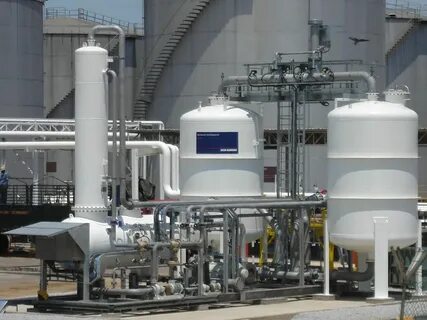
The vapour recovery units (VRUs) market is witnessing significant acceleration as their application expands beyond traditional oil and gas sectors into chemical manufacturing, refining operations, and fuel storage facilities. Increasing environmental awareness, strict emissions regulations, and the need for operational efficiency are pushing industries to adopt vapor control systems as a critical part of their infrastructure. VRUs play an essential role in capturing and recovering volatile organic compounds (VOCs) and hydrocarbon vapors, ensuring compliance with environmental standards while also providing economic value through product recovery.
This broader application of VRUs across diverse industrial operations is reshaping the market landscape and reinforcing their status as indispensable tools for cleaner, safer, and more efficient operations.
Growing Role in Chemical Manufacturing Facilities
The chemical industry involves the handling and processing of a wide range of volatile substances, including solvents, alcohols, hydrocarbons, and other hazardous chemicals. These compounds can emit harmful vapors during mixing, blending, storage, and transfer processes, contributing significantly to air pollution and posing serious health risks.
As a result, chemical manufacturers are under increasing pressure to implement emission control technologies that ensure workplace safety and environmental compliance. Vapour recovery units offer an effective solution by capturing these vapors before they escape into the atmosphere and condensing them back into reusable liquid form. This not only prevents emissions but also reduces material losses and improves overall process efficiency.
In particular, VRUs are being widely adopted in facilities producing paints, coatings, adhesives, resins, and specialty chemicals—segments where VOC emissions are common and tightly regulated. With many companies aligning their practices with global sustainability standards, vapour recovery is becoming a standard feature in modern chemical manufacturing operations.
Refining Sector Embraces VRUs for Emissions Control
Refineries represent another major growth area for vapour recovery units. These facilities handle large volumes of crude oil and refined products, including gasoline, diesel, and jet fuel, all of which emit significant vapors during storage, blending, and transportation.
VRUs are critical for capturing emissions during various refining processes, especially during loading and unloading of storage tanks, railcars, and marine vessels. Refineries across the world are facing tightening air quality regulations that limit the permissible levels of VOCs and hazardous air pollutants (HAPs). Compliance with such regulations requires robust vapor management solutions—creating a strong demand for advanced VRU systems.
Moreover, refineries benefit economically from VRU installations. Capturing and recycling vapors translates to reduced product loss and increased recovery of valuable hydrocarbons. The financial return on investment, combined with regulatory compliance and improved environmental performance, makes vapour recovery a strategic necessity in modern refining operations.
Increasing Deployment in Fuel Storage and Distribution Facilities
Another key area driving the expansion of the vapour recovery units market is the fuel storage and distribution sector. Bulk terminals, fuel depots, and service stations are all potential sources of vapor emissions due to the regular loading and unloading of gasoline and diesel fuels. These facilities often operate in urban or environmentally sensitive areas, where air quality is a major public concern.
In response to public health and environmental pressures, governments around the world have mandated the installation of vapor recovery systems in storage and distribution networks. VRUs are now being integrated into terminal loading arms, storage tanks, and tank truck systems to recover vapors released during fuel transfers. This prevents harmful pollutants from entering the atmosphere and allows companies to recapture and reuse lost hydrocarbons.
Particularly in fast-developing regions such as Asia-Pacific and Latin America, the expansion of fuel distribution infrastructure is creating vast opportunities for VRU deployment. Countries like India, China, Brazil, and Mexico are investing in environmentally compliant fuel logistics systems to support their growing urban populations and transportation sectors.
Technological Advancements Enhancing VRU Capabilities
The advancement of vapour recovery technologies is another factor accelerating market growth. Traditional systems based on absorption and condensation are being enhanced with newer techniques such as:
Membrane separation for selective and energy-efficient vapor capture
Cryogenic condensation for applications involving low-concentration vapors
Carbon adsorption systems tailored for small-scale or mobile applications
Automation and digital controls for real-time monitoring, diagnostics, and remote operation
As a result, VRUs are becoming increasingly adaptable to various operational environments, from large petrochemical complexes to small bulk storage depots.
Future Outlook
The outlook for the vapour recovery units market is highly promising. As chemical plants, refineries, and fuel storage facilities continue to modernize and adopt environmentally sustainable practices, demand for VRUs will remain strong. Ongoing innovation, combined with supportive regulatory frameworks and environmental awareness, will further fuel market expansion.
In the near future, the integration of vapour recovery systems with other clean technologies—such as carbon capture, energy recovery, and digital process optimization—will make them even more valuable to industrial operations seeking a competitive edge in a carbon-conscious world.
Conclusion
The vapour recovery units market is accelerating due to their growing application in chemical, refining, and storage facilities. These sectors are under increasing pressure to reduce emissions, enhance safety, and meet environmental regulations. As VRUs prove their value in both compliance and efficiency, their role in industrial operations is expanding rapidly.
With technological advancements making the systems more adaptable and efficient, and with sustainability rising to the top of the corporate agenda, vapour recovery units are set to play a critical role in shaping the future of environmentally responsible industrial practices.
Vacuum Deaerators Market Benefits from Technological Innovations Enhancing Efficiency and Reliability Standards
By anvidubey, 2025-07-31
The vacuum deaerators market is undergoing a transformative phase, with technological innovations at the forefront of enhancing system efficiency, reliability, and adaptability across industries. Vacuum deaerators, which are used to remove dissolved gases—primarily oxygen and carbon dioxide—from liquids, play a crucial role in ensuring product stability, preventing corrosion, and maintaining process integrity in various sectors such as power generation, chemicals, pharmaceuticals, food and beverage, and pulp and paper.

As industrial processes become more demanding and the emphasis on quality, energy efficiency, and automation intensifies, manufacturers of vacuum deaerators are leveraging cutting-edge technologies to offer smarter, more reliable, and eco-friendly solutions. These advancements are not only helping to meet evolving industrial needs but are also expanding the market footprint across both developed and emerging economies.
The Importance of Technological Advancements in Vacuum Deaeration
Traditional vacuum deaerators, while effective, often required extensive manual operation, consumed significant energy, and faced limitations in terms of process control and integration. However, with industries moving toward smarter and more sustainable practices, new-generation deaerators are being designed with innovations that allow for real-time monitoring, process optimization, and reduced environmental impact.
Modern vacuum deaerators offer enhanced removal efficiency, minimizing even trace levels of dissolved gases, which is critical in industries where even minor contamination can lead to substantial quality or safety issues. These technological improvements are driving market adoption and opening new avenues for product applications.
Key Technological Innovations Driving Market Growth
1. Automation and Smart Control Systems
One of the most impactful developments in the vacuum deaerators market is the integration of automated control systems. Advanced programmable logic controllers (PLCs) and human-machine interfaces (HMIs) allow operators to monitor vacuum levels, flow rates, temperature, and pressure in real-time. These systems also provide diagnostic alerts, automatic adjustments, and historical data tracking, making operations more accurate, consistent, and less dependent on manual oversight.
The incorporation of IoT (Internet of Things) capabilities is further enhancing system intelligence. IoT-enabled deaerators can be monitored remotely and integrated into broader plant control systems, enabling predictive maintenance and process optimization.
2. Energy-Efficient Designs
Energy consumption is a key concern in continuous industrial operations. New-generation vacuum deaerators are designed to reduce energy usage by incorporating features such as variable frequency drives (VFDs), high-efficiency vacuum pumps, and optimized process pathways that lower the thermal and mechanical energy required for degassing.
Manufacturers are also focusing on heat recovery systems, which reuse waste heat from deaeration processes, thereby improving overall plant efficiency. These energy-efficient designs are particularly appealing to industries with sustainability goals and regulatory pressure to lower carbon emissions.
3. Compact and Modular Configurations
Space constraints and the need for flexibility have led to the development of compact and modular vacuum deaerator systems. These configurations are easier to install, integrate, and scale based on production requirements. Modular systems allow for incremental capacity expansion and are especially suited for small to mid-sized operations or mobile production units.
This trend is also beneficial for industries looking to retrofit older systems with newer technologies without requiring extensive infrastructure changes.
4. Advanced Materials and Durability
With vacuum deaerators often operating in chemically aggressive environments, material innovation plays a key role in system longevity and reliability. Modern systems are constructed using high-grade stainless steel, specialized polymers, and corrosion-resistant coatings that enhance durability and reduce maintenance requirements.
These material improvements not only extend the life cycle of the equipment but also ensure compatibility with a wider range of chemicals and high-purity processes, as seen in the pharmaceutical and electronics sectors.
Industry Adoption and Application Growth
As technology improves, the applications of vacuum deaerators are expanding beyond traditional sectors:
In the food and beverage industry, advanced deaeration systems are used to preserve taste, color, and nutritional value by eliminating oxygen before packaging or pasteurization.
In the chemical industry, accurate control over gas removal ensures better reaction consistency and safety.
In pharmaceutical manufacturing, innovations enable sterile and contaminant-free production environments.
In power plants, particularly in boiler feedwater treatment, high-efficiency deaerators help prevent corrosion and maintain thermal efficiency.
These diverse applications underscore how technological innovation is not just improving existing processes but also unlocking new markets for vacuum deaerators.
Regional Impact of Technological Progress
North America and Europe are leading in the adoption of technologically advanced deaeration systems, supported by a strong focus on industrial automation, energy efficiency, and regulatory compliance.
Asia-Pacific, particularly China, India, and Japan, is witnessing rapid industrialization and digital transformation, driving the demand for modern vacuum deaerators.
Latin America, the Middle East, and Africa are emerging markets, where technology adoption is gradually increasing due to investments in infrastructure and manufacturing.
As industries in these regions prioritize modernization and process optimization, the demand for technologically enhanced deaeration solutions is expected to grow steadily.
Challenges and Opportunities
Despite the benefits, there are challenges to market penetration. High initial costs of advanced systems can be a barrier for small and medium-sized enterprises. Additionally, skilled labor is needed to operate and maintain these sophisticated systems.
However, these challenges present opportunities for manufacturers to offer cost-effective modular systems, training programs, and after-sales support to build customer confidence. Moreover, as awareness grows about the long-term savings and efficiency gains, more companies are likely to invest in modern deaeration technologies.
Future Outlook
The future of the vacuum deaerators market is closely tied to continuous innovation, sustainability, and digitalization. As the manufacturing and chemical industries evolve, vacuum deaerators will remain a key component in ensuring process efficiency, product quality, and operational reliability.
Companies that invest in R&D, prioritize user-centric design, and align with global trends in automation and environmental responsibility will be best positioned to lead this expanding market. With industries demanding higher performance, lower operational costs, and better compliance, the market for technologically advanced vacuum deaerators is set to thrive in the years to come.
Vaccine Transport Carrier Market Expands as Governments Strengthen Cold Chain Infrastructure and Logistics Systems
By anvidubey, 2025-07-31
The global vaccine transport carrier market is witnessing accelerated growth, largely driven by the increasing prevalence of mobile vaccination campaigns and heightened emphasis on pandemic response preparedness. As global healthcare systems aim to improve immunization outreach and prepare for future public health emergencies, the demand for effective and flexible vaccine transportation solutions has surged. Vaccine transport carriers—specialized insulated containers designed to maintain required temperatures for vaccine stability—have become indispensable tools in the last-mile delivery of life-saving immunizations.

In the aftermath of the COVID-19 pandemic and ongoing efforts to eradicate diseases like polio and measles, the ability to rapidly deploy vaccines to remote, underserved, or vulnerable populations has become a top priority for both governments and international organizations. Mobile vaccination campaigns, which depend on portability and reliability, are now central to immunization strategies in both developed and developing countries.
The Role of Mobile Vaccination in Expanding Coverage
Mobile vaccination units are designed to reach communities that lack regular access to fixed healthcare facilities. These include rural and tribal areas, urban slums, refugee camps, and nomadic populations. Mobile health workers travel on foot, bicycles, motorcycles, vans, boats, or even drones to deliver immunizations in hard-to-reach areas. To do so successfully, they require lightweight, durable, and thermally stable vaccine carriers that can maintain a cold chain for several hours to days without electricity.
These mobile efforts are especially critical during disease outbreaks and health emergencies, where time-sensitive vaccine deployment can curb the spread of infectious diseases. During COVID-19, for example, mobile teams played a key role in reaching populations in remote areas, administering doses directly at community centers, schools, workplaces, and homes. This trend continues today with booster drives and new vaccine introductions, placing sustained demand on efficient cold chain systems.
Importance of Vaccine Transport Carriers in Emergency Preparedness
Preparedness for pandemics and emerging health threats has become a central focus for global health agencies and national governments. The COVID-19 pandemic exposed gaps in the vaccine delivery chain, especially in maintaining temperature-sensitive products during distribution surges. As a result, countries have ramped up investments in cold chain infrastructure, including portable vaccine carriers that can be rapidly deployed during public health emergencies.
These carriers are essential not only for transport during pandemics but also for stockpiling and pre-positioning vaccines in anticipation of outbreaks. In preparedness scenarios, where speed and reliability are critical, vaccine carriers must perform under varying environmental and logistical conditions, often without external refrigeration or stable power sources.
Features Supporting Mobile and Emergency Operations
Modern vaccine transport carriers are evolving to meet the rigorous demands of mobile vaccination campaigns and emergency deployments. Key features that make these products effective in such scenarios include:
Extended Cold Life : Many carriers can maintain temperatures between 2°C and 8°C for 72 to 120 hours, even in high ambient temperatures, thanks to phase change materials (PCMs) and vacuum insulation panels (VIPs).
Lightweight and Ergonomic Design : Portable carriers are designed to be easy to carry over long distances, with user-friendly handles, shoulder straps, and compact profiles.
Temperature Monitoring : Integrated data loggers and freeze indicators allow health workers to verify that vaccines have not been compromised during transport.
Durability : Carriers are built with high-impact plastics and rugged construction to endure transport in rough terrains and challenging weather conditions.
Modular Storage : Internal compartments and custom racks improve organization and efficiency during high-volume campaigns.
These features enable health systems to deliver vaccines safely and efficiently, even in unpredictable or resource-constrained environments.
Government and Donor Support Accelerating Adoption
Recognizing the strategic importance of mobile immunization, many governments are allocating funds for expanding outreach services, including the procurement of vaccine carriers. These investments are often supported by international partners such as UNICEF, Gavi, WHO, and the Bill & Melinda Gates Foundation, which fund cold chain equipment and provide technical guidance.
UNICEF, for example, procures thousands of WHO-prequalified vaccine carriers annually for national immunization programs in low- and middle-income countries. Gavi’s Cold Chain Equipment Optimization Platform (CCEOP) has helped streamline the procurement and deployment of portable vaccine carriers that meet performance and safety standards for field use.
In addition, pandemic preparedness frameworks in countries such as the United States, Germany, and Japan now include vaccine cold chain readiness as a key component, further stimulating demand for reliable transport carriers.
Regional Trends and Market Opportunities
The Asia-Pacific region, with its large rural population and active mobile immunization drives, is a major contributor to global demand for vaccine transport carriers. India, Indonesia, and the Philippines are expanding their outreach capacity as part of national immunization efforts.
In sub-Saharan Africa, mobile vaccination campaigns supported by donor funding continue to reach underserved areas. Countries like Nigeria, Kenya, and Uganda are scaling up cold chain infrastructure to support polio eradication, measles elimination, and routine childhood immunizations.
In Latin America and the Middle East, emergency health response initiatives are fueling demand for mobile cold chain solutions, especially in regions affected by natural disasters or political instability.
Meanwhile, in North America and Europe, mobile vaccination is increasingly used in urban outreach programs, schools, correctional facilities, and elderly care centers. These high-income markets are also adopting carriers with digital tracking and smart sensors for temperature compliance and inventory management.
Sustainability and Innovation Trends
With growing awareness of environmental sustainability, there is also rising interest in reusable, recyclable, and energy-efficient vaccine carriers. Manufacturers are introducing eco-friendly insulation materials, biodegradable packaging, and modular systems that minimize waste and extend carrier life spans.
Additionally, innovation in smart technologies—such as GPS-enabled tracking, real-time temperature alerts, and integration with health information systems—is enhancing the transparency and accountability of vaccine distribution.
These trends reflect a broader shift toward resilient and sustainable immunization supply chains that can adapt to both routine needs and emergency demands.
Conclusion
The vaccine transport carrier market is gaining strong momentum, fueled by the twin forces of mobile vaccination campaigns and global pandemic preparedness. As governments and health organizations aim to increase immunization coverage and respond quickly to emerging health threats, the role of portable, durable, and reliable vaccine carriers has never been more critical.
With continued investment, innovation, and international support, the market is poised for sustained growth. Vaccine transport carriers are not only enabling safer, faster, and more effective vaccine delivery—they are also helping to build the resilient public health systems needed to protect populations worldwide.
Uterine Fibroid Treatment Market Accelerates with Pharmaceutical Pipeline Developments and Targeted Drug Therapies
By anvidubey, 2025-07-30
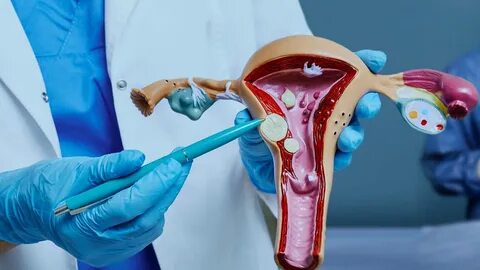
The global uterine fibroid treatment market is witnessing accelerated growth, fueled by significant advancements in pharmaceutical research and the emergence of targeted drug therapies. As an increasingly prevalent condition among women of reproductive age, uterine fibroids—benign tumors that grow in the uterus—have prompted an urgent demand for effective, non-invasive, and drug-based management strategies. With ongoing innovation in pharmacotherapy and a robust pipeline of investigational drugs, the landscape of fibroid treatment is undergoing a transformative shift.
Rising Prevalence of Uterine Fibroids and Demand for Medical Alternatives
Uterine fibroids affect an estimated 70–80% of women by the age of 50, with a higher prevalence reported among women of African descent. Though not cancerous, fibroids can lead to debilitating symptoms such as heavy menstrual bleeding, pelvic pain, urinary frequency, and reproductive complications, including infertility and miscarriage. Traditionally, surgical procedures such as hysterectomy and myomectomy were the mainstay treatments. However, increasing awareness of the potential side effects and long recovery periods associated with surgery has spurred demand for pharmaceutical alternatives.
Shift Toward Drug-Based Therapies
In recent years, medical treatment has emerged as a vital pillar of uterine fibroid management. Pharmaceutical companies have been investing heavily in research and development to introduce therapies that target the hormonal and molecular drivers of fibroid growth. The focus has moved from merely managing symptoms to addressing the underlying pathophysiology of fibroids.
One of the most promising classes of drugs in this space is the gonadotropin-releasing hormone (GnRH) antagonists. Unlike older GnRH agonists that initially cause a hormone surge before suppression, antagonists act rapidly and directly to reduce estrogen and progesterone levels—hormones that fuel fibroid growth. The result is a marked reduction in fibroid size and associated symptoms.
FDA Approvals and Commercial Launches Fuel Market Momentum
The approval and commercialization of novel oral therapies such as relugolix and elagolix have significantly boosted the pharmaceutical segment of the uterine fibroid treatment market. These drugs, marketed under brand names like Myfembree and Oriahnn, are combination therapies that pair a GnRH antagonist with hormonal add-back therapy to mitigate bone loss and other side effects caused by estrogen suppression.
Myfembree, a combination of relugolix, estradiol, and norethindrone acetate, has been approved for the management of heavy menstrual bleeding associated with uterine fibroids in premenopausal women. Clinical trials have demonstrated that Myfembree significantly reduces menstrual blood loss while improving quality of life and maintaining bone density. Such evidence-based outcomes are encouraging both healthcare providers and patients to consider pharmaceutical solutions as first-line therapy.
Pipeline Innovations and Clinical Trials
The pharmaceutical pipeline for uterine fibroid treatment is robust and growing. Several companies are conducting clinical trials for next-generation therapies that offer improved efficacy, safety, and convenience. These include modified hormone therapies, selective progesterone receptor modulators (SPRMs), and compounds that target fibroid-specific molecular pathways.
SPRMs, such as ulipristal acetate, have demonstrated promising results in reducing fibroid size and bleeding, though some have faced regulatory scrutiny due to liver toxicity concerns. Nonetheless, ongoing research aims to optimize these molecules or develop new SPRMs with improved safety profiles. Additionally, novel drug delivery systems such as intrauterine devices (IUDs) and long-acting injectables are being explored to enhance localized drug action while minimizing systemic side effects.
Personalized Medicine and Targeted Approaches
A notable advancement in the field is the shift toward personalized medicine. With growing understanding of the genetic and molecular heterogeneity of fibroids, researchers are investigating therapies that can be tailored to individual patient profiles. Targeted drug therapies aim to disrupt specific molecular mechanisms involved in fibroid growth, such as angiogenesis (formation of new blood vessels), extracellular matrix production, and inflammatory signaling.
This precision-medicine approach holds the potential to dramatically improve treatment outcomes while reducing unwanted side effects. As biomarker-driven strategies evolve, pharmaceutical companies are expected to integrate companion diagnostics to identify patients most likely to benefit from a given therapy.
Regional Growth and Market Dynamics
North America currently dominates the uterine fibroid pharmaceutical market, driven by high awareness, early adoption of novel therapies, and strong reimbursement structures. The United States, in particular, has seen rapid uptake of newly approved oral therapies, supported by direct-to-consumer marketing and increasing preference for non-surgical treatments.
Europe follows closely, with several countries embracing pharmaceutical treatments through publicly funded healthcare systems. In contrast, the Asia-Pacific region is emerging as a high-growth market due to rising awareness, improving healthcare infrastructure, and increased investments in women’s health. Countries like India, China, and Japan are expected to play a crucial role in the expansion of the global market over the next decade.
Challenges and Opportunities
Despite the optimism, the pharmaceutical segment faces certain challenges. High drug costs, limited access in low- and middle-income countries, and concerns about long-term safety and side effects remain key barriers. Additionally, hesitancy among some healthcare providers to shift from traditional surgical interventions to newer pharmacologic options may slow adoption.
However, these challenges also present opportunities for innovation and collaboration. Generic drug development, tiered pricing strategies, and partnerships with global health organizations can help make treatments more accessible. Furthermore, real-world evidence and longitudinal studies are essential to build confidence in the long-term use of these therapies.
Conclusion
The uterine fibroid treatment market is rapidly evolving, with pharmaceutical innovations at the forefront of this transformation. Targeted drug therapies and a dynamic clinical pipeline are reshaping the treatment paradigm, offering new hope to millions of women worldwide. As these therapies gain traction and healthcare systems continue to prioritize non-invasive, patient-centric solutions, the pharmaceutical segment is expected to play an increasingly dominant role in the global fibroid treatment landscape.
USB Power Switches Market Boosted by Innovations in Low-Power, High-Efficiency Circuit Design Solutions
By anvidubey, 2025-07-30
The USB power switches market is flourishing, propelled by the twin forces of rising miniaturization trends and the widespread integration of embedded systems across various industries. As electronic devices continue to shrink in size while growing in complexity and performance, power management components such as USB power switches are becoming increasingly critical. These components play a vital role in efficiently managing power flow, providing fault protection, and enabling flexible design configurations, especially in compact and embedded environments.

Role of USB Power Switches in Miniaturized Devices
Miniaturization has become a defining characteristic of modern electronic device design. From ultra-slim laptops and compact wearables to pocket-sized smart sensors and industrial automation modules, the emphasis is on reducing size while maintaining functionality. USB power switches, with their low power consumption, compact footprints, and advanced protection features, are ideal for these applications.
Modern USB power switches are designed with minimal on-resistance (Rds(on)), low quiescent current, and integrated safety features such as overcurrent protection, thermal shutdown, and short-circuit prevention. These features enable devices to perform reliably without adding bulk or complexity, aligning perfectly with miniaturization goals.
Furthermore, the availability of power switch ICs in wafer-level chip-scale packaging (WLCSP) and other ultra-small formats allows designers to integrate power management functionality into even the smallest of devices. This capability is essential for high-density PCBs and portable consumer electronics, where board space is at a premium.
Embedded System Integration Driving Market Growth
Embedded systems are increasingly being integrated into products across a wide range of industries—including automotive, industrial automation, healthcare, consumer electronics, and telecommunications. These systems often require precise and reliable power control, especially when multiple subsystems and peripherals are involved.
Additionally, many embedded systems feature multiple USB interfaces—for data transfer, firmware updates, or power supply. Using intelligent USB power switches helps streamline power architecture, prevent faults, and enhance system resilience in such scenarios.
Advancements in USB Standards and Design Requirements
As USB standards have evolved, the demand for high-performance power switches has grown in parallel. USB 3.2 and USB Type-C, with their increased data throughput and power delivery capabilities, require more sophisticated power management solutions to ensure stable and efficient operation.
Manufacturers are focusing on developing intelligent switch ICs that can automatically adjust their behavior based on device status, user input, or fault conditions. These smart power switches are being adopted rapidly in embedded designs where autonomous decision-making, self-recovery, and protection are critical.
Applications Across Industries
Consumer Electronics : Miniaturized USB power switches are prevalent in smartphones, tablets, laptops, Bluetooth speakers, digital cameras, and gaming accessories. As these devices incorporate multiple power ports and high-performance batteries, efficient USB power switching is essential for ensuring smooth operation and device safety.
Industrial Automation and IoT : Compact embedded controllers, smart sensors, PLCs (Programmable Logic Controllers), and gateway devices often rely on USB interfaces for configuration, updates, or power. Power switches in these environments ensure safe device interaction and protect systems from power-related issues, especially in harsh industrial settings.
Healthcare Devices : In portable and wearable medical devices, USB power switches help manage limited battery power and protect sensitive electronics. Reliable operation and safety are non-negotiable in these applications, making robust power switching solutions essential.
Regional Trends and Market Dynamics
Asia-Pacific dominates the USB power switches market due to its robust electronics manufacturing sector, especially in China, Japan, South Korea, and Taiwan. The region’s leadership in consumer electronics, semiconductor fabrication, and embedded systems development contributes significantly to global market expansion.
North America and Europe are also experiencing healthy market growth. These regions are home to major technology companies, automotive manufacturers, and healthcare device innovators—each relying on embedded systems with precise power control needs. Moreover, the focus on energy efficiency, device safety, and product reliability is driving higher adoption of advanced USB power switches.
The market is also witnessing increasing interest in Latin America, the Middle East, and Africa, driven by expanding consumer electronics markets, industrial digitalization, and mobile device penetration.
Competitive Landscape
The USB power switches market features strong competition among established semiconductor players such as Texas Instruments, ON Semiconductor, STMicroelectronics, Nexperia, Analog Devices, and Microchip Technology. These companies are continually launching new solutions with improved power ratings, lower on-resistance, and smarter control features to meet the needs of embedded and miniaturized applications.
Product innovation, strategic partnerships with OEMs, and customized solutions are key competitive strategies. Some companies are focusing on integrating telemetry, remote diagnostics, and programmable logic into power switches to offer more value to embedded systems engineers.
Future Outlook
Looking ahead, the USB power switches market is poised for sustained growth. As miniaturization continues to shape the design of consumer and industrial electronics, the need for efficient, compact, and intelligent power management will intensify. Similarly, embedded systems will continue to proliferate across smart devices, autonomous systems, edge computing platforms, and wearable technologies
In conclusion, the USB power switches market is flourishing due to the growing integration of embedded systems and the global trend toward device miniaturization. With applications spanning from consumer gadgets to critical industrial systems, these components are set to remain essential building blocks in the future of electronics.
Urinary Catheters Market Boosted by Rising Surgical Procedures and Demand for Minimally Invasive Solutions
By anvidubey, 2025-07-30
The global urinary catheters market is experiencing significant expansion, primarily driven by rising hospitalization rates and the growing demand for postoperative care. As healthcare systems worldwide grapple with increasing surgical volumes and a higher prevalence of chronic diseases, urinary catheters have become indispensable in clinical and recovery settings. These medical devices are widely used to manage urinary retention, facilitate accurate fluid monitoring, and maintain hygiene during periods of immobility, especially following surgery or in critical care units.
Rising Hospitalization Rates: A Major Demand Driver
One of the primary catalysts for the urinary catheters market's growth is the increase in hospitalization rates across the globe. Aging populations, a surge in chronic illnesses like diabetes, cardiovascular diseases, and kidney disorders, and the global rise in trauma cases are placing significant pressure on healthcare facilities. Hospitalized patients—particularly those who are immobile, unconscious, or undergoing surgery—frequently require catheterization for bladder drainage and fluid output monitoring.
Critically ill patients in intensive care units (ICUs) often rely on indwelling (Foley) catheters to maintain urinary function while under sedation or mechanical ventilation. In such settings, accurate urine output measurement is vital for assessing kidney function, fluid balance, and medication dosage. The increased burden on hospitals during health crises, such as the COVID-19 pandemic, further highlighted the need for efficient catheter systems to manage patients requiring extended inpatient care.
Postoperative Care Requirements Boosting Adoption
Urinary catheters are widely used in postoperative care across a broad spectrum of surgeries, including orthopedic, gynecological, abdominal, and urological procedures. After major surgeries, patients often experience temporary loss of bladder control or limited mobility, making catheterization essential for comfort and hygiene. Surgeons and anesthesiologists routinely employ catheters to prevent urinary retention and to monitor fluid output in real time.
For example, patients undergoing procedures like prostatectomy, hysterectomy, or spinal surgeries often need catheterization for days or weeks during recovery. In such cases, urinary catheters are crucial not only for drainage but also for reducing the risk of complications like bladder distension, wound dehiscence, and infections due to urinary stasis. As surgical volumes continue to rise globally—driven by better access to healthcare and increasing demand for elective procedures—the market for urinary catheters is seeing parallel growth.
Technological Advancements Supporting Safer Post-Surgical Use
As the usage of urinary catheters in hospitals and surgical settings grows, so does the need for safer, more effective products. In response, manufacturers are developing advanced catheter types designed to reduce the risk of catheter-associated urinary tract infections (CAUTIs), a common complication in hospitalized patients.
Pre-lubricated, closed-system catheters are also gaining traction for both in-hospital and discharge care, offering ease of use and reduced contamination risk. Such advancements help maintain catheter performance over extended use while minimizing complications, thereby supporting improved postoperative outcomes.
Role of Hospitals and Acute Care Settings
Hospitals remain the dominant end-user segment in the urinary catheters market due to the sheer volume of patients requiring catheterization. Acute care hospitals, especially those with surgical and trauma departments, use catheters extensively for preoperative, intraoperative, and postoperative care. The increasing number of hospital beds and the expansion of emergency and surgical departments globally are key factors driving catheter demand in institutional healthcare.
Furthermore, day-care surgery centers and outpatient facilities, where short-term catheter use is necessary, are also contributing to market growth. As healthcare delivery shifts toward more efficient models with reduced hospital stays, the demand for high-quality, easy-to-use urinary catheters that support both inpatient and home recovery is increasing.
Regional Trends and Market Dynamics
North America holds a significant share of the global urinary catheters market, largely due to its advanced healthcare infrastructure, high surgical rates, and strong focus on postoperative care protocols. The United States, in particular, witnesses high demand for both indwelling and intermittent catheters across surgical specialties and long-term care institutions.
Meanwhile, Asia-Pacific is witnessing rapid growth in the urinary catheters market, driven by rising healthcare expenditures, hospital expansion, and increased access to surgical care in emerging economies such as China and India. The growing burden of lifestyle diseases, coupled with an aging population, is prompting more hospital admissions and surgical interventions, creating strong demand for catheter products.
Future Outlook
The outlook for the urinary catheters market remains positive, with hospital and surgical applications continuing to dominate demand. As global healthcare systems expand and invest in critical care and surgical infrastructure, the reliance on urinary catheters will deepen further. Moreover, enhanced postoperative care standards and protocols that include catheterization as a vital component will sustain market growth.
Future trends will likely include increased integration of digital health solutions for monitoring catheterized patients, development of eco-friendly catheter materials to reduce environmental impact, and broader access to affordable, high-quality products in underserved regions.
Conclusion
The urinary catheters market is witnessing steady growth, driven by rising hospitalization rates and growing postoperative care requirements. From critical care units to surgical wards, urinary catheters are essential tools that support patient recovery and clinical monitoring. With technological advancements, evolving hospital protocols, and a global focus on improving surgical outcomes, the demand for urinary catheter products is set to increase further in the years ahead.
Urinary Bag Market Faces Challenges from Environmental Concerns and Reimbursement Policy Constraints
By anvidubey, 2025-07-29
The global urinary bag market is witnessing steady growth, driven primarily by a rising number of surgical procedures and the increasing need for effective postoperative care. Urinary bags are essential medical devices used for collecting urine from patients who are unable to urinate naturally due to surgery, trauma, or chronic medical conditions. As healthcare systems across the globe experience a surge in surgical volumes and aging-related urological disorders, the demand for urinary collection systems continues to rise significantly.
Growing Volume of Surgeries Necessitates Urinary Drainage Solutions
One of the key drivers propelling the urinary bag market is the growing prevalence of surgical procedures worldwide. Whether elective or emergency-based, surgeries such as urological interventions, orthopedic replacements, spinal cord operations, and gastrointestinal procedures often result in temporary or long-term urinary retention. In such cases, urinary catheters and collection bags are employed to ensure efficient bladder drainage and reduce the risk of infection or bladder overdistension.
According to the World Health Organization, an estimated 300 million major surgeries are performed annually across the globe, and this number continues to grow due to advances in surgical techniques and greater access to healthcare. With a sizable proportion of these patients requiring catheterization postoperatively, the need for urinary bags in both hospital and outpatient settings is expected to increase.
Importance of Postoperative Care in Enhancing Recovery
Effective postoperative care is critical to ensure the speedy recovery of patients and reduce complications such as urinary tract infections (UTIs), pressure ulcers, and prolonged hospital stays. Urinary bags serve a vital role in monitoring urine output, maintaining hygiene, and facilitating early mobilization. Healthcare professionals rely on these devices to measure fluid balance in patients recovering from complex surgeries or those admitted to intensive care units (ICUs).
Additionally, the growing awareness about hospital-acquired infections (HAIs) has led to a heightened focus on using sterile, disposable urinary bags to minimize contamination risks. As patient safety becomes a top priority in clinical environments, manufacturers are introducing advanced urinary collection products with anti-reflux valves, drainable outlets, and infection control features.
Product Innovations and Patient-Centric Designs
In recent years, market players have focused on enhancing the design and usability of urinary bags to improve patient comfort and convenience. Lightweight, discreet, and ergonomically shaped urinary collection bags are gaining popularity among patients using them for extended periods, especially those living with chronic conditions.
Product differentiation through features like odor control, skin-friendly materials, and leak-proof technology is enabling manufacturers to cater to the specific needs of various patient populations. Moreover, the development of smart urinary bags integrated with sensors for real-time monitoring of urine volume and temperature is gaining traction in high-acuity care environments.
Market Segmentation and End-User Landscape
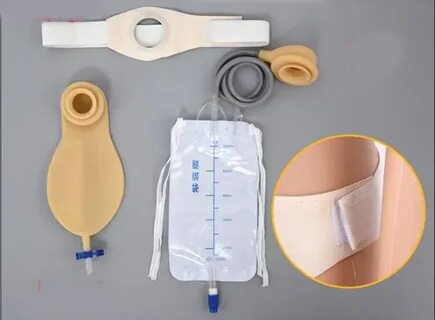
The urinary bag market is typically segmented based on product type (leg bags, large capacity bags, bedside bags), usage type (disposable, reusable), capacity, and end user (hospitals, clinics, ambulatory surgical centers, home care settings). Hospitals remain the largest end-user segment due to the high volume of surgical admissions and intensive care treatments. However, the home care segment is expanding rapidly as more patients seek recovery in home-based settings under the supervision of caregivers or home health nurses.
Leg bags, which are compact and attached to the leg for discreet use during mobility, are popular among active individuals with chronic urinary problems. On the other hand, large-capacity bags and bedside drainage systems are preferred for post-surgical or bedridden patients requiring constant drainage.
Regional Insights and Growth Opportunities
North America holds a significant share of the urinary bag market, driven by its well-established healthcare infrastructure, rising surgical volumes, and widespread adoption of advanced medical devices. The United States, in particular, exhibits a strong demand for urinary bags in hospitals, nursing homes, and home care facilities.
Europe follows closely, with countries like Germany, the United Kingdom, and France exhibiting high demand due to their aging populations and focus on infection prevention in healthcare facilities. Meanwhile, the Asia-Pacific region is projected to witness the fastest growth, fueled by improving healthcare access, increasing investments in hospital infrastructure, and a large base of elderly patients in countries such as China, India, and Japan.
Challenges and Considerations
Despite the market's positive outlook, several challenges persist. Concerns related to catheter-associated urinary tract infections (CAUTIs), patient discomfort, and the environmental impact of disposable plastic urinary bags are prompting calls for innovation and regulatory scrutiny. Additionally, in some developing regions, lack of awareness and limited access to quality urological care may hinder market growth.
Manufacturers and healthcare providers are now exploring biodegradable materials and enhanced training programs for catheter care to address these challenges and promote safe, sustainable use.
Conclusion
The urinary bag market is set for continued growth as the need for surgical interventions and postoperative care rises globally. Driven by an aging population, increasing chronic disease burden, and the demand for effective urinary management solutions, the market offers significant opportunities for innovation and expansion. Going forward, patient-centric design, infection control, and sustainability will be key focus areas shaping the future of this essential healthcare segment.