Wireless Keyboard Market: Rise of Smart Keyboards with Touchpad Integration and Multi-Device Support

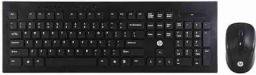
The Wireless Keyboard Market is evolving rapidly as user expectations grow. One of the most significant shifts is the rise of smart keyboards—devices that combine traditional typing functions with integrated touchpads, multi-device connectivity, and other intelligent features. These advancements are making wireless keyboards more versatile, efficient, and aligned with today’s multi-screen lifestyles.
This blog explores the rise of smart wireless keyboards and how touchpad integration, cross-platform support, and intuitive design are transforming both personal and professional computing experiences.
What Are Smart Wireless Keyboards?
Smart wireless keyboards go beyond basic input functionality. They often include features like:
Built-in touchpads for cursor control
Multi-device pairing and switching
Backlit keys and adaptive lighting
Shortcut keys for productivity apps
Rechargeable batteries with long life
Voice control compatibility or gesture support
These keyboards are designed to streamline the user experience, reduce desk clutter, and support seamless operation across devices. They appeal to a wide range of users including remote workers, digital nomads, casual users, and professionals who value efficiency and mobility.
Touchpad Integration: The Laptop-Like Experience
One of the most appreciated features of smart keyboards is the inclusion of a touchpad. This innovation effectively combines the roles of a keyboard and mouse into a single, portable device.
Benefits of built-in touchpads include:
Reduced need for external peripherals
More compact setups, especially for travel or tight workspaces
Easier navigation for smart TVs, tablets, and mobile devices
Enhanced usability in home theater or media control environments
Touchpad integration is especially popular in all-in-one remote setups where users control their devices from a distance. Whether it’s managing a presentation, browsing on a smart TV, or using a tablet as a workstation, these keyboards eliminate the need for multiple accessories.
Multi-Device Pairing: Seamless Switching
The modern digital user often moves between multiple devices—laptops, tablets, smartphones, and smart TVs. Smart wireless keyboards meet this demand by offering multi-device pairing, typically supporting up to three or more devices at once.
With a simple button press or keyboard shortcut, users can switch between devices instantly. This is particularly useful in the following scenarios:
Working from a laptop while responding to messages on a tablet
Switching between a home PC and work-issued computer
Using one keyboard for both a smartphone and a streaming device
This feature simplifies workflows and helps users stay productive without the hassle of disconnecting and reconnecting devices repeatedly.
Ideal for Remote Work and Hybrid Setups
The shift to remote and hybrid work has fueled demand for more flexible tools. Smart keyboards with touchpads and multi-device support fit perfectly into this new environment. They make it easy for workers to switch between home and office setups or manage both personal and professional tasks on separate devices.
Remote professionals benefit from having a single, portable device that offers functionality across multiple platforms. This reduces the number of accessories required, saves space, and improves mobility.
Employees who move between meetings, locations, or shared workspaces appreciate these keyboards for their ease of use and setup simplicity.
Compatibility Across Operating Systems
Smart wireless keyboards are increasingly being built with universal compatibility in mind. They are designed to work seamlessly with:
Windows PCs and laptops
macOS systems
Android tablets and smartphones
iPhones and iPads
Smart TVs and streaming boxes
This cross-platform support enhances the user experience and makes smart keyboards a viable option for households or workplaces with mixed-device ecosystems. Some models also auto-adjust key layouts based on the connected device, ensuring familiar typing behavior no matter the platform.
Demand in the Education and Entertainment Sectors
Beyond professional use, smart wireless keyboards are seeing growth in education and home entertainment sectors.
Teachers and students use them with tablets and Chromebooks to enhance digital learning. Compact wireless models with touchpads allow easy navigation during virtual classes, presentations, and collaborative sessions.
At home, smart keyboards are often used to control smart TVs, gaming consoles, or streaming services. Users enjoy the convenience of typing and navigation without relying solely on a remote control.
As smart home adoption grows, so does the relevance of these multipurpose keyboards in daily life.
Emerging Features and Innovation
Manufacturers are pushing the boundaries of what a keyboard can do. Innovations emerging in this space include:
Gesture control: Touchpads with gesture recognition for scrolling, zooming, and app switching.
Voice command integration: Keyboards that support smart assistants like Alexa, Google Assistant, or Siri.
Foldable designs: Ultra-portable keyboards that fold for easy transportation.
Solar charging: Eco-friendly models with built-in solar panels for power.
Fingerprint readers: For secure login and access control.
These enhancements not only improve functionality but also make keyboards more central to the broader tech ecosystem.
Challenges to Consider
While smart keyboards offer many advantages, they also come with a few challenges:
Higher cost: Advanced features typically raise the price point.
Learning curve: Users unfamiliar with touchpad gestures or switching shortcuts may need time to adjust.
Limited key travel: To maintain compactness, some smart keyboards reduce key depth, which may not suit heavy typists.
Battery dependency: Integrated touchpads and lighting features may drain batteries faster, requiring regular charging.
Still, these drawbacks are being addressed through better battery management, user-friendly interfaces, and improved ergonomic designs.
Conclusion
The rise of smart wireless keyboards reflects the changing needs of digital users. Touchpad integration, multi-device support, and platform compatibility make these keyboards more than just input devices—they are productivity tools for the modern world.
As work, learning, and entertainment continue to blend across multiple screens and environments, smart keyboards are positioned to become essential tools for users who value simplicity, portability, and performance.
Manufacturers that focus on practical innovation and user-centered design will continue to drive the growth of this smart segment within the broader wireless keyboard market.