Feed Enzymes Market trends point to growth in non-starch polysaccharide degrading enzymes

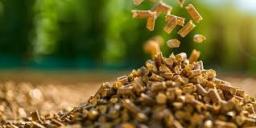
The Feed Enzymes Market is evolving rapidly as the livestock industry increasingly adopts non-starch polysaccharide (NSP) degrading enzymes to improve feed efficiency. These enzymes, such as xylanase, β-glucanase, and mannanase, are gaining traction for their role in breaking down fiber components in plant-based feed ingredients, boosting animal health and performance.
Understanding Non-Starch Polysaccharides and Their Impact
Non-starch polysaccharides are complex carbohydrate molecules found in cereal grains like wheat, barley, rye, and corn. These compounds, while not harmful, present two main challenges:
Increased gut viscosity in monogastric animals like poultry and pigs, which hinders nutrient absorption.
Encapsulation of nutrients, preventing full access to valuable proteins, starch, and minerals within the feed.
Because monogastric animals lack the endogenous enzymes to break down NSPs, supplementing with targeted exogenous enzymes becomes essential for optimal nutrient release and feed conversion.
Why NSP-Degrading Enzymes Are in High Demand
As feed formulation becomes more cost-sensitive and nutrition-focused, NSP enzymes are being used to:
Enhance feed digestibility by reducing viscosity and improving nutrient access
Allow use of high-fiber, lower-cost feed ingredients such as wheat bran or barley
Promote gut health, leading to more consistent growth performance and reduced mortality
Support antibiotic-free production models, by strengthening natural digestion and immune response
The result is a more efficient, cost-effective, and sustainable feeding process that aligns with modern livestock production demands.
Key NSP-Degrading Enzymes Driving Market Growth
Xylanase
Targets arabinoxylans found in wheat and rye
Reduces digesta viscosity
Enhances energy and protein digestibility
Beta-Glucanase
Breaks down beta-glucans present in barley and oats
Helps reduce sticky droppings in poultry
Improves feed pellet quality and water absorption
Mannanase
Acts on mannans in soybean meal and legume by-products
Boosts protein digestibility
Supports immune modulation and gut microflora balance
Each enzyme plays a distinct role in degrading specific fiber fractions, making them especially useful in compound feed mixes that rely on varied cereal sources.
Industry Applications and Benefits
Poultry
NSP enzymes reduce wet litter issues by improving water balance
Enhanced nutrient extraction results in faster weight gain and lower feed costs
Better gut environment reduces dependence on antibiotic growth promoters
Swine
Improves digestion in weaner and grower pigs
Supports immune development in early-life stages
Increases flexibility in feed ingredient choices
Aquaculture
Supports digestibility of plant-based alternatives to fishmeal
Reduces intestinal inflammation and enhances nutrient uptake
Ruminants (emerging area)
Used in high-concentrate or by-product-based diets to optimize fiber digestion
Market Drivers and Global Adoption
Rising cost of cereal-based feeds
Enzymes enable the use of high-fiber cereals like barley and wheat in place of corn and soy.
Sustainability push
Reducing feed waste and improving animal productivity supports eco-friendly livestock practices.
Antibiotic-free feed demand
NSP enzymes help maintain digestive health, reducing the need for synthetic additives.
Regional formulation diversity
Countries with limited access to premium feed ingredients are adopting NSP enzymes to get more out of local resources.
Innovation and Customization Fuel Market Growth
Advancements in biotechnology are enabling:
Multi-enzyme complexes combining NSP enzymes with protease and phytase for broader impact
Thermostable enzyme formulations suitable for pelleted or extruded feeds
Precision enzyme matching based on feed ingredient analysis
Enzyme microencapsulation for better delivery and stability in the digestive tract
Custom solutions tailored to specific animal species, regional ingredient availability, and performance goals are helping drive adoption among feed manufacturers and integrators.
Challenges to Consider
Despite the strong growth outlook, the market still faces a few hurdles:
Enzyme cost and return on investment must be justified through performance gains
Product stability during feed processing (especially pelleting at high temperatures) requires advanced formulations
Awareness and education are needed among small-scale farmers to encourage enzyme use
Regulatory standards and labeling laws vary across regions, impacting product positioning
Overcoming these challenges with technical support and proper dosing strategies is key to realizing the full benefits of NSP-degrading enzymes.
Outlook: NSP Enzymes as a Long-Term Feed Strategy
The future of feed enzyme technology is closely linked to maximizing feed efficiency in a cost-effective and environmentally sustainable manner. Non-starch polysaccharide enzymes will remain central to this goal due to their versatility and direct impact on digestion and nutrient utilization.
As compound feed producers seek to reformulate rations under economic and regulatory pressure, NSP-degrading enzymes will serve as a bridge between cost, nutrition, and environmental responsibility.
Conclusion
Trends in the Feed Enzymes Market clearly show accelerating demand for non-starch polysaccharide degrading enzymes, as they provide a valuable solution to challenges in nutrient availability, feed cost control, and sustainable livestock production. With benefits spanning performance, gut health, and feed flexibility, these enzymes are reshaping how producers approach modern animal nutrition.