Office Chair Market challenges faced by manufacturers during raw material price fluctuations

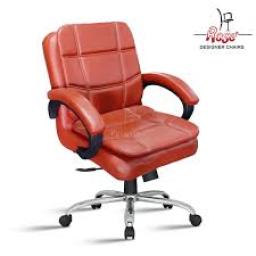
The Office Chair Market is a vital segment of the global furniture industry, driven by demand from corporate offices, home workspaces, educational institutions, and healthcare facilities. However, manufacturers in this market face a persistent challenge—managing the unpredictability of raw material price fluctuations. These cost shifts not only strain profit margins but also impact production planning, pricing strategies, and long-term growth prospects.
Key Raw Materials in Office Chair Manufacturing
Office chairs are constructed using a variety of raw materials, each contributing to functionality, ergonomics, and aesthetics. The core components include:
Steel and aluminum for frames and structural support
Plastic polymers for casters, armrests, and back shells
Foam and textiles for cushions and upholstery
Wood or composite boards for seat bases
Gas lifts and mechanical parts for adjustability
Any significant price movement in these materials directly affects the cost of production, especially for manufacturers producing in high volumes or operating with tight margins.
Causes of Raw Material Price Fluctuations
Raw material costs can fluctuate due to several interconnected factors, such as:
Global supply chain disruptions (e.g., pandemic-related port delays)
Geopolitical tensions (e.g., trade wars, tariffs, or regional conflicts)
Natural disasters (e.g., hurricanes or floods affecting supply hubs)
Energy price volatility, particularly impacting steel and plastics
Currency fluctuations, affecting import/export costs
Increased demand from other industrial sectors competing for the same resources
For instance, a surge in crude oil prices typically raises the cost of plastic polymers used in chair components, while disruptions in steel supply chains affect frame production.
Challenges Faced by Manufacturers
1. Cost Management and Profit Margins
When raw material prices spike unexpectedly, manufacturers are forced to absorb increased costs. For budget-tier products, even a small increase in input cost can significantly erode profit margins. Premium manufacturers may pass some costs to consumers, but this carries the risk of reduced demand.
2. Production Planning and Inventory Risk
Volatility in raw material prices complicates production planning. Buying in bulk may lock in favorable prices but creates storage and cash flow issues. On the other hand, buying in small quantities increases exposure to price volatility and possible shortages.
3. Delayed Product Launches
Rising material costs can delay new product development and launches, especially when the bill of materials becomes unaffordable under the planned pricing strategy. This slows innovation and competitiveness in a market where design and comfort trends shift rapidly.
4. Supplier Dependence and Bargaining Power
Smaller manufacturers often rely on a limited number of suppliers, leaving them vulnerable during price hikes. Their bargaining power is limited, and they may face higher minimum order requirements or longer lead times during high-demand periods.
5. Fluctuating Consumer Pricing and Brand Perception
Frequent changes in product pricing due to material cost shifts can confuse customers or negatively impact brand perception. Inconsistent pricing may lead consumers to delay purchases or switch to competitors perceived as more stable or affordable.
6. Contract Disputes and Order Delays
Long-term contracts with retailers or institutional buyers may not allow for rapid price adjustments. When raw material costs rise, fulfilling existing orders at older rates can become unprofitable, leading to potential contract renegotiations or delays in order delivery.
Strategic Responses to Cost Volatility
Manufacturers are employing several strategies to mitigate the effects of raw material price instability:
a) Diversifying Suppliers
Building relationships with multiple suppliers across different regions helps ensure continuity and competitive pricing. It also provides more flexibility to negotiate terms or switch vendors during cost hikes.
b) Material Substitution and Innovation
Switching to alternative materials—such as recycled plastics, engineered wood, or metal alloys—can reduce dependence on volatile commodities. Innovation in product design also allows for leaner material usage without sacrificing strength or comfort.
c) Price Hedging and Long-term Contracts
Some manufacturers use futures contracts or bulk purchasing agreements to hedge against price increases. Though complex, this approach can offer financial predictability and reduce supply-related risks.
d) Dynamic Pricing Models
Adopting flexible pricing strategies based on market conditions allows companies to adjust product prices in line with input costs. Tiered pricing models and promotional campaigns can also help maintain customer loyalty during pricing transitions.
e) Investment in Automation and Efficiency
Improving manufacturing efficiency through automation and lean production techniques can offset the impact of rising material costs. Reduced waste, faster production cycles, and lower labor dependency help preserve margins.
f) Transparency and Customer Education
Many brands now proactively communicate with customers about cost drivers. Transparency around material quality, sourcing practices, and sustainability efforts can justify higher prices and build trust.
Market Outlook Amid Raw Material Instability
While raw material price volatility remains a persistent challenge, the long-term outlook for the Office Chair Market remains positive. Rising awareness of workplace ergonomics, the expansion of remote work culture, and continued corporate investments in employee comfort are driving sustained demand.
To remain competitive, manufacturers must embrace a proactive, strategic approach—balancing innovation with cost control and operational resilience. By focusing on supplier diversity, agile production, and customer-centric value, companies can successfully navigate price fluctuations while delivering high-quality seating solutions.