Aircraft Skin Market Emerging Trends in Composite Material Adoption and Usage

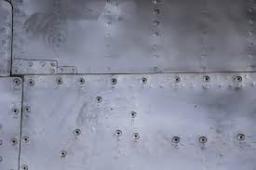
The Aircraft Skin Market is witnessing significant transformation through the increasing adoption of composite materials. These materials provide an optimal balance of strength, weight, and durability, driving advancements in aircraft design and efficiency. Industry stakeholders recognize composites as key to future aerospace innovation and competitive advantage.
Understanding Composite Materials in Aircraft Skins
Composite materials are engineered by combining two or more constituent materials with different physical or chemical properties. Common composites used in aircraft skins include carbon fiber reinforced polymers (CFRP), glass fiber reinforced polymers (GFRP), and aramid fibers.
These materials offer:
High strength-to-weight ratios
Enhanced fatigue resistance
Improved corrosion resistance compared to metals
Design flexibility for complex shapes
Composites enable manufacturers to build lighter and more fuel-efficient aircraft while maintaining structural integrity.
Drivers of Composite Material Adoption
Weight Reduction and Fuel Efficiency
One of the most compelling reasons for composite adoption is significant weight savings.
Lighter aircraft reduce fuel consumption, lowering operational costs and carbon emissions.
Weight reduction also allows for increased payload capacity and longer flight ranges.
Performance and Durability Advantages
Composites exhibit superior fatigue resistance and corrosion immunity, extending aircraft lifespan.
Reduced maintenance requirements lead to lower lifecycle costs.
Resistance to environmental factors improves aircraft reliability and safety.
Design Innovation and Flexibility
Composite materials can be molded into complex shapes that are difficult or impossible with metals.
This flexibility supports aerodynamic optimization and integration of multifunctional structures.
Innovative designs contribute to quieter, smoother, and more efficient aircraft.
Industry Trends in Composite Usage
Increasing Commercial Aircraft Integration
Major commercial aircraft manufacturers are incorporating composites extensively.
Examples include the Boeing 787 Dreamliner and Airbus A350, where composites constitute over 50% of the primary structure.
Airlines favor these aircraft for fuel savings and reduced maintenance.
Growth in Regional and Business Jets
Smaller aircraft segments are also adopting composites to improve performance and reduce emissions.
Enhanced composites tailored for these applications support lightweight yet durable skins.
Business jets benefit from design customization and luxury features enabled by composites.
Expansion in Military and Defense Sectors
Military aircraft increasingly use composites for stealth, agility, and durability.
Lightweight skins improve maneuverability and payload capacity.
Composite coatings can reduce radar signature and thermal detectability.
Technological Advances Enhancing Composite Adoption
Resin Systems and Fiber Technologies
New resin formulations and fiber architectures improve composite strength, toughness, and environmental resistance.
Toughened epoxy resins enhance impact resistance.
Hybrid fiber systems combine carbon, glass, and aramid fibers for optimized performance.
Automated Manufacturing Techniques
Automated fiber placement (AFP) and automated tape laying (ATL) accelerate production while maintaining precision.
These processes reduce labor costs and minimize defects.
Integration with digital design tools supports rapid prototyping and customization.
Repair and Recycling Innovations
Efforts to simplify composite repair and develop recycling methods address sustainability concerns.
Novel repair materials and techniques reduce downtime and cost.
Recycling processes aim to recover fibers and reuse resin matrices.
Challenges in Composite Material Adoption
Despite benefits, challenges exist in composite usage:
High Initial Costs: Raw materials and manufacturing equipment can be expensive.
Complex Inspection and Maintenance: Detecting damage inside composites requires advanced non-destructive testing methods.
Skill Shortages: Workforce training is essential for handling composites during manufacturing and repair.
Regulatory Hurdles: Certification standards for composite structures are evolving, requiring extensive testing.
Industry stakeholders are collaborating to overcome these challenges through innovation and training programs.
Impact on the Aircraft Skin Market
The increasing use of composites is reshaping the aircraft skin market by:
Expanding demand for advanced composite materials and coatings.
Encouraging development of hybrid skins combining composites and metals.
Driving innovation in coating systems compatible with composite substrates.
Creating new supplier ecosystems focused on composite raw materials and fabrication.
Future Outlook for Composite Materials in Aircraft Skins
Experts predict that composite materials will continue to dominate aircraft skin development due to:
Continuous improvements in material performance and cost efficiency.
Rising environmental regulations pushing for lightweight, fuel-efficient aircraft.
Growing urban air mobility and electric vertical takeoff and landing (eVTOL) markets demanding lightweight skins.
Integration with smart materials and sensors for real-time health monitoring.
As research progresses, composites will enable more sustainable, safe, and efficient aerospace solutions.
Conclusion
Emerging trends in composite material adoption are transforming the Aircraft Skin Market. The advantages of composites in weight reduction, durability, and design flexibility position them as essential materials for next-generation aircraft. Despite challenges related to cost, maintenance, and certification, technological advancements and industry collaboration are accelerating composite integration. With rising demand from commercial, regional, business, and military aviation, composites will continue to shape the future of aircraft skins, driving innovation and sustainability in aerospace.