Agricultural Fumigant Market Undergoes Transformation With Precision Agriculture Integration

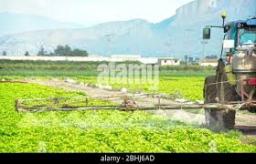
The Agricultural Fumigant Market is undergoing a notable transformation as it aligns with the precision agriculture movement, allowing farmers to apply fumigants more efficiently and responsibly.
As the agricultural sector embraces digital technologies, traditional farming practices are being replaced by data-driven decision-making and smart field management. This shift has directly impacted how crop protection methods, especially fumigation, are approached. Precision agriculture has introduced tools that enhance fumigant effectiveness while minimizing environmental impact, waste, and cost. Consequently, the market for fumigants is not only growing but also evolving with innovative delivery mechanisms and monitoring systems.
Precision Agriculture: A Game Changer in Crop Management
Precision agriculture involves the use of GPS, sensors, satellite imagery, drones, and data analytics to manage agricultural activities with greater accuracy. It allows for:
Variable rate application of inputs like water, fertilizers, and fumigants
Real-time monitoring of soil, pest, and crop health
Geospatial mapping to identify target areas for treatment
Data recording and analysis to inform future planting cycles
When applied to fumigation, these technologies help farmers determine exactly where and how much fumigant is required, eliminating blanket applications and minimizing off-target exposure.
Integration of Fumigation in Precision Farming Systems
Fumigants have long played a role in protecting crops during storage or before planting. However, integration into precision agriculture means they are now used more selectively and strategically. Examples include:
Targeted soil fumigation in high-risk zones identified through soil sensors or pest history data
Drone-assisted fumigant delivery in open fields or greenhouses, offering uniform coverage without compacting soil
Automated fumigation systems in storage facilities that maintain optimal concentrations with minimal manual intervention
Remote monitoring dashboards to track fumigation progress, effectiveness, and residue levels
These advancements not only improve crop yield and shelf life but also support compliance with safety and environmental standards.
Benefits Driving Market Transformation
The integration of precision agriculture into fumigation practices offers a host of advantages that are pushing the market forward:
Reduced chemical usage: Only the necessary quantity of fumigant is applied, saving costs and reducing environmental exposure.
Improved efficacy: Pinpointing pest hotspots ensures that fumigation has maximum impact where it’s needed most.
Enhanced worker safety: Automation reduces human involvement in potentially hazardous tasks.
Regulatory compliance: Precision records support adherence to residue limits and reporting obligations.
Environmental stewardship: Controlled use minimizes groundwater contamination and air pollution.
These benefits are particularly appealing in regions where farming regulations are tightening and where sustainability is a key buyer expectation.
Industry Examples and Applications
Many companies and agricultural research bodies are developing integrated fumigation systems aligned with precision tools. Some notable developments include:
Soil sampling drones that assess nematode concentrations before planting, guiding soil fumigant application
Fumigant injectors connected to GPS systems that adjust dosage in real time based on field mapping
Smart storage units equipped with sensors to automate fumigation cycles for grains and pulses
Field analytics platforms offering AI-powered recommendations for fumigant timing and type based on weather and pest data
These systems are increasingly being adopted by large-scale farms, cooperatives, and agri-tech-focused regions seeking efficient and scalable solutions.
Regional Market Insights
The global integration of precision agriculture varies by region, influencing the adoption rate of related fumigation technologies.
North America: Early adopters of smart agriculture are using precision tools for soil health tracking and pest mapping, accelerating demand for tech-enabled fumigants.
Europe: Stringent environmental regulations and incentives for sustainable practices make precision-integrated fumigation a favored approach.
Asia-Pacific: Governments are investing in digital farming initiatives, with growing awareness among small and mid-sized farms about targeted pest control.
Latin America: Expanding agribusiness sectors are looking toward automation and digitization for improving export quality standards.
Across all these regions, data-driven pest control is emerging as a crucial part of sustainable agricultural development.
Market Challenges and Constraints
Despite promising growth, the precision agriculture-based fumigant market faces several hurdles:
High initial investment in precision equipment and training
Technological literacy gaps among traditional farmers
Limited infrastructure in developing nations for full-scale digital integration
Compatibility issues between fumigant delivery systems and precision software
Addressing these concerns through subsidies, education, and public-private partnerships will be vital for the broad-scale success of this transformation.
Future Trends and Outlook
The future of the agricultural fumigant market will likely be defined by how well it integrates with next-generation farming systems. Anticipated trends include:
AI-driven pest prediction models that recommend specific fumigants and optimal application times
Cloud-based fumigation management platforms offering real-time alerts and performance metrics
Eco-friendly smart fumigants tailored to degrade quickly and leave minimal residues
Blockchain integration for transparent tracking of fumigation activities in food supply chains
In the next decade, fumigation will no longer be a standalone operation but part of a holistic, tech-powered crop protection ecosystem.