Polymerization Initiator Market Breakdown by Organic and Inorganic Initiators

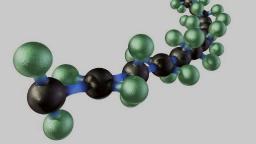
The polymerization initiator market plays a vital role in the global polymer industry, enabling the synthesis of polymers used in everything from packaging and automotive parts to electronics and construction materials. A critical classification within this market lies in the type of initiators—organic and inorganic—each offering distinct properties, applications, and advantages. Understanding the breakdown between these two categories is essential for stakeholders seeking efficiency, innovation, and sustainability in polymer manufacturing.
What Are Polymerization Initiators?
Polymerization initiators are chemical compounds that start the polymerization process by generating reactive species (like free radicals, cations, or anions) that drive the conversion of monomers into polymers. The choice of initiator significantly affects the reaction speed, molecular structure, and final properties of the polymer.
Organic Initiators: Features and Market Insights
Organic initiators primarily include compounds such as peroxides, azo compounds, and photoinitiators. They are widely used in free-radical polymerization processes.
Key Types:
Organic Peroxides (e.g., benzoyl peroxide, dicumyl peroxide)
Azo Compounds (e.g., azobisisobutyronitrile or AIBN)
Photoinitiators (used in UV-curing systems)
Advantages:
Effective at low concentrations
Customizable decomposition temperatures
Broad compatibility with various monomers
Applications:
Widely used in packaging, automotive coatings, adhesives, sealants, and 3D printing resins
Preferred in applications demanding precision and speed, especially where UV curing is required
Market Trends:
Growing demand for UV-curable polymers in electronics, printing, and coatings has increased the use of photoinitiators.
Organic initiators are being tailored for eco-friendly and low-emission applications to comply with strict environmental regulations.
Development of bio-based organic initiators is gaining traction for use in sustainable plastics.
Inorganic Initiators: Features and Market Insights
Inorganic initiators include substances like redox initiator systems and metal catalysts. These are often used in coordination polymerization and ionic polymerization techniques.
Key Types:
Inorganic Peroxides (e.g., hydrogen peroxide)
Redox Systems (e.g., potassium persulfate with ferrous sulfate)
Metal-Based Catalysts (e.g., Ziegler-Natta and metallocene catalysts)
Advantages:
High reactivity and fast initiation rates
Useful in aqueous polymerization systems
Suitable for bulk and suspension polymerization
Applications:
Commonly used in bulk plastics production, such as polyethylene and polypropylene
Important in waterborne polymer systems, where low organic content is desired
Market Trends:
Inorganic initiators are favored in large-scale, cost-sensitive polymer production.
Increased demand in water-based polymer systems (e.g., paints and coatings) is supporting growth in redox initiators.
Emerging research into green synthesis using inorganic catalysts with lower toxicity profiles.
Comparative Overview
| Feature | Organic Initiators | Inorganic Initiators |
|---|---|---|
| Composition | Carbon-based molecules | Mineral compounds or metals |
| Reactivity Control | High – tailored for precision | Moderate – suited for bulk processes |
| Environmental Impact | Moderate – moving toward green options | Potentially safer in aqueous systems |
| Cost | Generally higher | More economical for mass production |
| Applications | Specialty and performance polymers | Commodity polymers and emulsions |
Market Outlook and Strategic Implications
-
The organic initiator segment is expected to grow rapidly due to high-performance requirements in advanced materials and UV-curing applications.
-
Inorganic initiators will continue to dominate large-volume, cost-sensitive markets like basic plastics and water-based paints.
-
Stakeholders are investing in R&D for hybrid initiator systems combining the strengths of both organic and inorganic types for improved efficiency and environmental safety.
Conclusion
The polymerization initiator market, segmented into organic and inorganic types, reflects the diversity and specialization required in modern polymer production. Organic initiators lead in innovation and specialty applications, while inorganic initiators provide scale and cost efficiency. As sustainability and performance continue to shape the polymer industry, both types will evolve, offering tailored solutions across a wide range of applications. Businesses that understand and strategically apply these distinctions will gain a competitive edge in the dynamic global polymer market.