Camel Milk Market Distribution Trends: From Local Farms to Global Brands

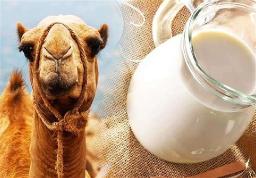
The camel milk market has evolved significantly in recent years, transitioning from niche, locally produced goods into a growing global industry. Distribution channels have expanded and diversified, driven by rising consumer interest in camel milk’s nutritional benefits and increasing demand in health-conscious markets worldwide. This article explores the key distribution trends shaping the camel milk market, highlighting the shift from small-scale local farms to prominent global brands and diverse retail networks.
Local Farms: The Traditional Backbone
Camel milk production has traditionally been centered around pastoral and rural communities in regions such as the Middle East, North Africa, and parts of Asia. Local farms and cooperatives have been the primary suppliers, catering to community consumption and limited regional markets.
Direct Sales: Many producers sell fresh camel milk directly to consumers through farm gates or local markets, emphasizing freshness and authenticity.
Small-Scale Cooperatives: In some countries, cooperative models enable small-scale farmers to pool resources for processing and distribution, improving market reach without sacrificing traditional methods.
Challenges: Limited cold chain infrastructure and inconsistent supply have historically constrained expansion beyond local markets.
Emergence of Regional Distributors
As demand for camel milk products increased, regional distributors began to bridge the gap between local producers and wider markets:
Retail Partnerships: Collaborations with supermarkets, health stores, and specialty retailers allowed camel milk to reach urban consumers seeking alternative dairy options.
Processing Facilities: Investment in regional processing centers improved product consistency, packaging, and shelf life, facilitating longer-distance transportation.
Export Initiatives: Some countries, notably the UAE and Kenya, started exporting camel milk powder and packaged products to global markets, signaling early globalization of the sector.
Rise of Global Brands and Modern Retail Channels
The latest trend in camel milk distribution is the rise of established global brands and the entry into mainstream retail and online platforms:
Brand Development: Companies are investing in branding, quality certifications, and marketing to position camel milk as a premium, health-focused product.
E-Commerce Expansion: Online sales platforms and direct-to-consumer models are rapidly growing, providing access to international buyers and niche consumer segments.
Cold Chain and Logistics: Improved refrigeration and logistics networks support distribution in distant and developed markets, overcoming earlier geographic limitations.
Product Diversification: Packaged milk, flavored variants, powdered forms, and cosmetic applications broaden shelf presence and attract diverse consumer groups.
Omnichannel Strategies and Consumer Engagement
Successful market players are adopting omnichannel strategies to maximize reach and consumer interaction:
Retail and Online Integration: Combining physical retail availability with online shopping enhances convenience and consumer choice.
Subscription Models: Regular delivery services offer freshness assurance and foster brand loyalty.
Social Media and Influencer Marketing: Educating consumers on camel milk benefits through digital channels boosts demand and awareness.
Future Outlook and Opportunities
The camel milk market’s distribution landscape is poised for further transformation:
Global Market Penetration: Expansion into North America, Europe, and Asia-Pacific markets is expected to accelerate, supported by international trade agreements and growing health trends.
Supply Chain Innovations: Advances in cold chain technology, blockchain for traceability, and smart logistics will enhance transparency and product quality.
Collaborations: Partnerships between traditional producers and multinational companies can combine authenticity with scale, fostering sustainable growth.
Conclusion
The camel milk market’s distribution has evolved from local farm-based sales to a sophisticated global network featuring prominent brands and modern retail channels. This transition reflects broader consumer shifts towards health, sustainability, and alternative dairy products. As distribution channels continue to modernize and expand, camel milk is set to become an increasingly accessible and popular choice in the global dairy landscape.