Hiking Footwear Market Pricing Strategies: Premium vs. Budget Offerings

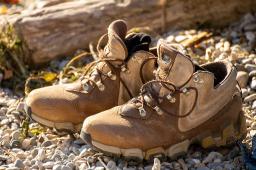
The Hiking Footwear Market is characterized by a wide range of pricing strategies that reflect not only product quality and branding but also consumer diversity and regional buying behavior. As demand grows across both developed and emerging economies, manufacturers and retailers must cater to different income levels, usage frequencies, and lifestyle preferences.
This article explores how brands segment the hiking footwear market into premium and budget categories, the key differences between the two, consumer behavior trends, and strategic approaches to pricing that influence brand positioning and market share.
Overview of Price Segments in the Hiking Footwear Market
Hiking footwear can be broadly categorized into three tiers based on pricing:
| Price Segment | Price Range (Approx.) | Target Consumers |
|---|---|---|
| Budget | $30 – $80 | Occasional hikers, beginners, price-sensitive buyers |
| Mid-range | $80 – $150 | Regular hikers, value-conscious consumers |
| Premium | $150 – $300+ | Professionals, brand loyalists, performance seekers |
This segmentation is influenced by several factors including material quality, brand value, technology, and geographical market dynamics.
Features of Budget Hiking Footwear
Budget offerings aim to attract a larger consumer base through affordability while still maintaining basic functionality and comfort. Key traits include:
-
Synthetic uppers instead of full-grain leather
-
Basic waterproofing or none at all
-
Standard outsole grip (often EVA foam-based)
-
Limited breathability
-
Lower durability and shorter lifespan
-
Focused more on casual or light hiking use
Brands such as Decathlon (Quechua) , Mountain Warehouse , and Hi-Tec dominate this segment. In emerging economies, budget products help convert non-users into first-time hikers, thus expanding the overall Hiking Footwear Market .
Features of Premium Hiking Footwear
Premium hiking footwear is engineered for demanding environments and long-term usage. These products command higher prices due to:
-
High-end materials : Full-grain leather, advanced synthetics
-
Proprietary waterproof membranes (e.g., GORE-TEX®)
-
Superior traction with Vibram® or Michelin® outsoles
-
Advanced cushioning and stability technologies
-
Long-term durability backed by extended warranties
-
Brand prestige and advanced aesthetic design
Top-tier brands like Salomon , Merrell (Moab 3 GTX) , Lowa , Scarpa , and La Sportiva dominate this premium space and often collaborate with professional athletes and mountaineers.
Consumer Behavior and Price Sensitivity
Pricing decisions in the Hiking Footwear Market must reflect nuanced consumer behavior:
-
First-time buyers often start with budget or mid-range products.
-
Frequent hikers invest more once they understand their performance needs.
-
Millennials and Gen Z look for a balance between sustainability, style, and value.
-
Professionals prioritize technical features over cost.
-
Urban outdoor enthusiasts often pay more for branded, fashion-forward hiking shoes even if used occasionally.
Online platforms have further enabled consumers to compare prices, read reviews, and make informed choices based on both cost and functionality.
Strategic Pricing Approaches
1. Value-Based Pricing
Brands evaluate what features consumers value most and price their offerings accordingly. For instance, a boot with waterproofing and ankle support might be priced slightly higher due to its perceived utility.
2. Penetration Pricing
Budget brands often use low pricing to gain a foothold in new or price-sensitive markets, especially in Asia-Pacific or Latin America.
3. Skimming Strategy
Premium brands introduce high-tech products at a premium and later reduce prices as newer models are launched.
4. Psychological Pricing
Pricing products just under a round number (e.g., $149.99 instead of $150) to make them appear more affordable.
5. Bundle Pricing
Offering packages that include hiking socks, waterproof sprays, or insoles with shoes at a slight discount, enhancing value perception.
Regional Pricing Variations
-
North America : Strong mid-range and premium market due to mature hiking culture and high disposable incomes.
-
Europe : Consumers pay more for sustainability and technical craftsmanship.
-
Asia-Pacific : Budget and mid-tier dominate; however, premium adoption is rising among urban professionals.
-
Latin America and Africa : Still growing; affordability is a major factor.
Localized pricing strategies help brands remain competitive while respecting economic realities.
Retail and E-Commerce Influence
Online sales platforms allow dynamic pricing based on demand, inventory levels, and seasonality. Flash sales, discount codes, and loyalty programs often bring premium products within reach of more consumers.
Retail stores still hold importance, especially for trying on shoes and getting fit advice. Price matching and flexible return policies enhance customer confidence in both physical and online environments.
Impact of Sustainability on Pricing
Sustainable hiking footwear often commands a premium. Brands that use recycled materials, eco-friendly packaging, and ethical labor practices factor these costs into their pricing. However, as green technologies scale, the price gap is expected to narrow.
Consumers are increasingly willing to pay more for products that align with their environmental values — a key trend influencing pricing in the Hiking Footwear Market .
Conclusion
Pricing strategy is a critical differentiator in the Hiking Footwear Market , affecting brand positioning, consumer loyalty, and overall market penetration. As hiking continues to appeal to a broader audience, brands must offer compelling options at every price point — from functional entry-level shoes to cutting-edge professional gear. The balance of price, performance, and purpose will determine future success across global markets.