Cross-Linked Polyethylene Market Faces Growth Barriers Amid Regulatory and Material Challenges

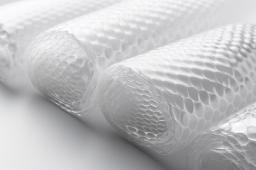
Cross-linked polyethylene market (PEX or XLPE) has long been appreciated for its durability, chemical resistance, and thermal stability across applications in plumbing, heating, and electrical insulation. However, despite this robust demand, several critical barriers are inhibiting its full market potential. These include regulatory hurdles, technical limitations, cost issues, and environmental concerns that need to be thoroughly addressed to ensure sustainable growth.
Regulatory Restrictions and Environmental Norms
One of the most significant barriers in the cross-linked polyethylene market is stringent environmental regulation, particularly in Europe and North America. Regulatory authorities such as the European Chemicals Agency (ECHA) and the U.S. Environmental Protection Agency (EPA) are placing increased scrutiny on polymer materials due to concerns around recyclability and end-of-life waste management. Since cross-linking alters the thermoplastic nature of polyethylene, XLPE becomes difficult to recycle using traditional methods, making it less favorable in a circular economy framework.
Moreover, many governments are tightening their building codes and material safety standards, especially for construction and potable water applications. This regulatory pressure poses a significant challenge for manufacturers, pushing them to invest in R&D for sustainable alternatives or improved recycling technologies, which in turn escalates production costs.
High Initial Cost and Competitive Material Substitutes
Another major barrier stems from the relatively high cost of cross-linked polyethylene compared to conventional thermoplastics such as PVC or HDPE. The complex manufacturing processes involved in cross-linking—whether through peroxide, silane, or radiation methods—require sophisticated equipment and high energy input. This limits the adoption of XLPE in cost-sensitive markets, especially in developing countries where budget constraints drive demand toward cheaper alternatives.
Furthermore, materials such as polypropylene (PP) and chlorinated polyvinyl chloride (CPVC) are gaining ground due to their balance between performance and cost. These competitive materials are often preferred in applications where the advantages of XLPE—like higher temperature resistance—are not strictly necessary, thereby creating a challenging competitive landscape for cross-linked polyethylene suppliers.
Technological Limitations in Recycling and Reprocessing
The very process that gives XLPE its superior properties also makes it non-thermoplastic, which is a significant technical limitation. Traditional recycling methods used for polyethylene or other thermoplastics cannot be applied to cross-linked polymers, as they do not melt upon reheating. This has emerged as a prominent issue in sectors prioritizing sustainability and waste reduction.
While innovations in chemical recycling and pyrolysis technologies offer promise, they are still in developmental stages and are not economically viable for large-scale deployment. The lack of effective end-of-life solutions for XLPE products reduces their appeal in applications where environmental accountability is becoming a market differentiator.
Lack of Awareness and Skilled Labor in Emerging Regions
In many emerging economies, the lack of awareness about the benefits and proper application techniques of cross-linked polyethylene poses another growth barrier. Installation of XLPE products, particularly in plumbing and radiant heating systems, requires skilled labor and specialized tools. This becomes a constraint in areas with a shortage of trained professionals or infrastructure.
Training programs and awareness campaigns are needed to boost confidence in the material, particularly in regions like Southeast Asia, Latin America, and parts of Africa. Without these educational efforts, end-users often default to traditional materials with which they are more familiar.
Volatile Raw Material Prices
Cross-linked polyethylene is derived from polyethylene, a petrochemical product whose price is highly dependent on global crude oil markets. Fluctuating oil prices introduce uncertainty into the production cost structure, making it difficult for manufacturers to maintain stable pricing and profit margins. This volatility hampers long-term planning and discourages investment in large-scale production and application expansion.
Conclusion
While the cross-linked polyethylene market holds promise across numerous high-performance applications, its expansion is restrained by a combination of regulatory, economic, environmental, and technical barriers. Overcoming these challenges will require coordinated efforts among stakeholders, including manufacturers, regulatory bodies, and research institutions. Innovations in recycling, cost reduction, and awareness building can pave the way for a more sustainable and robust XLPE market in the years ahead.