DC Switchgear Market Faces Barriers Amidst Technological Advancement and Regulatory Constraints

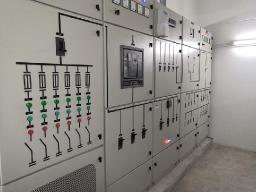
DC switchgear plays a critical role in electrical systems, offering reliable protection, control, and isolation for direct current applications. As global demand for electric vehicles, renewable energy systems, and rail infrastructure continues to grow, the DC switchgear market is gaining attention. However, despite its potential, several barriers are hampering its widespread adoption. From technological limitations and high installation costs to lack of standardization and regulatory challenges, the market faces notable obstacles that need to be addressed for sustained growth.
High Initial Investment and Cost Sensitivity
One of the primary barriers facing the DC switchgear market is the high initial capital expenditure associated with its deployment. Unlike traditional AC systems, DC infrastructure requires specialized components and materials that drive up production and installation costs. This cost sensitivity is particularly pronounced in developing countries where budget constraints limit infrastructure upgrades. For many companies, the return on investment (ROI) is unclear due to the lack of long-term performance data for newer DC technologies, further impeding purchase decisions.
Lack of Universal Standards
The absence of universally accepted technical standards for DC systems remains a major hurdle. While AC grids have well-established regulations and protocols, DC systems are still in the process of achieving international consensus. This lack of harmonization leads to compatibility issues between components from different manufacturers and discourages potential customers who are wary of investing in technologies that may become obsolete or require costly customization in the future. Moreover, the lack of uniform standards delays certification and testing processes, elongating time-to-market for new products.
Technological Complexity and Safety Concerns
Switching and interrupting direct current poses a greater technical challenge compared to alternating current. DC arcs are harder to extinguish, requiring advanced design features in circuit breakers and other components. The safety risks associated with DC systems are higher due to sustained current flow and higher voltages in some applications, particularly in transportation and utility-scale solar power plants. As a result, specialized training for installation and maintenance is required, and the lack of skilled personnel in emerging markets further slows adoption.
Regulatory and Policy Barriers
The regulatory environment surrounding DC switchgear varies significantly by region and often lacks the supportive framework necessary to encourage rapid deployment. In some countries, outdated grid policies favor AC systems, making it difficult for companies to receive permits or incentives for DC infrastructure investments. Without clear and consistent government support, market penetration remains limited. Moreover, in many regions, environmental regulations are evolving, which may require retrofitting existing switchgear systems—an expensive and technically complex process.
Supply Chain and Manufacturing Limitations
The DC switchgear market is still relatively niche compared to its AC counterpart. As such, there are fewer large-scale manufacturers, and supply chain inefficiencies persist. Limited production volumes mean higher unit costs and longer lead times. Additionally, geopolitical issues and fluctuating raw material prices affect component availability, leading to unpredictability in project timelines and budgets. This is especially critical for large-scale renewable and transportation projects that rely on synchronized component delivery.
Market Awareness and Customer Perception
Another often-overlooked barrier is the lack of market awareness. Many potential users still associate DC systems with legacy or niche applications, unaware of their advantages in modern energy landscapes like data centers, offshore wind farms, and electric vehicle infrastructure. There is a clear need for more aggressive marketing and education initiatives to dispel myths, demonstrate safety, and illustrate the economic and operational benefits of DC switchgear.
Addressing the Barriers: Path Forward
Despite these challenges, several strategies can help mitigate the barriers to DC switchgear adoption. Standardization efforts by international bodies such as IEC and IEEE are beginning to bear fruit, which should enhance compatibility and reduce technical uncertainty. Meanwhile, increased R&D investments are leading to safer, more compact, and cost-effective switchgear solutions.
Public-private partnerships and targeted government incentives can also accelerate deployment, especially in critical sectors like renewable energy and electric mobility. Moreover, expanding training programs and technical certifications will help build a skilled workforce to manage DC installations safely and efficiently.
Conclusion
The DC switchgear market holds immense promise in the context of the global shift toward electrification, decarbonization, and digitalization. However, significant barriers such as high costs, lack of standards, safety concerns, and regulatory hurdles must be systematically addressed. With coordinated efforts from industry stakeholders, policymakers, and technology providers, these challenges can be transformed into opportunities, enabling the DC switchgear market to realize its full potential in the coming decade.