Bienvenido, invitado! | iniciar la sesión
US ES

Category: Electronics

n 2025, the GaN (Gallium Nitride) power device market stands at the forefront of a technological revolution, transforming the landscape of power electronics across industries. This year marks a pivotal shift as GaN devices move from niche applications into mainstream adoption, driven by their unmatched efficiency, miniaturization potential, and growing cost-effectiveness. GaN is no longer a futuristic promise — it is a present-day force reshaping how power is converted, controlled, and utilized in everything from electric vehicles to consumer electronics.

GaN power devices | imec

The Rise of GaN: A Disruptive Force in Power Technology


Gallium Nitride, a wide-bandgap semiconductor, has gained significant attention over the last decade due to its superior electrical properties compared to traditional silicon. GaN devices offer higher switching frequencies, reduced power losses, and the ability to operate at higher voltages and temperatures. These advantages have positioned GaN as a key enabler in power management systems that demand performance, efficiency, and space savings.

In 2025, several factors are converging to create optimal market conditions for GaN. First, advances in fabrication processes have dramatically reduced production costs, making GaN devices more accessible. Second, a global emphasis on energy efficiency and sustainability has accelerated the shift toward technologies that reduce energy consumption — a key strength of GaN-based solutions.

EVs and Renewable Energy: Driving Demand


A major catalyst behind the explosive growth of the GaN power device market is the rapid adoption of electric vehicles (EVs) and renewable energy systems. In 2025, EV manufacturers are under intense pressure to improve driving range, reduce charging times, and optimize powertrain performance. GaN-based inverters and onboard chargers enable all of this by offering faster switching and lower energy losses, allowing for more compact and lightweight designs.

Meanwhile, in the renewable energy sector, GaN devices are playing an instrumental role in solar inverters and energy storage systems. Their efficiency and thermal performance make them ideal for high-frequency operation, allowing solar power systems to convert and distribute electricity more effectively. As global efforts to transition to clean energy intensify, GaN’s role in this transformation becomes increasingly critical.

Consumer Electronics Embrace GaN


Another area witnessing massive GaN adoption is consumer electronics. In 2025, GaN has revolutionized how devices like smartphones, laptops, and gaming consoles are powered and charged. Ultra-compact GaN chargers have become the new standard, replacing bulky silicon-based alternatives. These chargers offer higher power delivery in significantly smaller footprints, aligning perfectly with consumer demand for portability and convenience.

As leading tech brands continue to integrate GaN into their flagship products, the technology’s presence in daily life grows. High-performance computing devices, smart home appliances, and wearable technologies all benefit from the reduced heat generation and improved energy efficiency of GaN power systems.

Telecommunications and Data Centers: High Stakes, High Efficiency


The rise of 5G networks and the expansion of global data centers in 2025 have created unprecedented demands on power infrastructure. GaN devices are proving invaluable in telecom power supplies and server farms, where high-efficiency power conversion translates directly into cost savings and sustainability.

In telecommunications, GaN’s high-frequency capability supports faster data transmission and improved signal integrity. In data centers, where energy efficiency and thermal management are top priorities, GaN devices reduce power consumption while maintaining high reliability under continuous load. With the exponential growth of digital services, GaN is poised to become a cornerstone of power delivery systems that keep the world connected.

Challenges and Market Dynamics


Despite the clear advantages and growing adoption, the GaN market in 2025 still faces challenges. One of the key hurdles remains the competition from Silicon Carbide (SiC), another wide-bandgap material gaining traction in high-voltage applications. While GaN excels in low-to-mid voltage scenarios (typically up to 650V), SiC is often preferred for higher voltage and high-power environments such as industrial drives and electric grid infrastructure.

Additionally, design complexity and the need for specialized driver circuits still pose a barrier for some manufacturers. However, ongoing innovation and increasing industry familiarity are gradually reducing these obstacles. Many companies are investing heavily in research and development to simplify GaN integration and expand its use cases.

Future Outlook and Strategic Trends


Looking forward beyond 2025, the GaN power device market shows no signs of slowing. Strategic partnerships between semiconductor companies, OEMs, and foundries are expected to intensify, facilitating more efficient and scalable GaN solutions. Moreover, vertical integration is on the rise, with some companies opting to control the entire production chain to reduce costs and improve supply stability.

Government support for clean energy initiatives, electrification policies, and carbon-neutral targets also create favorable conditions for GaN growth. As global demand for fast, efficient, and compact power solutions continues to rise, the GaN market is expected to mature rapidly, potentially outpacing early forecasts.

Conclusion: A Market on the Verge of Maturity


In 2025, the GaN power device market stands at a crucial inflection point. Once viewed as a high-cost, high-risk alternative to silicon, GaN has matured into a reliable, scalable technology that delivers significant performance and efficiency advantages. Its growing footprint across automotive, renewable energy, consumer electronics, and telecom industries signals a broader transformation in power electronics.

As GaN becomes more integrated into the backbone of modern technology, it is clear that the coming years will see even greater adoption and innovation. For companies that embrace GaN now, the rewards could be substantial — both in terms of market leadership and technological excellence.

Posted in: Electronics | 0 comments

The FTIR (Fourier Transform Infrared) gas analyser market is witnessing a notable rise, driven by increasing industrial demand, technological advancements, and the global shift toward environmental accountability. This growth isn't just about product sales; it's about a transformation in how industries monitor gases, manage safety, and maintain regulatory compliance in real time. With applications spreading across energy, waste management, chemicals, and even pharmaceuticals, the FTIR gas analyser market is expanding into new territories, creating a fresh wave of opportunities.

This article explores how the FTIR gas analyser market is rising across geographies and sectors, where it’s finding new applications, and what future shifts may redefine its trajectory.
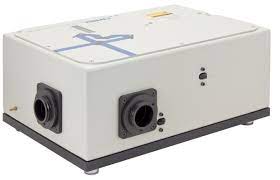
FTIR User's Manual


Emerging Applications Fueling Growth


Historically, FTIR gas analysers have been used primarily for emissions monitoring in power plants, refineries, and cement factories. However, their use is now rapidly expanding across emerging applications.

One of the most promising areas is indoor air quality monitoring . In commercial buildings, laboratories, and manufacturing facilities, there’s growing concern about long-term exposure to gases such as formaldehyde, carbon monoxide, and volatile organic compounds. FTIR analysers offer an accurate, non-invasive method for assessing these environments in real time.

In the pharmaceutical and food industries , FTIR systems are being adopted to monitor the purity of air during production. In such sectors, where contamination risks are high and quality assurance is paramount, FTIR devices help maintain controlled environments by constantly tracking gas concentrations at extremely low levels.

This expansion into health-sensitive and precision-driven industries marks a significant shift in the role of FTIR gas analysers from compliance tools to core operational assets.


Technology Evolution Creating Market Momentum


A central factor behind the rise of this market is how quickly FTIR analyser technology is evolving. Compared to earlier models, modern FTIR systems are significantly more compact, efficient, and adaptable.

Miniaturization of components has made it possible to develop portable and handheld FTIR analysers . These mobile devices are ideal for field inspections, emergency leak detection, and on-site environmental assessments. With rising industrial decentralization and mobile service operations, portable analysers have opened up new use cases that didn’t previously exist.

In addition, software innovations now allow users to interpret data more easily and even automate system diagnostics and reporting. These improvements have made FTIR analysers more user-friendly, reducing training time and encouraging adoption across mid-sized companies and local authorities.


Shifting Industry Priorities Post-Pandemic


The global COVID-19 pandemic reshaped how businesses manage risk and safety. Air quality monitoring, once considered a back-end activity, is now central to building management and industrial operations. Companies across all sectors are paying more attention to clean air environments , which has led to increased investment in real-time gas detection systems.

In factories and logistics hubs, where continuous operation is critical, FTIR analysers help maintain safety standards without disrupting productivity. Even industries such as textile manufacturing and paint production , which deal with fumes and solvents, are adopting FTIR systems to ensure safer workplaces and meet higher hygiene benchmarks.

This shift in business priorities—from purely regulatory compliance to proactive safety and wellness—has given the FTIR gas analyser market a new dimension of relevance.


Globalization of Environmental Standards


Another driver behind the market rise is the global harmonization of emission standards and sustainability goals . Countries previously operating with limited oversight are now adopting stronger environmental policies. This is especially true in regions like Southeast Asia, the Middle East, and Africa, where industrial development is accelerating but must now align with international norms.

As global supply chains become more interconnected, companies operating internationally are standardizing operations and monitoring practices. FTIR gas analysers, capable of delivering consistent, precise measurements across various settings, are a natural choice for companies looking to align operations across multiple regions.

Moreover, multinational environmental initiatives and investor pressure on sustainability are encouraging large corporations to measure and reduce their emissions more transparently. As part of this, high-quality, multi-gas monitoring technologies like FTIR are being incorporated into corporate ESG (Environmental, Social, and Governance) frameworks.


Opportunities for Customization and Integration


The FTIR gas analyser market is also rising due to increasing demand for custom solutions tailored to industry-specific needs. Vendors are now offering modular FTIR systems that can be customized with different sensors, communication interfaces, and software packages.

For example, in waste-to-energy plants, the composition of flue gases can be highly variable. A customizable FTIR analyser can be configured to detect specific gases at varying sensitivity levels, offering better operational control. Similarly, in research labs and universities, custom FTIR setups are used to study exotic gas compounds or chemical reaction mechanisms.

Furthermore, FTIR systems are now being integrated with IoT platforms , remote monitoring dashboards , and AI-based analytics . This integration transforms gas analysis from a standalone activity into a continuous, insight-driven process. Companies gain predictive insights, automate compliance tracking, and make data-driven decisions—giving FTIR systems a new strategic value.


Challenges and Forward View


While the FTIR gas analyser market is on the rise, it is not without its challenges. Initial setup costs, especially for high-end models, can be significant. Also, in industries with lower technical expertise, adoption is sometimes delayed due to the perceived complexity of the technology.

However, as prices gradually decline and user interfaces become more intuitive, these barriers are expected to shrink. Education, training, and vendor support are also improving, making FTIR technology accessible to a broader audience.

Looking forward, the market is likely to see continued growth, especially in regions focusing on decarbonization , renewable energy , and urban environmental planning . As more cities and industrial clusters aim for net-zero emissions, FTIR gas analysers will be critical tools in both strategy and execution.


Conclusion


The rise of the FTIR gas analyser market is a reflection of broader global shifts—toward sustainability, automation, and intelligent safety systems. No longer confined to a niche role in emissions control, FTIR analysers are becoming versatile instruments embedded across modern industry operations.

From protecting workers and monitoring the environment to optimizing processes and meeting ESG goals, FTIR gas analysers are at the heart of a smarter, safer, and cleaner industrial future. As industries continue to evolve, the relevance and application of this technology will only grow stronger.

Posted in: Electronics | 0 comments


The neuromorphic chip market is poised for significant growth between 2025 and 2035, driven by advancements in artificial intelligence (AI), machine learning (ML), and the increasing demand for energy-efficient computing solutions. Neuromorphic chips, designed to mimic the human brain's neural architecture, offer enhanced processing capabilities with lower power consumption, making them ideal for applications in autonomous vehicles, robotics, and edge computing.

Market Growth and Projections

The global neuromorphic computing market is projected to grow from USD 0.72 billion in 2024 to approximately USD 7.5 billion by 2035, reflecting a compound annual growth rate (CAGR) of 23.69% during the forecast period. This growth is fueled by the increasing integration of AI and ML in sectors such as healthcare, automotive, and consumer electronics.

Key Drivers of Market Expansion


  1. Energy Efficiency and Real-Time Processing : Neuromorphic chips offer significant advantages in energy efficiency and real-time data processing, making them suitable for edge computing applications where power consumption and latency are critical factors.


  2. Advancements in AI and ML : The growing complexity of AI and ML algorithms necessitates hardware that can process data more efficiently. Neuromorphic chips, with their parallel processing capabilities, are well-suited to meet these demands.


  3. Demand in Automotive and Robotics : The rise of autonomous vehicles and advanced robotics requires computing systems that can process sensory data in real-time. Neuromorphic chips enable these systems to function more effectively by mimicking human cognitive processes.


  4. Healthcare Applications : In healthcare, neuromorphic computing can enhance diagnostic tools and patient monitoring systems by providing faster and more accurate data analysis.

Regional Market Insights


  • North America : With a robust technological infrastructure and significant investments in research and development, North America leads the neuromorphic computing market. The region's focus on AI, ML, and IoT technologies in sectors like healthcare and automotive drives demand for neuromorphic solutions.


  • Asia Pacific : Expected to register the fastest CAGR during the forecast period, Asia Pacific's growth is driven by rapid adoption of AI and IoT technologies in countries like China, Japan, and South Korea. Government initiatives and increasing demand for smart devices contribute to the region's expanding neuromorphic computing market.

Challenges and Considerations

Despite promising advancements, the neuromorphic computing market faces challenges, including high development costs and lack of standardization. Addressing these issues through collaborative efforts and continued research is essential for widespread adoption.

Future Outlook

The period from 2025 to 2035 is set to witness significant innovations in the neuromorphic chip market, driven by technological advancements and increasing demand across various sectors. With continued investment and research, neuromorphic computing holds the potential to revolutionize the way we process information, offering efficient and intelligent solutions for the future.

In conclusion, the neuromorphic chip market is on a trajectory of substantial growth, underpinned by its potential to transform computing paradigms. As industries increasingly seek energy-efficient and real-time processing solutions, neuromorphic chips are poised to become integral components in the next generation of intelligent system.


Posted in: Electronics | 0 comments


The global medium voltage motor market is entering a transformative phase, driven by rapid technological evolution, growing energy efficiency demands, and heightened industrial automation. From 2025 to 2035, the competitive landscape is expected to intensify, with key players adopting aggressive strategies to maintain or grow their market share. This period will be marked by a dynamic interplay between innovation, geographic expansion, pricing strategies, and product differentiation.

Leading Market Players


The medium voltage motor market is dominated by several multinational corporations, including Siemens AG, ABB Ltd., General Electric, Toshiba Corporation, WEG S.A., and Nidec Corporation. These companies benefit from vast R&D capabilities, established brand recognition, and broad global distribution networks. Their strategic focus lies in developing high-efficiency motors, expanding digital solutions, and enhancing service portfolios.

At the same time, emerging players from Asia-Pacific, particularly China and India, are becoming formidable competitors. These regional companies offer cost-effective solutions tailored for price-sensitive markets and are rapidly scaling up their innovation and production capabilities. Their market entry is disrupting the established hierarchy, pushing global giants to revisit their pricing and operational strategies.

Innovation as a Competitive Tool


Innovation remains the cornerstone of competition in the medium voltage motor market. Companies are investing heavily in developing motors that comply with advanced energy efficiency standards such as IE4 and IE5, while also integrating smart technologies like sensors, IoT connectivity, and predictive maintenance software.

Digital transformation is increasingly a differentiator. Players offering end-to-end smart motor solutions—including performance monitoring, real-time diagnostics, and cloud analytics—are gaining traction. These digital offerings not only enhance motor performance but also create new recurring revenue models through software services and long-term maintenance contracts.

Pricing and Customization Strategies


With growing competition, pricing strategies are becoming more nuanced. While premium brands focus on value-added offerings and high-performance specifications, newer entrants often compete on cost. However, this price competition is balanced by the increasing demand for customized, application-specific solutions.

End-users in industries like mining, oil & gas, water treatment, and energy now demand motors tailored to unique operational requirements. Companies that can provide engineering customization, modular designs, and localized services are positioned to outperform competitors focused solely on mass production.

Geographical Expansion and Local Partnerships


Emerging markets in Asia-Pacific, Latin America, and Africa represent the fastest-growing regions for medium voltage motors. Strategic expansion into these areas—through joint ventures, local manufacturing plants, and dealership networks—is a key competitive tactic. Players with robust localization strategies are better equipped to navigate regulatory environments, supply chain challenges, and customer preferences.

Barriers and Competitive Risks


Despite the positive growth trajectory, competition in the medium voltage motor market is not without challenges. Barriers such as high initial capital investment, stringent regulations, and technological complexity require companies to maintain high operational excellence. Moreover, increasing raw material costs and global supply chain disruptions may impact pricing flexibility and delivery timelines.

Cybersecurity is emerging as a concern, especially as motors become increasingly connected to industrial control systems. Ensuring data integrity and system security is essential for maintaining customer trust in smart motor solutions.

Conclusion


From 2025 to 2035, the medium voltage motor market will witness fierce competition fueled by innovation, regional diversification, and evolving customer demands. Companies that successfully combine technology leadership with market adaptability, service excellence, and strategic partnerships will emerge as dominant forces. In this high-stakes environment, agility and a customer-centric approach will define the next decade of success.


Posted in: Electronics | 0 comments


The medical power supply devices market is undergoing significant transformation between 2025 and 2035, driven by technological advancements, strategic corporate decisions, and evolving regulatory landscapes. These developments are reshaping the industry's trajectory, influencing product innovation, market dynamics, and global competitiveness.


Technological Innovations Fueling Market Growth


Recent years have witnessed a surge in technological advancements within the medical power supply sector. The integration of Gallium Nitride (GaN) and Silicon Carbide (SiC) technologies has led to the development of more efficient, compact, and reliable power solutions. These innovations are particularly beneficial for high-performance medical equipment, such as imaging systems and surgical tools, where precision and reliability are paramount.

Additionally, the trend towards miniaturization is gaining momentum, driven by the increasing demand for portable and home-based medical devices. Manufacturers are focusing on developing smaller, lightweight power supplies without compromising on performance, catering to the needs of modern healthcare settings.


Strategic Corporate Movements


Major players in the medical device industry are undertaking strategic initiatives to streamline operations and focus on core competencies. For instance, Medtronic announced plans to spin off its diabetes division into a separate publicly traded company within 18 months. This move aims to allow Medtronic to concentrate on its more profitable cardiovascular, neuroscience, and surgical device segments .

The new diabetes-focused company will be headquartered in Northridge, California, with approximately 8,000 employees. This restructuring reflects a broader industry trend where companies are realigning their portfolios to enhance focus and drive growth in specific areas.


Regulatory and Trade Challenges


The global medical device industry is facing regulatory and trade-related challenges that could impact the medical power supply market. The European Union has threatened to limit access to Chinese medical devices following an investigation into discriminatory practices against EU manufacturers in public contract bids . Such trade tensions could disrupt supply chains and affect the availability of medical power supply components.

In the United States, proposed tariffs on medical devices and components are causing concern among manufacturers. For example, Siemens Healthineers' photon-counting CT scanner, the Naeotom Alpha, faces potential business disruption due to proposed global tariffs . These tariffs could increase costs and delay procurement, affecting the adoption of advanced medical technologies.


Market Growth Projections


Despite these challenges, the medical power supply market is poised for significant growth. According to a report by Fact.MR, the global medical power supply device market is estimated to reach a size of USD 1.89 billion in 2024 and is projected to grow at a CAGR of 4.2% between 2024 and 2034, reaching USD 2.87 billion by 2034 .

This growth is driven by several factors, including the increasing demand for advanced medical equipment, the rise in home healthcare services, and the ongoing technological advancements in power supply solutions. The Asia-Pacific region, in particular, is expected to witness substantial growth due to expanding healthcare infrastructure and rising investments in medical technology.


Emerging Trends and Future Outlook


Looking ahead, several trends are expected to shape the medical power supply devices market:


  • Integration with IoT and Smart Technologies : The incorporation of Internet of Things (IoT) technologies into medical power supplies is enabling real-time monitoring and predictive maintenance, enhancing the reliability and efficiency of medical devices.


  • Focus on Energy Efficiency and Sustainability : Manufacturers are prioritizing the development of energy-efficient power supplies to reduce environmental impact and comply with stringent regulatory standards.


  • Customization and Modular Designs : There is a growing demand for customizable and modular power supply solutions that can be tailored to specific medical applications, offering flexibility and scalability.


  • Emphasis on Safety and Compliance : Ensuring compliance with international safety standards, such as IEC 60601-1, remains a critical focus area, with manufacturers investing in rigorous testing and certification processes.


Conclusion


The medical power supply devices market is undergoing a period of dynamic change, influenced by technological advancements, strategic corporate decisions, and evolving regulatory landscapes. While challenges such as trade tensions and regulatory hurdles persist, the market's growth prospects remain strong, driven by innovation and the increasing demand for advanced medical technologies. Stakeholders in the industry must navigate these developments strategically to capitalize on emerging opportunities and ensure sustained growth in the coming decade.


Posted in: Electronics | 0 comments


The marine radar market is on the brink of transformative change, driven by advances in technology, rising maritime security needs, and the growth of global shipping activities. As we look toward the future, several key trends are shaping the direction of this vital industry, with implications for both commercial and defense sectors.

1. Integration of Artificial Intelligence (AI) and Machine Learning (ML)


One of the most significant trends in the marine radar market is the integration of AI and ML technologies. These intelligent systems are revolutionizing how radar data is processed and utilized. AI-enhanced radar systems can analyze patterns, detect anomalies, and provide predictive insights for collision avoidance and route optimization. Machine learning algorithms are being trained to improve the radar's ability to distinguish between various targets, even in cluttered environments like busy ports or during poor weather conditions. This automation is not only improving navigational safety but also reducing the burden on human operators.

2. Growing Demand for Autonomous and Unmanned Vessels


As the maritime industry moves toward automation, the demand for reliable radar systems for autonomous ships and unmanned surface vehicles (USVs) is growing rapidly. These vessels rely heavily on advanced radar technologies to perceive their surroundings, detect threats, and navigate safely without human intervention. This trend is expected to significantly influence radar design, with a focus on compact, low-power systems that offer real-time object tracking and high-resolution imaging.

3. Miniaturization and Integration of Multi-Functionality


Future marine radar systems are becoming more compact and multifunctional, integrating seamlessly with other navigation and communication systems onboard. Instead of standalone devices, radar is increasingly becoming part of a broader integrated bridge system, offering capabilities like GPS, AIS (Automatic Identification System), and electronic chart displays in a single interface. This trend is particularly appealing to smaller vessels such as fishing boats and recreational yachts, which benefit from space-saving and cost-effective technologies.

4. Sustainability and Energy Efficiency


Environmental concerns are prompting radar manufacturers to focus on developing energy-efficient systems with lower electromagnetic emissions. As maritime industries work toward reducing their carbon footprint, there is a push for radars that consume less power while maintaining high performance. This is particularly important for vessels with limited energy capacity, such as those using hybrid or electric propulsion systems.

5. Enhanced Weather Detection Capabilities


Weather radar technology is also improving, with marine radars increasingly equipped to detect and interpret weather conditions like storms, fog, and sea clutter. These advancements enable mariners to make informed decisions to avoid dangerous weather patterns, improving safety and fuel efficiency. Long-range S-band radar systems are particularly suited for this purpose, and their adoption is expected to increase in the coming years.

6. Regional and Defense Sector Expansion


Geopolitical tensions and the need for coastal surveillance are driving investments in radar systems for naval and coast guard applications. Governments are upgrading their maritime patrol capabilities, especially in regions like Asia-Pacific, the Middle East, and parts of Africa. This is leading to greater demand for high-performance radar systems with capabilities such as long-range detection, electronic counter-countermeasures (ECCM), and integration with surveillance drones.


In summary, the marine radar market is undergoing a dynamic evolution, shaped by emerging technologies, shifting maritime priorities, and growing global trade. The future trends point toward smarter, greener, and more integrated radar solutions that will redefine safety and efficiency at sea.


Posted in: Electronics | 0 comments
High Voltage Switchboard Market 2025–2035 : Trends, Drivers, and Opportunities


The high voltage switchboard market while experiencing considerable growth due to infrastructure modernization and renewable energy integration, also faces several critical challenges or "pain points" that could hinder its expansion.

One major issue is the high initial capital investment required for installation and modernization of high voltage switchboards. This deters adoption in cost-sensitive markets, particularly in developing regions. Additionally, the complexity of integration with smart grid systems and renewable energy sources presents technical challenges, requiring skilled professionals and advanced digital interfaces, which are not always readily available.

Regulatory compliance and safety standards vary significantly across regions, complicating global market operations for manufacturers and requiring constant updates to product designs. Supply chain disruptions , particularly in sourcing raw materials like copper and semiconductors, have also impacted production timelines and increased costs.

Moreover, maintenance and reliability issues can be significant, especially in older electrical infrastructure where switchboards must be retrofitted rather than replaced. This often leads to increased downtime and operational risks.

Addressing these pain points through innovations in modular designs, workforce training, and digital diagnostics will be crucial for market players seeking long-term success in the evolving high voltage switchboard sector.


Posted in: Electronics | 0 comments
   / 2
MarketResearchReports
Seguidores:
bestcwlinks willybenny01 beejgordy quietsong vigilantcommunications avwanthomas audraking askbarb artisticsflix artisticflix aanderson645 arojo29 anointedhearts annrule rsacd
Recientemente clasificados:
estadísticas
Blogs: 18