Plant PV Solar Market Growth Driven by Rising Renewable Energy Investments Across Global Regions

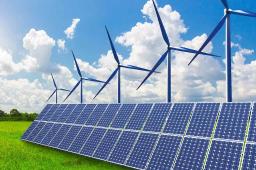
The global photovoltaic (PV) solar market has evolved into one of the most dynamic and transformative sectors within the energy industry. Driven by technological innovation, policy commitments, changing consumer preferences, and shifting economic landscapes, the PV solar market is now central to the global effort to decarbonize and transition toward renewable energy. Understanding the underlying dynamics at play is critical for stakeholders from manufacturers and investors to policymakers and energy consumers as they navigate opportunities, challenges, and competitive pressures.
This article provides an in-depth analysis of the key PV solar market dynamics that are shaping the sector’s trajectory, offering insights into the forces influencing growth, competition, innovation, and resilience.
Demand Dynamics: Global Growth with Regional Variations
The demand for PV solar installations has experienced robust growth over the past decade, fueled by the declining cost of solar modules, increasing energy demand, and the global shift toward clean energy. By 2024, global installed PV capacity surpassed 1,200 gigawatts (GW), marking a remarkable achievement in renewable deployment.
However, the demand profile is not uniform across regions. In mature markets like Europe and North America, growth is increasingly driven by distributed solar applications, corporate renewable power purchase agreements (PPAs), and grid decarbonization targets. Meanwhile, in emerging markets such as Southeast Asia, Latin America, and Africa, demand is rising sharply due to energy access needs, electrification efforts, and cost competitiveness compared to fossil fuels
Supply Chain Dynamics: Opportunities and Risks
The supply side of the PV solar market has undergone significant transformation, particularly over the past five years. China has emerged as the dominant player in global module production, controlling over 70% of manufacturing capacity for key components such as polysilicon, wafers, cells, and modules. This concentration has enabled significant economies of scale, driving down prices globally but it has also created supply chain vulnerabilities.
Recent years have exposed the risks associated with this concentration. Geopolitical tensions, trade restrictions, and supply bottlenecks such as the polysilicon shortages observed during the COVID-19 pandemic have introduced volatility into module pricing and availability. As a result, many countries are now exploring strategies to localize manufacturing, diversify suppliers, and develop more resilient supply chains.
Furthermore, raw material dynamics, including the availability and price fluctuations of silver, copper, and aluminum, play a critical role in shaping the cost and scalability of PV solar systems. Supply chain dynamics will continue to influence global competitiveness, cost trends, and market stability.
Technological Dynamics: Innovation as a Catalyst
One of the most defining features of the PV solar market is its rapid pace of technological advancement. Innovations in solar cell design including the shift from polycrystalline to monocrystalline, the introduction of bifacial modules, and the development of perovskite tandem cells have significantly increased conversion efficiencies.
Beyond the module itself, improvements in system components such as inverters, trackers, and balance-of-system elements are enhancing overall performance and reliability. Energy storage integration, smart grid technologies, and digital monitoring systems are further amplifying the value proposition of solar installations, enabling better grid integration and energy management.
The technological dynamic is not solely about efficiency gains; it is also about cost reduction, product differentiation, and new application areas such as floating PV, building-integrated photovoltaics (BIPV), and agrivoltaics. For stakeholders, staying ahead of these technological trends is vital to maintaining competitiveness and capturing emerging market segments.
Policy and Regulatory Dynamics: The Engine Behind Growth
Policy support has been a cornerstone of the PV solar market’s expansion. Government incentives, including feed-in tariffs, investment tax credits, renewable portfolio standards, and competitive auctions, have underpinned market growth by de-risking investments and incentivizing adoption.
However, policy frameworks are inherently dynamic, evolving in response to political priorities, economic conditions, and societal pressures. For example, while the U.S. Inflation Reduction Act has provided long-term clarity and support for domestic solar development, other markets have seen policy reversals or reductions in subsidies, introducing uncertainty.
Looking ahead, the alignment of national energy policies with climate commitments under frameworks like the Paris Agreement will continue to shape the global solar landscape. Regulatory reforms around permitting, grid access, and land use will also play a crucial role in determining the pace and scale of future PV deployments.
Financial Dynamics: Capital Flows and Investment Trends
The financial landscape of the PV solar market has evolved significantly as solar projects have become mainstream investment opportunities. Institutional investors, private equity firms, and infrastructure funds are increasingly allocating capital to solar assets, attracted by predictable cash flows and alignment with environmental, social, and governance (ESG) mandates.
At the same time, innovations in financing models such as green bonds, yieldcos, leasing arrangements, and community solar programs are expanding access to capital across market segments. Interest rate fluctuations, currency risks, and credit availability will continue to influence the financial dynamics of solar development, particularly in emerging markets where access to affordable capital remains a challenge.
Conclusion
The PV solar market is shaped by a complex interplay of demand, supply, technological, policy, and financial dynamics. Together, these forces are driving unprecedented growth while also introducing new challenges and competitive pressures. Understanding these dynamics is essential for stakeholders seeking to navigate the evolving landscape, optimize strategies, and capture long-term value.
As the world accelerates its transition to clean energy, the PV solar market will remain at the forefront of innovation and investment. Companies, investors, and policymakers that can effectively anticipate and respond to market dynamics will be best positioned to lead in this next chapter of the global energy transformation.