Technological Innovations to Transform the Landscape of the Ostomy Devices Market

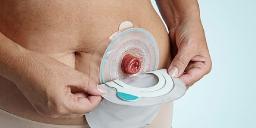
The global ostomy devices market is presenting a range of lucrative opportunities, driven by rising chronic disease prevalence, aging populations, technological innovation, and growing healthcare awareness. With a rising number of patients requiring long-term stoma care and a heightened focus on quality of life, the demand for advanced and accessible ostomy solutions is on an upward trajectory. Industry stakeholders are now strategically positioned to capitalize on these emerging opportunities across mature and developing markets alike.
Expanding Patient Population and Chronic Disease Burden
A significant opportunity for growth in the ostomy devices market lies in the increasing prevalence of colorectal cancer, bladder cancer, and inflammatory bowel diseases (IBD) such as Crohn’s disease and ulcerative colitis. These conditions often necessitate surgical interventions leading to the creation of a stoma, requiring the long-term use of ostomy appliances.
According to the World Health Organization, over 1.9 million cases of colorectal cancer were diagnosed globally in 2022, with numbers expected to rise. Simultaneously, IBD cases are steadily increasing in both high-income and low-to-middle-income countries. This growing patient pool translates into sustained demand for ostomy products, particularly as healthcare systems become more adept at early diagnosis and surgical interventions.
Aging Population: A Key Growth Driver
The global increase in the elderly population offers substantial long-term potential for the ostomy market. Older adults are more susceptible to gastrointestinal diseases, cancers, and other conditions requiring surgical stomas. By 2030, it is estimated that one in six people globally will be aged 60 or older, with the number rising even more sharply in developed regions.
This demographic trend creates opportunities not only in terms of market volume but also for product innovation tailored to elderly patients devices that are easier to manage, more comfortable to wear, and designed for mobility and independence. Manufacturers focusing on ergonomics, durability, and simplified application stand to benefit from this aging customer base.
Technological Innovation Driving Product Differentiation
The ostomy devices industry is rapidly embracing technological innovation, opening up new avenues for product differentiation and user engagement. Advancements such as skin-friendly adhesives, leak-proof barriers, integrated odor filters, and low-profile pouch systems have significantly enhanced the functionality and user experience of ostomy products.
A major opportunity lies in the emerging field of smart ostomy devices , which incorporate digital monitoring capabilities. These systems can measure stoma output, detect leakage, and alert users or caregivers through mobile apps. As healthcare providers increasingly prioritize home care and remote monitoring, digital integration could redefine ostomy management, creating substantial growth opportunities for tech-forward companies.
Untapped Potential in Emerging Markets
While North America and Western Europe currently dominate the ostomy devices market, emerging economies in Asia-Pacific, Latin America, and Africa offer underexplored growth potential. Rapid urbanization, rising income levels, increasing awareness about chronic diseases, and improving healthcare infrastructure in countries like India, China, Brazil, and South Africa are opening new doors for market expansion.
Despite these positive trends, challenges such as cultural stigma, affordability issues, and lack of trained stoma care professionals remain. Companies that invest in education campaigns, local partnerships, and affordable product lines will be better positioned to penetrate and thrive in these developing regions.
Growth in Home Healthcare and Post-Acute Care
As healthcare systems worldwide shift toward home-based care models, the ostomy market is witnessing new demand patterns. Patients increasingly seek solutions that are discreet, easy to apply, and require minimal assistance, creating opportunities for companies to develop self-manageable ostomy systems.
The rise in ambulatory care, telemedicine, and remote monitoring further supports the demand for products compatible with decentralized healthcare delivery. This trend is expected to accelerate the need for personalized ostomy care solutions and drive innovation in packaging, delivery, and support services.
Evolving Reimbursement and Regulatory Support
Improving reimbursement frameworks in countries such as the United States, Germany, and the United Kingdom is enhancing access to ostomy devices. These systems reduce the out-of-pocket burden on patients and encourage adoption of advanced devices that offer better long-term outcomes.
Regulatory bodies are also playing a role in shaping the market. Stringent quality and safety standards are compelling manufacturers to enhance product efficacy, durability, and biocompatibility. This emphasis on compliance and patient safety creates a level playing field for established and emerging brands alike to bring innovation to the market.
Conclusion
The ostomy devices market is poised for robust growth, supported by favorable demographic trends, increasing chronic disease prevalence, and technological advancements. While developed regions continue to offer stable demand, emerging markets present untapped potential that can be unlocked through strategic investment and innovation.
Companies that align their product development with patient needs focusing on comfort, ease of use, and digital integration—will be best positioned to capitalize on the evolving market landscape. As healthcare continues to move toward patient-centric, decentralized care, the ostomy devices market will remain a critical area of opportunity for innovation and expansion.