A2 Milk Market Sees Growth as Consumers Prioritize Gut Health and Wellness

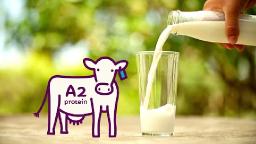
The A2 milk market has experienced a remarkable trajectory over the past decade, moving from a niche health product to a mainstream dairy alternative in many global markets. Despite its impressive growth, the sector is not immune to volatility. Market fluctuations in this space stem from a complex interplay of supply chain dynamics, consumer behavior, competitive pressures, regulatory frameworks, and broader macroeconomic forces. Understanding these volatility factors is critical for stakeholders including producers, investors, retailers, and policymakers who seek to participate strategically in the evolving A2 milk ecosystem.
This article delves into the causes, patterns, and potential responses to market volatility in the A2 milk industry, offering insight into both short-term disruptions and long-term stability prospects.
Understanding A2 Milk and Its Market Position
A2 milk is derived from cows that naturally produce only the A2 type of beta-casein protein, unlike conventional milk which contains both A1 and A2 proteins. The absence of A1 beta-casein is claimed to make A2 milk easier to digest for some individuals, especially those who experience discomfort with standard milk but are not lactose intolerant.
While the health benefits continue to be explored in scientific literature, the product has gained considerable traction in regions such as Australia, New Zealand, China, the United States, and India. As demand has increased, so too have the complexities involved in producing and marketing this specialty milk, setting the stage for various types of market volatility.
Key Drivers of Market Volatility in the A2 Milk Sector
1. Supply Chain Complexity and Breeding Challenges
Producing A2 milk requires cows that exclusively yield the A2 beta-casein protein. This necessitates genetic testing and selective breeding, which significantly extends the supply chain timeline. Unlike conventional dairy operations that can scale rapidly, A2 milk production is more time-intensive and costlier. Consequently, any disruption—such as disease outbreaks, feed shortages, or climate-induced livestock issues—can sharply impact availability and pricing, leading to localized or regional supply volatility.
2. Consumer Demand Fluctuations
Although awareness of A2 milk has grown, consumer understanding of its health benefits is still evolving. This makes demand highly sensitive to media narratives, scientific findings, and public health campaigns. A single negative report questioning its claimed benefits or price justification can create temporary dips in sales. Conversely, new studies validating its health benefits may trigger sudden demand spikes, creating supply pressure.
3. Price Sensitivity and Premium Positioning
A2 milk is often positioned as a premium product, retailing at 1.5 to 2 times the price of regular milk. While this appeals to health-conscious consumers, it also introduces pricing volatility. In times of economic uncertainty or inflation, consumers may switch to lower-cost alternatives, impacting sales volume. Conversely, in bullish markets with rising health and wellness spending, A2 milk consumption typically increases. This cyclical demand pattern contributes to inconsistent market performance across quarters.
4. Global Trade and Export Dependencies
Countries like New Zealand and Australia are major exporters of A2 milk, especially to China. This dependence on international markets exposes the sector to trade policy changes, tariffs, geopolitical tensions, and logistical bottlenecks. For example, diplomatic strains or new import regulations in China could abruptly reduce export opportunities, leading to supply gluts and domestic price corrections in producing nations.
Regulatory and Competitive Uncertainties
The regulatory environment surrounding health claims is another contributor to volatility. In many jurisdictions, the ability to market A2 milk based on digestive benefits is constrained by advertising and food safety regulations. Any tightening or relaxation of these rules can directly affect brand positioning and consumer trust.
Furthermore, the competitive landscape is intensifying. As more traditional dairy producers enter the A2 space and plant-based milk alternatives continue to gain traction, A2 milk companies must contend with fluctuating market share and changing consumer loyalty. Aggressive pricing, brand dilution, or oversaturation could trigger instability in both revenues and investor confidence.
Strategies to Mitigate Volatility
To navigate these challenges, stakeholders are adopting several mitigation strategies:
Supply Chain Diversification: Establishing local production units in key markets to reduce reliance on exports.
Consumer Education: Investing in transparent, science-backed campaigns to build long-term trust.
Product Diversification: Expanding into A2-based yogurt, infant formula, and cheese to stabilize revenue streams.
Dynamic Pricing Models: Offering smaller packs or hybrid dairy options to retain price-sensitive customers.
Regulatory Engagement: Working with governments to standardize labeling and permissible health claims.
Conclusion
While the A2 milk market continues to show strong growth potential, its journey is marked by significant volatility driven by biological, economic, regulatory, and behavioral factors. Stakeholders who recognize and adapt to these dynamic variables will be better positioned to capture value, even in uncertain conditions.
Ultimately, the ability to manage volatility while building consumer trust will define the long-term sustainability of the A2 milk sector in the global dairy market.