Sparkling Wine Market Developments: Innovations in Fermentation and Aging Techniques

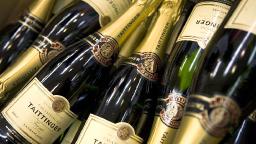
The Sparkling Wine Market is undergoing significant transformation driven by advancements in fermentation and aging techniques. These innovations are not only enhancing the sensory qualities of sparkling wines but also optimizing production processes and sustainability. As consumer demand for premium, diverse, and unique sparkling wine experiences grows, producers are investing in scientific and technological improvements that push the boundaries of traditional winemaking.
This article explores key innovations in fermentation and aging processes, their impact on the sparkling wine industry, and the implications for market growth and competitive dynamics.
Traditional Fermentation and Aging: Foundations of Sparkling Wine Quality
Sparkling wine’s distinctive effervescence and flavor profile are primarily shaped by fermentation and aging processes. Traditionally, the Méthode Champenoise (traditional method) involves a secondary fermentation in the bottle, creating natural carbonation and complex aromas. Aging on lees (dead yeast cells) further refines texture and flavor, adding creaminess and nutty notes.
While this classic approach has defined sparkling wine excellence for centuries, it comes with challenges such as long production times, high labor intensity, and variability in consistency. These limitations have prompted winemakers to seek innovative methods to improve efficiency without compromising quality.
Innovations in Fermentation Techniques
Controlled Fermentation with Advanced Yeast Strains
The development and use of specialized yeast strains tailored for sparkling wine production have enabled greater control over fermentation dynamics. These yeast variants improve fermentation speed, alcohol tolerance, and flavor compound production, resulting in enhanced aromatic complexity and cleaner finishes.
Genomic research and biotechnological advances allow winemakers to select yeasts that optimize sugar conversion and reduce off-flavors, creating more consistent and desirable sparkling wines.
Automated and Precision Fermentation Systems
Automation and sensor technology in fermentation tanks allow for precise monitoring and control of temperature, pressure, and fermentation rates. This level of control ensures optimal conditions for yeast activity, reducing risks of stuck fermentation or spoilage.
Precision fermentation also facilitates experimentation with fermentation profiles, enabling producers to craft distinct flavor expressions that cater to niche markets.
Alternative Fermentation Vessels
Innovative use of fermentation vessels such as stainless steel tanks with micro-oxygenation, concrete eggs, and amphorae introduces new textural and aromatic dimensions to sparkling wines. These vessels influence oxygen exposure and microbial interactions, imparting unique characteristics.
Such experimentation appeals to consumers seeking artisanal and terroir-driven sparkling wines with authentic, nuanced profiles.
Advances in Aging Techniques
Accelerated Aging Technologies
Traditional aging on lees can take several months to years. Recent developments include accelerated aging techniques using ultrasound, micro-oxygenation, and controlled agitation to replicate the effects of extended lees contact in shorter periods.
These methods enable producers to meet growing demand without lengthy wait times, increasing market responsiveness and reducing inventory costs.
Oak Alternatives and Barrel Innovations
While traditional oak barrel aging is less common in sparkling wine production, innovations such as the use of oak chips, staves, or barrels with controlled oxygen ingress provide subtle wood influence without overpowering primary fruit flavors.
These techniques introduce complexity and depth, appealing to consumers who enjoy richer, more textured sparkling wines.
Hybrid Aging Approaches
Some producers combine traditional bottle aging with tank aging or alternative vessel aging to balance consistency and innovation. This hybrid approach allows for scalable production while maintaining artisanal qualities.
Such flexibility supports diverse product lines targeting both mass-market and premium segments.
Impact on Product Quality and Market Differentiation
Enhanced Flavor Profiles and Complexity
Innovative fermentation and aging methods expand the flavor palette available to sparkling wine producers. From fruit-forward and floral notes to creamy, toasted nuances, these techniques enable a broader range of sensory experiences.
This diversity helps brands differentiate their offerings in competitive markets and meet increasingly sophisticated consumer palates.
Consistency and Quality Control
Greater control over fermentation and aging reduces batch variability and quality risks. This reliability strengthens brand reputation and consumer trust, critical factors for premium market positioning.
Improved process efficiency also contributes to sustainable production by minimizing waste and energy consumption.
Supporting Sustainability Initiatives
Many innovations align with sustainability goals. For example, shorter aging periods reduce energy use, and alternative vessels often require less resource-intensive production.
Producers adopting eco-friendly fermentation and aging technologies can appeal to environmentally conscious consumers, enhancing brand value.
Market and Industry Implications
Competitive Advantage through Innovation
Early adopters of advanced fermentation and aging techniques gain a competitive edge by delivering high-quality, innovative products more efficiently. This advantage supports market penetration and premium pricing strategies.
Encouraging Small-Scale and Boutique Production
Technological accessibility allows smaller producers and boutique wineries to experiment with novel techniques, fostering creativity and diversity in the sparkling wine market.
This trend broadens the market landscape and attracts consumers seeking unique, limited-edition offerings.
Expanding Global Reach
Improved production consistency and scalability enable sparkling wine producers to serve emerging markets with reliable products tailored to local tastes. Innovations in fermentation and aging also facilitate adaptation to different climatic and grape-growing conditions worldwide.
Future Outlook
As consumer demand evolves, the Sparkling Wine Market will continue to benefit from advances in fermentation and aging technologies. Research into microbial ecology, precision enology, and sustainable practices promises further breakthroughs.
Producers who integrate these innovations with strong branding and market insight will be well-positioned to capitalize on growth opportunities, meet shifting consumer expectations, and lead the sparkling wine industry into a new era of quality and creativity.
#SparklingWineMarket #WineInnovation #FermentationTechnology #WineAging #Winemaking #BeverageIndustry #SustainableWine #PremiumWine #MarketGrowth #WineTrends