
#BotanicalExtractsMarket #Biotechnology #ExtractionEfficiency #NaturalIngredients #SustainableExtraction #Pharmaceuticals #Cosmetics #FoodIndustry #MarketGrowth #Innovation
Botanical Extracts Market Industry Insights: Role of Biotechnology in Enhancing Extraction Efficiency
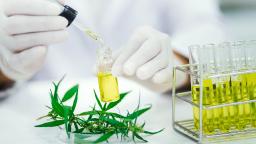
Introduction: Biotechnology’s Impact on the Botanical Extracts Market
The Botanical Extracts Market is experiencing transformative changes driven by biotechnological advancements. Biotechnology plays a pivotal role in enhancing extraction processes, improving the quality and efficacy of botanical ingredients used extensively in pharmaceuticals, cosmetics, and food industries. This article explores the integration of biotechnology into botanical extraction, highlighting its benefits, applications, and influence on industry dynamics.
Understanding Biotechnology in Botanical Extraction
Biotechnology involves the use of living organisms, cells, and enzymes to develop or modify products and processes. In botanical extraction, it enables more efficient and sustainable methods for isolating bioactive compounds from plants compared to conventional extraction techniques such as solvent extraction or distillation.
Key biotechnological techniques employed include:
Enzymatic Extraction: Utilizing specific enzymes to break down plant cell walls, facilitating the release of target compounds.
Microbial Fermentation: Using microbes to biotransform plant materials, enhancing yield and bioavailability of extracts.
Tissue Culture and Plant Cell Cultures: Growing plant cells in controlled environments to produce desired compounds without harvesting whole plants.
Genetic Engineering: Modifying plants to increase production of specific bioactive molecules.
These innovations optimize extraction efficiency and product consistency while reducing environmental impact.
Advantages of Biotechnology in Botanical Extracts Production
Biotechnology offers several critical advantages for the botanical extracts market, such as:
Higher Yield and Purity: Enzymatic and microbial techniques often yield higher concentrations of active compounds with improved purity, enhancing extract potency.
Sustainability: Plant cell cultures and fermentation reduce the need for extensive plant harvesting, conserving natural resources and supporting biodiversity.
Consistent Quality: Controlled biotechnological processes ensure batch-to-batch consistency, crucial for pharmaceutical and cosmetic applications requiring strict quality standards.
Selective Extraction: Biotechnology allows targeted extraction of specific molecules, minimizing unwanted components and improving extract safety and efficacy.
Cost-Effectiveness: Although initial setup may be expensive, biotechnological methods can lower long-term costs by reducing solvent use, processing time, and waste.
These benefits drive manufacturers to adopt biotechnological solutions, accelerating market growth.
Biotechnology Applications Across End-Use Industries
Pharmaceuticals:
Biotechnology enhances the extraction of therapeutic compounds such as alkaloids, flavonoids, and saponins used in drug formulations. Improved extraction efficiency leads to better drug efficacy and safety. Additionally, plant cell cultures enable the sustainable production of rare or endangered medicinal compounds.
Cosmetics:
Natural bioactive compounds like antioxidants, anti-inflammatory agents, and moisturizing ingredients extracted via biotechnology are increasingly favored in cosmetic formulations. The clean-label trend drives demand for extracts produced without harsh chemicals, positioning biotechnology as a key enabler.
Food and Beverage:
Functional ingredients such as polyphenols, vitamins, and natural colorants extracted with biotechnological methods support the development of fortified foods and beverages. These techniques also ensure the retention of nutritional and sensory properties.
Nutraceuticals:
Biotechnological extraction improves the bioavailability of nutraceutical compounds, enhancing their health benefits and consumer acceptance.
Challenges and Opportunities in Biotechnological Extraction
While biotechnology offers significant advantages, several challenges must be addressed for wider adoption:
High Initial Investment: Setting up biotechnological extraction facilities requires substantial capital, which may be a barrier for small and medium enterprises.
Technical Expertise: Skilled workforce and advanced research capabilities are needed to develop and optimize biotechnological processes.
Regulatory Compliance: Navigating complex regulations around genetically modified organisms (GMOs) and novel extraction methods requires thorough documentation and approvals.
Scaling Up: Transitioning from laboratory-scale to industrial-scale production poses operational challenges.
However, these challenges present opportunities for innovation, collaboration between academia and industry, and development of cost-effective scalable solutions. Companies investing in R&D to overcome these barriers are poised to lead the market.
Market Trends Shaped by Biotechnology
Green Extraction Technologies: Biotechnology supports eco-friendly extraction processes that reduce chemical solvent use and waste generation, aligning with sustainability goals.
Personalized Botanicals: Advances in genetic engineering enable the creation of customized plant extracts tailored to specific health or cosmetic needs.
Integration with Digital Technologies: Combining biotechnology with AI and process automation optimizes extraction parameters and product quality.
Focus on Rare Botanicals: Biotechnology facilitates the sustainable sourcing and production of high-value extracts from rare or endangered plants.
These trends highlight biotechnology’s role in driving innovation and expanding the botanical extracts market landscape.
Future Outlook: Biotechnology as a Growth Catalyst
Biotechnology is set to remain a critical growth driver in the botanical extracts market. Continued advancements in enzyme technology, microbial engineering, and plant cell culture methods will further enhance extraction efficiency, product quality, and sustainability.
Investment in biotechnological infrastructure and partnerships with research institutions will accelerate development and commercialization of novel botanical extracts. Moreover, growing consumer demand for natural, effective, and ethically sourced ingredients will push manufacturers to adopt biotechnological extraction solutions.
Overall, biotechnology promises to transform the botanical extracts market by enabling sustainable production, improving product performance, and unlocking new application possibilities.
Conclusion
The integration of biotechnology into botanical extraction processes is reshaping the industry by improving efficiency, quality, and sustainability. Enzymatic extraction, microbial fermentation, plant cell cultures, and genetic engineering offer multiple advantages across pharmaceutical, cosmetic, food, and nutraceutical sectors. Despite challenges such as high initial investment and regulatory hurdles, biotechnology-driven innovations continue to expand the botanical extracts market’s potential. As demand for natural ingredients rises, biotechnology will remain a key enabler of growth, driving the market towards a more sustainable and advanced future.