Automotive Logistics Market Innovations Reshaping Efficiency, Visibility, and Sustainability Across Global Supply Chains

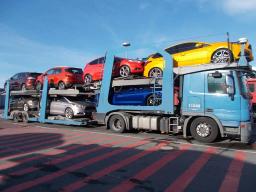
The automotive logistics market is undergoing a radical transformation, led by a wave of innovations that are redefining how vehicles, parts, and components are moved from factories to showrooms. These advancements are not only enhancing operational efficiency and supply chain transparency but also ensuring the industry’s ability to meet future demands tied to electric vehicles, sustainability goals, and digital integration. As automakers and logistics providers respond to increasingly complex global networks, innovation has become the foundation of long-term competitiveness.
Automation and Robotics in Warehousing
One of the most impactful innovations in automotive logistics is the widespread adoption of automation and robotics, especially within warehouses and distribution centers. Automated guided vehicles (AGVs), robotic arms, and smart conveyor systems are now commonly used to manage inventory, pick and pack orders, and load shipments with higher precision and speed than manual processes.
These systems reduce labor costs, minimize human error, and significantly improve throughput. For the automotive industry—where just-in-time and just-in-sequence delivery models are critical—automated warehousing ensures that components arrive exactly when and where they are needed. Moreover, innovations in warehouse management systems (WMS) now enable real-time data collection and analytics, which further streamline the process and enhance inventory control.
Smart Tracking and Real-Time Visibility
Transparency has become a vital requirement in modern automotive logistics, and smart tracking technologies are at the core of this demand. Real-time tracking powered by GPS, RFID tags, and Internet of Things (IoT) sensors is enabling complete visibility across the entire supply chain.
Automotive manufacturers and suppliers can now monitor the status, location, and condition of their goods at every point during transportation. For temperature-sensitive components such as batteries and electronic modules, condition monitoring ensures they are handled and stored within required thresholds. In the event of delays or disruptions, real-time alerts allow for quick re-routing and response, reducing risk and cost.
Blockchain technology is also emerging as a trust-enhancing innovation, offering a secure and transparent way to share logistics data across multiple stakeholders. With blockchain, logistics providers can maintain immutable records of every movement, transfer, and handoff, reducing disputes and enhancing compliance.
Electrification-Specific Logistics Solutions
With electric vehicle (EV) production surging globally, logistics providers are developing specialized solutions tailored to the unique challenges of this segment. Transporting lithium-ion batteries, electric motors, and power control units requires not only technical expertise but also safety protocols and regulatory compliance.
Innovations in packaging—such as fireproof containers and insulated crates—are ensuring the safe movement of these components. Additionally, EV logistics often involve reverse logistics models to recover and recycle batteries, which is driving new processes and tracking systems designed specifically for sustainability and circular economy goals.
Some logistics providers are now offering end-to-end EV-specific logistics services, from sourcing raw materials to delivering finished EVs to dealerships or end customers. These specialized innovations are enabling automakers to accelerate production without compromising safety or efficiency.
Artificial Intelligence and Predictive Analytics
Artificial Intelligence (AI) and machine learning are becoming integral to the logistics decision-making process. In the automotive logistics sector, AI is used to forecast demand, optimize routes, reduce idle time, and predict potential disruptions before they occur.
Predictive analytics models analyze historical data, weather conditions, traffic patterns, and geopolitical events to suggest the best logistics strategies in real time. This allows providers to avoid delays, manage capacity more effectively, and allocate resources with maximum efficiency.
Furthermore, AI-driven tools are transforming fleet management. Smart telematics systems collect performance data from logistics vehicles to ensure fuel efficiency, reduce maintenance downtime, and promote safer driving practices. These innovations help companies reduce costs while maintaining high service levels.
Green Logistics and Sustainable Transportation
Sustainability has become a driving force behind logistics innovation. To meet carbon reduction goals, logistics providers are adopting electric trucks, hydrogen-powered vehicles, and low-emission rail and sea transport options.
Additionally, companies are implementing route optimization software to reduce unnecessary mileage and fuel consumption. Carbon tracking and emissions reporting tools are being integrated into logistics dashboards to help monitor and reduce environmental impact.
Packaging innovations also contribute to sustainability—such as reusable crates, biodegradable wraps, and collapsible containers that minimize space and waste. Warehouses are becoming greener too, incorporating solar energy, smart lighting, and energy-efficient cooling systems.
These eco-friendly innovations not only meet environmental standards but also align with the values of modern automakers and consumers who prioritize sustainable practices.
Digital Twins and Simulation Technology
One of the newest and most promising innovations in the automotive logistics market is the use of digital twins—virtual replicas of real-world supply chains. Digital twins allow logistics managers to simulate different scenarios, test outcomes, and optimize logistics strategies in a risk-free digital environment.
This is particularly useful for complex automotive networks where disruptions can be costly. Simulations help providers understand how weather events, labor shortages, or transportation bottlenecks might impact operations. Based on these insights, they can proactively adjust strategies, stock levels, or delivery routes.
Digital twin technology also enhances collaboration by providing stakeholders with a shared, real-time view of supply chain performance, leading to better communication and joint decision-making.
In conclusion, the automotive logistics market is being revolutionized by innovations that extend far beyond traditional shipping and handling. Automation, smart tracking, AI, electrification solutions, and sustainability practices are collectively reshaping how the industry operates. As the automotive sector continues to evolve, logistics providers that embrace these innovations will lead the way in delivering faster, safer, and more sustainable supply chain solutions on a global scale.