Air Freight Market Shifts Driven by E-Commerce, Digital Adoption, and Changing Global Trade Dynamics

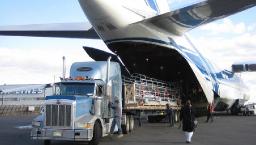
The air freight market shifts unfolding over the past few years have significantly altered how goods are transported globally. From changes in trade flows and consumer expectations to technological disruption and economic uncertainties, the air cargo sector is undergoing rapid transformation. These shifts are not only redefining operational models but are also influencing how logistics providers, airlines, and global businesses align their strategies in a fast-evolving market.
One of the most influential shifts in the air freight market is the rapid growth of e-commerce . As online shopping becomes the dominant mode of retail, customer expectations for quick and efficient delivery are rising. To meet demand, retailers and logistics companies are increasingly relying on air cargo to support fast shipping, particularly for international and cross-border orders. This has led to the development of dedicated e-commerce air hubs, specialized handling systems, and a surge in short-haul and regional air routes optimized for quick delivery.
A parallel shift is the greater adoption of digital technologies in the cargo sector. Traditional logistics operations, once dependent on manual documentation and siloed data systems, are giving way to automated platforms, real-time tracking tools, and AI-powered forecasting systems. These technologies enhance supply chain visibility, reduce delays, and improve resource allocation. Digital air waybills, blockchain-based cargo ledgers, and Internet of Things (IoT)-enabled sensors are now standard tools helping optimize everything from cargo booking to delivery confirmation.
Another notable market shift involves the evolution of trade lanes and global sourcing strategies . The reliance on a single manufacturing hub—such as China—is gradually declining as companies diversify their supply chains to minimize risk. This trend, often referred to as "China plus one" or "multi-sourcing," is leading to the emergence of new trade corridors across Southeast Asia, South Asia, and Eastern Europe. Air cargo routes are being realigned to connect these new manufacturing centers with major consumption markets in North America, Europe, and the Middle East.
Sustainability and environmental considerations are also prompting changes in air freight strategies. With increasing pressure from regulators and environmentally conscious consumers, airlines and freight forwarders are focusing on reducing their carbon footprints. This includes investing in more fuel-efficient aircraft, utilizing sustainable aviation fuels (SAF), and adopting optimized flight planning to reduce emissions. While these green initiatives are in the early stages, they represent a long-term shift that will shape future operational and investment decisions in the sector.
The COVID-19 pandemic triggered a major shift in the role of cargo-only operations . As passenger flights declined dramatically, airlines quickly adapted by repurposing passenger aircraft for cargo use—removing seats to accommodate goods in the cabin and maximizing underutilized assets. This flexibility demonstrated the importance of cargo revenue and sparked increased investment in freighter aircraft, a trend that continues today as cargo remains a strong revenue stream even amid passenger traffic recovery.
Another shift has been the growing importance of resilience and agility in supply chain planning . Businesses have realized the need for flexibility in the face of disruptions—from port closures and labor shortages to natural disasters and geopolitical tensions. Air freight, with its speed and global reach, is playing a key role in helping businesses respond quickly to unforeseen challenges. As a result, more companies are incorporating air cargo into their standard logistics mix, not just as an emergency solution but as a strategic component of their supply chains.
Cold chain logistics and specialized freight services have seen significant shifts as well. The growing need to transport pharmaceuticals, temperature-sensitive food, electronics, and other delicate products is driving demand for advanced air freight solutions. Airlines are expanding cold chain facilities and equipping aircraft with climate control technologies to cater to industries with specific regulatory and safety requirements. This segment is expected to see continued growth, particularly with the rise in biotech, fresh food exports, and healthcare logistics.
In addition, consumer expectations around visibility and service transparency are shifting how logistics providers interact with clients. Shippers now demand real-time tracking, precise delivery timelines, and proactive communication. This change has encouraged logistics companies to upgrade their digital infrastructure and offer user-friendly platforms that provide shipment status, compliance documentation, and predictive alerts. The integration of customer experience tools is becoming just as critical as delivery performance.
Lastly, the competitive landscape is shifting with the entry of new players and the expansion of integrated logistics providers. Tech-driven startups are introducing innovative air freight solutions, from drone deliveries and automated cargo hubs to smart air networks that dynamically adjust to demand. Traditional freight forwarders are consolidating services and forming strategic alliances to enhance service offerings and expand global reach. These developments are creating a more dynamic, competitive, and customer-centric air freight market.
In conclusion, the air freight market shifts reflect a fast-changing global environment marked by digital transformation, changing consumer needs, and strategic realignments in trade and logistics. As the industry continues to evolve, stakeholders must embrace flexibility, invest in innovation, and adapt to these shifting dynamics to stay competitive and meet the demands of tomorrow’s global economy.