Makeup Foundation Market Emerging Trends Reflect Demand for Inclusivity, Clean Formulas, and Tech Integration

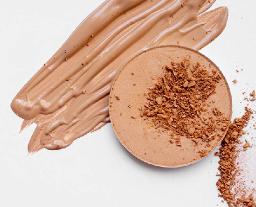
The makeup foundation market is evolving at an unprecedented pace, driven by rapid changes in consumer behavior, technology, and global beauty standards. Once viewed as a basic cosmetic tool, foundation is now at the forefront of a beauty revolution, blending skincare, personalization, and ethical practices into one multifunctional product.
As the industry continues to grow and diversify, several emerging trends are shaping the future of the foundation market. These trends not only address current demands but also offer insight into where the category is headed next.
1. Inclusivity as a Non-Negotiable Standard
One of the most defining trends in the makeup foundation market is the ongoing focus on inclusivity. Modern consumers expect brands to offer shade ranges that cater to every skin tone and undertone. The industry has moved beyond offering just a few light, medium, and dark options. Now, brands are expected to offer 40–60+ shades covering neutral, warm, cool, olive, and even golden undertones.
This shift began with the success of brands like Fenty Beauty, and it has since become an industry-wide expectation. Inclusive marketing campaigns, diverse model representation, and shade customization are no longer optional—they’re a prerequisite for building trust and brand loyalty in today’s global market.
2. Hybrid Formulas Combining Skincare and Makeup
Another strong emerging trend is the rise of hybrid formulations that combine foundation with skincare benefits. Consumers are now more skin-conscious than ever, demanding products that improve skin health while delivering coverage. As a result, foundations are increasingly being infused with ingredients like:
Hyaluronic acid for hydration
Niacinamide for brightening and oil control
Vitamin C for radiance
Peptides and ceramides for barrier repair
SPF for sun protection
These multitasking products are appealing to those who want streamlined beauty routines. They also reflect a growing trend known as "skinimalism" —favoring minimal products that enhance natural skin rather than masking it.
3. Lightweight, Breathable, and Buildable Coverage
Full-coverage foundations are no longer the default choice. Today’s consumers, particularly younger demographics, prefer lightweight and breathable formulas that offer buildable coverage. They want foundations that feel like a second skin—comfortable, natural-looking, and long-wearing without being heavy or cakey.
Formulas with soft-matte, radiant, or satin finishes are replacing traditional heavy mattes. This trend aligns with a broader lifestyle shift toward wellness and authenticity, where people aim to highlight their natural skin texture rather than cover it completely.
4. Digital Tools and Personalized Shopping Experiences
Technology is playing a central role in reshaping how consumers discover and purchase foundation. Emerging digital tools like AI-powered shade finders, augmented reality (AR) try-on features , and personalized quizzes are becoming standard across brand websites and apps.
These innovations are helping consumers overcome the long-standing challenge of finding the right shade—especially when shopping online. Digital tools not only improve the buying experience but also reduce product returns and increase customer satisfaction, making them essential assets for modern beauty brands.
5. Sustainable Packaging and Clean Beauty Claims
Sustainability is a rising priority in the foundation market. Consumers are scrutinizing not only product ingredients but also packaging materials, sourcing practices, and manufacturing ethics . Brands are responding by launching recyclable bottles, refillable compacts, and products made with post-consumer recycled (PCR) plastics or biodegradable components.
In addition to packaging, clean beauty formulations —free from parabens, phthalates, synthetic fragrances, and animal testing—are gaining popularity. Brands are now focusing on full transparency, often sharing ingredient sourcing and environmental impact to build deeper trust with conscious shoppers.
6. Custom Foundation and On-Demand Formulations
Another exciting trend is the emergence of custom-blended foundation solutions . With advances in AI, machine learning, and mobile skin analysis, some brands now offer tailored formulations created for an individual's exact skin tone, texture, and needs.
These custom foundations are often made-to-order, using small-batch technology that adjusts pigment, coverage, and skincare actives based on user input. This highly personalized approach elevates customer satisfaction and promotes brand loyalty, especially among beauty consumers who struggle to find a perfect match through standard offerings.
7. Gender-Neutral and Unlabeled Beauty Offerings
Beauty is becoming more inclusive not just in terms of shades, but also in how it is marketed . Many brands are now releasing gender-neutral foundation products, promoting the idea that beauty is for everyone regardless of identity. Packaging is becoming more minimalist, and product descriptions are focusing on skin types and performance rather than targeting gender.
This shift allows for broader consumer reach and helps dismantle traditional beauty norms, further emphasizing that foundation is a functional, confidence-boosting product rather than a gendered cosmetic.
8. Region-Specific Formulations and Preferences
The foundation market is also embracing regional customization. Climate, cultural preferences, and skin types vary significantly across the globe. For instance:
In Asia , foundations often feature SPF, dewy finishes, and lightweight textures.
In Europe and North America , matte and satin finishes with long wear are still popular.
In the Middle East , full-coverage formulas that withstand heat and humidity are in demand.
Understanding and addressing these regional needs is helping global brands localize effectively and meet rising demand in emerging beauty markets.
Conclusion
The makeup foundation market is experiencing a transformative shift, with innovation, inclusivity, and personalization leading the charge. As consumers become more informed and selective, brands must stay ahead of emerging trends by embracing skincare-forward formulas, sustainable practices, and technology-driven tools.
These evolving trends reflect a broader movement in the beauty industry—one where products are not just about appearance, but about experience, ethics, and identity. Brands that listen, adapt, and innovate will not only meet market demands but redefine what foundation means in the modern world.