Solar PV Inverters Market Pain Points Include Reliability Issues, Grid Compliance and Cost Pressures

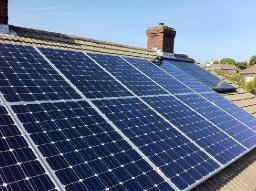
The solar PV inverters market plays a vital role in the global transition to renewable energy. As the core device responsible for converting direct current (DC) from solar panels into alternating current (AC) for use in homes and on the grid, inverters are indispensable to photovoltaic systems. However, despite growing market potential, manufacturers and system integrators face a set of challenges that continue to hinder consistent progress.
These pain points span across technical, economic, and regulatory dimensions. From hardware failures and cost pressures to grid integration issues and evolving policy landscapes, the solar PV inverters market must navigate complex obstacles to maintain its upward trajectory. Identifying and addressing these issues is key to long-term success and customer satisfaction.
Reliability and Durability Concerns
One of the most critical pain points in the solar PV inverters market is product reliability . Inverters are exposed to fluctuating temperatures, dust, humidity, and sometimes extreme weather conditions, especially in utility-scale or off-grid installations. While solar panels typically last 25 years or more, inverters have a significantly shorter lifespan, averaging between 8 to 15 years.
Failures in inverter components, such as capacitors or control boards, often result in costly system downtime and repairs. For remote areas, maintenance becomes even more challenging due to accessibility and logistics. Poor reliability can erode customer trust and significantly affect return on investment for solar projects, especially in large-scale installations.
Improving thermal management, enhancing component quality, and designing for modular replacements are necessary to overcome this ongoing pain point.
Complexity in Grid Compliance
As global solar adoption increases, grid compatibility and compliance have become major issues for inverter manufacturers. Modern grids require inverters to provide advanced functionalities like frequency support , reactive power control , anti-islanding , and voltage ride-through . These are necessary to ensure that decentralized energy sources contribute to overall grid stability.
However, grid codes differ drastically between countries—and even within regions of the same country—creating complexity for manufacturers trying to meet all compliance requirements with a single product line. Updating firmware or redesigning hardware to meet new standards adds cost and delays product rollouts.
Moreover, stricter regulatory expectations for cybersecurity and real-time communication further increase development and certification burdens, especially for smaller players.
Price Competition and Margin Pressure
The solar PV inverters market is highly competitive, which has led to aggressive pricing strategies by some manufacturers. While this benefits end users in terms of affordability, it significantly squeezes profit margins for suppliers. In particular, companies that prioritize quality and feature-rich designs struggle to compete with lower-cost alternatives that may cut corners on durability or safety.
OEMs are often under pressure to deliver high-performance inverters with smart features, extended warranties, and compliance with evolving standards—while keeping prices low. This delicate balance between innovation and affordability is a persistent challenge across all market segments, from residential rooftops to large utility farms.
To survive in such a market, many companies are forced to either scale rapidly or specialize in niche offerings that justify a premium.
After-Sales Support and Service Infrastructure
Effective after-sales service and technical support are crucial for the long-term success of any solar installation. However, this remains a weak spot in many developing markets where service centers and trained technicians are limited or nonexistent. Delayed maintenance and lack of spare parts often translate to prolonged system downtime, especially in remote or off-grid regions.
Customers frequently cite frustration with long response times, unclear warranty policies, and inconsistent technical support as major concerns. This pain point not only impacts individual customer experiences but can tarnish the reputation of solar energy providers in general.
Establishing strong service networks, training local technicians, and offering remote diagnostics can help mitigate this issue significantly.
Integration With Emerging Technologies
While innovation drives the solar industry forward, rapid technological changes can also become a pain point. For instance, the growing use of energy storage systems , electric vehicle chargers , and smart home platforms necessitates that inverters evolve in compatibility and functionality.
However, not all manufacturers can keep pace with these requirements, especially when legacy product lines are still in use. Inverters that lack interoperability with storage systems or advanced energy management software may quickly become obsolete, leaving consumers with limited upgrade options.
Addressing this challenge requires forward-thinking design approaches that prioritize modularity, software updates, and long-term compatibility with future technologies.
Supply Chain and Component Availability
The global supply chain has experienced unprecedented disruptions in recent years due to events like pandemics, trade restrictions, and raw material shortages. These issues have impacted availability of key inverter components , such as semiconductors and electronic chips. Delays in production and delivery not only impact manufacturers but also stall project timelines for developers and installers.
Moreover, dependence on specific countries or regions for critical components adds vulnerability to the supply chain. Diversifying suppliers and investing in local manufacturing could help alleviate this concern over time.
Conclusion
While the solar PV inverters market holds immense promise as a backbone of the clean energy revolution, it is not without its challenges. From technical reliability and price competition to regulatory hurdles and after-sales service gaps, these pain points must be proactively addressed. Companies that succeed in overcoming these obstacles through innovation, resilience, and customer focus will not only gain a competitive edge but also drive the solar industry toward greater stability and long-term sustainability.