Online Food Delivery Market Landscape Transforms with Tech Innovations, Diverse Players, and Consumer-Centric Approaches

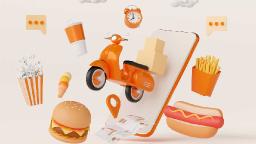
The online food delivery market has emerged as a major force in the global foodservice industry, driven by convenience, digital integration, and shifting dining preferences. The current landscape reflects a highly competitive, fast-evolving environment where global giants, local startups, and specialized platforms coexist and innovate continuously to stay relevant.
With rising demand for doorstep meals, health-conscious choices, and personalized food experiences, the structure of the market has undergone significant changes. New players, advanced technologies, and consumer behavior patterns are shaping how food is delivered, consumed, and perceived.
Key Players Redefining the Ecosystem
The online food delivery landscape is dominated by several global leaders, such as Uber Eats, DoorDash, Grubhub, Zomato, Swiggy, and Deliveroo . These platforms serve as the backbone of the digital food ordering experience, offering vast restaurant networks, real-time tracking, and a range of delivery options.
At the same time, regional and niche players are entering the field with hyper-local services, cultural menu curation, and innovative pricing strategies. These businesses focus on building strong community ties and offering more customized services that appeal to local tastes and habits.
Together, this mix of established brands and agile newcomers creates a rich and competitive environment that drives innovation and customer engagement.
Diverse Business Models Fueling Growth
The market features a variety of business models , including:
Aggregator Model : Platforms like Zomato and Grubhub allow users to choose from multiple restaurants, placing orders through a unified interface.
Cloud Kitchen Model : Delivery-only kitchens prepare food for virtual brands without any dine-in option, maximizing efficiency and lowering overhead.
Restaurant-Owned Delivery Platforms : Some major chains are now offering in-house delivery services via branded apps and websites to gain control over customer experience and data.
These diverse approaches enable flexibility and allow businesses to scale according to location, investment capabilities, and market demand.
Shifting Consumer Expectations
Modern consumers expect more than just food delivery —they demand speed, accuracy, personalization, and transparency. Today’s customers want the ability to:
Track their orders in real-time
Filter based on diet preferences (vegan, keto, gluten-free, etc.)
Access nutritional information and ingredient transparency
Customize meal components
Receive timely offers and loyalty rewards
To meet these demands, platforms are continuously upgrading their apps, introducing machine learning algorithms, and offering customer-centric features like meal recommendations based on order history and preferences.
Role of Technology in Market Structure
Technology is central to the current market landscape. Platforms are using AI, machine learning, and data analytics to streamline operations, predict customer behavior, and optimize delivery routes.
From voice-enabled ordering and chatbot customer service to drone trials and robotic deliveries, food delivery companies are investing in tools that reduce human error and improve efficiency. Additionally, seamless payment integration with e-wallets, UPI, and card services adds to the convenience.
This technological edge is not just for user experience—it’s also used to reduce costs, manage logistics, monitor restaurant performance, and maintain service quality.
Rise of Cloud Kitchens and Virtual Restaurants
Cloud kitchens have become an integral part of the delivery infrastructure , allowing food brands to operate without the high costs of dine-in establishments. These kitchens serve multiple delivery platforms and are often used to test new food concepts or scale rapidly in underserved areas.
Virtual brands—online-only food concepts that exist solely on delivery apps—are also gaining traction. These brands can cater to niche audiences and respond quickly to food trends, such as plant-based diets or international cuisines.
The flexibility and low investment requirements make cloud kitchens a vital component of the evolving landscape.
Competitive Challenges and Strategic Responses
Despite its growth, the market faces challenges such as intense competition, high commission rates, logistical issues, and customer retention problems . To navigate these challenges, companies are:
Offering subscription-based loyalty programs
Reducing delivery times with micro-fulfillment centers
Forming strategic partnerships with restaurant chains and grocery stores
Experimenting with sustainable packaging and eco-friendly delivery methods
The competition is also pushing brands to refine their digital marketing efforts, improve app performance, and invest in customer service excellence.
Sustainability and Ethical Practices
As environmental awareness rises, the market is also shifting toward sustainable practices . This includes:
Using biodegradable or recyclable packaging
Offering cutlery opt-outs to reduce waste
Partnering with eco-conscious restaurants
Exploring electric vehicles for delivery fleets
Consumers increasingly value brands that align with green practices, making sustainability a growing factor in competitive positioning.
Future Outlook and Market Potential
Looking forward, the online food delivery market is expected to expand into new regions and untapped segments . Tier 2 and Tier 3 cities in emerging economies represent the next growth wave, supported by improving infrastructure and digital access.
Additionally, the convergence of food delivery with adjacent sectors—like grocery delivery, meal kit services, and retail logistics—will create an integrated ecosystem of digital consumption, offering customers even more convenience.
Conclusion
The online food delivery market landscape is rapidly evolving, influenced by diverse players, technological advances, and changing consumer expectations. It is no longer just about delivering food—it’s about creating a seamless, personalized, and efficient dining experience at home. As the landscape continues to mature, companies that innovate across logistics, tech, customer engagement, and sustainability will lead the next phase of this digital food revolution.