Category: Chemicals & Advanced Materials
The global organic cotton market is gaining significant traction, driven by the rising awareness of sustainable practices, health consciousness, and environmental concerns. Organic cotton, unlike its conventional counterpart, is cultivated using eco-friendly agricultural methods without the use of synthetic chemicals, pesticides, or genetically modified seeds. This natural and environmentally responsible approach is fueling widespread adoption across various industries—from apparel and personal care to medical and packaging applications.
Market Size and Forecast
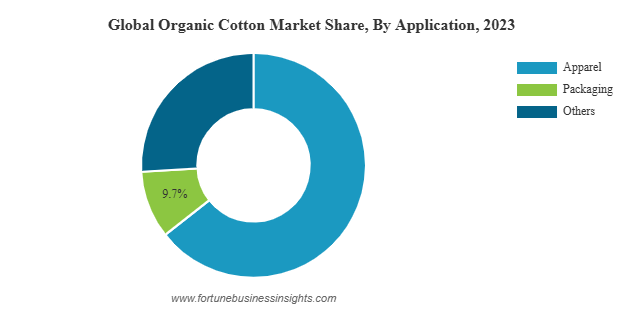
The global organic cotton market was valued at USD 1,113.5 million in 2023 and is expected to grow from USD 1,585.5 million in 2024 to USD 25,890.2 million by 2032, registering a strong CAGR of 40.0% during the forecast period 2024–2032. In 2023, Asia Pacific held the largest share of the market at 65.7%. Additionally, the organic cotton market in the United States is projected to witness significant growth, with its value anticipated to reach approximately USD 504.56 million by 2032, fueled by rising consumer demand for eco-friendly and sustainable textiles.
The surge in market demand is largely attributed to increasing consumer preference for eco-friendly and ethically sourced products, especially among younger demographics who are highly concerned about the environmental and social impact of the products they purchase.
List Of Key Companies Profiled
- Cargill Incorporated (U.S.)
- Plexus Cotton Ltd. (U.K.)
- Staple Cotton Cooperative Association (U.S.)
- Calcot Ltd. (U.S.)
- The Rajlakshmi Cotton Mills (P) Limited (India)
- Remei AG (Switzerland)
- Arvind Limited(India)
- Noble Ecotech (India)
Environmental and Health Benefits
Organic cotton farming promotes soil fertility, biodiversity, and water conservation. By eliminating harmful chemicals and synthetic fertilizers, it significantly reduces the risk of water contamination and adverse effects on both ecosystems and human health. In addition, organic cotton farming supports farmers’ health by reducing their exposure to toxic substances and encouraging safer agricultural practices.
These environmental and social benefits are key motivators for the rapid growth of this segment, as global consumers and brands alike are becoming more conscious of the sustainability embedded in their supply chains.
Key Market Segments
- By Fiber Type:
Middle-staple fiber, which includes the widely cultivated American upland variety, holds the dominant position in the market. This variety is favored for its balanced cost-effectiveness, good strength, and versatility in clothing and home textiles. - By Application:
The apparel segment continues to lead the market, supported by a growing demand for organic t-shirts, dresses, sportswear, baby clothing, and innerwear. Organic cotton is also making inroads in packaging—especially among cosmetic and e-commerce brands—due to its traceability, biodegradability, and reduced chemical content. - In addition to apparel and packaging, the medical and personal care segments are showing steady growth, where organic cotton is being used in wound care, hygiene products, and reusable medical textiles due to its hypoallergenic and chemical-free nature.
Read More : https://www.fortunebusinessinsights.com/organic-cotton-market-106612
Regional Insights
- Asia Pacific emerged as the largest market in 2023, accounting for over 65% of the global market share. This dominance is primarily due to the strong presence of organic cotton-producing countries such as India, China, and Turkey. The region benefits from abundant arable land, skilled labor, favorable climate conditions, and supportive policies promoting organic farming.
- North America, particularly the United States, is experiencing steady growth, fueled by rising consumer demand for sustainable lifestyle products and increased usage of organic cotton in premium and healthcare-related textiles. The U.S. market is expected to reach around USD 504 million by 2032.
- Europe is also witnessing significant progress, driven by stringent sustainability regulations, eco-conscious consumers, and a strong inclination toward ethically sourced fashion and textiles.
- Latin America, the Middle East, and Africa are emerging markets with high potential. These regions are gradually expanding their organic cotton farming capacity and improving traceability through farmer cooperatives and export partnerships.
Market Drivers and Trends
- Growing Consumer Awareness: As global consumers become increasingly aware of the environmental and health impact of conventional cotton production, the demand for sustainable alternatives like organic cotton is rapidly accelerating.
- Regulatory Push: Governments and international organizations are encouraging sustainable farming and textile production practices, which is further fueling demand for certified organic cotton.
- Innovation in Farming and Sourcing: Regenerative agricultural practices and agroforestry are being adopted in various regions, enhancing soil health and carbon sequestration. These initiatives are improving the long-term viability and appeal of organic cotton farming.
- Traceability and Transparency: Brands are now emphasizing end-to-end transparency in their supply chains. This includes adopting certification standards, digital tracking systems, and ethical sourcing frameworks that ensure integrity and accountability in organic cotton production.
Challenges to Consider
Despite its promising growth, the organic cotton market faces certain challenges:
- High Production Costs: Organic cotton often involves higher input costs and lower yields compared to conventional cotton, which can affect its competitiveness.
- Certification Complexity: Meeting organic certification standards can be difficult, especially for small-scale farmers who lack the resources or knowledge to navigate complex compliance processes.
- Fragmented Supply Chain: In many parts of the world, the organic cotton value chain remains unorganized and scattered, making it difficult to maintain consistent quality and traceability at scale.
Future Outlook
The organic cotton market is set to transform the global textile landscape by aligning economic opportunity with environmental and social responsibility. As awareness continues to grow and innovations in sustainable agriculture and ethical sourcing mature, organic cotton is poised to become the foundation of future-ready textile systems.
Governments, brands, and producers who prioritize regenerative farming, certification compliance, and traceable sourcing models will not only enhance their environmental footprint but also tap into the rising demand from conscious consumers worldwide.
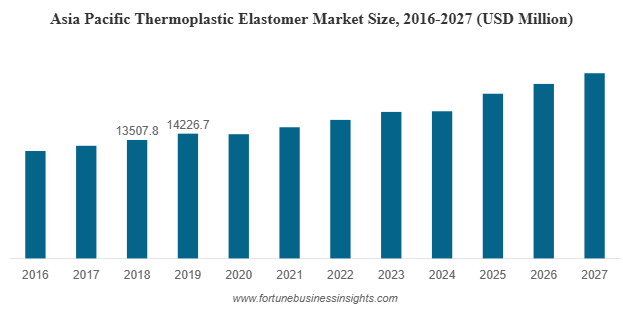
The global thermoplastic elastomer market was valued at USD 26,856.8 million in 2019 and is expected to grow to USD 39,424.6 million by 2027, registering a CAGR of 5.7% during the forecast period. In 2019, Asia Pacific held the largest share of the market at 52.97%. Additionally, the thermoplastic elastomer market in the U.S. is anticipated to reach USD 6,045 million by 2027, driven by the increasing demand for lightweight and durable materials in the automotive and consumer goods sectors.
The global thermoplastic elastomer (TPE) market is experiencing steady growth as industries increasingly seek materials that offer a combination of flexibility, strength, durability, and environmental friendliness. These materials exhibit characteristics of both thermoplastics and elastomers, making them ideal for various end-use industries including automotive, medical, construction, consumer goods, and electronics.
Key Growth Drivers
A major factor driving market growth is the increased use of TPEs in the automotive industry. These materials are used extensively in automotive parts such as bumpers, weather seals, gaskets, under-the-hood components, and interior trims. Their lightweight properties contribute to improved fuel efficiency, while their strength and resistance to wear enhance durability. Additionally, manufacturers are adopting TPEs to replace heavier metal and rubber parts, contributing to overall vehicle weight reduction and improved sustainability.
Another strong driver is the medical and healthcare sector, where demand for biocompatible and latex-free materials is rising. TPEs are ideal for medical tubing, syringe tips, seals, and other medical components due to their flexibility, chemical resistance, and ability to withstand sterilization. The increasing need for disposable medical products and safe packaging solutions is also contributing to market growth.
In the consumer goods industry, TPEs are used in items requiring a soft-touch feel, flexibility, and durability. These include personal care items, toothbrush grips, kitchen utensils, sporting goods, and toys. The material’s ability to be molded into complex shapes and its recyclability make it an economical and sustainable option for manufacturers.
The construction sector is also contributing to TPE demand, particularly in waterproofing systems, window seals, and roofing membranes. TPEs offer excellent weather resistance, UV stability, and long service life, making them suitable for harsh outdoor conditions.
List Of Key Companies Profiled In Thermoplastic Elastomer Market
- Arkema SA (Colombes, France)
- Covestro AG (Leverkusen, Germany)
- Evonik Industries AG (Essen, Germany)
- Teknor APEX Company (Rhode Island, U.S.)
- BASF SE (Ludwigshafen, Germany)
- Huntsman Corporation (Texas, U.S.)
- Sinopec Group (Beijing, China)
- Lubrizol Corporation (Ohio, U.S.)
- Kraton Corporation (Texas, U.S.)
- Tosoh Corporation (Tokyo, Japan)
Material Type and Applications
- The TPE market is categorized into several types based on material composition: Styrenic Block Copolymers (SBCs), Thermoplastic Polyurethanes (TPUs), Thermoplastic Vulcanizates (TPVs), Thermoplastic Polyolefins (TPOs), and Copolyester Elastomers (COPEs).
- Among these, SBCs hold a significant market share due to their low cost, ease of processing, and use in adhesives, footwear, and general-purpose applications. TPUs are valued for their high elasticity, transparency, and resistance to abrasion, making them ideal for use in electronics, sports gear, and medical devices.
- TPVs are increasingly used in automotive and industrial applications, especially for components that must withstand high temperatures, oils, and chemicals. TPOs and COPEs are gaining traction in applications requiring thermal stability and durability, such as automotive exteriors and electrical components.
- These materials are processed using conventional thermoplastic methods like injection molding and extrusion, which lowers production costs and allows for rapid manufacturing.
Read More : https://www.fortunebusinessinsights.com/thermoplastic-elastomer-tpe-market-104515
Regional Market Insights
-
In 2023, Asia Pacific led the global TPE market, driven by rapid industrialization, urbanization, and growing automotive production in countries like China, India, and Japan. The region’s expanding construction sector and rising consumer demand for electronics and personal care products are further fueling the demand for thermoplastic elastomers.
-
North America holds a substantial share of the global market, backed by robust manufacturing infrastructure, high automotive output, and rising healthcare expenditure. The U.S. in particular is witnessing increasing adoption of TPEs in medical devices, automotive interiors, and consumer goods due to stringent safety standards and environmental regulations.
- Europe is also a key market, with growing applications in automotive, electronics, and construction. The push toward sustainability, supported by government regulations and recycling targets, is encouraging the use of recyclable TPE grades in the region.
- Latin America and the Middle East & Africa are emerging markets for TPEs. These regions are seeing growth due to infrastructure development, increased industrial activity, and rising demand for consumer goods and automotive parts.
Key Industry Developments:
- August 2020: Lubrizol invested in the thermoplastic polyurethane business globally. The investments include the increased production capabilities of surface paint protection film (PPF) and protection. At the same time, it would provide additional benefits to PPF manufacturers and supply chains.
- November 2020: Evonik announced the cooperation with HP for developing a new co-branded1 elastomer, a flexible high-performance specialty powder based on a thermoplastic amide grade (TPA) for 3D printing.
Market Challenges and Opportunities
- Despite promising growth, the TPE market faces challenges such as fluctuating raw material prices, limited temperature resistance of certain TPE types, and competition from traditional rubber and thermoset materials in some applications. However, rising innovation in material formulations and processing technologies is expected to overcome these hurdles.
- The development of bio-based and recyclable TPEs presents significant growth opportunities. As environmental concerns rise, industries are increasingly shifting toward sustainable materials. Bio-based TPEs, derived from renewable sources, are being developed to meet the growing demand for eco-friendly alternatives.
- Moreover, the expanding use of electric vehicles (EVs), the miniaturization of electronic components, and advancements in medical technology are expected to create new application areas for TPEs.
The global thermoplastic elastomer (TPE) market is positioned for steady and long-term growth, driven by the material’s unique combination of flexibility, strength, and recyclability. With increasing use across automotive, medical, consumer, construction, and electronics sectors, TPEs are becoming a material of choice for both performance and sustainability. As industries continue to innovate and prioritize efficiency and environmental impact, the demand for advanced TPE solutions is expected to rise significantly through 2032 and beyond.
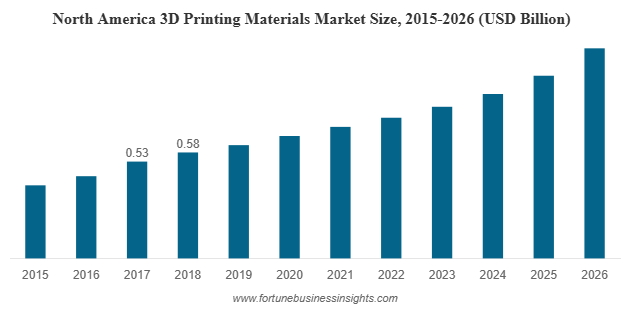
The global 3D printing materials market was valued at USD 1.53 billion in 2018 and is expected to grow to USD 3.78 billion by 2026, registering a CAGR of 12.1% during the forecast period. In 2018, North America led the market with a share of 37.91%. The 3D printing materials market in the U.S. is anticipated to reach USD 1.28 billion by 2026, driven by the increasing adoption of additive manufacturing across various industries.
3D printing materials are essential inputs used in additive manufacturing processes to create three-dimensional objects layer by layer. These materials enable customization, prototyping, and end-use production, making them invaluable in a range of industries including aerospace, automotive, healthcare, consumer goods, and construction.
Key Market Drivers
A major factor propelling the growth of the 3D printing material market is the increasing demand for rapid prototyping and custom manufacturing. Traditional manufacturing processes are often time-consuming and cost-intensive, especially for low-volume or complex parts. 3D printing allows for faster development cycles, reduced waste, and greater design freedom, making it an ideal choice for a variety of industries.
In aerospace and automotive sectors, the need for lightweight and durable components is contributing significantly to the rising use of 3D printing materials. These materials help reduce the overall weight of parts without compromising performance, improving fuel efficiency and contributing to lower carbon emissions.
The healthcare sector is also a major contributor to market growth. Customized implants, dental prosthetics, surgical instruments, and anatomical models can be produced with high precision using 3D printing. Biocompatible materials that are safe for use inside the human body are in high demand for such applications.
List of Top 3D Printing Materials Companies:
- Stratasys Ltd.
- 3D Systems, Inc.
- Materialise NV
- Markforged, Inc.
- EOS GmbH
- Höganäs AB
- Arkema
- Royal DSM N.V.
- ExOne
- GE Additive
Material Type Insights
The 3D printing material market includes a wide variety of materials such as plastics, metals, ceramics, and composites.
- Plastics represent the largest segment due to their affordability, ease of use, and versatility. Common types of plastic materials used in 3D printing include polylactic acid (PLA), acrylonitrile butadiene styrene (ABS), polyethylene terephthalate glycol (PETG), and nylon. These are widely used in consumer products, educational models, and industrial prototyping.
- Metals are gaining traction in industries that require high-strength, high-temperature, and corrosion-resistant components. Materials such as titanium, stainless steel, aluminum, and cobalt-chrome are used to manufacture functional parts in aerospace, automotive, and medical applications.
- Ceramics and composites are being increasingly adopted in specialized applications, especially where high heat resistance and structural integrity are critical. These materials are used in fields such as electronics, dental, and defense manufacturing.
Read More : https://www.fortunebusinessinsights.com/3d-printing-material-market-102296
Technology Advancements and Applications
The evolution of 3D printing technologies such as fused deposition modeling (FDM), selective laser sintering (SLS), stereolithography (SLA), and direct metal laser sintering (DMLS) has expanded the compatibility and performance of materials. These technologies allow manufacturers to produce highly detailed, durable, and complex parts at scale.
With the integration of automation, artificial intelligence, and simulation software, the additive manufacturing process has become more efficient and cost-effective. This, in turn, is accelerating the adoption of 3D printing materials across sectors. In construction, large-scale printers are being used to build architectural components and even entire structures, while the fashion industry is exploring 3D-printed textiles and accessories.
Regional Insights
- In 2023, North America held the largest share of the 3D printing material market, driven by strong research and development activity, the presence of leading manufacturers, and the growing adoption of advanced manufacturing technologies across industries.
- Asia Pacific is anticipated to witness the highest growth rate during the forecast period. Countries such as China, Japan, South Korea, and India are investing heavily in digital manufacturing infrastructure. Expanding automotive, electronics, and consumer goods industries are contributing significantly to regional demand. Supportive government initiatives and increasing awareness about sustainable manufacturing are also driving market growth in this region.
- Europe also holds a significant share of the global market, with countries like Germany, the UK, and France focusing on integrating 3D printing into industrial processes, education, and healthcare systems.
Key Industry Developments:
- September 2019 – 3D Systems launched new materials for 3D printing namely PRO-BLK 10, and HI-TEMP 300-AMB. The new products will diversify the company’s product portfolio and expand the range of applications for customers.
- November 2018 – Royal DSM N.V. launched “Arnitel ID2060 HT”, a high-performance thermoplastic copolyester for 3D printing by using fused filament fabrication. The filament offers a balance of properties such as chemical resistance, flexibility, and high-temperature resistance.
Challenges and Opportunities
- While the 3D printing material market shows immense promise, it is not without challenges. High costs of advanced materials, limited standardization, and concerns around material performance in certain critical applications can hinder adoption. Additionally, the lack of skilled labor in some regions may impact implementation.
- However, these challenges present opportunities for innovation. As demand rises, material manufacturers are investing in research and development to create cost-effective, high-performance materials. The development of recyclable, eco-friendly materials is also gaining traction, aligning with global sustainability goals.
- The increasing availability of open-source designs and the rise of decentralized manufacturing are expected to further enhance the accessibility and utility of 3D printing. Education and training initiatives are also helping bridge the skills gap, enabling broader market adoption.
The global 3D printing material market is poised for significant growth over the coming years. Rapid advancements in technology, expanding industrial applications, and increasing focus on customization and sustainability are driving the demand for diverse and innovative materials. With strong support from both the public and private sectors, the 3D printing material industry is set to play a pivotal role in shaping the future of global manufacturing.
The global building thermal insulation market was valued at USD 32.53 billion in 2023 and is expected to increase from USD 33.98 billion in 2024 to USD 48.60 billion by 2032, registering a CAGR of 4.5% during the forecast period from 2024 to 2032. In 2023, Asia Pacific held the largest share of the market, accounting for 49.12%. The market in the U.S. is anticipated to grow substantially, reaching approximately USD 7.60 billion by 2032, driven by strong government support for energy-efficient technologies in the building and construction sector.
Importance of Building Thermal Insulation
Thermal insulation in buildings plays a crucial role in minimizing heat transfer between indoor and outdoor environments. This leads to lower energy consumption, better indoor temperature control, and reduced dependency on heating and cooling systems. As global energy demands grow, governments and building owners alike are prioritizing thermal insulation to reduce operational costs and carbon footprints.
Thermal insulation is no longer just an add-on but a necessity in both residential and commercial buildings. It contributes significantly to improved energy performance ratings and supports global sustainability goals. With increasing emphasis on green buildings and zero-energy standards, the use of insulation materials in construction is expected to rise further.
List of Top Building Thermal Insulation Companies:
- BASF (Germany)
- Atlas Roofing Company (U.S.)
- Cellofoam North America Inc. (U.S.)
- DuPont (U.S.)
- Knauf Insulation (U.S.)
- Owens Corning (U.S.)
- Armacell S.A. (Luxembourg)
- Beijing New Building Material (Group) Co., Ltd. (China)
- Evonik (Germany)
- PT. Bondor Indonesia (Indonesia)
- BYUCKSAN (South Korea)
Key Growth Drivers
One of the major drivers of the market is the increasing number of energy efficiency policies and building codes that encourage or mandate the use of insulation materials. Several countries have introduced energy efficiency standards for both new and existing structures, leading to a surge in demand for high-performance thermal insulation products.
Rapid urbanization and industrialization, especially in emerging economies, are also supporting market growth. The rising construction of commercial complexes, residential apartments, and public infrastructure projects has amplified the need for insulation materials that ensure optimal thermal performance and occupant comfort.
In colder regions, building insulation is essential to retain heat, while in warmer climates, it helps keep interiors cool, reducing air conditioning needs. This global adaptability has made thermal insulation a fundamental component of climate-responsive architecture.
Read More : https://www.fortunebusinessinsights.com/building-thermal-insulation-market-102708
Material Insights
The building thermal insulation market includes a wide range of materials such as glass wool, stone wool, expanded polystyrene (EPS), extruded polystyrene (XPS), polyurethane foam, and more. Among these, EPS and XPS are widely used due to their excellent thermal resistance, lightweight nature, and moisture resistance. Glass wool is another leading material, favored for its cost-efficiency and widespread availability in residential applications.
Foam-based insulation materials like polyurethane and polyisocyanurate are gaining popularity in high-performance buildings and industrial settings where enhanced insulation is required. Increasing innovation in insulation materials is also leading to the emergence of eco-friendly alternatives, such as cellulose, hemp, and sheep wool, which are being adopted as part of sustainable building initiatives.
Application and Installation Trends
Thermal insulation is commonly installed in building components such as walls, roofs, floors, basements, and ceilings. Wall insulation accounts for the largest market share due to the surface area it covers and its critical role in maintaining thermal comfort. Roof insulation also holds a significant portion of the market, especially in areas with extreme weather conditions.
Both new construction and renovation projects are contributing to market growth. However, retrofitting existing buildings with insulation materials is becoming increasingly important, particularly in developed nations where older structures require energy performance upgrades. Government-backed initiatives and rebate programs are encouraging homeowners and building managers to invest in thermal insulation retrofits.
Regional Market Insights
Europe held the largest share of the global building thermal insulation market in 2023. The region benefits from strict energy efficiency regulations, high energy costs, and widespread awareness regarding environmental sustainability. Countries like Germany, France, and the UK are leading the way with robust green building programs and mandatory energy standards.
North America follows closely, with the U.S. being a major contributor. The presence of a mature construction industry, strong regulatory backing, and increasing demand for energy conservation are key factors driving regional growth.
Asia Pacific is projected to witness the highest growth rate during the forecast period. Rapid infrastructure development, a rising middle-class population, and favorable government initiatives aimed at promoting energy-efficient construction are fueling demand in countries like China, India, and Japan.
Latin America and the Middle East & Africa are also emerging markets for thermal insulation. Increased construction activities, coupled with growing awareness about energy savings and indoor comfort, are creating new opportunities in these regions.
Key Industry Developments:
- April 2021 – Atlas Roofing Company introduced SureSlope prefabricated tapered products. The new product family of polyiso roof insulation components is ideal for roofing applications, reducing job site waste and decreasing installation time.
- March 2021 - Owens Corning acquired vliepa GmbH, a company specializing in coating, printing, and finishing nonwovens, film, and paper for the construction industry. The acquisition widens the company’s nonwovens portfolio for European customers working in the regional construction industry.
Challenges and Opportunities
Despite the positive outlook, the building thermal insulation market faces challenges such as fluctuating raw material prices and limited awareness in some regions. Installation costs and lack of skilled labor may also hinder market expansion, particularly in developing nations.
However, increasing investments in sustainable construction, innovation in product development, and supportive government policies offer strong growth prospects. Manufacturers are focusing on developing recyclable, non-toxic, and high-performance insulation products to align with global environmental goals.
The building thermal insulation market is poised for sustained growth as energy efficiency becomes a global priority. With rising construction activity, regulatory support, and a strong push for sustainable building practices, the demand for thermal insulation materials is expected to remain robust over the coming years. As the construction industry evolves, thermal insulation will continue to play a critical role in achieving energy conservation and environmental sustainability across residential, commercial, and industrial spaces.

The global surface disinfectant market was valued at USD 770.6 million in 2019 and is expected to grow to USD 1,547.7 million by 2027, registering a CAGR of 9.1% from 2020 to 2027. North America held the largest share of the market in 2019, accounting for 38.92%. In the U.S., the market is projected to see substantial growth, reaching USD 524.4 million by 2027, driven by increased awareness of hygiene and sanitation across healthcare, residential, and commercial sectors, particularly in the post-pandemic period.
Growing Demand Due to Infection Awareness
The demand for surface disinfectants has surged due to heightened awareness about hygiene and the need to prevent the spread of infections. Hospitals, clinics, and laboratories are adopting stringent sanitation practices, making disinfectants essential in day-to-day operations. The global pandemic has further highlighted the importance of regular and effective surface disinfection, leading to increased use in residential, commercial, and industrial spaces.
The fear of cross-contamination and rising cases of healthcare-associated infections (HAIs) have compelled healthcare professionals to adopt safer and more efficient disinfection methods. This has led to the increased usage of disinfectants that not only clean but also eliminate pathogens from surfaces. In turn, this supports the overall growth of the market.
List of Top Surface Disinfectant Companies:
- 3M (U.S.)
- The Proctor & Gamble Company (U.S.)
- Kimberley-Clark Corporation (U.S.)
- SC Johnson Professional (U.S.)
- The Clorox Company (U.S.)
- Ecolab (U.S.)
- Metrex Research LLC(U.S.)
- Reckitt Benckiser Group Plc (U.K.)
- Diversey Inc.(U.S.)
- STERIS plc (Ireland)
- Whiteley Corporation (Australia)
- Other Key Players
Key Market Drivers
One of the major drivers of the surface disinfectant market is the increasing demand from healthcare institutions. Hospitals and medical centers require daily surface disinfection to maintain a sterile environment and reduce the chances of infection spread. Surface disinfectants play a critical role in maintaining cleanliness in operation theaters, ICUs, patient wards, and other critical areas.
Another important growth driver is the expansion of the commercial sector, including hotels, schools, restaurants, offices, and airports. These facilities are placing greater emphasis on maintaining hygiene standards to ensure safety for employees, customers, and visitors. As a result, the demand for ready-to-use surface disinfectants in spray and wipe forms is rising.
Additionally, increasing awareness of hygiene among consumers has led to the use of disinfectants in homes, especially on kitchen counters, bathroom surfaces, and high-touch areas such as door handles and switches.
Read More : https://www.fortunebusinessinsights.com/surface-disinfectant-market-103062
Product Innovations and Technological Advancements
Companies are focusing on innovations in formulation and packaging to meet the evolving needs of users. There is a rising demand for eco-friendly, non-toxic, and biodegradable disinfectant solutions. Manufacturers are launching products with shorter contact times, broad-spectrum efficacy, and less chemical odor to improve user experience and safety.
Alcohol-based disinfectants continue to dominate the market due to their rapid action and effectiveness against a wide range of pathogens. Quaternary ammonium compounds and hydrogen peroxide-based products are also widely used in healthcare and industrial applications. Moreover, pre-saturated disinfectant wipes are gaining popularity because of their convenience, especially in situations requiring frequent surface cleaning.
Challenges in the Market
Despite strong growth prospects, the surface disinfectant market faces certain challenges. Prolonged use of chemical-based disinfectants such as bleach and alcohol can cause skin irritation, respiratory issues, and other health concerns. Moreover, improper handling or overuse can lead to environmental harm.
Compliance with regulatory standards is another challenge. Regulatory authorities across regions have strict guidelines regarding the efficacy, safety, and labeling of disinfectant products. Manufacturers must ensure that their products meet these requirements, which can increase operational complexity and cost.
Regional Market Insights
In 2023, North America held the largest share in the global surface disinfectant market, driven by a well-established healthcare infrastructure, strong awareness, and stringent government regulations. The United States remains a leading contributor due to widespread product adoption in both healthcare and household settings.
Europe also accounts for a significant market share, supported by high standards of hygiene and a proactive approach to infection control. Countries such as Germany, the UK, and France continue to show strong demand across medical and commercial sectors.
The Asia Pacific region is expected to witness the fastest growth during the forecast period. Emerging economies like India and China are investing heavily in healthcare infrastructure and public sanitation. Growing population density, frequent disease outbreaks, and increasing urbanization are factors that further support market growth in the region.
Key Industry Developments:
- January 2019 – Reckitt Benckiser formed a strategic alliance with Diversey to increase its presence in North America. This strategic alliance will help Reckitt Benckiser to expand its reach to educational institutes, food establishments, and hospitals.
- February 2020 – The Procter and Gamble Company launched a new line of antibacterial cleaners named Microban 24. The new product line is said to protect the applied surface for a complete 24 hours, even when the surface has been contacted multiple times.
Segmentation Overview
The surface disinfectant market is segmented based on product type, composition, application, and end-user. Among product types, liquids dominate the market due to their ease of application and widespread availability. Wipes and sprays are also gaining momentum because of their user-friendly nature.
From a composition standpoint, alcohols and quaternary ammonium compounds hold significant shares due to their effectiveness. In terms of application, in-house surfaces such as countertops, furniture, and floors account for the largest usage. By end-user, the healthcare segment remains the largest consumer of surface disinfectants, followed by commercial and residential users.
Outlook
The global surface disinfectant market is positioned for sustainable growth over the next decade. The combination of growing public awareness, infection control protocols, and technological innovation will continue to fuel market expansion. As consumers increasingly seek safer and more environmentally friendly options, companies are expected to focus on product development and strategic partnerships to strengthen their market presence.
With ongoing investments in hygiene infrastructure and rising demand across both developed and emerging economies, the surface disinfectant market is set to play a vital role in global health and safety in the years to come.

The global solid waste management market was valued at USD 285.16 billion in 2019 and is expected to reach USD 366.52 billion by 2027, growing at a CAGR of 3.3% during the forecast period. In 2019, Europe led the market with a share of 31.57%. Additionally, the solid waste management market in the U.S. is anticipated to experience significant growth, projected to reach USD 93.46 billion by 2032. This growth is driven by the country’s well-developed collection, processing, and disposal systems, along with the presence of major waste management companies.
Solid waste management involves the systematic control of generation, collection, transportation, processing, recycling, and disposal of various types of waste. The primary objective is to reduce the harmful effects of waste on human health, the environment, and natural resources. As the world faces increasing pressure to adopt sustainable practices, efficient waste management has become more critical than ever.
Key Drivers of Market Growth
- Urban Expansion and Infrastructure Development
The sharp increase in urban population is directly contributing to higher volumes of waste. Cities worldwide are witnessing a surge in domestic, commercial, and construction-related waste. Rapid infrastructure development, particularly in developing countries, is creating an urgent need for robust waste management systems.
- Government Initiatives and Regulatory Frameworks
Governments across various regions are implementing stricter waste management laws and policies. These include mandates for waste segregation, recycling targets, landfill restrictions, and eco-friendly disposal methods. Such regulatory backing is pushing municipalities and private operators to invest in more advanced and efficient waste handling solutions.
- Increased Environmental Awareness
Public concern over pollution, landfill overflows, and greenhouse gas emissions has intensified. With heightened environmental awareness, both individuals and organizations are seeking sustainable waste disposal methods. This shift is encouraging greater participation in recycling and composting programs, which, in turn, supports the solid waste management industry.
- Technological Advancements in Waste Treatment
Modern waste processing technologies such as sensor-based collection systems, smart bins, automated material sorting, and waste-to-energy conversion are improving operational efficiency and minimizing landfill use. These innovations are being adopted at a rapid pace, particularly in smart city projects and industrial zones.
List Of Key Players Profiled:
- Waste Management Inc. (USA)
- SUEZ Group (France)
- Veolia Environment S.A. (France)
- Biffa PLC (U.K.)
- Clean Harbors Inc. (USA)
- Covanta Holdings Corporation (USA)
- Hitachi Zosen Corporation (Japan)
- Remondis AG & Co. Kg (Germany)
- Republic Services Inc. (USA)
Read More : https://www.fortunebusinessinsights.com/solid-waste-management-market-103045
Market Restraints
- High Operational Costs : Advanced waste treatment facilities and technologies often require substantial investment, making them inaccessible for low-income regions.
- Lack of Infrastructure in Developing Countries : Inadequate collection and disposal systems in rural and underserved urban areas hinder the effectiveness of waste management.
- Limited Public Participation : Poor awareness and participation in waste segregation at the source affect the efficiency of recycling and composting initiatives.
Regional Insights
- Asia Pacific
This region holds the largest share in the global solid waste management market. Rapid industrialization, urbanization, and increasing consumer waste are primary contributors. Governments in countries like China, India, and Indonesia are undertaking significant projects to modernize waste collection and disposal systems. The region is also seeing increased investments in recycling facilities and waste-to-energy plants.
- North America
North America continues to show significant growth, supported by mature infrastructure and strong environmental policies. The U.S. solid waste management market, in particular, is expected to grow steadily due to ongoing efforts to reduce landfill dependence and enhance recycling and composting practices. Initiatives encouraging circular economy models are further contributing to market expansion.
- Europe
European countries have long emphasized sustainable waste practices. With strict regulations on waste disposal and ambitious recycling targets, the region is at the forefront of implementing circular economy principles. The adoption of producer responsibility policies and green packaging initiatives supports the region’s dominance in sustainable waste management.
- Latin America, Middle East & Africa
These regions are emerging as potential markets, driven by urban growth and increasing governmental and international support for infrastructure development. While challenges such as limited funding and awareness exist, ongoing reforms and investments in waste collection and sanitation systems are laying the groundwork for long-term growth.
Market Segmentation
The solid waste management market can be segmented based on:
- Waste Type : Municipal solid waste (MSW), industrial waste, hazardous waste, and electronic waste (e-waste).
- Service : Collection, transportation, recycling, treatment, landfilling, and incineration.
- End-User : Residential, commercial, industrial, and construction sectors.
Among these, municipal solid waste dominates the segment, primarily due to the volume generated by urban residential areas and commercial institutions. However, the demand for proper hazardous and electronic waste handling is also rising as consumption patterns evolve.
Competitive Landscape
The global market comprises a mix of public and private players offering a range of waste management services. Companies are actively focusing on expanding their capabilities through technology adoption, joint ventures, and geographic diversification. The emphasis is increasingly on eco-friendly solutions, cost optimization, and resource recovery through recycling and energy conversion.
Public-private partnerships (PPPs) are playing a significant role in improving municipal waste services, particularly in developing regions. Many service providers are also exploring data-driven approaches and digital platforms to streamline operations and track waste generation patterns more effectively.
Key Industry Developments:
- July 2019 – The consortium BCE led by SUEZ Group signed a 25 years contract with municipal company Beogradske Elektrane to sell heat produced from waste-to-energy in Belgrade, Serbia. By signing this contact, the municipal company is aiming to introduce renewable energy by reducing its energy dependency on natural gas . The plant operation will be handled by SUEZ Group and the plant will process 500 Kilo Tons of Municipal waste and 200 Kilo Tons of construction & demolition waste per year.
- December 2019 – Covanta Holdings Corporation agreed with Zhao County, China to build & operate a new Energy-from-waste facility. The project will offer sustainable waste management solutions to the county. With this agreement, the company is aiming to expand its geographical footprints into Chinese market.
Outlook
The future of the solid waste management market lies in sustainability, innovation, and inclusive participation. As global waste generation continues to rise, governments, businesses, and communities must collaborate to create circular systems that reduce waste at the source, increase recycling rates, and promote responsible consumption.
With continued investment in infrastructure, supportive policies, and technological integration, the solid waste management industry is well-positioned to address the growing environmental challenges and contribute meaningfully to global sustainability goals.

The global aluminum composite panels market was valued at USD 5.33 billion in 2018 and is expected to grow to USD 8.71 billion by 2026, registering a CAGR of 6.1% during the forecast period. In 2018, Asia Pacific led the market, accounting for a 39.23% share. The market in the U.S. is anticipated to witness substantial growth, with projections estimating it will reach USD 2.41 billion by 2032, supported by favorable infrastructure policies and initiatives in North America.
What Are Aluminum Composite Panels?
Aluminum composite panels are flat panels composed of two thin aluminum sheets bonded to a non-aluminum core, typically made of polyethylene (PE) or fire-resistant (FR) materials. These panels are known for their smooth surface, high mechanical strength, and weather resistance. They are commonly used in both interior and exterior applications, including cladding, facades, signage, insulation, and partitioning.
List Of Key Companies Profiled In Aluminum Composite Panels Market:
- 3A Composites GmbH
- Arconic
- Mitsubishi Chemical Corporation
- Hyundai Alcomax Co.,Ltd.
- Fairfield Metal LLC
- Jyi Shyang Industrial Co., Ltd.
- ALUMAX INDUSTRIAL CO., LTD.
- Yatai Industrial Group Co., Ltd.
- Shanghai Huayuan New Composite Materials Co., Ltd.
- Guangzhou Xinghe Aluminum Composite Panel Co., Ltd.
Market Growth Drivers
- Urbanization and Infrastructure Expansion
The global wave of urbanization, especially in emerging economies, is fueling the demand for modern construction materials. ACPs are widely used in residential and commercial buildings for cladding and decorative purposes. They offer a sleek appearance and can be produced in a wide range of colors, finishes, and textures, making them a popular choice for architects and developers.
- Increasing Focus on Fire Safety
With stricter building safety codes being enforced worldwide, fire-resistant aluminum composite panels are gaining preference. These panels are designed to meet stringent fire-retardant standards, especially in high-rise buildings and public infrastructure. This trend is particularly prominent in regions where regulatory bodies are tightening construction norms to prevent fire-related accidents.
- Advancements in Panel Technology
The market is benefiting from continuous innovation in product design and materials. Manufacturers are introducing nano-coated ACPs, anti-bacterial surfaces, UV-resistant layers, and lightweight composites. These innovations are extending the usability of ACPs to areas such as hospitals, airports, clean rooms, and educational institutions, where hygiene and durability are key.
- Expanding Application in Automotive and Transportation
Aluminum composite panels are increasingly being adopted in the transportation sector, including buses, trains, trucks, and ships. Their corrosion resistance, light weight, and ease of fabrication make them suitable for exterior panels, signage, and interior partitioning. The rise in electric vehicle production and lightweight vehicle design is also opening new avenues for ACP usage.
Read More : https://www.fortunebusinessinsights.com/aluminum-composite-panels-market-102304
Challenges Facing the Market
Despite its promising outlook, the aluminum composite panels market faces a few challenges:
- Volatility in Raw Material Prices : Fluctuations in aluminum prices can impact the cost of production and profit margins for manufacturers.
- Environmental Concerns : The use of polyethylene (PE) in the core of ACPs raises environmental and recycling challenges. Growing awareness and regulations related to plastic waste disposal may push manufacturers to shift toward more sustainable alternatives.
- Stringent Regulations : In some countries, the use of PE-core ACPs is restricted or banned in certain building types due to fire safety risks. Compliance with these evolving regulations requires continuous product testing and adaptation.
Regional Insights
- Asia Pacific holds the dominant share in the global aluminum composite panels market and is expected to maintain its leadership throughout the forecast period. This is mainly due to rapid industrialization, growing construction activity, and infrastructure investments in countries like China, India, South Korea, and Japan. China, in particular, is a leading producer and consumer of ACPs, driven by government-backed real estate development and urban growth initiatives.
- India is also witnessing a boom in infrastructure and real estate, prompting higher adoption of aluminum composite panels in both public and private sector projects. Rising investments in smart cities and metro rail systems are also creating fresh opportunities.
- North America and Europe are also notable markets due to the emphasis on green buildings, sustainability standards, and fire safety compliance. In these regions, the demand for advanced, eco-friendly, and fire-resistant ACPs is pushing manufacturers to develop products that meet evolving performance criteria.
Key Industry Developments:
- July 2017 – Fairview Architectural acquired the Stryum business, an intelligent non-combustible aluminum cladding system, from Vitekk Industries. The company includes a variety of high-quality aluminum plate façade panels designed to provide durability and sustainability, complimenting Fairview's current portfolio of cladding solutions, including high-density cement fibre, natural stone, terracotta tiles and the leading non-combustible composite aluminum frame.
Key Segments and Applications
The market is segmented based on:
- Type : Fire-resistant panels, antibacterial panels, and anti-static panels.
- Application : Building facades, signage, interior decoration, cladding, and transportation.
- End-Use Industry : Residential, commercial, and industrial construction; transportation; and advertising.
Competitive Landscape
The aluminum composite panels market is moderately fragmented, with several regional and global manufacturers competing for market share. Companies are focusing on expanding production capacity, investing in research and development, and launching new product lines with enhanced features. Strategic partnerships and acquisitions are also being used to penetrate emerging markets and broaden product offerings.
Manufacturers are increasingly prioritizing environmentally responsible production methods by incorporating recyclable materials and reducing carbon footprints. This shift aligns with the growing demand for sustainable construction practices globally.
Future Outlook
Looking forward, the aluminum composite panels market is poised for consistent growth, fueled by the need for energy-efficient, aesthetically appealing, and cost-effective building materials. Ongoing infrastructure development, coupled with growing awareness of fire safety and environmental sustainability, will continue to support demand. Technological advancements and broader applications across sectors will further solidify the position of ACPs as a key material in modern construction and design.
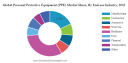
The global personal protective equipment (PPE) market is experiencing steady growth, driven by heightened awareness of workplace safety, regulatory mandates, and industrial expansion. Valued at USD 83.91 billion in 2023, the market is projected to rise to USD 87.69 billion in 2024 and continue expanding to reach USD 128.57 billion by 2032. This growth reflects a compound annual growth rate (CAGR) of 4.9% from 2024 to 2032.
This rise in demand is fueled by increasing awareness of occupational hazards, a growing emphasis on employee well-being, and a rise in industrial and construction activities worldwide. Moreover, the global healthcare sector’s preparedness for infectious disease outbreaks has added momentum to the adoption of PPE, particularly in emerging and densely populated economies.
Key Market Drivers
One of the primary factors propelling the growth of the PPE market is the stringent enforcement of workplace safety regulations. Across industries, including manufacturing, construction, chemicals, oil and gas, and healthcare, regulatory bodies have implemented frameworks that mandate the use of protective gear. These include helmets, gloves, goggles, protective clothing, respiratory equipment, and safety footwear to minimize injuries and occupational health risks.
The post-pandemic world has amplified the necessity of PPE in healthcare and other frontline professions. This heightened awareness and the potential recurrence of health emergencies have led governments and institutions to invest more heavily in protective gear.
The expansion of end-use industries is another key contributor to market growth. As industrialization progresses, especially in the Asia-Pacific and Middle Eastern regions, the number of high-risk occupations increases, thereby boosting the demand for appropriate protective equipment. Workers in construction, heavy engineering, and oil and gas exploration are frequently exposed to hazards such as falling objects, harmful chemicals, and high temperatures—necessitating high-quality protective gear.
List Of Top PPE Companies:
- 3M (U.S.)
- Ansell Ltd. (Australia)
- Alpha ProTech (Canada)
- DuPont (U.S.)
- Avon Rubber p.l.c. (U.K.)
- Mallcom (India) Limited (India)
- Bullard (U.S.)
- Delta Plus Group (France)
Product Segment Analysis
The personal protective equipment market includes various product categories. Safety helmets, protective clothing, eye and face protection, hearing protection, gloves, protective footwear, and respiratory protection are among the most commonly used PPE.
Gloves held a dominant market share due to their widespread use across sectors such as manufacturing, healthcare, food processing, and laboratories. Their demand surged significantly during the COVID-19 pandemic, a trend that has persisted as hygiene standards remain stringent in both healthcare and food industries.
Respiratory protection equipment has also gained traction, especially in the wake of airborne disease awareness and increased pollution levels in urban industrial environments. Protective clothing is growing steadily in demand, especially in industries that require fire resistance or chemical barrier protection.
End-Use Industry Analysis
- The healthcare sector remains one of the largest consumers of personal protective equipment, with a significant share of the global market. The need to protect medical staff and patients from pathogens continues to drive strong demand for gloves, masks, gowns, and face shields.
- Manufacturing, oil and gas, construction, and mining are also prominent end-use industries. These sectors require various forms of PPE to protect workers from mechanical, electrical, and chemical hazards. The construction industry, in particular, has experienced high PPE usage due to regulatory frameworks and the rise of large-scale infrastructure projects worldwide.
Read More : https://www.fortunebusinessinsights.com/personal-protective-equipment-ppe-market-102015
Regional Insights
- North America holds a significant share of the PPE market, thanks to stringent occupational safety standards, the presence of several major manufacturers, and well-established industrial infrastructure. The region is expected to maintain its dominance due to consistent investments in workplace safety and ongoing product innovation.
- Europe follows closely, with its own comprehensive health and safety regulations and a proactive approach to workforce protection. Countries such as Germany, the UK, and France are prominent contributors to regional market growth, supported by their industrial activities and strong healthcare systems.
- The Asia-Pacific region is projected to register the fastest growth during the forecast period. Rapid urbanization, industrial development, and increasing labor force awareness about safety are key factors. Governments in China, India, and Southeast Asia are also intensifying their focus on worker safety, pushing demand for PPE in both organized and unorganized sectors.
- Latin America and the Middle East & Africa are emerging as growing markets due to the expansion of oil & gas operations and ongoing infrastructure projects. However, challenges such as cost sensitivity and regulatory enforcement continue to impact the full potential of PPE adoption in these regions.
Key Industry Developments:
- March 2023: Ansell opened its Greenfield Manufacturing Plant in India, investing USD 80 million in the plant. The new facility aims at providing the most innovative and highest quality surgical gloves to healthcare professionals across the country.
- April 2022: Honeywell acquired Norcross Safety Products L.L.C., a manufacturer of PPE, for USD 1.2 billion. This acquisition would provide the company with a platform in the fragmented global business projected to provide significant growth opportunities. This investment in Norcross allows the company to enter into a highly regulated industrial safety market completely.
Market Challenges and Trends
- Despite positive growth outlooks, the personal protective equipment market faces challenges. One major issue is the lack of compliance in some sectors, especially in developing economies where safety culture is still evolving. In addition, counterfeit and substandard products pose a risk to market credibility and worker safety.
- Another key challenge is balancing comfort and functionality. Workers are more likely to wear PPE that is ergonomic, breathable, and allows for freedom of movement. Manufacturers are investing in R&D to develop lightweight and comfortable protective gear without compromising safety standards.
- On the innovation front, smart PPE is emerging as a promising trend. Integration of wearable sensors, IoT-enabled gear, and AI-based monitoring systems are allowing real-time health and hazard tracking, revolutionizing how safety is implemented in industrial environments.
- Sustainability is also shaping the future of the PPE market. As environmental awareness grows, manufacturers are exploring recyclable materials and eco-friendly production processes to reduce their environmental footprint.
The global personal protective equipment market is positioned for significant growth, driven by increasing industrialization, regulatory mandates, technological innovation, and heightened public health awareness. With sectors like healthcare, construction, and manufacturing continuing to expand, the demand for high-quality, functional, and sustainable PPE will remain strong. Manufacturers who adapt to emerging trends such as smart technologies and eco-conscious design are likely to lead the next wave of transformation in this crucial industry.

In 2024, the global lithium metal market was valued at USD 2.21 billion and is expected to grow to USD 2.55 billion in 2025, reaching USD 7.25 billion by 2032, with a projected CAGR of 16.0% during the forecast period. Asia Pacific led the market in 2024, holding a 58.82% share.
The global lithium metal market is experiencing strong growth as industries increasingly rely on advanced battery technologies to power next-generation applications. Lithium metal, known for its lightweight and high-energy characteristics, plays a vital role in energy storage systems, particularly in the development of solid-state batteries and high-energy-density applications. With the global shift towards electric mobility, renewable energy storage, and enhanced consumer electronics, lithium metal is becoming a strategic material with growing commercial value.
Market Size and Growth Forecast
In recent years, the lithium metal market has witnessed accelerated development, driven by the rising demand for improved battery performance. The market is projected to grow significantly in the coming years, supported by ongoing innovations in solid-state battery technology, increasing investments in lithium production, and expanding end-use applications. This growth is especially prominent in sectors such as electric vehicles (EVs), grid storage, aerospace, and portable electronics.
List Of Key Lithium Metal Companies Profiled
- Ganfeng Lithium Group Co. Ltd. (China)
- Techtone Inorganic Co., Ltd. (China)
- Chengxin Lithium Group Co., Ltd. (China)
- Rio Tinto (U.K.)
- CNNC Jianzhong Nuclear Fuel Co., Ltd. (China)
- Albemarle Corporation (U.S.)
- Li-Metal Corp. (Canada)
- Tianqi Lithium Inc. (China)
- ATT Advanced Elemental Materials Co., Ltd. (U.S.)
- Merck KGaA (Germany)
Read More : https://www.fortunebusinessinsights.com/lithium-metal-market-113413
Key Drivers Boosting Market Growth
- Surging Demand for Solid-State Batteries
One of the major factors fueling the lithium metal market is the growing interest in solid-state batteries. These batteries use lithium metal as the anode instead of graphite, delivering superior energy density, faster charging capabilities, and enhanced safety. Solid-state battery developers are actively exploring lithium metal to create batteries that can support the energy needs of future EVs and electronics. With companies and research institutions worldwide investing in commercializing these batteries, the demand for lithium metal is set to increase substantially over the forecast period.
- Electrification of the Automotive Industry
The global transition toward electric vehicles is another primary driver of the lithium metal market. Automakers are rapidly shifting to electrification in response to stricter emissions regulations and rising consumer preference for clean transportation. Lithium metal-based batteries are being explored as a way to extend EV range and improve battery performance, helping address key limitations of traditional lithium-ion technology. As EV production scales up, demand for advanced battery materials such as lithium metal is expected to rise steadily.
- Government Policies and Energy Transition Goals
Governments across the globe are supporting clean energy transitions through financial incentives, regulatory frameworks, and infrastructure development. National strategies to reduce carbon emissions and dependence on fossil fuels have led to greater investments in battery manufacturing and lithium resource development. These policies have created a favorable environment for the lithium metal market by promoting the adoption of next-generation energy storage technologies and supporting domestic lithium value chains.
- Expansion in Consumer Electronics and Wearable Devices
Lithium metal is also gaining traction in the consumer electronics industry. Devices such as smartphones, laptops, drones, and wearables require compact, lightweight batteries with higher energy capacities. Lithium metal’s potential to enhance energy density makes it an attractive option for future electronics. The continuous miniaturization of devices and consumer demand for long-lasting power sources are contributing to a broader use of lithium metal in these applications.
Regional Insights
- Asia Pacific leads the global lithium metal market, with China playing a dominant role in both production and consumption. China’s extensive battery manufacturing capacity, large EV market, and government-backed initiatives for lithium resource development contribute to its leadership. Other countries such as South Korea and Japan are also heavily investing in battery R&D and lithium-based technologies.
- North America is another key region, benefiting from growing EV adoption, increased focus on energy storage systems, and rising investment in lithium supply chains. The U.S. is actively expanding its domestic production capabilities to reduce reliance on imports and secure critical materials for clean energy industries.
- Europe is witnessing strong momentum due to its Green Deal initiatives, electrification goals, and efforts to establish a competitive battery ecosystem. Countries like Germany and France are focusing on lithium refining, recycling, and battery innovation to build a sustainable supply chain for lithium-based materials, including lithium metal.
Key Industry Developments
- March 2025: Rio Tinto completed its USD 6.7 billion acquisition of Arcadium Lithium, positioning itself as a global leader in the supply of energy transition materials and significantly expanding its lithium portfolio to support the growing demand for clean energy solutions.
- August 2024: Arcadium Lithium acquired Li-Metal Corp.’s lithium metal business for USD 11 million in an all-cash deal. This acquisition included intellectual property, patents, and a pilot production facility in Ontario, Canada. This acquisition aimed to enhance Arcadium’s capabilities in producing lithium metal from various grades of lithium carbonate feedstock.
Challenges to Market Growth
Despite the strong growth outlook, the lithium metal market faces several challenges. One of the primary concerns is the high reactivity of lithium metal, which makes handling and storage difficult. Safety concerns and technical limitations in manufacturing solid-state batteries at scale have slowed down commercial adoption.
In addition, the high cost of lithium metal production compared to other battery materials remains a hurdle. The limited availability of commercial-grade lithium metal and concerns over resource sustainability have prompted efforts to enhance extraction techniques, explore recycling options, and improve overall supply chain efficiency.
Future Outlook
Looking ahead, the lithium metal market is expected to remain on a growth trajectory, driven by continued advancements in battery technologies and increasing demand from automotive, consumer electronics, and energy sectors. As solid-state batteries inch closer to commercialization and EV manufacturers seek longer-lasting, higher-performing batteries, lithium metal will play a pivotal role in shaping the next generation of energy storage solutions.
Innovations in production technology, investments in refining infrastructure, and collaborations across industries will be essential to meet future demand and address the challenges facing the market. With rising awareness around clean energy and sustainability, lithium metal is poised to become a cornerstone material in the global energy transition.

In 2024, the global aerogel market was valued at USD 1.12 billion and is expected to grow to USD 1.26 billion in 2025, reaching USD 3.03 billion by 2032. This reflects a compound annual growth rate (CAGR) of 13.3% during the forecast period. North America led the market in 2024, accounting for a 42.86% share.
Aerogels are highly porous materials known for their exceptional thermal insulation, low density, and lightweight characteristics. These properties make them ideal for use in demanding applications where traditional insulating materials fail to perform efficiently. The growing awareness of energy conservation and the need for high-performance insulating materials in both industrial and commercial sectors have further increased the adoption of aerogels.
Market Drivers
- Demand from the Oil & Gas Industry
The oil & gas industry has been one of the primary consumers of aerogel products. Aerogels are widely used for thermal insulation in pipelines, subsea systems, and refineries due to their ability to withstand extreme temperatures while offering superior energy efficiency. Their lightweight and hydrophobic nature makes them suitable for use in offshore and subsea applications, where moisture and corrosion resistance are essential.
- Increasing Adoption in Construction
The construction sector is embracing aerogels for insulating buildings and infrastructure. As global regulations focus on energy efficiency and reducing carbon footprints, the need for high-performance insulation materials has grown significantly. Aerogels are being incorporated into wall panels, roofing systems, and windows to improve thermal efficiency without adding significant weight or thickness to structures.
- Growth in the Automotive and Aerospace Industries
The automotive and aerospace sectors are increasingly using aerogels for thermal and acoustic insulation. In electric vehicles, aerogels help manage heat generated by batteries and motors, contributing to vehicle safety and performance. In aerospace, aerogels are used in aircraft insulation and components that demand lightweight materials with high thermal resistance.
List of Key Market Players Profiled In The Report
- Aspen Aerogels Inc. (U.S.)
- Cabot Corporation (U.S.)
- Aerogel Technologies LLC (U.S.)
- The Dow Chemical Company (U.S.)
- Surnano Aerogel Co., Ltd. (China)
- Active Aerogels (Portugal)
- Shanghai Aerogelzone Technology Co., Ltd. (China)
- Enersens (France)
- TAASI Corporation (U.S.)
- Nano Tech Co., Ltd. (China)
Read More : https://www.fortunebusinessinsights.com/aerogel-market-113278
Market Segmentation
By Material
- Silica Aerogel: Silica-based aerogels dominate the market due to their excellent thermal performance and wide availability. They are commonly used in oil & gas, construction, and aerospace applications.
- Polymer Aerogel: These are gaining traction because of their flexibility and mechanical strength. Polymer aerogels are ideal for applications requiring structural integrity, such as coatings, textiles, and flexible insulation.
- Carbon Aerogel: Known for their electrical conductivity and low density, carbon aerogels are used in energy storage devices like supercapacitors and batteries.
By Form
- Blankets: Aerogel blankets hold the largest share in the market due to their ease of installation and widespread use in insulation applications.
- Particles and Monoliths: These forms are used in more specialized applications, including coatings, composites, and niche insulation areas.
By Application
- Oil & Gas: This remains the largest segment, where aerogels are used for thermal insulation in extreme environments.
- Building & Construction: The second-largest segment, driven by rising energy efficiency standards in residential and commercial buildings.
- Automotive, Aerospace, and Marine: These sectors utilize aerogels for their lightweight, thermal, and acoustic insulation benefits.
- Industrial and Other Applications: This includes uses in cryogenic insulation, apparel, and electronics.
Regional Insights
- North America dominates the global aerogel market, thanks to the presence of leading manufacturers and high demand from the oil & gas and aerospace sectors. The U.S. remains the largest contributor to the region’s market growth.
- Europe follows closely, with strong demand from construction and automotive industries. The region’s stringent building codes and environmental regulations support the adoption of energy-efficient materials like aerogels.
- Asia Pacific is the fastest-growing region, driven by rapid industrialization and infrastructure development in countries such as China, India, and Japan. The growing need for advanced insulation in construction, transportation, and energy sectors contributes to the region’s rising market share.
- Other regions, including Latin America and the Middle East & Africa, are expected to witness gradual growth due to increasing investments in infrastructure and energy projects.
Challenges
- High Production Cost: Manufacturing aerogels, particularly through processes like supercritical drying, is expensive compared to traditional insulation materials.
- Mechanical Fragility: Silica-based aerogels are brittle and require reinforcement or composite structures for practical use.
- Lack of Awareness: In many emerging economies, knowledge about the benefits of aerogels is limited, which slows market penetration.
Trends and Opportunities
- Product Innovation: Manufacturers are investing in the development of flexible, durable, and cost-effective aerogels. Polymer and hybrid aerogels are especially gaining attention due to their superior performance and versatility.
- Sustainable Solutions: The push for environmentally friendly materials is encouraging the use of aerogels made from bio-based and recyclable sources.
- Rising Demand in Electric Vehicles: With the rapid growth of the EV market, aerogels are increasingly being adopted for battery insulation and thermal management.
- Integration in Wearable Technology: Due to their lightweight and breathable properties, aerogels are also being explored for use in thermal wear and protective clothing.
Key Industry Developments
- November 2023: JIOS Aerogel (JIOS) launched a cutting-edge production facility in Pioneer, Singapore, aimed at developing aerogel-based technology that will enhance the efficiency and safety of electric vehicle (EV) batteries.
- May 2023: Cabot Corporation revealed the launch of its latest series of ENTERATM aerogel particles, designed to create ultra-thin thermal barriers for lithium-ion batteries utilized in electric vehicles (EVs).
The global aerogel market is poised for substantial growth over the next decade, driven by increasing demand for energy-efficient materials and expanding applications across industries. As technological advancements reduce production costs and improve mechanical properties, aerogels are expected to become more accessible and widely adopted. North America and Asia Pacific will continue to lead the charge, while other regions steadily adopt the technology. The future of the aerogel market looks promising, with innovation and sustainability at its core.