Category: home
Introduction
Living in Utah comes with unique weather patterns that put your HVAC system to the test. Between freezing winters and hot, dry summers, your furnace and air conditioning are constantly working to keep your home comfortable. But while many homeowners regularly replace filters or schedule seasonal tune-ups, they often overlook something just as important: the air ducts.
Clean air ducts don’t just improve the air you breathe. They play a crucial role in how efficiently your HVAC system operates and how long it lasts. When ducts are clogged with dust, pet dander, pollen, and even mold, the system has to work harder, parts wear out faster, and energy bills climb. On the flip side, when ducts are clean, airflow is smoother, components stay cleaner, and your HVAC system doesn’t face unnecessary strain.
This blog will dive into why clean ducts are essential in Utah homes, how dirty ducts can shorten the life of your HVAC system, and what steps you can take to protect your equipment and your health.
Why Utah Homes Need Clean Air Ducts More Than Ever
Utah has a unique climate that makes duct cleaning especially important. The state’s dry air means dust and dirt are constantly circulating. Add in wildfire smoke during the summer months, pollen during spring, and winter inversions that trap pollution near the ground, and you’ve got a recipe for dirty ductwork.
Every time your HVAC system cycles on, it pulls in particles from outside and redistributes them through your ducts. Over months and years, this material builds up in the system. Unlike surfaces in your home that you can dust or vacuum regularly, ductwork is hidden, so it’s easy to forget how much grime collects inside.
That accumulation doesn’t just sit harmlessly—it restricts airflow and circulates allergens through the house. This is why Utah homeowners are more likely to benefit from professional duct cleaning than residents in other states with milder climates or better outdoor air quality.
How Dirty Ducts Shorten the Life of Your HVAC System
Think of your HVAC system as a set of lungs. The furnace or AC is the chest, and the ducts are the airways that carry air to every room. If those “airways” are blocked with dust, the system has to work harder just to move air. That extra strain shortens the life of the entire system.
Your HVAC Motor Works Harder
The blower motor is designed to push air through open pathways. When ducts are clogged, the motor strains to maintain airflow. Over time, this increased workload wears the motor out prematurely, leading to breakdowns and expensive replacements.
Filters and Coils Become Contaminated
Even if you change filters regularly, dirty ducts keep circulating dust and debris back into the HVAC unit. This material clogs coils and other sensitive components, making heat transfer less efficient and forcing the unit to cycle more often.
Uneven Airflow
Clogged ducts don’t distribute air evenly. You may notice some rooms feel hot while others remain chilly. The thermostat registers this imbalance and signals the system to keep running longer than necessary. Longer cycles equal more wear on parts and higher energy costs.
Mold and Moisture Issues
When dust meets moisture inside ductwork, mold can develop. Mold not only affects air quality but also spreads into the HVAC system, damaging internal parts. Mold remediation inside ducts and HVAC units can be expensive, making prevention through cleaning much more cost-effective.
How Clean Air Ducts Protect Your HVAC System
When ducts are free from debris, your HVAC system runs as it was designed to. Clean ductwork allows air to flow without resistance, which protects the equipment from overworking. This translates into several advantages:
Efficient Airflow: Smooth air circulation means your blower motor and fan don’t strain.
Cleaner Components: Dust doesn’t cycle back into the system, reducing buildup on coils and filters.
Balanced Temperatures: With unobstructed ducts, air reaches every room evenly, reducing unnecessary run time.
Lower Repair Costs: Fewer blockages and contaminants equal fewer breakdowns.
Think of duct cleaning as extending your system’s lifespan in the same way regular oil changes extend the life of your car. It’s preventive maintenance that pays off long-term.
Signs It’s Time to Get Your Air Ducts Cleaned
Wondering if your home could benefit from duct cleaning? Here are some telltale signs Utah homeowners should watch for:
Visible Dust Around Vents: A clear indicator that debris is circulating.
Uneven Heating or Cooling: Airflow blockages often cause certain rooms to stay uncomfortable.
Rising Energy Bills: Your HVAC might be running longer cycles because ducts are restricting airflow.
Persistent Odors: Musty or stale smells can point to mold or debris inside ducts.
Allergy Flare-Ups: Increased sneezing or allergy symptoms indoors may signal contaminated air.
If you notice one or more of these issues, scheduling a professional cleaning is a smart move.
The Utah Difference: Why Local Duct Cleaning Matters
Cleaning ducts isn’t a simple DIY task. It requires specialized vacuums, rotary brushes, and sanitizing equipment. Attempting to clean them yourself usually results in only surface-level improvement and may even damage ductwork.
This is why hiring a professional service familiar with Utah’s unique air quality challenges is so important. For example, Sanitair provides the best air duct cleaning Salt Lake City , using advanced tools and trained technicians to clear out everything from dust to allergens and mold spores.
If you’re in Davis County, Sanitairllc provides the air duct cleaning services in Bountiful, Utah , ensuring homeowners there get the same level of expert care. Local professionals understand the particular problems caused by Utah’s dry climate and seasonal air quality issues, which makes their services more effective than generic cleaning companies.
How Often Should You Clean Your Ducts?
The National Air Duct Cleaners Association (NADCA) suggests every three to five years as a general rule. But Utah homes often require more frequent cleaning because of the region’s dust, smoke, and pollution. If you live near busy roads, own pets, or notice excessive dust in your home, every two to three years may be necessary.
Other times to schedule duct cleaning include:
After remodeling projects, when sawdust and drywall particles can fill ducts.
When buying a home, especially if the previous owners had pets or smoked indoors.
After discovering mold growth inside ducts or on registers.
Regular maintenance keeps ducts clear and helps protect your HVAC system from preventable damage.
The Added Perks of Clean Air Ducts
Although the primary benefit of clean ducts is extending your HVAC system’s life, the perks don’t stop there. Cleaner ducts can transform the way your home feels and operates.
You’ll likely notice less dust settling on furniture, meaning you spend less time cleaning. Air quality improves significantly, especially for people with asthma or allergies. Your family breathes easier, sleeps better, and feels healthier. Plus, lower energy bills are an added bonus.
Homeowners often underestimate the psychological comfort of knowing their HVAC is running at peak efficiency. With one of the most expensive systems in your house protected, you gain peace of mind along with financial savings.
DIY vs. Professional Cleaning: What You Should Know
Some homeowners think duct cleaning is as simple as removing vent covers and vacuuming inside. While this can help with surface dust, it doesn’t touch the buildup deeper inside the system. Professionals use industrial-strength vacuums and specialized tools that reach every corner of the ductwork.
DIY attempts often stir up more dust than they remove and can cause damage if tools puncture or loosen ducts. Professional cleaners not only remove dust but also sanitize ductwork to kill bacteria and mold spores. The difference is night and day.
When you invest in a service like Sanitair, you’re not just getting cleaner ducts—you’re safeguarding the long-term performance of your HVAC system.
Conclusion
Your HVAC system is one of the most valuable assets in your home. Keeping it running efficiently and extending its life should be a top priority, especially in Utah’s challenging climate. Clean air ducts are central to that goal. They improve airflow, reduce strain on motors and coils, lower energy costs, and prevent premature breakdowns.
If you’re in Salt Lake City, remember that Sanitair provides the best air duct cleaning Salt Lake City . And if you’re in Bountiful, Sanitairllc provides the air duct cleaning services in Bountiful, Utah , bringing the same level of expertise to northern residents. Choosing a trusted local provider ensures your HVAC system gets the specialized care it deserves.
So, the next time you’re making a home maintenance checklist, don’t just think about changing filters or scheduling seasonal tune-ups. Put duct cleaning on the list, too. It’s an investment in cleaner air, lower bills, and a longer-lasting HVAC system.

If you’ve been thinking about adding a wood fence to your home or business, chances are you’ve already spent some time weighing your options, considering how much privacy and security you need, and maybe even daydreaming about how great your backyard or property will look once it’s all set up, and while it’s easy to get excited about the finished product, one of the biggest decisions you’ll need to make before moving forward is whether you want to roll up your sleeves and take on a do-it-yourself project or whether you’d rather call in a professional to handle the installation for you.
Now, before we really dive into the pros and cons of each approach, let’s first take a moment to appreciate why wood fences are such a popular choice in the first place, because unlike some of the other fencing options you’ll see around town like chain link or vinyl, wood fences strike a balance between beauty, durability, and tradition, giving you that classic look that feels warm and inviting without sacrificing practicality, and that’s something homeowners and business owners in Fort Lauderdale and nearby areas really value, especially when the goal is to combine function with curb appeal.
Why Wood Fences Are Still a Favorite
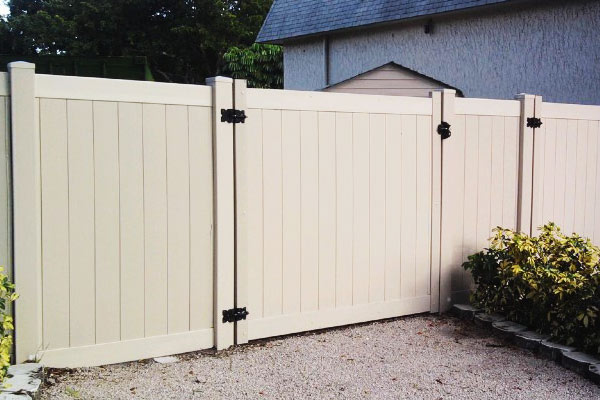
Wood has been used for fencing for centuries, and part of the reason people keep coming back to it is the natural charm and flexibility it offers, because unlike metal fences that can sometimes feel cold or industrial, wood blends beautifully with greenery, gardens, and landscaping, and depending on the style you choose—like picket, board-on-board, shadowbox, or split rail—you can completely change the vibe of your space.
Another reason wood fences remain a go-to option is that they’re highly customizable, since you can pick the type of wood, choose the height, add decorative elements, and even paint or stain it to match your home’s overall look, and this kind of flexibility is hard to beat, especially if you’re someone who enjoys having a say in how every detail of your property looks.
Of course, cost is another factor, and while wood isn’t always the cheapest option upfront, it tends to fall somewhere in the middle, being more affordable than materials like wrought iron but often a bit pricier than chain link, and that balance makes it appealing for residential, commercial, and industrial clients alike.
The Case for DIY Wood Fence Installation
Alright, let’s talk about the do-it-yourself route first, because there are plenty of people who love the idea of building their own fence from scratch, and if you’re the kind of person who enjoys a challenge, likes working with your hands, and feels comfortable with power tools, then installing your own fence might actually sound like a fun weekend (or two).
The Pros of Doing It Yourself
The most obvious benefit of taking on a DIY fence project is saving money on labor, since professional installation can make up a big chunk of the overall cost, and by doing it yourself, you’re only paying for the materials and any tools you might not already have, which can significantly reduce your budget.
There’s also something really satisfying about finishing a project and being able to say, “I built that,” because not only do you get a fence that serves its purpose, but you also get the pride that comes from knowing you made it happen, and for a lot of people, that feeling is priceless.
Plus, with DIY, you get full control over every step of the process, meaning you decide exactly how deep the posts go, how level the boards are, and how the final design turns out, so if you’re a perfectionist or just like being in charge, that can be a huge advantage.
The Cons of DIY Installation
Of course, DIY fencing isn’t all sunshine and satisfaction, because there are definitely some downsides you’ll want to keep in mind, starting with the fact that installing a wood fence isn’t as easy as it might look on a YouTube video, and once you get into digging post holes, mixing concrete, measuring angles, and making sure everything lines up evenly, you’ll quickly realize this project is not exactly simple.
It’s also incredibly time-consuming, since depending on the size of your yard or property, you could be looking at several full weekends of hard labor, not to mention the physical toll it can take on your body, because digging and hauling heavy lumber around in the Florida heat is no joke.
Mistakes are another big risk, and if you don’t get the posts set correctly, you might end up with a fence that leans or sags over time, which can be frustrating after putting in so much effort, and while you can always fix mistakes, they’ll often cost more in materials and time than if you had just done it right the first time.
Lastly, you’ll also want to think about permits and local regulations, because in many places, including Fort Lauderdale, there are rules about fence height, property lines, and construction standards, and if you’re not familiar with those, it’s easy to run into headaches down the road.
The Case for Hiring a Professional
On the other side of the fence (pun totally intended), you’ve got the option of hiring a professional fencing contractor, and while this does cost more upfront, there are plenty of reasons people choose to go this route.
The Pros of Professional Installation
First and foremost, you get expertise, since a professional installer has done this many times before and knows exactly how to handle the challenges that can pop up, like dealing with rocky soil, sloped yards, or tricky property lines, and that experience means the job will get done quickly and correctly.
You also save yourself a ton of time and stress, because instead of spending your weekends digging, sawing, and sweating, you can simply pick out your design, schedule an installation, and let the pros handle the rest, leaving you with a fence that looks great and is built to last.
Another huge advantage is quality, because when you hire a reputable fencing company, you’re not just paying for labor—you’re also paying for craftsmanship and warranties, which give you peace of mind that your investment is protected and won’t fall apart after a couple of storms.
Professional installers are also familiar with local codes and regulations, meaning they’ll make sure your fence meets all the necessary requirements, which can save you from potential fines, disputes with neighbors, or the nightmare of having to redo the project altogether.
The Cons of Hiring a Professional
Of course, the biggest drawback is cost, because hiring pros isn’t cheap, and you’ll usually spend significantly more than if you were to do it yourself, which can be tough if you’re on a tight budget.
You might also have less flexibility during the process, since professionals often have a set way of doing things, and while you can certainly request custom touches, you won’t have quite the same level of hands-on control as you would with a DIY project.
And, depending on the company you hire, there can sometimes be scheduling delays or communication issues, which can be frustrating if you’re eager to get your fence up right away, but that’s why choosing the right contractor is so important.
Wood vs. Chain Link Fences
Since we’re talking about fencing options in general, it’s worth mentioning the difference between wood and chain link, especially since both are commonly used in residential, commercial, and even industrial properties around Fort Lauderdale.
Wood fences, as we’ve covered, are all about style, privacy, and that warm, traditional feel, making them perfect for homeowners who want something that looks good and offers a bit of seclusion.
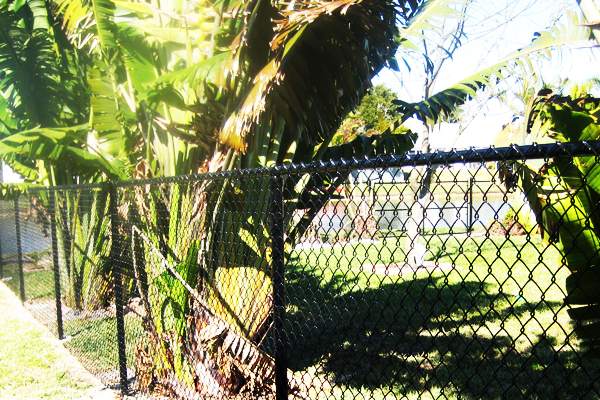
Chain link fences, on the other hand, are more about practicality and durability, since they’re lower maintenance, cheaper, and incredibly effective for keeping properties secure without blocking the view, which is why they’re so popular for businesses, schools, and industrial sites.
The choice between the two really comes down to what you value most—appearance and privacy or cost and functionality—and in some cases, people even use a combination of both, like installing a wood fence in the front yard for curb appeal and a chain link fence in the back for added security.
Choosing What’s Right for You
At the end of the day, whether you go the DIY route or hire a professional comes down to your personal situation, because if you’ve got the tools, time, and motivation, DIY might be a rewarding challenge, but if you’d rather save yourself the hassle and ensure you get a fence that’s built to last, hiring a pro is probably the way to go.
And when it comes to picking the right professional, it always pays to do a little research, check reviews, and choose a company that has a solid track record in your area, because the last thing you want is to spend your hard-earned money on a fence that doesn’t live up to expectations.
For folks in South Florida, there are plenty of local experts who can help, and if you’re looking for someone experienced with both wood and chain link fences for residential, commercial, and industrial clients, you’ll definitely want to check out a trusted Fencing Company Fort Lauderdale that understands the unique needs of properties in this region.
When you’re stocking up your kitchen with essentials, it’s easy to focus on the pots and pans, the knives, or the fancy appliances that promise to save you time, but one thing people often overlook is the cutting board, even though it’s one of the most frequently used items in your home and one that can actually change the way you cook, serve, and even decorate your kitchen space.
Most people pick up a basic plastic cutting board without much thought, and while there’s nothing wrong with that, you may be missing out on one of the most beautiful and durable investments for your kitchen—an olive wood cutting board.
If you’ve ever seen olive wood up close, you’ll know there’s something different about it, something almost magical in its swirling grain patterns, rich coloring, and natural beauty that no two boards ever look exactly alike. But it’s not just about looks; olive wood cutting boards are highly practical, incredibly long-lasting, and they bring an unmatched sense of charm to your cooking routine.
So let’s sit down together, grab a coffee, and chat about why olive wood cutting boards are worth every penny and why, once you’ve used one, you’ll never want to go back to the flimsy boards you used before.
The Natural Beauty of Olive Wood
One of the most obvious reasons people fall in love with olive wood cutting boards is their beauty. Olive trees grow slowly, and that slow growth creates a wood grain that’s uniquely detailed and richly colored. Each board looks like a work of art, with natural swirls and lines that remind you of the tree’s history and character.
Unlike plastic or plain bamboo boards that can look generic or even disposable, olive wood has a personality. When you place it on your countertop, it becomes more than just a cutting board—it becomes part of your kitchen décor. Many people even keep them displayed on open shelves or use them as serving boards during gatherings because they’re simply too beautiful to hide.
That one board can quickly become a conversation starter when friends come over, and you’ll find yourself explaining how every single olive wood board looks different because of the tree it came from. It’s a unique piece, almost like owning a piece of functional art.
Durability That Stands the Test of Time
Let’s be honest: no one wants to keep replacing kitchen tools every few years. Plastic boards warp, cheap bamboo ones splinter, and even glass boards can shatter or damage your knives. Olive wood, on the other hand, is strong, dense, and built to last.
This wood has a naturally hard structure, which means it can handle everyday chopping, slicing, and dicing without falling apart. While it’s not as hard as glass (thank goodness, since glass will dull your knives almost instantly), it strikes the perfect balance of toughness and knife-friendliness. That’s what makes it such a smart investment—you get something that’s both resilient and gentle on your blades.
When you take care of it properly with occasional oiling, an olive wood cutting board can last for decades, making it not just a purchase but a long-term kitchen companion.
Naturally Resistant to Bacteria and Odors
Here’s another thing that sets olive wood apart—it’s naturally antibacterial. Because the wood is dense and has less porosity than other materials, bacteria have a harder time sinking in and growing. That means your board stays cleaner and more hygienic with less effort on your part.
Olive wood also resists absorbing odors from pungent foods like garlic, onions, or fish. Have you ever had a cutting board that smelled like yesterday’s meal no matter how many times you washed it? That’s not a problem with olive wood. You can slice a lemon today and chop fresh herbs tomorrow without carrying over unwanted flavors.
This natural resistance makes olive wood an especially great choice if you use your board for both cooking and serving. Nobody wants their beautiful cheese board to smell faintly like onions.
A Cutting Board That Doubles as a Serving Board
One of the coolest things about olive wood cutting boards is how versatile they are. Sure, you can chop vegetables on them, but you can also use them as stunning serving boards for appetizers, cheeses, charcuterie, bread, or even desserts.
Because olive wood has that rustic, elegant charm, it looks fantastic on the dining table. Imagine hosting a dinner party and setting down a board filled with cheeses, grapes, and crackers—the board itself will be just as impressive as the food you’re serving.
That versatility means you’re not just buying a kitchen tool—you’re buying a piece that works as both a utility and presentation item. And honestly, who doesn’t love getting double-duty value out of their purchases?
Why Olive Wood Feels Special in the Kitchen
There’s also something to be said about the way olive wood feels when you use it. The smooth finish is satisfying under your knife, and the sturdy weight makes it feel secure on your countertop. Cooking can sometimes feel rushed or stressful, but having beautiful, well-made tools makes the process more enjoyable.
It’s a little like drinking coffee from your favorite mug—it just adds that extra spark to your day. Using an olive wood cutting board can make the act of preparing food feel more grounded and enjoyable.
Easy Care for Long-Term Use
Some people hesitate to buy wooden cutting boards because they’re worried about maintenance, but the truth is, olive wood boards are pretty easy to care for.
Here’s all you need to do:
Hand wash with warm, soapy water (no dishwasher, please!).
Dry it thoroughly after washing.
Every so often, rub it with a little food-safe mineral oil or olive oil to keep the wood hydrated and prevent cracking.
That’s it. If you treat it with that bit of love, your board will stay in amazing condition for years to come. And honestly, that small ritual of oiling your board can be surprisingly satisfying—it’s like giving your board a little spa day.
A Sustainable and Eco-Friendly Choice
Another reason olive wood cutting boards are worth the investment is sustainability. Olive trees are primarily grown for olives and olive oil, so the wood used for boards usually comes from pruned branches or older trees that no longer produce fruit. That means the boards are made from a resource that might otherwise go unused.
By choosing olive wood, you’re not only getting something beautiful and durable—you’re also making a more eco-friendly choice compared to disposable plastic boards.
Personalized Olive Wood Boards Make the Best Gifts
Now, here’s where things get really fun: olive wood cutting boards make amazing gifts. They’re practical, beautiful, and when personalized, they become extra special.
Imagine gifting a newlywed couple a personalized olive wood cutting board with their names or wedding date engraved on it. Or giving a board with a family name engraved as a thoughtful housewarming gift. It’s the kind of present that people actually use, but it also feels incredibly meaningful because it’s made just for them.
And if you’re looking for the best place to find one, forest-decor offers Logo on cutting boards , along with a wide selection of engraved cutting board designs on walnut, maple, cherry, and olive wood. Whether you’re shopping for yourself or someone else, you’ll find a board that fits perfectly as a keepsake and a functional kitchen tool.
Why Olive Wood Stands Out Among Other Cutting Boards
You might be wondering: how does olive wood compare to other popular cutting board materials like bamboo, plastic, or maple? Let’s take a quick look.
Plastic Boards : Cheap and lightweight, but they dull knives quickly, scratch easily, and harbor bacteria in those scratches. They also don’t last very long.
Bamboo Boards : Eco-friendly and affordable, but they’re often glued together, which can make them more prone to splitting over time.
Maple Boards : Classic, durable, and easy to care for, but they don’t have the same distinctive grain patterns that olive wood does.
Glass Boards : Pretty to look at but awful for knives—you’ll dull your blades in no time.
Olive wood gives you the best of all worlds: it’s strong, beautiful, resistant to odors, and unique in its appearance. That’s why so many people who switch to olive wood never go back.
An Investment That Keeps Giving
When you think about it, an olive wood cutting board isn’t just a kitchen tool—it’s an investment in quality, style, and longevity. Instead of replacing cheap boards every year, you get one stunning piece that grows with you and becomes a staple in your kitchen for decades.
It’s also an investment in making your everyday cooking more enjoyable. Preparing meals on something that feels luxurious and beautiful adds a spark to an otherwise routine task, and over time, that’s worth far more than the price tag.
Final Thoughts
So, why are olive wood cutting boards worth the investment? Because they bring together everything you’d ever want in a kitchen essential—beauty, durability, natural antibacterial properties, versatility, and a touch of personal charm.
They make amazing gifts, they serve as both cutting and serving boards, and they last for years with just a little care. And honestly, there’s just something satisfying about using tools in your kitchen that feel special.
Whether you’re treating yourself to one or gifting it to someone you love, an olive wood cutting board is a purchase you’ll never regret. It’s more than just a cutting board—it’s a timeless piece that makes your kitchen feel warmer, more welcoming, and a whole lot more stylish.
1. Introduction
A land sale contract is an important legal document that ensures the rights and obligations of both the buyer and the seller. If you do not follow the correct procedures or do not understand the terms of the contract, you may encounter many legal and financial risks. In this article, we will help you understand what you need to know to avoid risks when signing a luật sư đất đai s ale contract .
2. Important elements in land sale and purchase contracts
2.1. Information of the parties
The land sale contract must clearly state the information of the seller and the buyer, including:
-
Full name, ID card/CCCD number or passport number.
-
Permanent address.
-
Contact information.
Lawyer's advice: Make sure the information is correct to avoid future disputes.
2.2. Information about trading assets
The contract should describe the property in detail, including:
-
Land area (according to land use rights certificate).
-
Location, address of land plot.
-
Land type (residential, agricultural, commercial, etc.).
-
Legal status of the land (disputed, mortgaged, planned or not).
Advice from a lawyer: Carefully check the red book/pink book and related documents before signing the contract.
2.3. Sales price and payment method
The contract should clearly state:
-
Transfer value.
-
Payment method (bank transfer, cash, installment payment).
-
Payment term.
Advice from lawyers: Pay via bank to have proof of transaction, avoid risk of dispute.
2.4. Responsibilities of the parties
The contract should clearly state the responsibilities of the buyer and seller, including:
-
The seller guarantees legal ownership.
-
The buyer guarantees to pay on time.
-
Tax and fee obligations (usually the seller is responsible for personal income tax, the buyer is responsible for registration fees).
Lawyer's advice: Clearly state each party's responsibilities to avoid disputes.
2.5. Penalty and dispute resolution clause
The contract should contain provisions relating to:
-
Penalty for breach of contract.
-
How to resolve disputes (negotiation, mediation, lawsuit).
Advice from lawyers: There should be a penalty clause in the contract to ensure the obligations of the parties.
3. Common risks when signing land sale and purchase contracts
-
Buy land without red book/pink book.
-
Land subject to planning or dispute.
-
The contract is not notarized and therefore has no legal value.
-
Payment without documents, easy to be scammed.
Lawyer's advice: Consult a lawyer before signing a contract to minimize risks.
4. Conclusion
A land sale contract is an important transaction that must be carried out in accordance with the law to avoid risks. Seeking legal advice will help ensure your rights and ensure a safe transaction. If you have any questions, please seek professional legal assistance.
Die Axel Thurner Immobilien GmbH ist Ihr Partner für Immobilienverkauf, Kapitalanlage, Ferienimmobilien und Vermietung in Kaarst. Mit Erfahrung und Marktkenntnis begleiten wir Sie professionell durch den gesamten Prozess.
Immobilienverkauf & Kapitalanlage
Sie möchten Ihre Immobilie verkaufen? Wir sorgen für eine optimale Vermarktung und den besten Preis. Immobilien sind zudem eine sichere Kapitalanlage mit Wertsteigerungspotenzial – wir beraten Sie individuell zu passenden Investitionsmöglichkeiten.
Ferienimmobilien & Vermietung
Ferienimmobilien bieten Erholung und Renditechancen. Wir unterstützen Sie bei der Suche und Vermarktung. Auch die Vermietung Ihrer Immobilie übernehmen wir – von der Mietersuche bis zur Vertragsgestaltung.
Immobilienbewertung
Eine fundierte Bewertung ist essenziell für einen erfolgreichen Verkauf oder eine Kapitalanlage. Unsere Experten analysieren den Markt und ermitteln den realistischen Wert Ihrer Immobilie.
Axel Thurner Immobilien GmbH – Ihr Immobilienmakler in Kaarst
Profitieren Sie von unserer Erfahrung und lassen Sie sich unverbindlich beraten!
Introduction: If you're looking to experience the enchanting beauty and thrilling adventure of Morocco’s desert, a Fes to Merzouga Sahara tour should be at the top of your list. From the bustling streets of Fes to the peaceful serenity of the Sahara, this journey promises an unforgettable exploration of the country’s rich landscapes and unique culture. Whether you're into camel trekking, luxurious desert camps, or learning about traditional Berber life, there’s something for everyone in this captivating tour. So, let’s dive into everything you need to know about Fes to Merzouga Sahara tours!
A Journey Through Morocco’s Diverse Landscapes: The journey from Fes to Merzouga offers a perfect blend of Morocco's diverse terrains. The tour kicks off in Fes, one of Morocco’s most historic cities, where visitors can explore the old Medina, ancient buildings, and incredible street food. But the real adventure begins when you leave the city behind and head towards the vast, golden sand dunes of the Sahara Desert.
As you make your way through the scenic landscapes, you’ll pass through the Middle Atlas Mountains, taking in stunning views of forests and rugged hills. As you approach Merzouga, the desert begins to unfold before you. The high dunes of Erg Chebbi await, offering one of the most iconic desert experiences in Morocco.
Merzouga Desert Tours: The Gateway to the Sahara: Merzouga is often referred to as the gateway to the Sahara Desert. Here, you can experience some of the best Morocco desert excursions, from camel rides to overnight stays in desert camps.
Camel Ride in Merzouga: One of the highlights of any Merzouga desert tour is a camel ride. Known as the "ships of the desert," camels are the perfect way to traverse the endless sand dunes. Whether you're riding for a few hours or taking an overnight trip, the camel ride offers a slow, peaceful way to appreciate the natural beauty of the desert. You’ll be accompanied by a local guide, who will share insights into the desert and Berber culture.
Erg Chebbi Desert Tours: The Erg Chebbi dunes are some of the tallest in Morocco, with peaks that can reach up to 150 meters high. These iconic sand dunes provide the perfect backdrop for all sorts of desert activities, from sunset photography to sandboarding. Whether you’re on a 3-day Morocco desert tour or a quick weekend getaway, you won’t want to miss the breathtaking view from the top of these dunes.
Sahara Desert Luxury Camps: For those looking for a touch of luxury in the middle of the desert, Sahara desert luxury camps are the perfect solution. After a day of camel trekking or sandboarding, retreat to a comfortable desert camp where you can enjoy a traditional Moroccan dinner under the stars. These luxury camps combine the adventure of the desert with all the comforts of a five-star experience.
Sandboarding in Morocco Desert: For those seeking a thrill in the desert, sandboarding is a must-try activity. The smooth slopes of the Erg Chebbi dunes are perfect for this exciting sport. Whether you’re a seasoned pro or a first-timer, sliding down the dunes at high speeds is an exhilarating experience that can’t be missed during your Merzouga desert tours.
Berber Desert Experiences: A significant part of any desert tour is immersing yourself in the local culture. The Berber people, who have lived in the desert for centuries, offer incredible experiences that bring you closer to their way of life. During your tour, you can enjoy a traditional Berber meal, listen to local music, and learn about their nomadic lifestyle. This is a fantastic way to understand the desert’s history and the people who call it home.
Overnight in a Desert Camp: One of the most magical experiences during a Fes to Merzouga Sahara tour is spending the night in a desert camp. As the sun sets and the stars come out, you'll be treated to a quiet and peaceful desert escape that is unlike anything else. These camps are typically equipped with comfortable tents, and some even offer luxurious amenities. It’s a chance to disconnect from the hustle and bustle of everyday life and reconnect with nature.
Marrakech to Merzouga Desert Trip: While the Fes to Merzouga tour is a popular choice, many travelers also opt for the Marrakech to Merzouga desert trip. Both routes offer unique experiences, with the Marrakech route allowing for a glimpse of the High Atlas Mountains and additional stops at places like Ait Benhaddou, a UNESCO World Heritage site. No matter which route you take, each desert journey promises an unforgettable adventure.
Private Merzouga Tours: For those seeking a more personalized experience, private Merzouga tours are a great option. Whether you’re traveling with a partner, a family, or a group of friends, a private tour allows you to set your own pace and explore the desert in comfort. You’ll have your own guide, and can even customize the itinerary to include additional activities like a 4x4 desert tour in Merzouga or a visit to local oases.
Morocco Desert 3-Day Tour: If you have more time, a Morocco desert 3-day tour is an excellent option. This extended tour gives you ample time to soak in the beauty of the desert, with stops at iconic locations like Todra Gorge, Dades Valley, and of course, the towering dunes of Erg Chebbi. It’s a chance to truly immerse yourself in the experience and make lasting memories.
Merzouga Desert Tours for Families: Merzouga desert tours are also family-friendly, offering a range of activities suitable for all ages. From camel rides to desert hikes and cultural experiences, the whole family can enjoy the beauty of the Sahara together. Plus, many desert camps offer kid-friendly amenities and activities, making it a fun and educational experience for children.
Conclusion: The Fes to Merzouga Sahara tour offers a one-of-a-kind opportunity to experience Morocco's stunning desert landscapes, rich culture, and adventurous activities. Whether you're riding camels across the dunes, staying in a luxurious desert camp, or experiencing traditional Berber life, this tour has something for everyone. If you're planning a trip to Morocco, don't miss out on the chance to explore the desert’s wonders — it’s an adventure you’ll never forget.
So, what are you waiting for? Book your Fes to Merzouga Sahara tour today and get ready for an unforgettable Moroccan adventure!
Introduction
In the world of home maintenance, few professionals are as crucial yet often overlooked as the garage door man . Whether it's a routine inspection, an urgent repair, or a full installation, garage door technicians ensure the safety, functionality, and aesthetics of one of the most important access points in a home or business. This article explores the role of a garage door specialist, the challenges they face, and why their services are indispensable.
The Role of a Garage Door Technician
A garage door technician is responsible for installing, repairing, and maintaining garage doors and their components. Their duties typically include:
-
Inspecting garage doors and related hardware for wear and tear.
-
Replacing broken springs, cables, and rollers.
-
Installing new garage doors and openers.
-
Adjusting misaligned tracks.
-
Lubricating moving parts to ensure smooth operation.
-
Troubleshooting electrical and mechanical issues with automatic door openers.
These tasks require a combination of mechanical skills, problem-solving ability, and a keen understanding of safety protocols.
The Importance of Professional Garage Door Services
Many homeowners attempt DIY garage door repairs, often underestimating the complexity and potential dangers involved. Here’s why hiring a professional is always the best choice:
1. Safety First
Garage doors are heavy, and their tension-loaded springs can cause serious injury if handled improperly. A trained technician knows how to work safely, preventing accidents that could lead to severe injuries.
2. Proper Diagnosis and Repair
A garage door technician can quickly identify issues and apply the correct solutions. Misdiagnosing a problem can lead to costly mistakes or further damage, making professional expertise invaluable.
3. Cost-Effectiveness
While DIY repairs may seem like a money-saving option, improper fixes can lead to more expensive repairs down the line. Professionals get the job done right the first time, preventing unnecessary expenses.
4. Longevity of Your Garage Door
Routine maintenance and timely repairs ensure that a garage door lasts for years. Professional servicing extends the lifespan of the door, reducing the need for frequent replacements.
Common Garage Door Issues and Their Solutions
A garage door can develop various issues over time. Here are some common problems and how a professional garage door technician typically resolves them:
1. Broken Springs
The springs in a garage door counterbalance its weight, making it easy to lift and lower. When they break, the door may not open or close properly. Replacing springs is dangerous and should only be done by a professional.
2. Misaligned or Damaged Tracks
Tracks guide the movement of the garage door. If they become bent or misaligned, the door may get stuck. A technician can realign or replace damaged tracks to restore smooth operation.
3. Malfunctioning Garage Door Opener
A faulty opener can make it difficult to operate the garage door. This could be due to electrical issues, worn-out gears, or remote control problems. A technician can repair or replace the opener as needed.
4. Noisy Operation
A garage door that makes excessive noise during operation may need lubrication, roller replacement, or tightening of loose parts. A professional will pinpoint the source of the noise and apply the appropriate fix.
5. Weather Seal Damage
The rubber weather seal at the bottom of the garage door keeps out debris, pests, and drafts. If it wears out, a technician can replace it to improve insulation and security.
The Challenges of Being a Garage Door Technician
Being a garage door man is not an easy job. The profession comes with various challenges, including:
1. Physical Demands
Garage door technicians often work in uncomfortable positions, lift heavy parts, and perform repetitive tasks. This makes physical stamina and strength essential.
2. Weather Conditions
Since garage doors are located outside, technicians must work in extreme heat, cold, rain, or snow, depending on the season.
3. Safety Risks
Handling high-tension springs, heavy doors, and power tools can be dangerous. Technicians must follow strict safety protocols to avoid injuries.
4. Emergency Calls
Garage door failures don’t always happen at convenient times. Many technicians provide emergency services, requiring them to be on call outside regular business hours.
What to Look for in a Garage Door Professional
If you need a garage door specialist, here are key qualities to consider:
1. Experience and Certification
Look for a technician with years of hands-on experience and proper certifications from industry organizations.
2. Positive Customer Reviews
Check online reviews and testimonials to gauge a company’s reputation and customer satisfaction level.
3. Warranty and Service Guarantees
A trustworthy garage door technician stands by their work with warranties on parts and labor.
4. Transparent Pricing
Reliable professionals provide clear, upfront pricing with no hidden fees.
The Future of Garage Door Services
The garage door industry is evolving with advancements in technology. Smart garage door openers, app-controlled systems, and energy-efficient models are gaining popularity. Technicians must stay updated on these innovations to provide the best service.
Additionally, eco-friendly garage doors made from sustainable materials are in demand. Professionals who offer green solutions will have a competitive edge in the market.
Conclusion
The garage door man plays a vital role in home maintenance, ensuring safety, security, and convenience for homeowners and businesses alike. With expertise in installation, repair, and maintenance, these professionals keep garage doors functioning properly, preventing costly breakdowns and potential hazards.
While some homeowners may attempt DIY repairs, the risks and complexity involved make professional services the safest and most effective choice. Whether you need a simple tune-up or a full garage door replacement, trusting an experienced technician is the best way to ensure quality work and long-term reliability.
Next time your garage door malfunctions, don’t hesitate to call the garage door man —the unsung hero of home maintenance.