Foam Insulation Market Challenges in Raw Material Supply and Pricing

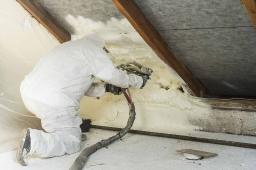
The foam insulation market has seen significant growth due to rising demand for energy-efficient building materials and sustainable construction practices worldwide. However, despite promising prospects, the industry faces considerable challenges related to the supply and pricing of raw materials. These challenges impact production costs, profit margins, and the ability of manufacturers to meet growing demand efficiently.
This article delves into the key issues surrounding raw material supply and pricing in the foam insulation market and explores how these challenges affect the broader industry.
Key Raw Materials in Foam Insulation
Foam insulation products, such as spray polyurethane foam (SPF), rigid foam boards (polyisocyanurate, extruded polystyrene, expanded polystyrene), rely heavily on petrochemical-derived raw materials including:
Polyols and isocyanates (for polyurethane foams)
Styrene and polystyrene resins (for EPS and XPS foams)
Blowing agents (hydrofluorocarbons, hydrocarbons, or newer low-global-warming-potential alternatives)
Additives like flame retardants, stabilizers, and catalysts
Challenges in Raw Material Supply
1. Volatility in Petrochemical Markets
Since most raw materials originate from petroleum and natural gas derivatives, foam insulation manufacturers are vulnerable to fluctuations in global oil and gas prices. Supply disruptions due to geopolitical tensions, natural disasters, or production constraints directly affect raw material availability and costs.
2. Raw Material Shortages
Several factors contribute to periodic shortages:
Increased global demand for petrochemical derivatives across multiple industries
Capacity constraints at key chemical plants
Supply chain bottlenecks caused by transportation delays or regulatory issues
Such shortages can cause production slowdowns or force manufacturers to source from alternative suppliers at higher costs.
3. Regulatory Restrictions on Blowing Agents
Environmental regulations aimed at reducing greenhouse gas emissions have restricted or phased out certain high-global-warming-potential blowing agents. Transitioning to newer, environmentally friendly blowing agents often requires reformulation, higher costs, and limited initial supply, complicating raw material sourcing.
Pricing Challenges
1. Escalating Costs
Raw material prices constitute a significant portion of the total production cost in foam insulation manufacturing. Fluctuating feedstock prices lead to unpredictable cost structures, which can squeeze profit margins if manufacturers are unable to pass costs on to end-users promptly.
2. Inflationary Pressures
Global inflation trends and increased logistics costs—from raw material extraction to delivery—raise the overall pricing pressure on foam insulation products. Currency volatility in emerging markets further compounds pricing uncertainties.
3. Impact on End-User Demand
Higher raw material and production costs can translate into more expensive insulation products. This price increase may slow adoption rates, especially in price-sensitive markets or affordable housing projects, impacting overall market growth.
Industry Responses and Mitigation Strategies
Manufacturers and stakeholders are adopting several approaches to manage these challenges:
Long-term supplier contracts to secure stable raw material supply and negotiate better pricing.
Diversification of supply sources to reduce dependency on single suppliers or regions.
Investment in R&D to develop formulations using alternative or bio-based raw materials that are less exposed to petrochemical volatility.
Operational efficiencies and cost optimization initiatives to absorb price fluctuations without significantly raising product prices.
Collaborations with chemical producers to ensure early access to new blowing agents and raw material innovations.
Outlook and Future Considerations
Raw material supply and pricing will remain key challenges in the foam insulation market, especially as demand grows for greener, more efficient products. Manufacturers who successfully innovate and build resilient supply chains will be better positioned to navigate market volatility.
Additionally, ongoing regulatory developments pushing for sustainable alternatives will drive further changes in raw material sourcing and cost structures. The foam insulation industry must continue adapting to maintain growth while balancing environmental compliance and profitability.
Conclusion
While the foam insulation market holds strong growth potential, raw material supply disruptions and pricing volatility present significant hurdles. Addressing these challenges through strategic sourcing, innovation, and collaboration will be essential for manufacturers aiming to meet demand and sustain profitability in a competitive global landscape.